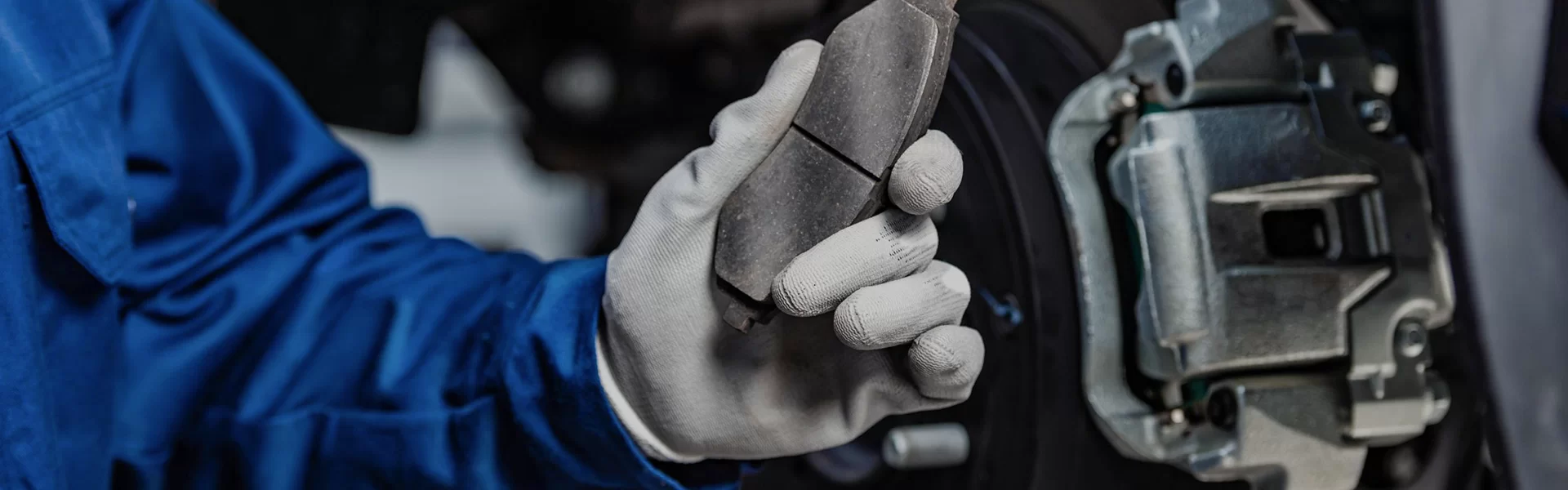
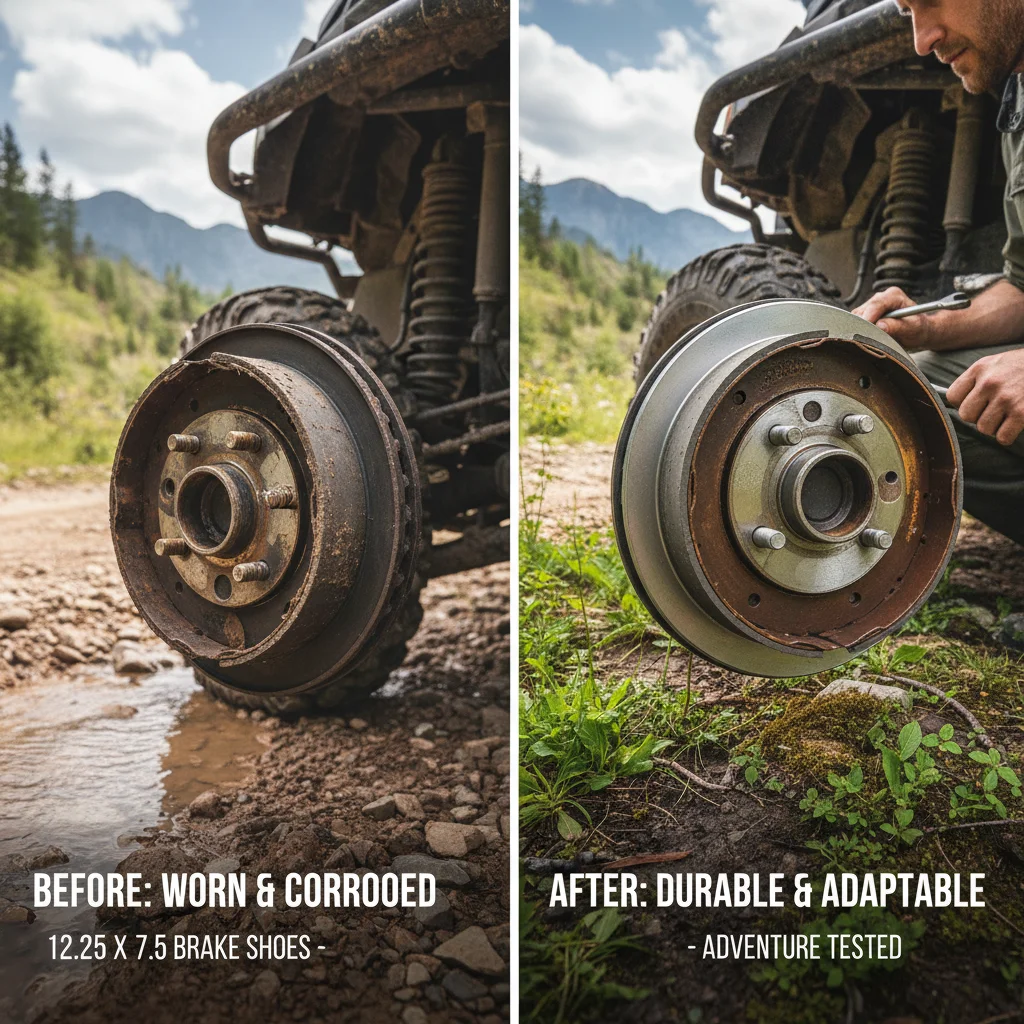
Understanding the typical cost for brake pad replacement is crucial for vehicle owners, fleet managers, and automotive professionals alike. Maintaining safe and reliable braking systems is paramount for preventing accidents and ensuring road safety. The cost of brake pad replacement can vary significantly depending on several factors, impacting budgeting and maintenance schedules. Knowing these factors empowers informed decisions and prevents unexpected expenses.
The automotive industry witnesses billions of dollars spent annually on brake maintenance and repair, with brake pads representing a substantial portion of these costs. Global economic conditions, vehicle type, and geographic location all influence the pricing of parts and labor. Therefore, a clear understanding of the typical cost for brake pad replacement aids in optimizing maintenance strategies and controlling operational expenses.
Furthermore, advancements in braking technology and the increasing complexity of modern vehicles are continually affecting the cost of brake pad replacements. Factors such as ceramic, semi-metallic, or organic brake pad materials contribute to varying price points. This underscores the importance of staying informed about current market prices and understanding the impact of different brake pad types on performance and longevity.
The Importance of Understanding Typical Cost for Brake Pad Replacement
Understanding the typical cost for brake pad replacement isn't simply about budgeting for car maintenance; it's a core component of vehicle safety. Proactive brake maintenance significantly reduces the risk of accidents caused by brake failure, protecting drivers and passengers. Ignoring brake pad replacement can lead to more extensive (and expensive) repairs down the line, such as rotor damage.
Furthermore, being aware of the average costs empowers vehicle owners to negotiate fair pricing with mechanics and avoid being overcharged for unnecessary services. Knowing what constitutes a reasonable price for parts and labor allows for informed decision-making and contributes to a more transparent automotive repair experience.
Global Context and Market Dynamics
The global automotive parts market is a multi-billion dollar industry, with brake pads representing a significant segment. Supply chain disruptions, raw material costs (such as steel, iron, and synthetic materials), and manufacturing processes all contribute to fluctuating prices. Geopolitical events and trade tariffs also influence the global cost of brake pad materials and finished products.
Demand for brake pads is consistently high across the globe, driven by the sheer volume of vehicles on the road and the necessity for regular maintenance. Emerging markets, with rapidly growing vehicle ownership, are increasingly driving demand, creating both opportunities and challenges for manufacturers and suppliers. The United Nations estimates over 1.4 billion motor vehicles globally, necessitating constant brake maintenance.
Competition among brake pad manufacturers is intense, leading to a wide range of price points and quality levels. Original Equipment Manufacturers (OEMs) typically offer higher-priced pads designed specifically for their vehicles, while aftermarket options provide a broader range of choices and price points, catering to diverse budgets and vehicle types.
Defining Typical Cost for Brake Pad Replacement
“Typical cost for brake pad replacement” refers to the average amount charged for replacing the brake pads on a vehicle, encompassing both the cost of the brake pads themselves and the associated labor charges. This cost can vary significantly based on the vehicle's make and model, the type of brake pads used, and the geographic location of the repair shop.
Understanding the distinction between DIY replacement and professional installation is crucial. DIY replacement can save on labor costs, but requires mechanical knowledge and appropriate tools. Professional installation ensures correct installation and often includes a warranty on both parts and labor. Many vehicle owners prefer professional installation to guarantee quality and avoid potential safety hazards.
The “typical” cost is best understood as a range, rather than a fixed number. Factors like rotor condition (whether resurfacing or replacement is needed) and the complexity of the braking system (e.g., vehicles with electronic parking brakes) will further impact the final bill. typical cost for brake pad replacement depends on these details.
Key Factors Influencing Brake Pad Replacement Costs
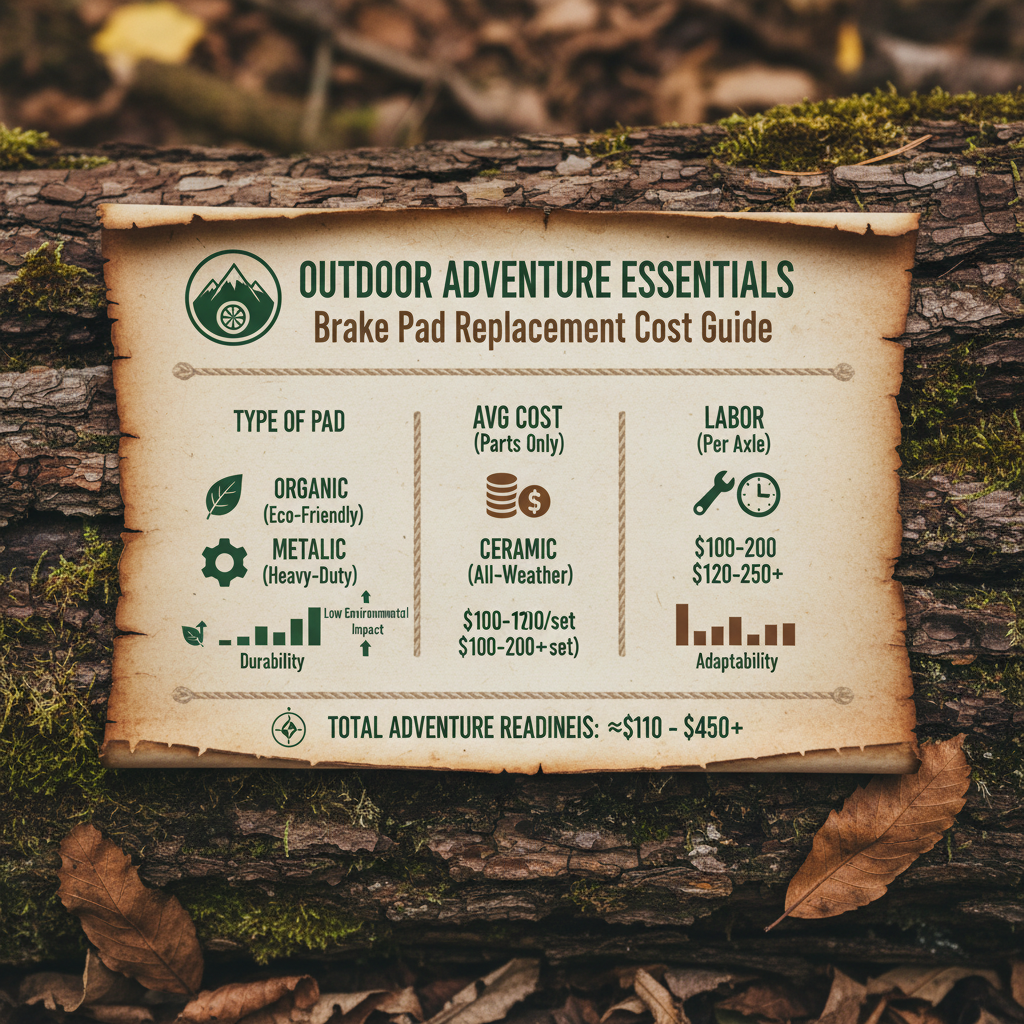
Several key factors significantly influence the final cost of brake pad replacement. Vehicle make and model is a primary determinant, as luxury or high-performance vehicles often require more expensive brake pads and specialized labor. The type of brake pad material (organic, semi-metallic, ceramic) also impacts the cost, with ceramic pads generally being the most expensive but offering superior performance and longevity.
Labor rates vary widely depending on geographic location and the experience level of the mechanic. Dealerships typically charge higher labor rates than independent repair shops. Furthermore, the condition of other braking components, such as rotors and calipers, can necessitate additional repairs or replacements, adding to the overall cost.
Brake Pad Replacement Cost Breakdown
Regional Variations in Typical Cost for Brake Pad Replacement
The typical cost for brake pad replacement varies considerably by region, primarily due to differences in labor rates, parts availability, and local taxes. Urban areas typically have higher labor costs compared to rural areas. Furthermore, states with higher costs of living generally see higher prices for automotive services.
Parts costs can also differ based on shipping expenses and import tariffs. Regions that rely heavily on imported parts may experience higher prices due to transportation costs and fluctuating exchange rates. Accessibility to qualified mechanics and competition among repair shops also play a role in shaping regional pricing dynamics.
Long-Term Value and Cost-Benefit Analysis
While the initial cost of brake pad replacement is a primary concern, it's important to consider the long-term value and cost-benefit analysis. Investing in high-quality brake pads, such as ceramic pads, can extend the lifespan of the braking system and reduce the frequency of replacements, ultimately saving money over time.
Regular brake maintenance also contributes to improved vehicle safety and fuel efficiency. Properly functioning brakes reduce stopping distances and prevent premature wear on other vehicle components. The peace of mind that comes with a reliable braking system is an invaluable benefit that should not be overlooked.
Future Trends and Innovations in Brake Pad Technology
The automotive industry is witnessing rapid advancements in brake pad technology, driven by the demand for improved performance, durability, and sustainability. Research and development efforts are focused on developing new materials, such as graphene-enhanced brake pads, that offer superior friction coefficients and reduced wear rates.
Electric and hybrid vehicles are also influencing brake pad design, as regenerative braking systems reduce the reliance on traditional friction brakes. This has led to the development of brake pads specifically designed for these vehicles, optimized for infrequent but critical braking situations.
Furthermore, the integration of sensors and data analytics into brake pads is emerging, enabling predictive maintenance and real-time monitoring of brake wear. This technology allows for proactive replacement of brake pads before they reach a critical state, enhancing safety and minimizing downtime.
Summary of Future Brake Pad Technology Advancements
| Technology |
Performance Impact |
Cost Estimate (1-10) |
Adoption Timeline |
| Graphene-Enhanced Pads |
Increased friction, reduced wear |
8 |
5-10 years |
| Regenerative Braking Optimized Pads |
Improved efficiency in EV/Hybrids |
7 |
Currently available |
| Sensor-Integrated Pads |
Predictive maintenance, real-time wear monitoring |
6 |
3-7 years |
| Self-Lubricating Pads |
Reduced noise, smoother braking |
5 |
7-10 years |
| Bio-Based Brake Pads |
Environmentally friendly, sustainable |
6 |
5-8 years |
| Nanomaterial-Enhanced Pads |
Increased heat dissipation, improved stopping power |
9 |
10+ years |
FAQS
The average cost for brake pad replacement on a typical sedan usually ranges between $150 and $300. This includes both parts (brake pads) and labor. However, prices can vary depending on the specific make and model of the sedan, the type of brake pads used (organic, semi-metallic, ceramic), and the location of the repair shop. More complex braking systems or the need for rotor resurfacing can also increase the cost.
The frequency of brake pad replacement depends on your driving habits and the type of brake pads installed. Typically, brake pads last between 25,000 and 70,000 miles. Aggressive driving, frequent braking, and driving in hilly terrain will reduce brake pad lifespan. Regular inspections are crucial to determine wear and tear. Listen for squealing noises or feel for reduced braking performance.
It can be cheaper to replace brake pads yourself if you have the necessary tools, knowledge, and experience. However, if you’re not comfortable performing the repair, it’s best to leave it to a professional mechanic. Incorrect installation can compromise braking performance and safety. Factor in the cost of tools and potential mistakes if you choose the DIY route.
Several signs indicate that your brake pads need to be replaced. These include squealing or grinding noises when braking, a spongy or soft brake pedal, a decreased braking response, and a brake warning light illuminating on your dashboard. Visible wear on the brake pads – less than 1/4 inch of pad material – is also a clear indicator.
Ceramic brake pads are typically more expensive than semi-metallic pads, generally costing between $50 to $100+ per set. They offer advantages such as quieter operation, less dust, and better performance in a wide range of temperatures. Semi-metallic pads are more affordable (around $30-$70 per set) but can produce more dust and noise. Consider your driving style and budget when choosing.
You don't always need to replace rotors, but it's often recommended. If the rotors are scored, warped, or below the minimum thickness specified by the manufacturer, they should be replaced or resurfaced. Resurfacing is a less expensive option, but it can only be done a limited number of times. Replacing rotors alongside brake pads ensures optimal braking performance and prevents premature wear on the new pads.
Conclusion
In conclusion, understanding the typical cost for brake pad replacement involves considering a multitude of factors, from vehicle type and brake pad material to regional labor rates and the condition of other braking components. Prioritizing regular brake maintenance, choosing quality parts, and being aware of potential warning signs are essential for ensuring vehicle safety and minimizing long-term repair costs.
Looking ahead, advancements in brake pad technology promise improved performance, durability, and sustainability. Investing in proactive brake maintenance and staying informed about these innovations will empower vehicle owners and fleet managers to make informed decisions and optimize their braking systems for years to come. Visit our website at typical cost for brake pad replacement to learn more.