Brake Shoe

Brake Shoe

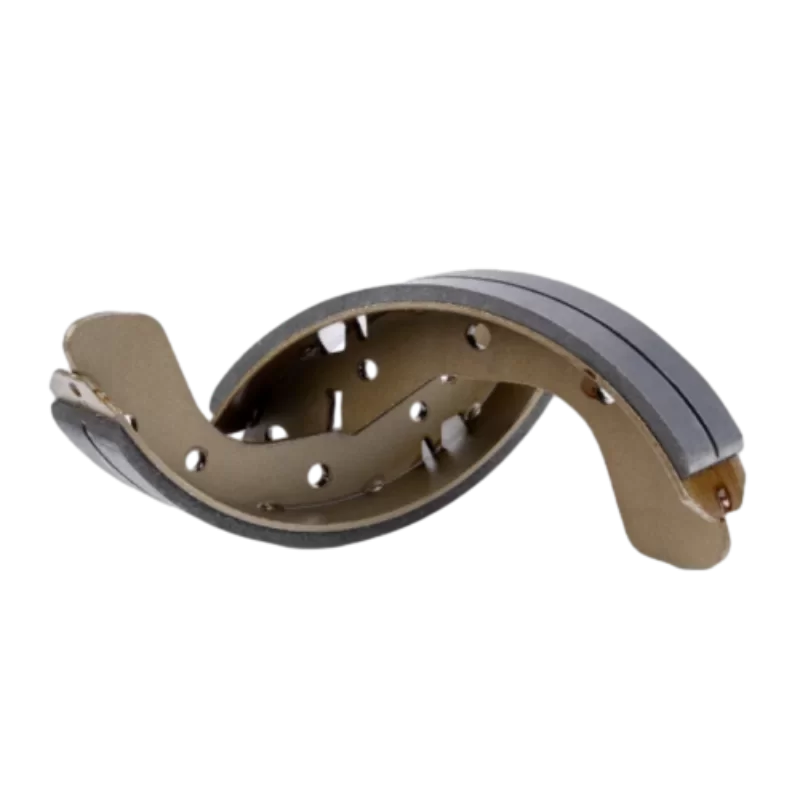
High-quality brake shoes with long service life, stable and reliable braking performance, low noise and eco-friendly design, compatible with a wide range of vehicles including passenger cars and commercial trucks.
Contact Us
The brake shoe is a fundamental component in drum brake systems, primarily found in older vehicles or the rear brakes of some modern cars. It consists of a curved metal plate lined with a high-friction material, often made from composites containing asbestos, ceramics, or metallic particles for durability and heat resistance. When the driver presses the brake pedal, hydraulic pressure forces the wheel cylinder to push the brake shoes outward against the inner surface of the rotating brake drum. The resulting friction converts kinetic energy into heat, slowing down or stopping the vehicle.
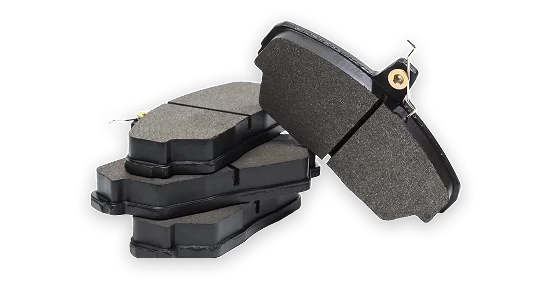
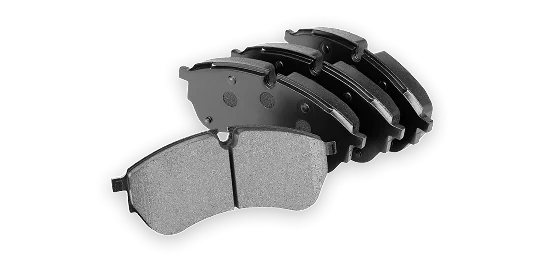
Brake shoes are known for their longevity and cost-effectiveness, as they typically wear more slowly than disc brake pads. However, they are less efficient in dissipating heat, which can lead to brake fade under heavy use. Drum brakes with brake shoes are still used in certain applications—such as trucks, trailers, and budget-friendly vehicles—due to their self-energizing design, which enhances braking force with minimal hydraulic pressure. Maintenance involves periodic inspection for wear, contamination, or mechanical issues like stuck adjusters. While less common in modern passenger cars, brake shoes remain a reliable and economical choice for specific automotive and industrial braking systems.
Brake Shoes Are Made Of Which Material

Brake Shoes Are Made Of Which Material

Brake shoes are essential components of a drum brake system, and their performance depends greatly on the materials used in both the shoe body and the friction lining. The shoe body is typically made from strong, heat-resistant steel that provides structural rigidity and ensures precise fit inside the brake drum. Attached to this metal frame is the friction lining, which can be composed of several specialized materials designed to deliver reliable stopping power and long service life. Common friction materials include semi-metallic compounds, which blend steel fibers with resins for excellent heat dissipation and durability, making them ideal for heavy-duty or high-temperature applications. Organic (non-asbestos organic, NAO) linings, made from fibers such as aramid, rubber, and resins, offer quiet operation and gentle braking, suitable for everyday passenger vehicles. Ceramic formulations, featuring ceramic fibers and copper or other fine fillers, provide stable friction, low noise, and minimal dust, ideal for clean and comfortable driving environments. By combining a robust steel backing plate with carefully selected friction compounds, modern brake shoes achieve a balance of strength, heat resistance, and consistent braking performance, ensuring dependable safety and long-lasting operation under various driving conditions.

Brake Shoe FAQs

RECOMMENDED NEWS
High Performance Brake Shoe Car Price and Quality Guide

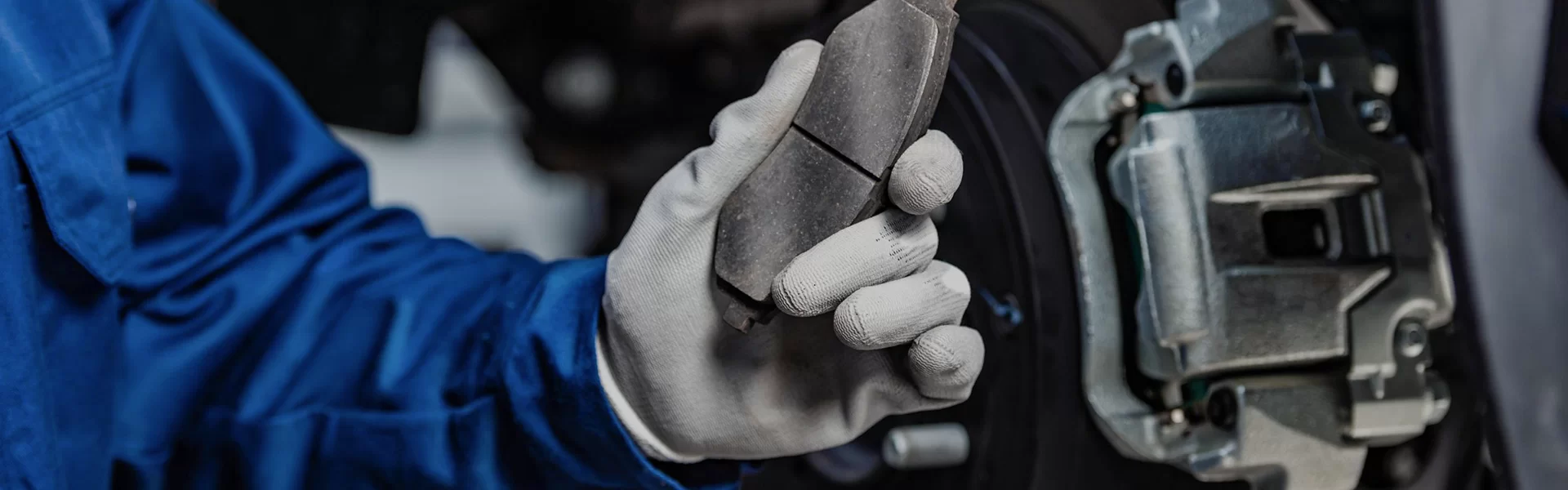
When evaluating the braking efficiency of drum brake systems, the choice of friction materials and structural precision directly determines the vehicles safety and maintenance costs. For procurement managers and fleet operators, understanding the balance between initial investment and long-term operational stability is critical. Our high-performance brake shoes are engineered to address the rigorous demands of both passenger vehicles and commercial fleets, focusing on heat dissipation and stable friction coefficients under extreme loads. By utilizing advanced non-asbestos composites and heavy-duty industrial steel backing plates, these components eliminate the risks associated with traditional linings while maximizing stopping power.
Understanding Brake Shoe Price and Performance Factors

When evaluating the total cost of vehicle maintenance, fleet managers and individual owners often find that the brake shoe price is not a static number, but a variable influenced by material composition and expected service intervals. For drum brake systems, the efficiency of the friction lining directly dictates how often components must be replaced, making the initial purchase price less critical than the long-term cost per kilometer. Understanding the intersection of material science and pricing is essential for maintaining safety without overspending on redundant replacements. The complexity of pricing in the automotive aftermarket arises from the diverse requirements of different vehicle classes.

RECOMMENDED NEWS
RECOMMENDED NEWS
CONTACT US
Looking For Reliable And Durable Brake Pads For Your Vehicles? Our High-Quality Brake Pads Ensure Safe, Quiet, And Long-Lasting Performance. Wide Models Available, Oem/Odm Supported. Contact Us Today For A Quote And Boost Your Business With Trusted Brake Solutions!

If you are interested in our products, you can choose to leave your information here, and we will be in touch with you shortly.