Maintaining your vehicle's stopping power is not just about performance—it is about safety. When you start hearing that dreaded squeal or feel a vibration in the pedal, the first question usually is: what is the actual car brakes cost? Brake pricing can vary wildly depending on the components needed, the make of your car, and whether you choose OEM or aftermarket parts. In this guide, we will break down the expenses associated with brake pads, rotors, and labor to help you budget effectively and ensure your vehicle remains roadworthy without overspending.

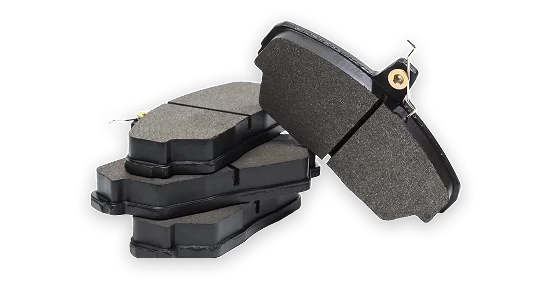
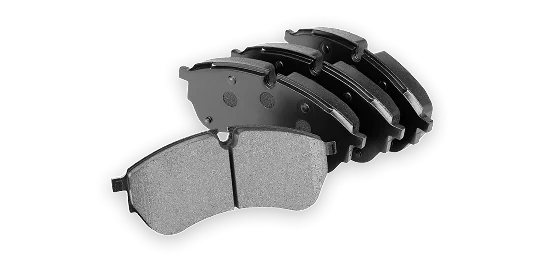
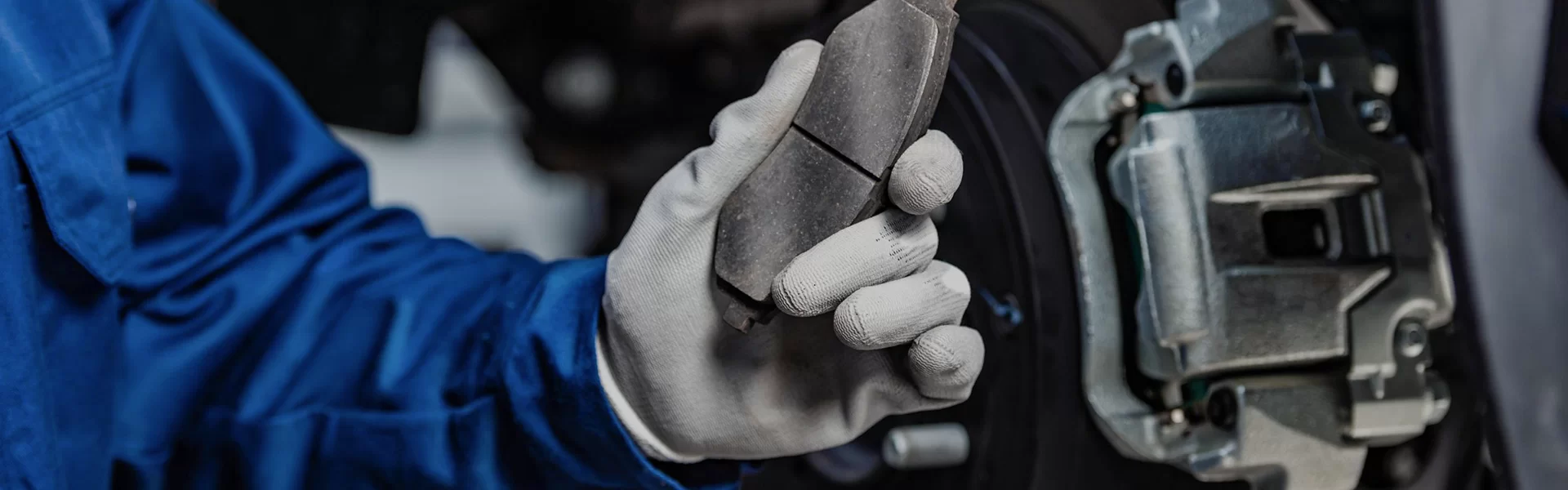
To understand the total car brakes cost, you must first look at the individual parts. The most common wear item is the brake pad, which typically lasts between 30,000 and 70,000 miles. However, if the pads are worn down to the metal, they can score the brake rotors, necessitating a more expensive replacement. Beyond the pads and rotors, costs may also include brake calipers and brake fluid flushes. High-performance vehicles or heavy-duty trucks generally incur higher costs due to the size and material of the components required to stop a larger mass.
Quick Tip: Replacing your brake pads early can save you from having to replace the rotors, potentially cutting your immediate repair bill by 50%.
Not every brake job is the same. A simple pad replacement is significantly cheaper than a full overhaul. When calculating the car brakes cost, labor usually accounts for a substantial portion of the invoice. Dealerships typically charge a higher hourly rate than independent shops, but they often provide manufacturer warranties. Below is a comparison of estimated costs for different levels of brake service to give you a realistic expectation of your spending.
Several variables can cause the final car brakes cost to fluctuate. First is the material of the brake pads: ceramic pads are quieter and last longer but are more expensive than semi-metallic options. Second is the vehicle's brand; luxury European cars often require specialized parts and more labor hours. Third is the region; labor rates in major cities are typically higher than in rural areas. By choosing high-quality aftermarket pads, many drivers can find a balance between cost-efficiency and high-performance braking.

When researching the car brakes cost, don't just look at the price tag—look at the value. Different materials offer different benefits. Ceramic pads are ideal for daily commuters who want low dust and noise. Semi-metallic pads are better for heavy towing or spirited driving due to their superior heat dissipation. Organic pads are the most affordable and quietest but wear out the fastest. Understanding these trade-offs ensures you don't pay for features you don't need, nor do you underspend on safety.
While the immediate car brakes cost might seem high, you can significantly lower your long-term expenses through proactive maintenance. Avoid "riding the brakes" on long descents; instead, use engine braking to reduce heat and friction. Regularly inspecting your brake fluid levels and quality prevents caliper corrosion. Additionally, sourcing your pads from reputable suppliers like KY Brake Pad ensures that you receive durable materials that don't need frequent replacement, effectively lowering the cost-per-mile of your braking system.
Recognizing the warning signs early is the best way to keep your car brakes cost manageable. The most common indicator is a high-pitched screeching sound, which is caused by a wear indicator specifically designed to warn you. Other signs include a "spongy" brake pedal, the car pulling to one side during braking, or visible pulsations in the steering wheel. Ignoring these signs can lead to rotor warping or caliper failure, which turns a simple pad change into a costly full-system overhaul.
Managing your car brakes cost is a matter of timing and quality. While it may be tempting to opt for the cheapest available parts, the long-term cost of frequent replacements and the risk to your safety far outweigh the initial savings. By investing in high-quality components and adhering to a strict maintenance schedule, you can ensure your vehicle stops reliably every time while keeping your repair bills predictable. Remember, brakes are the most critical safety feature of your car—never compromise on quality.
The variance in pricing is primarily driven by labor rates and the source of the parts. Dealerships use OEM (Original Equipment Manufacturer) parts and have higher overhead, leading to higher costs. Independent shops may use high-quality aftermarket parts, which are often comparable or even superior in performance but cost less. Additionally, some shops offer "package deals" for pads and rotors that reduce the overall labor charge compared to doing them separately. Always request a detailed quote that separates parts from labor to compare accurately.
No, you do not always need new rotors. If the rotors are still thick enough and are not warped or heavily scored, they can be "resurfaced" (machined) to be smooth again, or simply left alone if they are in good condition. However, if you have waited too long to change your pads and they have worn down to the metal, the resulting damage to the rotor usually makes replacement necessary. A professional technician can measure the rotor thickness to determine if they are still safe for use.
Buying your own parts from a trusted supplier like KY Brake Pad can certainly lower the parts portion of your bill. However, be aware that some mechanics may charge a higher labor rate if they are not providing the parts, or they may refuse to provide a warranty on the labor if the parts were not sourced through them. The best approach is to communicate with your mechanic beforehand to see if they are comfortable installing customer-provided high-quality parts.
It is recommended to have your brakes inspected every 6 months or during every oil change. A visual inspection of the pad thickness and a check for leaks in the brake lines can prevent a small problem from becoming an expensive failure. If you notice any changes in braking distance or sound, you should seek an inspection immediately. Regular maintenance is the most effective way to prevent the "sticker shock" of a full brake system replacement.