Maintaining your vehicle's stopping power is not just about performance; it is a critical safety requirement. Many car owners often feel anxious when they hear a squealing sound from their wheels, wondering exactly what the brake change cost will be. Depending on your vehicle make, the type of brake pads chosen, and whether you are replacing rotors, the price can vary significantly. In this comprehensive guide, we will break down the factors that influence pricing, compare different material options, and help you determine when it is time to invest in new components to ensure a smooth and safe ride.

Several variables dictate the final bill when you visit a mechanic. First, labor rates vary by region and the type of shop; a specialized dealership will typically charge more per hour than a local independent garage. Second, the vehicle type plays a huge role; luxury SUVs with oversized performance brakes require more expensive parts than a compact city car. Lastly, the scope of work is vital. A simple pad replacement is affordable, but if the rotors are warped or thin, they must be replaced or resurfaced, which significantly increases the total brake change cost.
Pro Tip: Always ask for a detailed quote that separates parts from labor. This allows you to see if you are paying a premium for the brand of pads or the technician's time.
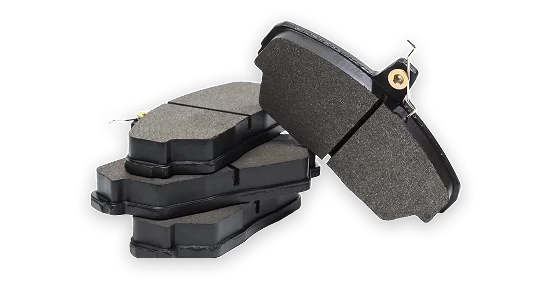
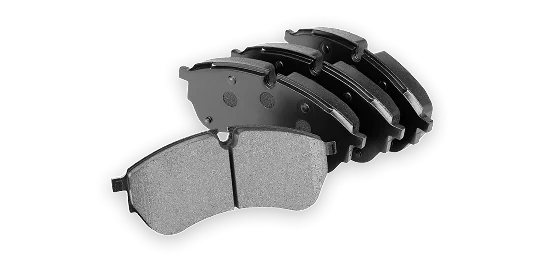
Not all brake pads are created equal. The material used affects everything from noise levels and dust to the longevity of the part and, ultimately, the brake change cost. Organic pads are budget-friendly and quiet but wear out quickly. Semi-metallic pads offer superior stopping power for heavy-duty use but can be noisier. Ceramic pads are the premium choice, offering a balance of longevity, low noise, and minimal dust, though they carry a higher initial price tag.
To get a realistic idea of the expenses, it is helpful to look at the components separately. A standard pad replacement usually involves the cost of the pads themselves and 1-2 hours of labor. However, if you are performing a full axle service (pads and rotors), the price jumps. For most passenger vehicles, the labor cost ranges from $150 to $300 per axle, while the parts can range from $50 to $200. Understanding these segments helps you avoid overpaying and ensures you are getting quality parts from a trusted source like KY Brake Pad.

While it is tempting to delay maintenance to save money, the long-term financial risk of ignoring brakes is much higher. Worn-out pads can lead to "metal-on-metal" contact, which destroys the brake rotors. Replacing just pads is relatively cheap, but replacing pads, rotors, and potentially calipers can triple your brake change cost. Watch for warning signs like a vibrating steering wheel during braking, a "spongy" brake pedal, or high-pitched screeching.
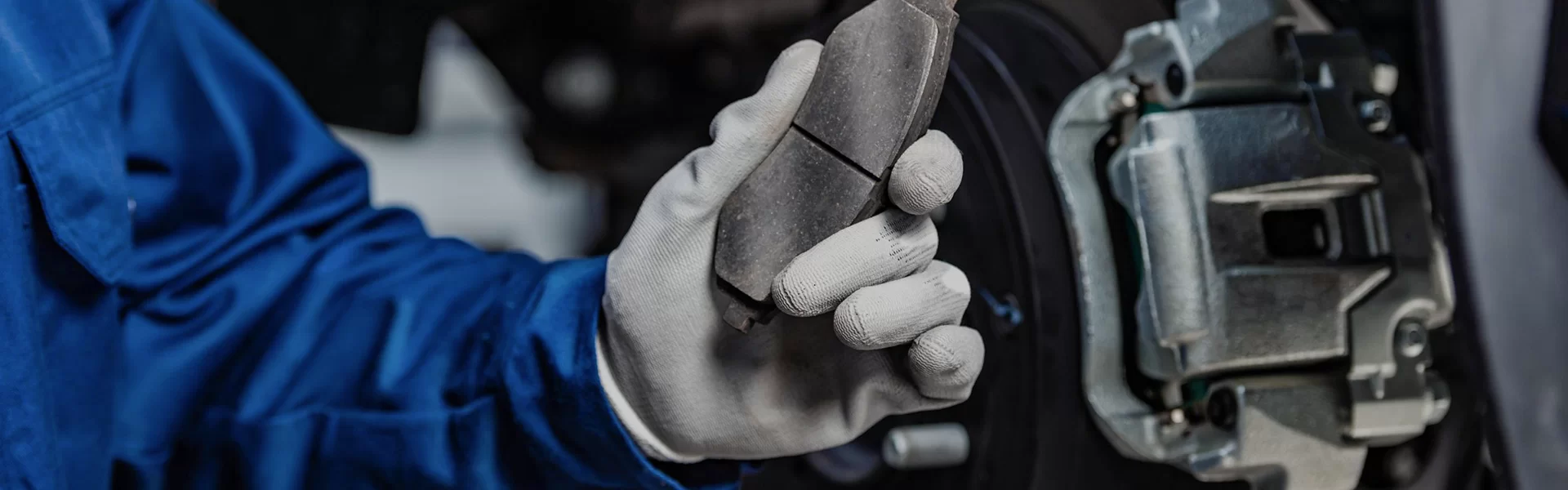
For the mechanically inclined, doing the work yourself is the most effective way to lower the brake change cost. You only pay for the parts and a few basic tools. However, professional service provides a warranty and the peace of mind that the system was bled and torqued correctly. For those who aren't confident in their skills, the professional fee is a small price to pay for the assurance that your vehicle will stop reliably in an emergency.
The best way to manage your brake change cost is through proactive maintenance. Avoid "hard braking" and excessive speeding, which overheat the pads and cause glazing. Regularly check your brake fluid levels and quality; old fluid can lead to corrosion within the caliper system. By following a consistent inspection schedule, you can catch wear early and replace only the pads, avoiding the expensive need for new rotors or calipers.
While the brake change cost can vary based on materials and labor, it is an essential investment in your vehicle's safety. By choosing the right pads—whether ceramic for comfort or semi-metallic for performance—and staying on top of regular inspections, you can avoid catastrophic failures and expensive emergency repairs. Always prioritize quality components to ensure the longest possible life for your braking system.
Most vehicles require new brake pads every 30,000 to 70,000 miles, depending on your driving habits. City drivers who stop and start frequently will face a higher brake change cost more often than highway drivers. It is recommended to have your brakes inspected during every oil change to catch wear early.
Yes, it is common to replace only the front pads because the front brakes do the majority of the stopping work and wear out faster. However, for safety and balance, professionals recommend inspecting the rear brakes at the same time. Replacing only one axle will lower your immediate brake change cost, but you should still maintain a full-vehicle safety check.
Ceramic pads are made from a dense ceramic material mixed with copper fibers, which is more expensive to manufacture than organic or metallic blends. The higher cost is offset by their superior longevity, lack of noise, and the fact that they don't grind down your rotors as quickly. In the long run, they can actually reduce your total brake change cost by extending the intervals between replacements.
Ignoring the warning light can lead to severe brake fade or complete brake failure. Furthermore, once the pads are completely gone, the metal backing plate will score the rotors, turning a simple pad replacement into a much more expensive job. By addressing the issue early, you keep the brake change cost manageable and ensure the safety of everyone in the vehicle.