Maintaining your vehicle's braking system is non-negotiable for road safety. One of the most common maintenance tasks every driver faces is understanding the front brake pads replacement cost. Because front brakes handle the majority of a vehicle's stopping power, they wear down faster than rear pads. Whether you are hearing a high-pitched squeal or feeling a vibration in the pedal, knowing the price breakdown helps you budget effectively and avoid overpaying at the shop. In this guide, we will break down the factors influencing costs and how to choose the best parts for your car.

The total price you pay for a brake job isn't just about the rubber and metal. Several variables dictate the final bill. First is the vehicle type; a luxury SUV requires more expensive, larger pads than a compact sedan. Second is the material of the pads; ceramic pads typically cost more than organic or semi-metallic options but offer better longevity and less noise. Lastly, labor rates vary significantly between independent local garages and official dealership service centers. When researching front brake pads replacement cost, always ask if the quote includes both parts and labor.
Cost Drivers: Vehicle make/model, pad material (Ceramic vs. Semi-metallic), regional labor rates, and whether rotors need resurfacing or replacement.
To give you a clearer picture, we have compiled average market data. Generally, the front brake pads replacement cost ranges from $150 to $300 for standard vehicles, though this can spike if you choose performance-grade components. Below is a detailed breakdown of costs based on the type of service provider and material chosen.
Timing is everything when it comes to brake maintenance. If you wait too long, your front brake pads replacement cost will increase because you'll likely have to replace the rotors as well. Common signs that you need new pads include a screeching sound (caused by the wear indicator), a decrease in stopping power, or visible thinning of the pad material. Regular inspections every 10,000 miles can prevent emergency repairs and keep your long-term costs low.

When analyzing the front brake pads replacement cost, consider the "cost per mile." While ceramic pads have a higher upfront price, they last longer and produce less dust, reducing the frequency of replacements. Semi-metallic pads are excellent for heavy-duty towing or high-performance driving but wear down rotors faster. For the average commuter, ceramic is often the most economical choice over a three-year period.
Material Quick Guide:
• Ceramic: Quietest, lowest dust, premium price.
• Semi-Metallic: Best heat dissipation, noisy, aggressive on rotors.
• Organic: Cheapest, softest feel, fastest wear rate.
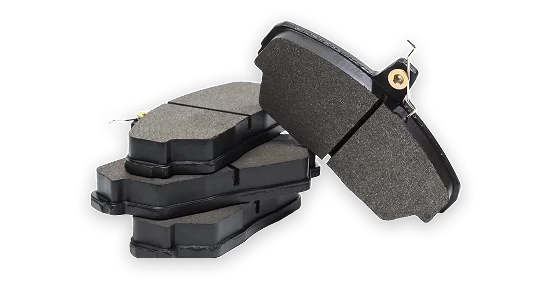
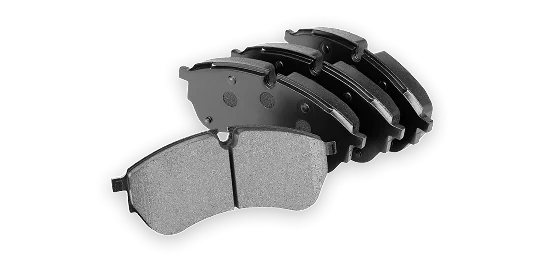
To ensure you are getting your money's worth, it is important to look at the technical specs of the pads you are buying. High-quality pads utilize advanced friction formulas to balance heat management and stopping distance. When you evaluate the front brake pads replacement cost, ensure the product meets OEM or higher standards to avoid premature failure.
While it is tempting to search for the lowest front brake pads replacement cost, safety should always remain the priority. Choosing high-quality pads may cost more initially, but the reduced wear on rotors and extended replacement intervals provide better value in the long run. Regular maintenance and choosing the right material for your driving style will keep your vehicle safe and your wallet happy. Invest in quality, and drive with confidence.
Front brakes perform the majority of the stopping work—typically about 60% to 80% of the total braking force. Because they endure more friction and heat, front pads are generally larger, made of more robust materials, and wear out significantly faster than rear pads. This higher demand for durability and performance often translates to a higher part cost and more frequent replacement intervals compared to the rear axle.
Yes, in many cases you can. If your rotors are still thick enough and are not warped or deeply scored, a technician can simply replace the pads. However, if the rotors are damaged, they must be either "resurfaced" (machined flat) or replaced entirely. If you ignore damaged rotors, your new pads will wear out prematurely, and you will experience brake judder, effectively increasing your total long-term maintenance costs.
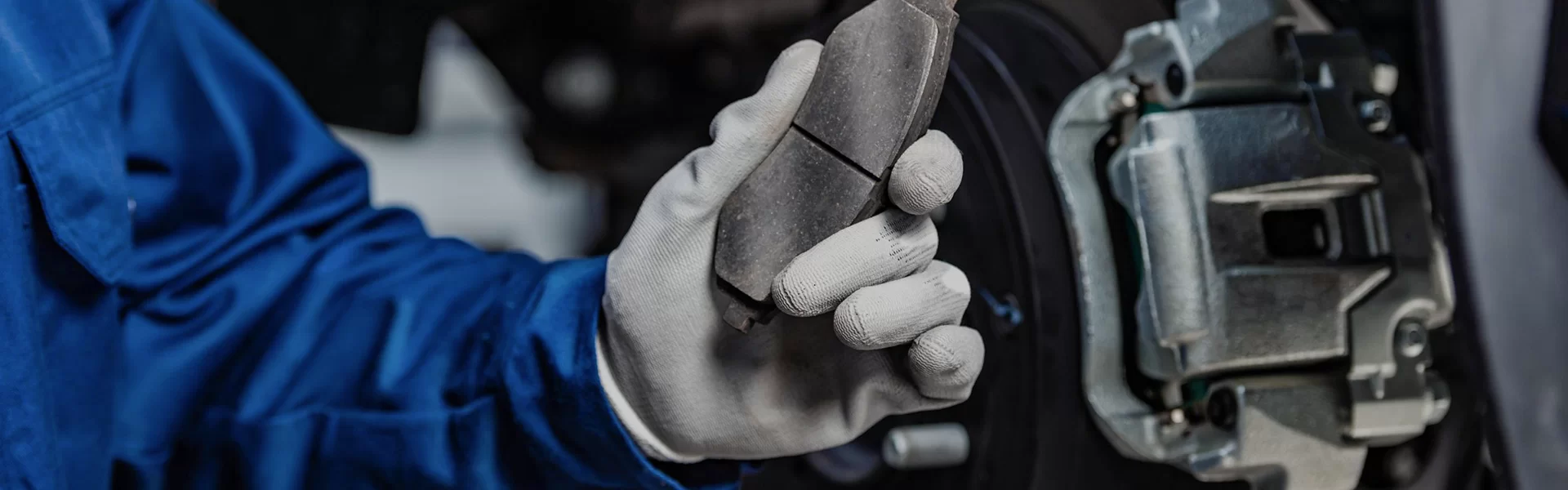
It is recommended to have your brake pads inspected every 6 months or during every oil change. Most mechanics can visually check the pad thickness without removing the wheel. By catching wear early, you can avoid "metal-on-metal" contact, which destroys the brake rotors and can turn a simple $200 pad replacement into a $600 full brake overhaul. Keeping a close eye on your braking performance is the best way to keep your expenses predictable.
For the vast majority of drivers, Ceramic brake pads provide the best overall value. While they have a higher upfront cost, they offer a superior balance of longevity, noise reduction, and rotor friendliness. Organic pads are cheaper but wear out too quickly, and semi-metallic pads are too aggressive for daily commuting. If you want to minimize the frequency of your front brake pads replacement cost, ceramic is the way to go.