Maintaining your vehicle's braking system is non-negotiable for road safety. One of the most common maintenance tasks vehicle owners face is determining the rear brake pads replacement cost. While front pads usually wear down faster, the rear pads play a critical role in stability and stopping power, especially in vehicles with electronic stability control. Whether you are planning a DIY project or visiting a professional mechanic, knowing the price breakdown helps you budget effectively and avoid overpaying. In this guide, we will break down the expenses, factors affecting the price, and how to choose the best quality pads for your car.

Several variables dictate the final bill when you seek a rear brake pads replacement cost. First is the vehicle type; luxury SUVs often require more expensive, heavy-duty pads compared to compact sedans. Second is the material of the pads—ceramic, semi-metallic, or organic options vary in price and performance. Additionally, the labor rates in your local area significantly impact the total. If your vehicle has an electronic parking brake (EPB), the technician may need specialized software to retract the calipers, adding to the labor time and overall expense.
Pro Tip: Always check if your rotors need resurfacing or replacing at the same time. Doing both together saves on labor costs compared to two separate visits.
To give you a clearer picture, we have compiled a generalized pricing table. Keep in mind that the rear brake pads replacement cost usually includes the parts for both rear wheels and the associated labor. While independent shops are generally more affordable, dealerships often provide OEM parts and specialized warranties.
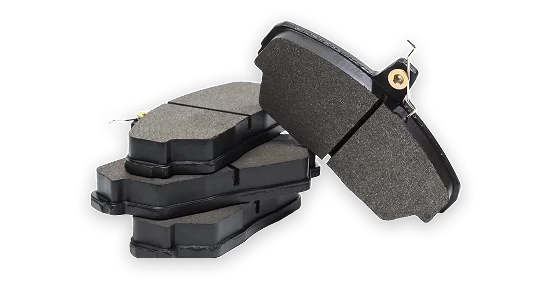
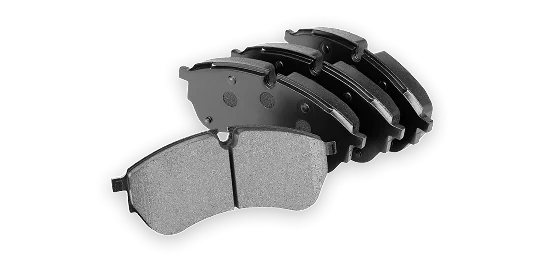
When discussing the rear brake pads replacement cost, the material you choose is a primary cost driver. Ceramic pads are generally the most expensive but offer a quiet ride and low dust. Semi-metallic pads are more affordable and provide superior stopping power for heavy loads, though they are noisier. Organic pads are the cheapest but wear out the fastest, potentially increasing your long-term replacement frequency.
Material Comparison at a Glance:
• Ceramic: High Cost | Low Noise | Longest Life
• Semi-Metallic: Medium Cost | Higher Noise | Excellent Heat Dissipation
• Organic: Low Cost | Quiet | Shortest Life
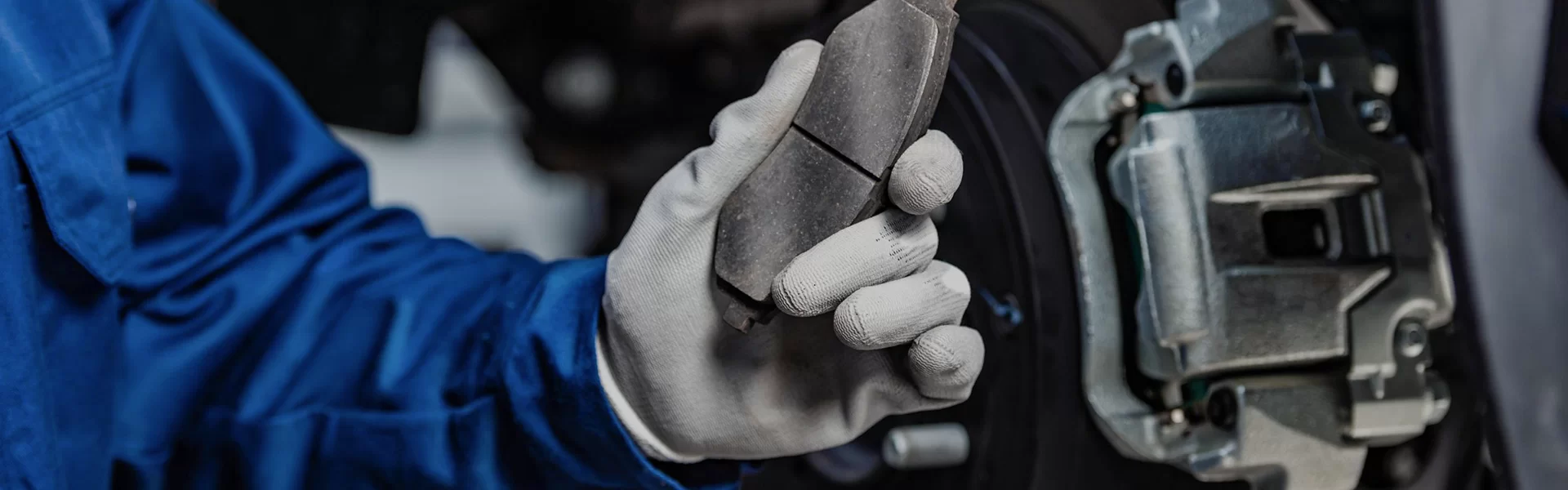
How do you know when it's time to budget for this repair? The most obvious sign is a high-pitched squealing sound coming from the rear wheels, caused by the wear indicator. You might also notice a "pulsing" sensation in the brake pedal or an increased stopping distance. If you notice a dark grey dust accumulating heavily on your rear rims, your pads may be nearing the end of their life. Addressing these signs early can prevent damage to the rotors, which would significantly increase the total rear brake pads replacement cost.

To ensure you get the best value for your money, it's important to look at the technical specs of the parts you buy. Quality pads from KY Brake Pad are engineered for precision and durability. High-performance pads utilize advanced bonding agents and friction materials to ensure stability under high heat, reducing the risk of "brake fade." Below are the typical specifications you should look for in a premium rear brake pad set:
While the rear brake pads replacement cost is an inevitable part of car ownership, there are ways to keep it low. First, perform regular visual inspections; catching thin pads early prevents the expensive need to replace the rotors. Second, consider buying high-quality aftermarket pads and paying a mechanic for labor only. This often cuts the cost by 30-50% compared to dealership prices. Finally, ensure your brake calipers are lubricated during installation to prevent uneven wear, which extends the life of your new pads.
Understanding the rear brake pads replacement cost allows you to make an informed decision about your vehicle's maintenance. While it may be tempting to go for the cheapest option, investing in premium materials ensures shorter stopping distances and a longer lifespan, ultimately saving you money over time. By monitoring your brakes and choosing reliable components from experts like KY Brake Pad, you ensure a safer journey for yourself and your passengers.
Generally, the rear brake pads replacement cost is slightly lower or equal to the front. Front brakes handle the majority of the stopping force, meaning they are often larger and wear out faster. However, in modern cars with electronic braking distributions, the rear pads may wear faster than expected. Regardless of the cost difference, it is essential to replace them in pairs (both rear wheels) to ensure balanced braking performance and prevent the car from pulling to one side during a stop.
Yes, if your rotors are still thick enough and have a smooth surface without deep grooves or warping, you can replace just the pads. This keeps the rear brake pads replacement cost low. However, if the rotors are damaged, putting new pads on old rotors will lead to poor performance, increased noise, and much faster wear of the new pads. A professional mechanic will typically measure the rotor thickness to determine if they can be "turned" (resurfaced) or if they need full replacement.
It is recommended to have your brake pads inspected every 6 months or during every oil change. Depending on your driving habits—such as frequent stop-and-go city traffic or towing heavy loads—rear pads can last anywhere from 30,000 to 70,000 miles. Regular inspections allow you to plan for the rear brake pads replacement cost before it becomes an emergency repair, which is often more expensive due to the potential for collateral damage to other braking components.
The price variation is usually due to the material composition and the brand's engineering. Premium pads use higher-grade ceramics or specialized metallic blends that offer better heat management and longevity. Additionally, high-end pads often include integrated hardware, such as anti-rattle shims and clips, which reduce noise and vibration. While the initial rear brake pads replacement cost might be higher for these options, they often provide a better return on investment through increased safety and a longer interval between replacements.