Maintaining your vehicle's stopping power is not just about performance; it is a critical safety requirement. Many car owners often feel anxious when they hear a squealing sound from their wheels, wondering exactly what the car brake replacement cost will be. Whether you are driving a compact city car or a heavy-duty SUV, understanding the breakdown of parts and labor can help you budget effectively and avoid overpaying at the workshop. In this guide, we will explore the various factors that influence pricing and how to choose the best components for your vehicle's longevity.

The total expense of replacing your brakes is rarely a flat fee. Several variables dictate the final bill. First is the type of vehicle; luxury cars often require specialized ceramic pads that are more expensive than standard organic ones. Second is the extent of the wear; if you have ignored the warning signs, you might need to replace both the pads and the rotors, significantly increasing the car brake replacement cost. Finally, labor rates vary by region and the type of service center you visit, with dealerships typically charging more than independent mechanics.
Quick Tip: Regularly inspecting your brake pads every 6 months can prevent the need for expensive rotor replacements, saving you hundreds of dollars in the long run.
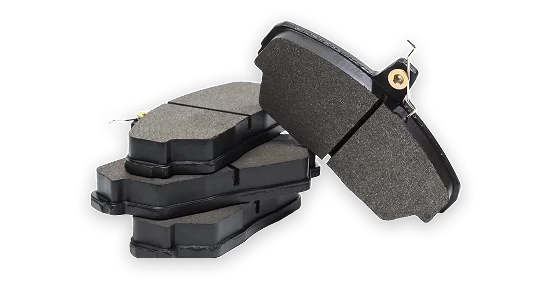
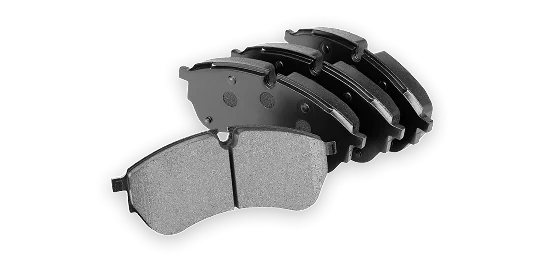
Not all brake pads are created equal. Depending on your driving style—whether you commute in stop-and-go traffic or haul heavy loads—the material you choose will impact both the performance and the car brake replacement cost. Organic pads are budget-friendly but wear out faster, while semi-metallic and ceramic options provide better heat resistance and durability. Choosing the right material ensures a balance between initial investment and long-term maintenance.
Timing is everything when it comes to automotive maintenance. If you wait until your brakes fail, you might face an emergency towing fee and a much higher car brake replacement cost due to secondary damage. Common warning signs include a high-pitched screeching sound (the wear indicator), a vibrating steering wheel during braking, or a "spongy" feeling in the brake pedal. Addressing these symptoms early usually means you only need to replace the pads, rather than the entire caliper or rotor assembly.

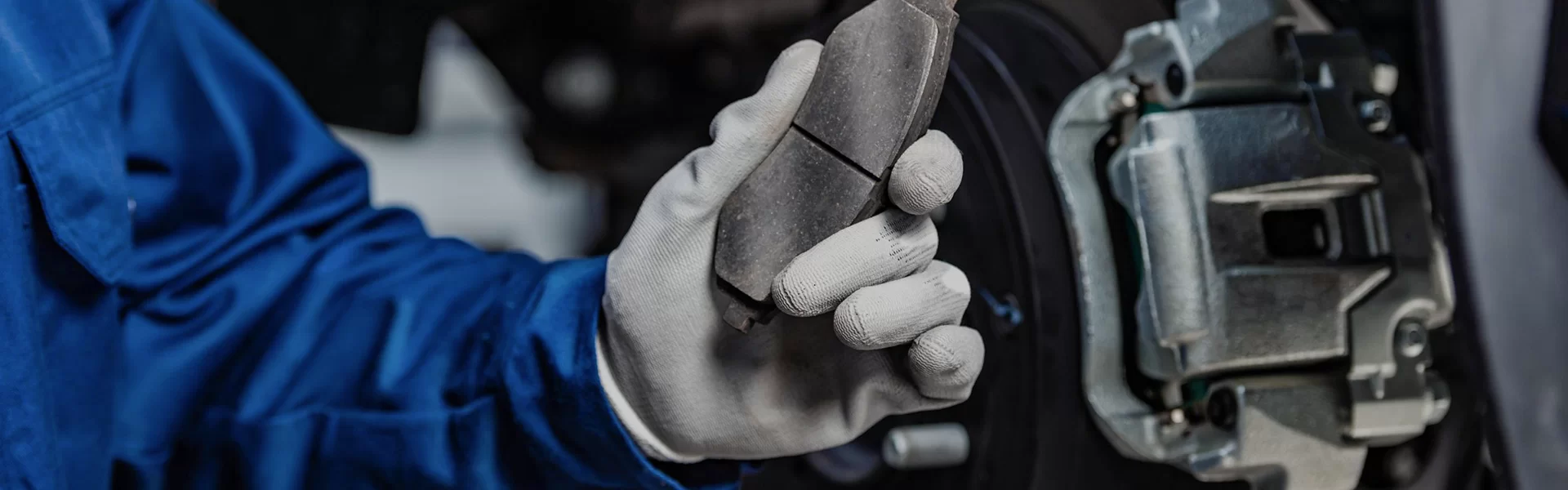
To get a realistic view of the car brake replacement cost, you must split the invoice into parts and labor. Parts include the pads, rotors, and potentially the brake fluid. Labor depends on how many axles are being serviced. For most standard passenger vehicles, a simple pad replacement per axle takes about 1-2 hours of work. However, if the rotors are warped, the technician will need to resurface them or replace them entirely, which adds to the time and the final cost.
While safety should never be compromised, there are smart ways to manage your car brake replacement cost. First, consider sourcing high-quality aftermarket parts rather than paying the dealership premium. Many specialized manufacturers offer OEM-equivalent quality at a fraction of the price. Second, practicing "gentle braking"—avoiding sudden stops and reducing tailgating—can extend the life of your pads by thousands of miles. Finally, performing a DIY inspection with a flashlight can help you catch wear early, allowing you to shop for parts during sales.
Ultimately, the cheapest option isn't always the most economical. Low-grade pads may lower the initial car brake replacement cost, but they often wear down rapidly and can damage the rotors. Investing in professional-grade friction materials ensures a shorter stopping distance and a quieter ride. By choosing reputable suppliers, you reduce the frequency of replacements, effectively lowering your cost per mile and ensuring that your vehicle remains safe for you and your passengers.
Managing your car brake replacement cost requires a blend of proactive maintenance and informed purchasing. By understanding the difference between pad materials and recognizing the early signs of wear, you can avoid expensive emergency repairs. Remember that brakes are the most critical safety system in your car; investing in quality components today prevents costly accidents tomorrow. Stay vigilant, check your brakes regularly, and always choose quality over the lowest price.
On average, brake pads need to be replaced every 30,000 to 70,000 miles. However, this varies wildly based on driving habits. If you drive primarily in heavy city traffic or mountainous terrain, you will likely face the car brake replacement cost more frequently. Highway drivers generally see their pads last much longer. We recommend a professional inspection during every oil change to stay ahead of the wear.
Yes, in many cases, you can replace only the pads if the rotors are still thick enough and are not warped or scored. However, putting new pads on old, uneven rotors can lead to noise and reduced braking efficiency. A mechanic will typically measure the rotor thickness; if it falls below the minimum specification, the car brake replacement cost will increase to include new rotors for safety reasons.
Front brakes do the majority of the stopping work (usually about 60-80% of the braking force) because weight shifts forward during deceleration. Consequently, front pads wear out much faster and are often larger and more expensive than rear pads. This is why you might find the car brake replacement cost for the front axle is slightly higher than for the rear.
The most common cause of "cost creep" is neglecting the brakes until the pads are completely gone. This results in "metal-on-metal" contact, which destroys the rotors and can damage the brake calipers. When the calipers seize or leak, the car brake replacement cost jumps significantly because you are now replacing heavy hydraulic components rather than simple friction pads.