Maintaining your vehicle's stopping power is not just about performance—it is a critical safety requirement. For many car owners, the biggest question when visiting a mechanic is: what is the average brake job cost? Depending on the components needed, the type of vehicle, and the labor rates in your area, prices can vary significantly. Whether you are hearing a high-pitched squeal or feeling a vibration in the pedal, knowing the price breakdown helps you budget effectively and avoid overpaying. In this guide, we will break down everything from basic pad replacements to full rotor resurfacing.

Several variables determine the final invoice when you get your brakes serviced. First is the vehicle type; a heavy-duty pickup truck requires larger, more expensive pads and rotors than a compact sedan. Second is the scope of work; a "brake job" can mean simply replacing the pads or a complete overhaul including calipers and fluid. Third is the material quality; ceramic pads typically cost more than semi-metallic ones but offer longer life and less noise. By understanding these variables, you can better estimate the average brake job cost for your specific make and model.
Pro Tip: Always ask for an itemized quote. This allows you to see exactly how much is being charged for parts versus labor, ensuring transparency in the pricing.
Not every visit to the shop requires a full replacement. Sometimes, a simple pad swap is sufficient, while other times the rotors have become warped and need attention. To give you a clearer picture, we have compiled the estimated price ranges for the most common braking services. Keep in mind that these figures represent the average brake job cost across various service centers.
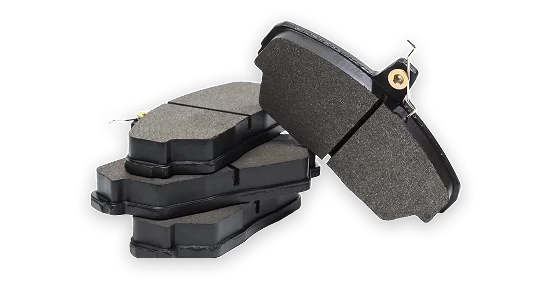
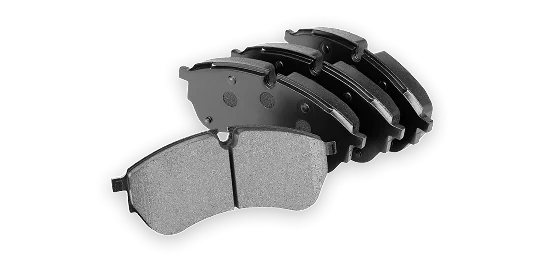
When discussing the average brake job cost, the choice of pad material is the most significant decision a consumer makes. Ceramic pads are quiet and produce less dust, making them ideal for daily commuters. In contrast, semi-metallic pads provide superior stopping power for towing or high-performance driving but wear down faster and can be noisier. Choosing the right material ensures you aren't just paying for a service, but investing in the longevity of your vehicle's braking system.
Quick Comparison Guide:
• Ceramic: Low noise, long life, higher initial cost.
• Semi-Metallic: High heat resistance, aggressive bite, more brake dust.
• Organic: Softest feel, cheapest, shortest lifespan.
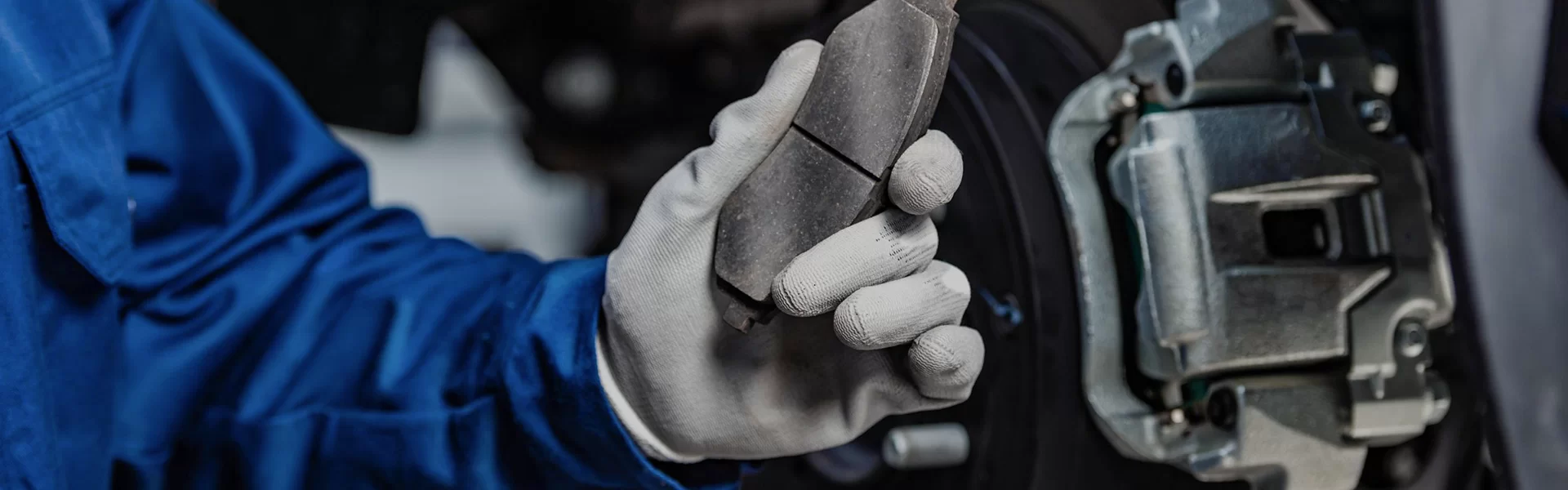
Preventative maintenance is the most effective way to keep your average brake job cost low. For example, replacing pads as soon as they reach the wear limit prevents the metal backing from scoring the rotors. If you catch the wear early, you only pay for pads rather than a full rotor replacement. Additionally, practicing smooth braking habits—avoiding sudden stops and reducing reliance on the brake pedal through engine braking—can extend the life of your components by thousands of miles.

Waiting until your brakes fail completely is a recipe for a very expensive repair bill. Being proactive allows you to manage the average brake job cost by addressing small issues before they become systemic failures. Common red flags include a "pulsing" sensation in the brake pedal (indicating warped rotors), a grinding metal-on-metal sound, or the vehicle pulling to one side during braking (suggesting a stuck caliper). Regular inspections during oil changes are the best way to monitor pad thickness.
Some car enthusiasts prefer to handle their own brake work to avoid labor fees. While the parts cost remains the same, the total expenditure drops significantly. However, professional service offers a warranty and the assurance that the system has been bled and torqued to factory specifications. For most, the peace of mind provided by a certified technician justifies the average brake job cost. If you are not experienced with hydraulic systems, professional installation is always the safest route.
While the average brake job cost can seem daunting at first glance, it is a necessary investment in your safety. By choosing the right materials and sticking to a preventative maintenance schedule, you can avoid the most expensive "emergency" repairs. Whether you opt for premium ceramic pads or a full rotor overhaul, the goal is a reliable, responsive braking system that protects you and your passengers on every journey.
Most vehicles require brake pad replacement every 30,000 to 70,000 miles, though this varies wildly based on driving habits. City drivers who stop-and-go frequently will see their average brake job cost occur more often than highway commuters. We recommend a visual inspection every 10,000 miles to avoid unexpected failures and to ensure you can plan for the cost in advance.
Yes, if your rotors are still thick enough and have not been warped or deeply scored, you can simply replace the pads. This significantly lowers the average brake job cost. However, putting new pads on old, uneven rotors can lead to noise, vibrations, and reduced braking efficiency. A professional technician will measure the rotors with a micrometer to determine if they can be resurfaced or if replacement is necessary.
Price discrepancies usually stem from the quality of parts used and the labor rates of the shop. Dealerships often charge a higher hourly rate and use OEM (Original Equipment Manufacturer) parts, which increases the average brake job cost. Independent shops may use high-quality aftermarket parts that offer similar performance at a lower price point. Always ensure that "cheap" quotes aren't cutting corners on critical components like brake fluid or hardware clips.
Ceramic pads generally have a higher upfront cost, which slightly raises the initial average brake job cost. However, they typically last longer and are gentler on the rotors, potentially saving you money over the long term by extending the time between rotor replacements. Semi-metallic pads are often cheaper to buy but can cause rotors to wear faster due to their harder composition.