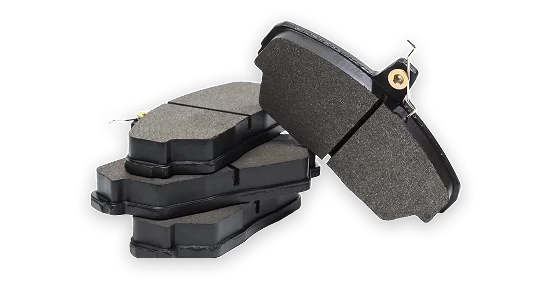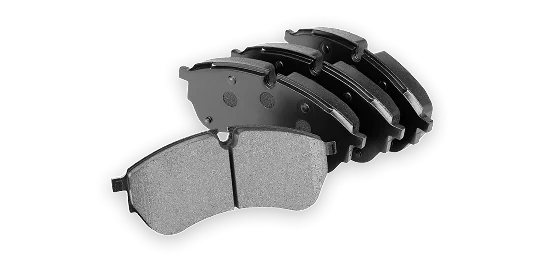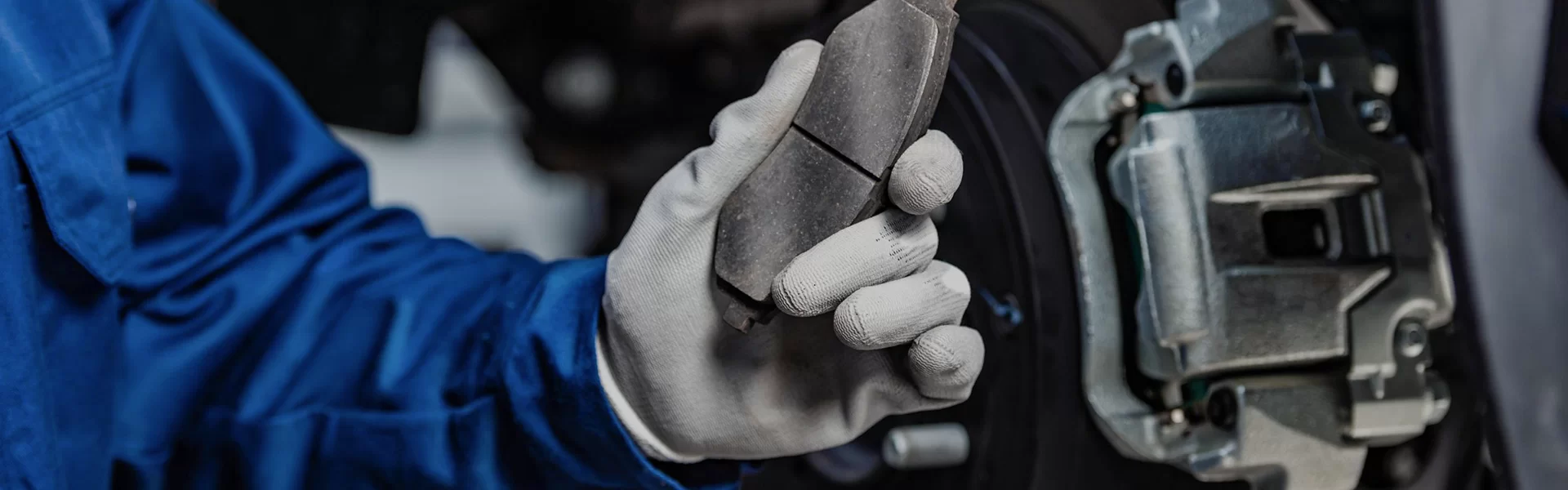
Ensuring your vehicle's braking system is in top condition is not just about maintenance; it is about safety. Many car owners often wonder about the rear brake replacement cost and what factors influence the final bill at the mechanic. While front brakes typically wear out faster due to the weight distribution during braking, rear brakes still play a critical role in stability and stopping power. Whether you are hearing a high-pitched squeal or feeling a vibration in the pedal, knowing the typical price range helps you budget effectively and avoid overpaying for essential repairs. In this guide, we will break down the costs of parts and labor to give you a clear financial picture.

Several variables determine the total rear brake replacement cost. First is the type of vehicle; luxury cars and heavy-duty trucks require more expensive, high-performance pads and rotors than compact economy cars. Second is the type of brake system; disc brakes are more common today but can be more expensive to service than older drum brake systems. Additionally, the quality of parts—whether you choose OEM (Original Equipment Manufacturer) or high-quality aftermarket options from KY Brake Pad—will significantly shift the price. Finally, labor rates vary by region and whether you visit a specialized dealership or a local independent garage.
In many cases, you may only need to replace the brake pads. However, if the rotors are warped or excessively worn, a full replacement is necessary for safety. A "pad-only" job is significantly cheaper and faster. Conversely, a full overhaul including rotors and calipers (if needed) increases the rear brake replacement cost. To help you visualize the difference, we have provided a cost comparison table below based on average industry data.
Ignoring the signs of brake wear can lead to much higher repair bills later on. For instance, if you delay replacing pads, you will almost certainly destroy the rotors, increasing your rear brake replacement cost. Key warning signs include audible screeching or grinding noises coming from the back of the car, a spongy brake pedal, or the vehicle pulling to one side during deceleration. Regular inspections every 10,000 miles can help you catch these issues early, allowing for simple pad swaps rather than expensive full-system overhauls.

While it may be tempting to choose the cheapest possible parts to lower the immediate rear brake replacement cost, this is often a false economy. Cheap pads wear down faster and can cause premature rotor wear. By investing in premium ceramic or semi-metallic pads from KY Brake Pad, you ensure a longer lifespan, reduced brake dust, and superior stopping distance. Quality parts reduce the frequency of replacements, ultimately saving you money over the life of your vehicle.
For the mechanically inclined, doing the work yourself can slash the rear brake replacement cost by eliminating labor fees entirely. A basic set of tools and a service manual can make a DIY job possible. However, brakes are a critical safety component. Professional technicians have the equipment to properly bleed the brake lines and ensure the calipers are functioning correctly. If you are not 100% confident in your ability, the peace of mind provided by a professional installation is well worth the cost.
While the rear brake replacement cost can vary based on your vehicle and the extent of the wear, it is a necessary investment in your vehicle's safety. By staying proactive with inspections and choosing high-quality components from trusted suppliers like KY Brake Pad, you can minimize long-term expenses and ensure a smooth, safe ride. Always prioritize quality over the lowest price when it comes to the parts that stop your car.
Rear brakes typically handle less of the braking load compared to the front brakes, which bear the brunt of the vehicle's weight shifting forward during a stop. Because they experience less friction and heat, rear pads and rotors often last longer and can sometimes be smaller or simpler in design, which slightly lowers the overall rear brake replacement cost. However, this varies by vehicle, especially in AWD or performance cars.
Yes, you can replace only the pads if the rotors are still within the manufacturer's thickness specifications and are not warped or scored. A mechanic will typically use a micrometer to check the rotor's thickness. If the rotors are in good shape, you can significantly reduce your rear brake replacement cost. However, putting new pads on worn rotors can lead to noise and reduced performance.
It is recommended to have your brakes inspected every 6 months or during every oil change. Early detection of thin pads allows you to replace them before they damage the rotors, which is the best way to keep the rear brake replacement cost low. Depending on your driving habits (e.g., city vs. highway), pads usually last between 30,000 to 70,000 miles.
Ceramic pads are generally quieter, produce less dust, and are gentler on rotors, which can lower the long-term rear brake replacement cost. Semi-metallic pads offer superior stopping power and heat dissipation, making them ideal for heavy towing or high-performance driving, although they wear down rotors faster and can be noisier.