Brake parts are fundamental components of any vehicle or machinery equipped with a braking system, playing a critical role in ensuring safety and operational efficiency. From the humble brake pads to complex hydraulic systems, these parts work in unison to decelerate or stop movement. The global demand for high-quality brake parts is consistently high, driven by the ever-increasing number of vehicles on the road, alongside stringent safety regulations and the evolving automotive industry.
The market for brake parts is a multi-billion dollar industry, significantly impacted by factors like vehicle production, maintenance schedules, and the rise of electric vehicles which employ regenerative braking systems, creating new demands on brake part technology. Understanding the intricacies of brake parts – their composition, function, and maintenance – is paramount for mechanics, vehicle manufacturers, and consumers alike.
Innovation within this sector is constant, with advancements in materials science and engineering leading to enhanced performance, durability, and reduced environmental impact. This continuous development highlights the importance of staying informed about the latest technologies and trends in brake parts to optimize safety and reliability.

The Importance of Brake Parts
The significance of reliable brake parts cannot be overstated. They are directly responsible for preventing accidents and ensuring the safety of drivers, passengers, and pedestrians. A malfunctioning braking system can lead to catastrophic consequences, emphasizing the necessity of regular maintenance and the use of high-quality brake parts.
Beyond safety, the performance of brake parts impacts fuel efficiency and overall vehicle control. Worn or faulty components can increase stopping distances, reduce braking power, and contribute to premature wear on other vehicle systems. Therefore, investing in durable and effective brake parts is a crucial aspect of responsible vehicle ownership and operation.
Defining Brake Parts and Their Relevance
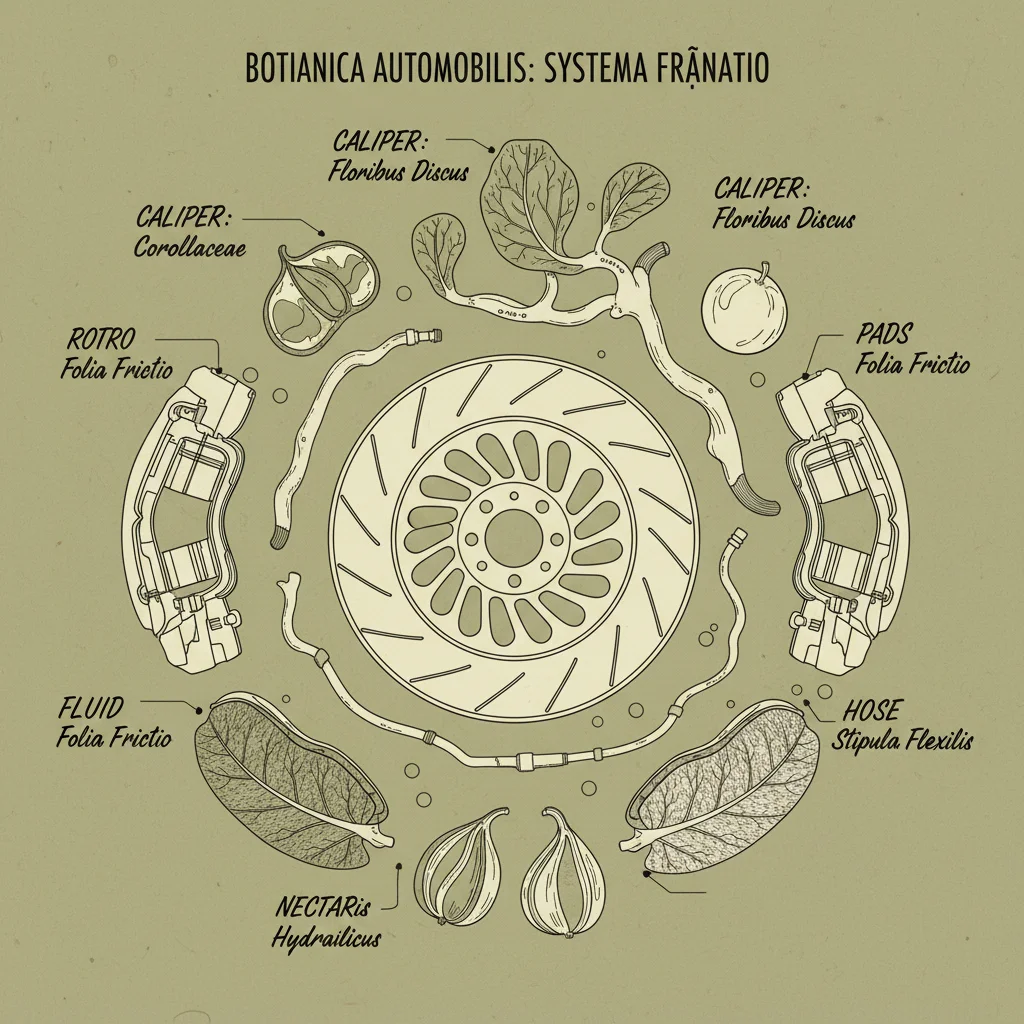
Brake parts encompass all the components that work together to slow or stop a vehicle's motion. This includes, but is not limited to, brake pads, rotors, drums, calipers, master cylinders, brake lines, and brake fluid. Each component plays a specific role in the overall braking process, and the integrity of each is vital for optimal performance.
In the modern industrial landscape, brake parts are essential across numerous sectors. Beyond automobiles, they are integral to the operation of trains, airplanes, heavy machinery, and even specialized industrial equipment. The demand for precision and reliability in these applications drives ongoing advancements in brake part design and manufacturing.
The relevance extends to humanitarian needs as well; dependable braking systems are crucial for emergency vehicles, transport logistics in disaster relief efforts, and ensuring the safe operation of equipment used in challenging environments. The ability to reliably stop a vehicle or machine can literally be a matter of life and death.
Core Components of Effective Brake Systems
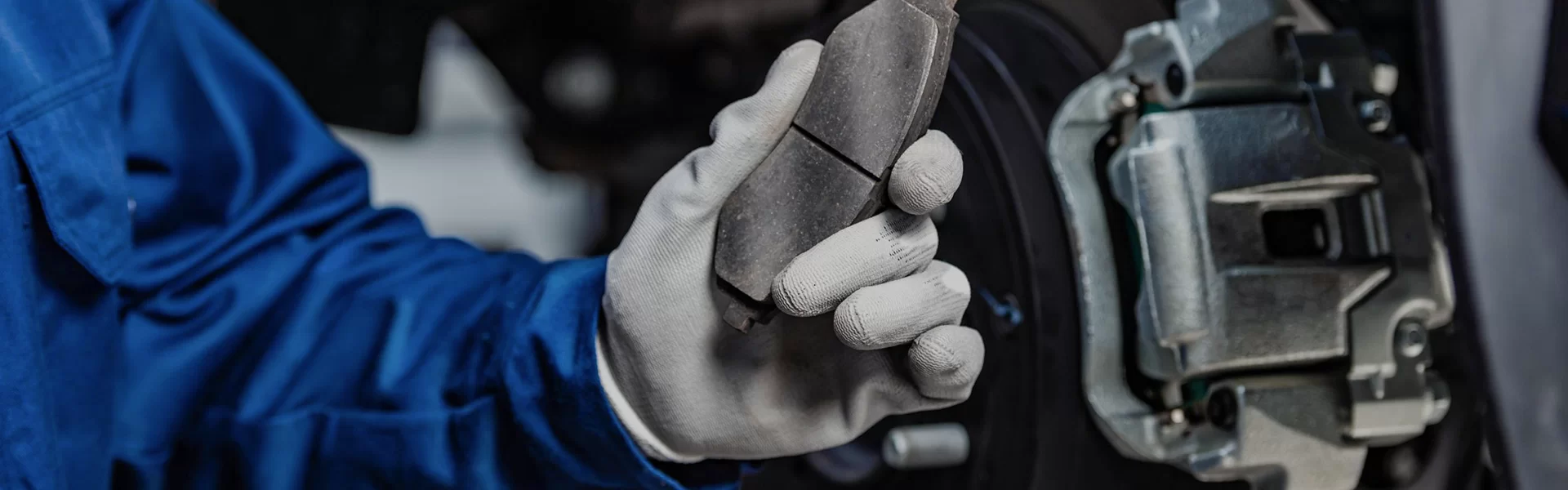
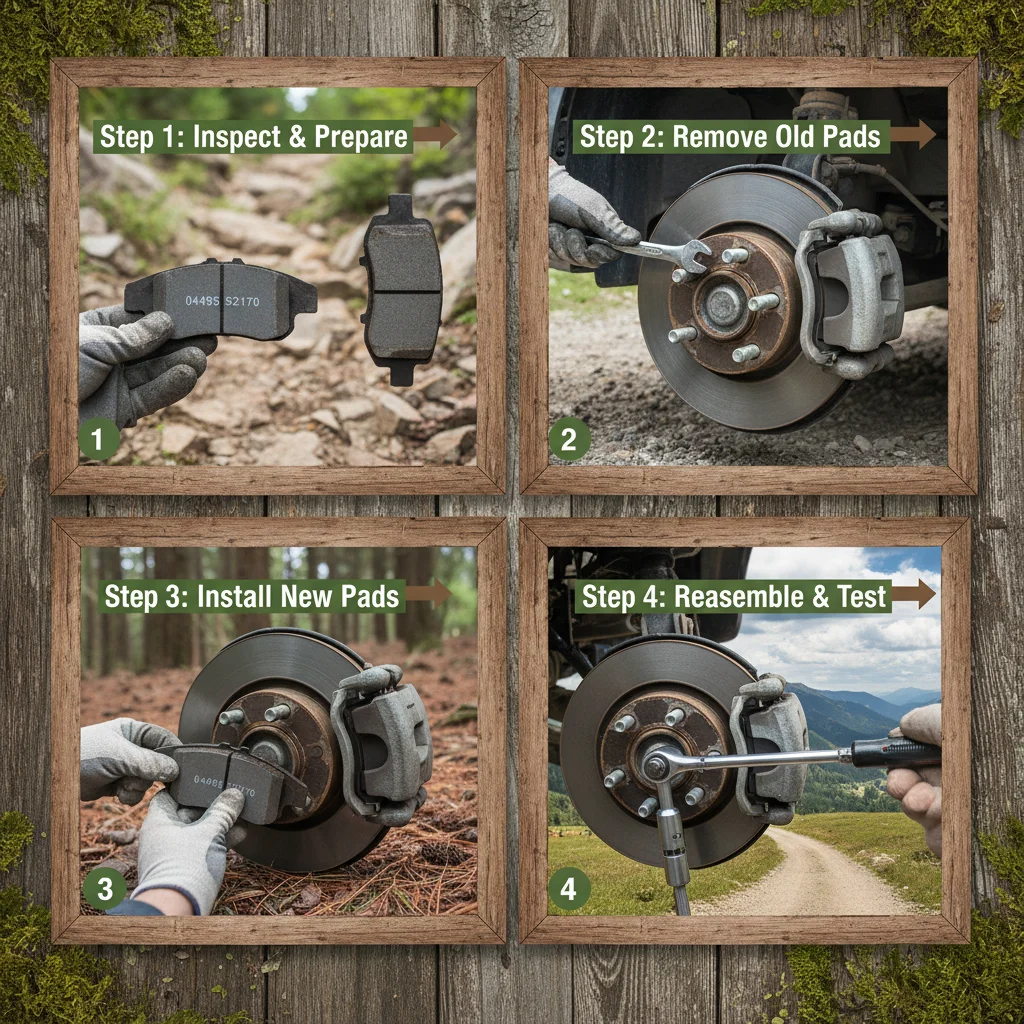
An effective brake system relies on several core components working in harmony. Brake pads, often made from composite materials, create friction against the rotor or drum to slow the vehicle. Rotors and drums are the surfaces against which the brake pads press, and their condition directly affects braking performance.
The hydraulic system, including the master cylinder and brake lines, transmits the force from the brake pedal to the calipers, which then apply pressure to the brake pads. Finally, brake fluid acts as the medium for this hydraulic pressure. Maintaining the integrity of each of these components, and utilizing quality brake parts, is critical for safe and efficient braking.
The evolution of braking systems has seen the introduction of advanced technologies like Anti-lock Braking Systems (ABS) and Electronic Stability Control (ESC), which further enhance safety and control. However, these systems still rely on the fundamental performance of the core brake components.
Key Factors Influencing Brake Part Performance
Several key factors significantly impact the performance and longevity of brake parts. Durability is paramount, as these components are subjected to extreme heat, pressure, and wear during operation. Materials used in their construction, such as carbon ceramic or high-performance alloys, directly influence their ability to withstand these stresses.
Friction coefficient is another critical factor, determining the amount of grip between the brake pads and rotor. A consistent and reliable friction coefficient is essential for predictable braking performance. Heat dissipation is also crucial, as excessive heat can lead to brake fade – a reduction in braking power.
Brake Part Performance Ratings by Method
Global Applications of Brake Parts
Brake parts are universally applied across various industries and regions. In the automotive sector, they are vital for passenger vehicles, commercial trucks, and buses globally. Europe and North America traditionally represent significant markets, with growing demand in Asia-Pacific due to increasing vehicle ownership.
The rail industry relies heavily on robust brake systems for trains of all types, from high-speed passenger trains to freight locomotives. Aerospace utilizes advanced brake parts in aircraft landing systems, demanding exceptional reliability and performance. Furthermore, industries like mining, construction, and manufacturing utilize brake parts in heavy machinery and equipment.
Advantages and Long-Term Value of Quality Brake Parts
Investing in high-quality brake parts yields numerous tangible benefits. Reduced maintenance costs are a significant advantage, as durable parts require less frequent replacement. Improved safety is paramount, minimizing the risk of accidents and protecting lives. Enhanced vehicle performance and fuel efficiency are also notable advantages.
From a long-term perspective, the trust and reliability associated with reputable brake parts contribute to brand loyalty and customer satisfaction. The peace of mind knowing your braking system is dependable is an invaluable benefit, fostering confidence on the road and in demanding industrial applications.
Future Trends and Innovations in Brake Technology
The future of brake technology is focused on enhancing safety, efficiency, and sustainability. Regenerative braking systems, commonly found in electric and hybrid vehicles, are gaining prominence, recovering energy during deceleration. Advanced materials, such as carbon ceramic composites, are being developed to reduce weight and improve heat dissipation.
Furthermore, innovations in sensor technology and data analytics are paving the way for predictive maintenance, allowing for proactive replacement of brake parts before they fail. The integration of brake systems with autonomous driving technologies is also a key area of development, requiring even greater precision and reliability.
The trend towards electrification and automation is driving demand for new brake solutions, including electro-mechanical brakes and brake-by-wire systems, which offer enhanced control and responsiveness.
Challenges and Solutions
Despite advancements, challenges remain in the brake parts industry. One common issue is the proliferation of counterfeit parts, which pose a significant safety risk. Ensuring supply chain integrity and implementing robust quality control measures are crucial to combat this problem.
Another challenge is the environmental impact of brake wear particles, which contribute to air pollution. Developing more sustainable materials and implementing effective dust control systems are important solutions.
Finally, the increasing complexity of braking systems requires highly skilled technicians for proper maintenance and repair. Investing in training and education programs is essential to ensure a qualified workforce capable of handling these advanced technologies.
Summary of Challenges and Potential Solutions for Brake Parts
| Challenge |
Severity (1-10) |
Potential Solution |
Implementation Cost (Low/Med/High) |
| Counterfeit Brake Parts |
9 |
Enhanced Supply Chain Tracking & Authentication |
Med |
| Brake Dust Pollution |
7 |
Development of Low-Dust Brake Pad Materials |
High |
| Technician Skill Gap |
6 |
Increased Investment in Technical Training Programs |
Med |
| Heat Dissipation Issues |
5 |
Advanced Rotor & Drum Designs |
High |
| Material Degradation |
8 |
New Alloy Development |
High |
| Integration with Autonomous Systems |
4 |
Development of Brake-by-Wire Technology |
Med |
FAQS
The lifespan of brake pads varies significantly depending on driving habits, vehicle type, and the quality of the pads themselves. Generally, brake pads can last anywhere from 25,000 to 70,000 miles. Aggressive braking, city driving, and heavier vehicles tend to wear pads down more quickly. Regular inspections are crucial to determine when replacement is needed, and utilizing quality brake parts can extend their lifespan.
Brake rotors typically last longer than brake pads, but they still require periodic replacement. Most manufacturers recommend replacing rotors every 30,000 to 70,000 miles, or whenever the pads are replaced if they have been significantly worn. Rotors can be resurfaced (turned) if they meet the minimum thickness specifications, but this is not always possible. Warped or severely damaged rotors must be replaced.
Several signs indicate potential brake part failure. These include squealing or grinding noises when braking, a spongy or soft brake pedal, increased stopping distances, pulling to one side during braking, and vibrations felt through the steering wheel or brake pedal. Ignoring these signs can lead to dangerous driving conditions.
While not always mandatory, it is generally recommended to replace brake pads and rotors simultaneously. Replacing pads on worn rotors can lead to reduced braking performance and premature pad wear. Rotors often develop grooves and wear patterns over time, and replacing them with the pads ensures a smooth, consistent braking surface. This maximizes the longevity of the new brake pads.
The type of brake fluid required depends on your vehicle’s specifications. Common types include DOT 3, DOT 4, and DOT 5.1. Using the incorrect fluid can damage the braking system. Always refer to your vehicle’s owner’s manual to determine the correct brake fluid type. It's also important to replace brake fluid periodically, as it absorbs moisture over time, reducing its effectiveness.
Ceramic brake pads generally offer several advantages over organic brake pads. They produce less dust, have a longer lifespan, and provide more consistent braking performance, especially in a wider range of temperatures. While typically more expensive upfront, ceramic pads often represent a better value in the long run. Organic pads are generally quieter but wear faster and produce more dust.
Conclusion
In conclusion, brake parts are indispensable components of vehicle and machinery safety, playing a critical role in preventing accidents and ensuring reliable operation. Understanding their function, maintenance, and the latest technological advancements is paramount for vehicle owners, mechanics, and manufacturers alike. Investing in high-quality brake parts not only enhances safety but also contributes to long-term cost savings and environmental sustainability.
Looking ahead, continued innovation in materials science, sensor technology, and braking systems will drive further improvements in performance, efficiency, and safety. Staying informed about these developments and prioritizing regular maintenance will be essential for maximizing the benefits of brake technology and ensuring safe operation for years to come. Visit our website at www.kybrakepad.com to learn more about our comprehensive range of brake parts and solutions.