Understanding the cost of getting brake pads replaced is crucial for vehicle owners, impacting safety, maintenance budgets, and long-term car ownership expenses. Regularly checking and replacing brake pads prevents costly repairs down the line and ensures optimal stopping power, directly contributing to road safety. The variations in this cost are influenced by several factors, making informed decision-making vital for car maintenance.
Globally, the automotive aftermarket, including brake pad replacements, is a multi-billion dollar industry. Statistics show that brake pad replacement is one of the most frequent maintenance tasks performed on vehicles worldwide. This high demand underscores the importance of understanding the factors that influence the cost of getting brake pads replaced, empowering consumers to budget effectively and choose appropriate service options.
The increasing complexity of modern vehicles and the availability of diverse brake pad materials further contribute to the variability in pricing. Therefore, possessing knowledge about the components impacting the overall price – labor, parts quality, vehicle type – is essential for responsible vehicle ownership. This information allows individuals to navigate the market with confidence.
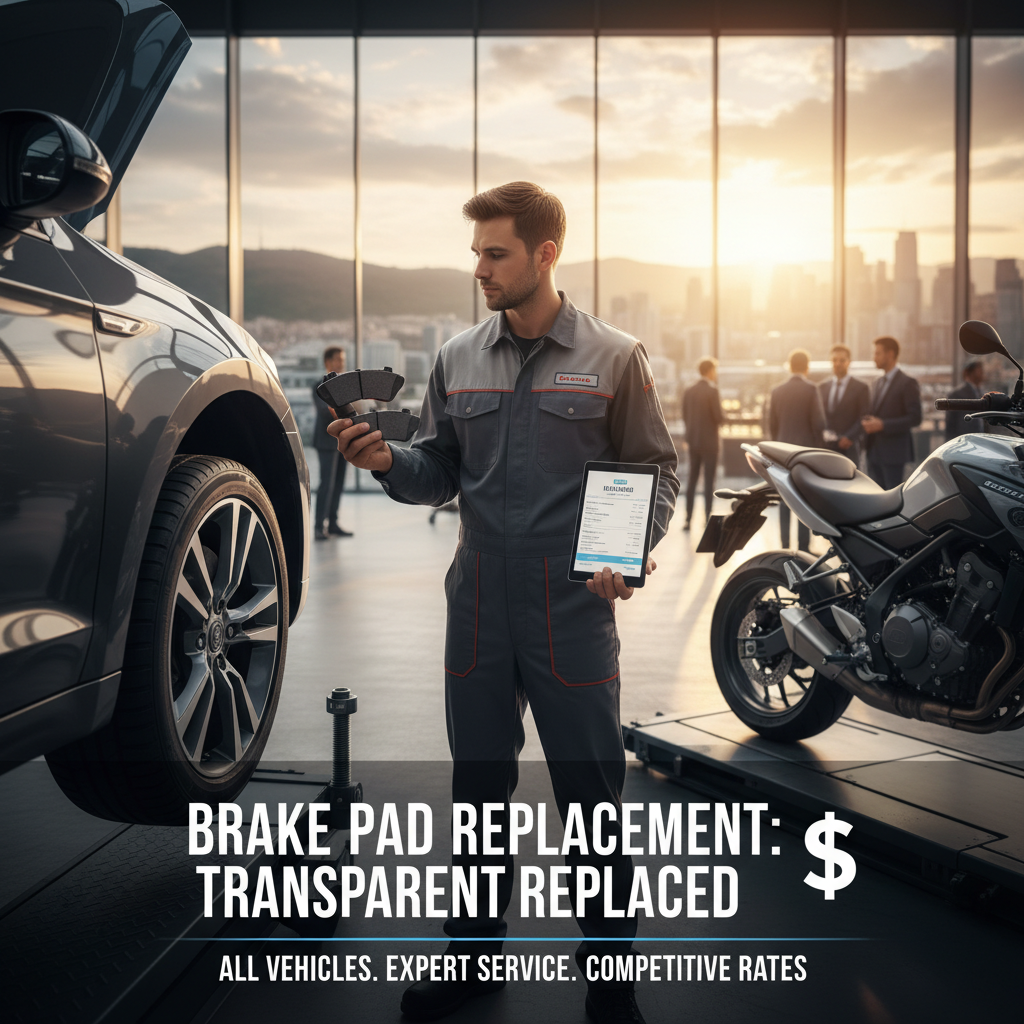
Defining the Cost of Brake Pad Replacement
The cost of getting brake pads replaced isn't a single number. It encompasses the price of the brake pads themselves, the labor charges for installation, and potentially additional costs for related services like rotor resurfacing or replacement. Understanding these components is the first step in predicting and managing expenses. The initial cost often doesn’t reflect the entire expense.
Essentially, the cost reflects the price of maintaining a crucial safety component of your vehicle. The goal is not only to achieve a functional repair but also ensure a long-lasting and reliable braking system. Therefore, investing in quality parts and professional installation can translate to long-term savings and improved safety.
Factors Influencing Replacement Costs
Several key factors influence the cost of getting brake pads replaced. Labor rates vary significantly based on location and the mechanic's experience. Premium brake pad brands, known for their longevity and performance, typically command a higher price than standard options. Additionally, the condition of your rotors plays a significant role; if they are worn or damaged, they may need to be resurfaced or replaced, adding to the total cost.
Vehicle type is another crucial consideration. Luxury vehicles or those with high-performance braking systems often require more expensive brake pads and may involve more complex installation procedures, increasing labor costs. Furthermore, some vehicles require specialized tools or expertise, which can also contribute to higher prices.
Finally, unexpected issues discovered during the brake pad replacement process, such as damaged calipers or brake lines, can lead to additional repair costs. A thorough inspection before agreeing to the service is highly recommended to avoid surprise charges.
Vehicle Type and Brake System Complexity
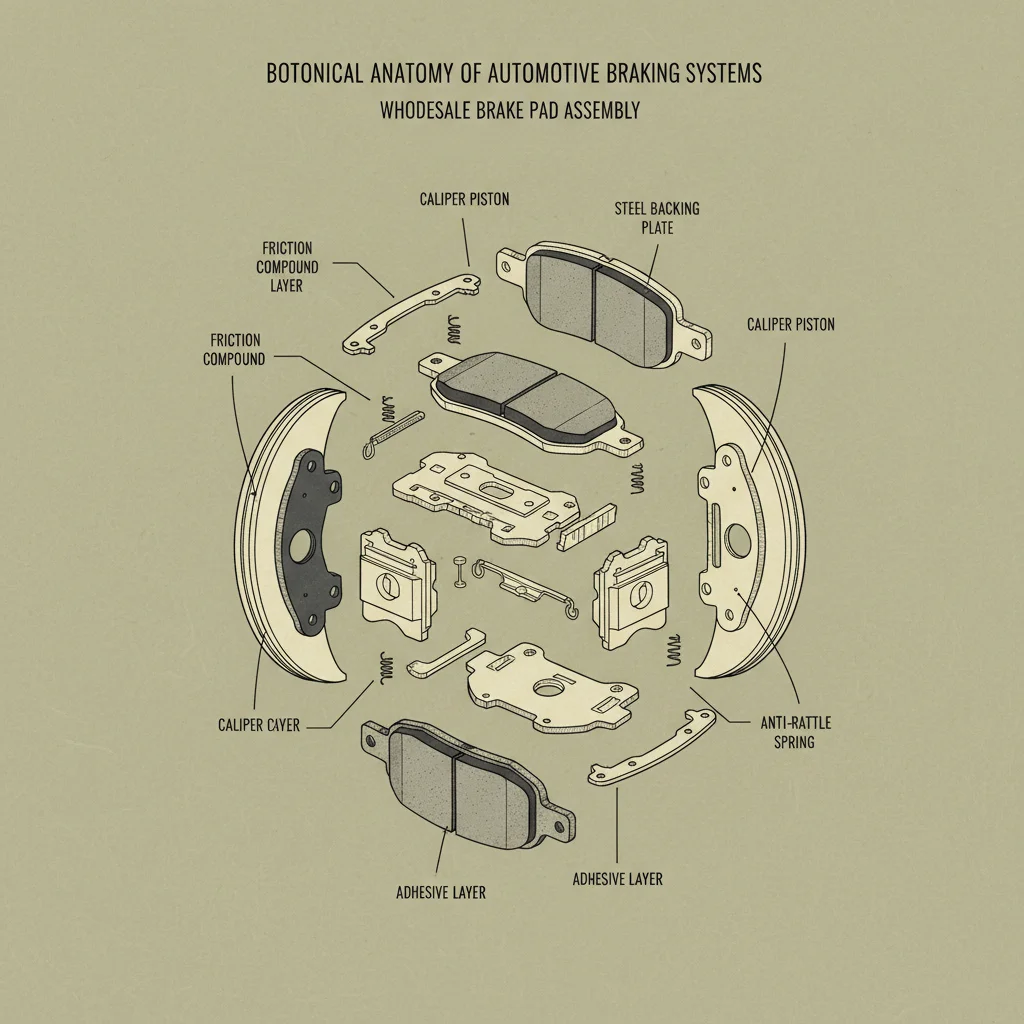
The cost of getting brake pads replaced varies dramatically based on the vehicle. Simple drum brake systems, found on older or less expensive vehicles, are typically cheaper to service than disc brake systems. Luxury cars and sports cars often have more sophisticated braking systems with multiple pistons per caliper, requiring more labor and potentially more expensive pads.
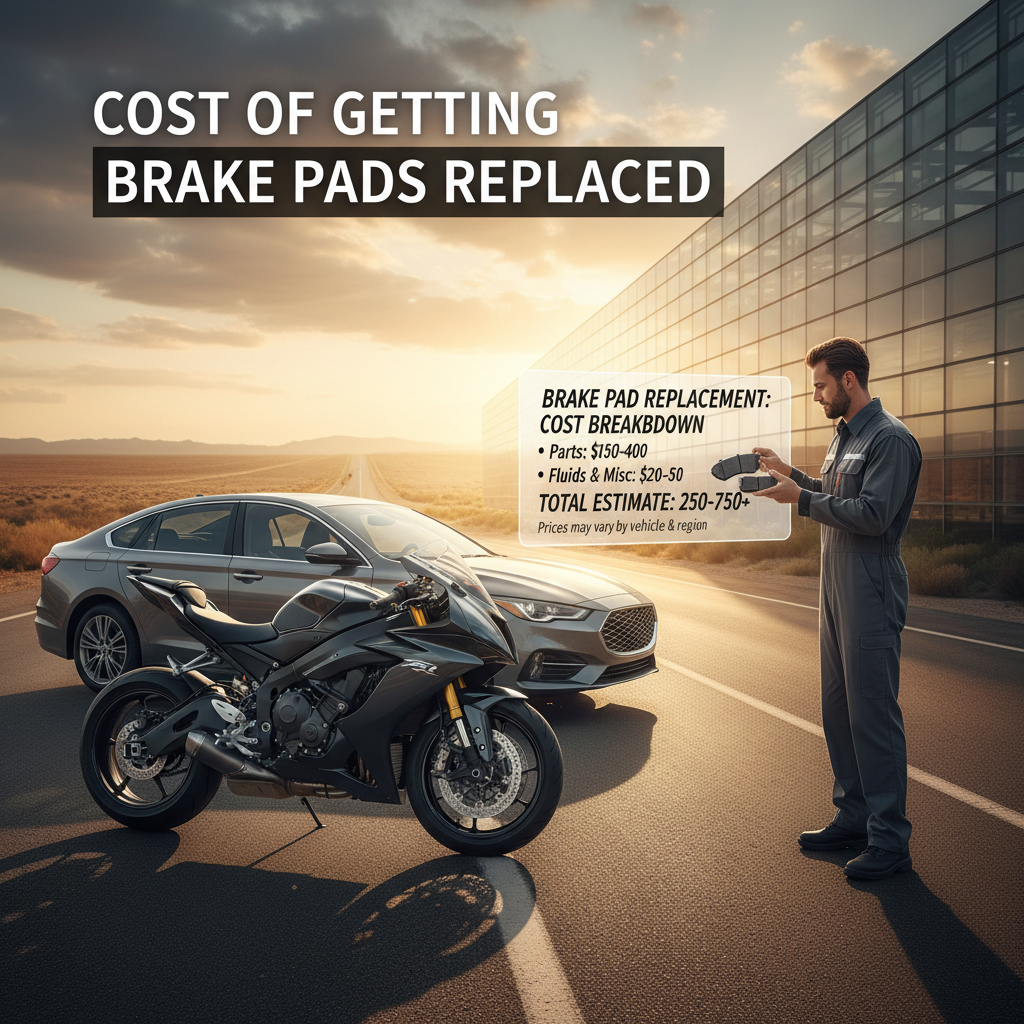
Vehicles equipped with electronic stability control (ESC) or anti-lock braking systems (ABS) may require specialized diagnostic procedures during brake pad replacement to ensure these systems function correctly. These additional steps can add to the overall labor cost. For example, a basic front brake pad replacement on a compact car might cost $150-$300, while the same service on a high-end SUV could easily exceed $500.
Understanding your vehicle's specific brake system is vital. Consult your owner's manual or a trusted mechanic to determine the appropriate type of brake pads and the expected labor time for replacement. This preparation will enable you to compare quotes accurately and make an informed decision.
Regional Cost Variations
The cost of getting brake pads replaced is significantly influenced by geographical location. Labor rates vary widely across different states and cities, with metropolitan areas generally having higher prices than rural areas. The cost of living and competition among auto repair shops contribute to these regional differences.
Regional Variations in Brake Pad Replacement Cost
Comparing Brake Pad Material Costs
The material used in brake pads significantly impacts the cost of getting brake pads replaced. Organic brake pads are typically the least expensive option, but they wear down quickly and produce more dust. Semi-metallic pads offer a good balance of performance and price, while ceramic pads are the most expensive but provide superior stopping power, reduced noise, and minimal dust.
Choosing the right brake pad material depends on your driving habits and budget. If you primarily drive in city traffic, organic or semi-metallic pads may suffice. However, if you frequently engage in aggressive driving or live in a hilly area, ceramic pads are a worthwhile investment.
Long-Term Cost Considerations
While the initial cost of getting brake pads replaced is important, it's crucial to consider long-term expenses. Cheaper brake pads may wear down faster, requiring more frequent replacements, ultimately costing you more in the long run. Investing in high-quality pads can extend their lifespan and reduce the need for frequent servicing.
Regular brake inspections are also essential for preventing costly repairs. Identifying and addressing minor issues, such as worn rotors or leaking brake fluid, early on can prevent them from escalating into major problems. Proactive maintenance saves money and ensures your vehicle's safety.
Furthermore, consider the potential impact on resale value. A well-maintained braking system can increase your vehicle's appeal to potential buyers.
Cost-Saving Strategies for Brake Pad Replacement
There are several strategies to manage the cost of getting brake pads replaced. Shopping around for quotes from different auto repair shops can yield significant savings. Online comparison tools and local mechanic directories can help you find competitive pricing.
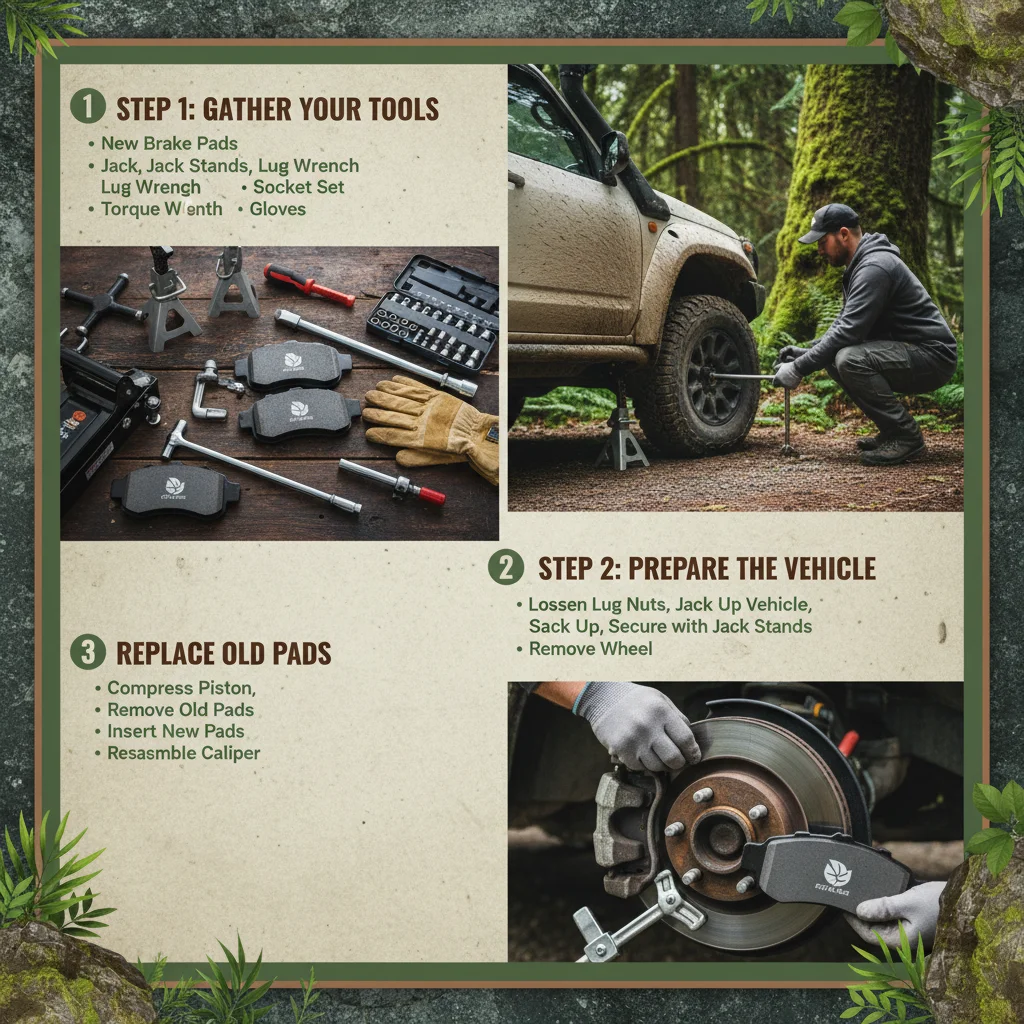
Consider performing minor brake maintenance tasks yourself, such as checking brake fluid levels and visually inspecting brake pads for wear. However, if you're not comfortable working on your brakes, it's best to leave the replacement to a professional.
Finally, explore warranty options. Many brake pad manufacturers offer warranties on their products, providing coverage against premature wear or defects.
A Comparison of Cost-Saving Strategies for Brake Pad Replacement
| Strategy |
Initial Cost Impact |
Long-Term Savings Potential |
Skill Level Required |
| Shopping for Quotes |
Moderate |
High |
Low |
| DIY Brake Fluid Checks |
Minimal |
Moderate |
Low |
| Choosing OEM vs. Aftermarket Pads |
Variable |
Moderate |
Moderate |
| Preventative Maintenance |
Low |
High |
Moderate |
| Utilizing Warranty Options |
None |
High |
Low |
| Comparing Pad Materials |
Moderate |
Moderate |
Low |
FAQS
The average cost to replace brake pads can range from $150 to $800 per axle, depending on your vehicle type, brake pad material, and location. Labor costs typically make up a significant portion of the total expense. It is always best to get quotes from multiple mechanics to compare pricing.
Brake pad replacement frequency varies based on driving habits and conditions. Generally, brake pads should be replaced every 30,000 to 70,000 miles. Regular inspections are crucial to determine wear and tear. Indicators include squealing noises, grinding sounds, or a decrease in braking performance.
Not always, but it’s often recommended. Rotors can become warped or scored over time, affecting braking performance. If your rotors are significantly damaged, resurfacing or replacing them is essential for optimal braking. Many mechanics suggest replacing rotors with each brake pad change as a preventative measure.
Common brake pad materials include organic, semi-metallic, and ceramic. Organic pads are the least expensive but wear quickly. Semi-metallic pads offer a balance of performance and cost. Ceramic pads provide superior stopping power, reduced noise, and minimal dust, but are the most expensive.
Replacing brake pads is a moderately complex DIY project. If you have experience working on cars and the necessary tools, it is possible. However, incorrect installation can compromise braking safety. If you are unsure, it’s best to leave the job to a professional mechanic.
Shop around for quotes from multiple auto repair shops. Look for coupons or discounts. Consider aftermarket brake pads as a more affordable alternative to OEM parts. Regularly maintaining your brakes can also extend their lifespan, reducing replacement frequency, and the overall cost of getting brake pads replaced.
Conclusion
Understanding the cost of getting brake pads replaced is more than just knowing a price tag. It’s about being informed about the factors that influence that cost, from vehicle type and brake pad material to regional labor rates and potential additional repairs. Proactive maintenance, informed decision-making, and careful comparison shopping can significantly reduce expenses and ensure optimal braking safety.
Investing in regular brake inspections and addressing issues promptly will not only save you money in the long run but also protect your safety and the safety of others on the road. Visit our website at www.kybrakepad.com to learn more about brake pad options and find a trusted mechanic in your area.