Brake shoe relining material plays a crucial role in maintaining the safety and efficiency of braking systems across various industries. From heavy-duty vehicles to railway applications, the quality of this material directly impacts stopping power and overall operational reliability. Understanding the nuances of different brake shoe relining material compositions and their application is therefore paramount for engineers, technicians, and fleet managers alike. The global demand for effective and durable braking solutions necessitates continuous innovation in this field.
The importance of brake shoe relining material extends beyond simple functionality. It’s a significant factor in reducing maintenance costs, extending the lifespan of braking components, and minimizing environmental impact through reduced wear and tear. Advances in material science have led to the development of compounds offering superior friction coefficients, heat resistance, and longevity. This impacts the economics of transportation and industrial operations significantly.
Proper selection and application of brake shoe relining material are essential for ensuring optimal braking performance and adhering to safety standards. The global market is driven by factors such as increased vehicle production, stricter safety regulations, and the growing need for cost-effective maintenance solutions. This highlights the ongoing relevance and importance of research and development in the sphere of brake shoe materials.
The Significance of Brake Shoe Relining Material
The efficacy of any braking system is profoundly influenced by the quality of its brake shoe relining material. This component provides the crucial friction necessary to decelerate or stop a vehicle or piece of machinery. The choice of material dictates not only the braking force but also the lifespan of the brake shoes and drums, ultimately impacting maintenance schedules and costs.
Without a reliable brake shoe relining material, even the most sophisticated braking systems can fail, leading to potentially dangerous situations. Ongoing research and development are focused on creating materials that can withstand extreme temperatures, resist wear and tear, and maintain consistent performance under diverse operating conditions, ensuring the highest levels of safety and operational efficiency.
Defining Brake Shoe Relining Material
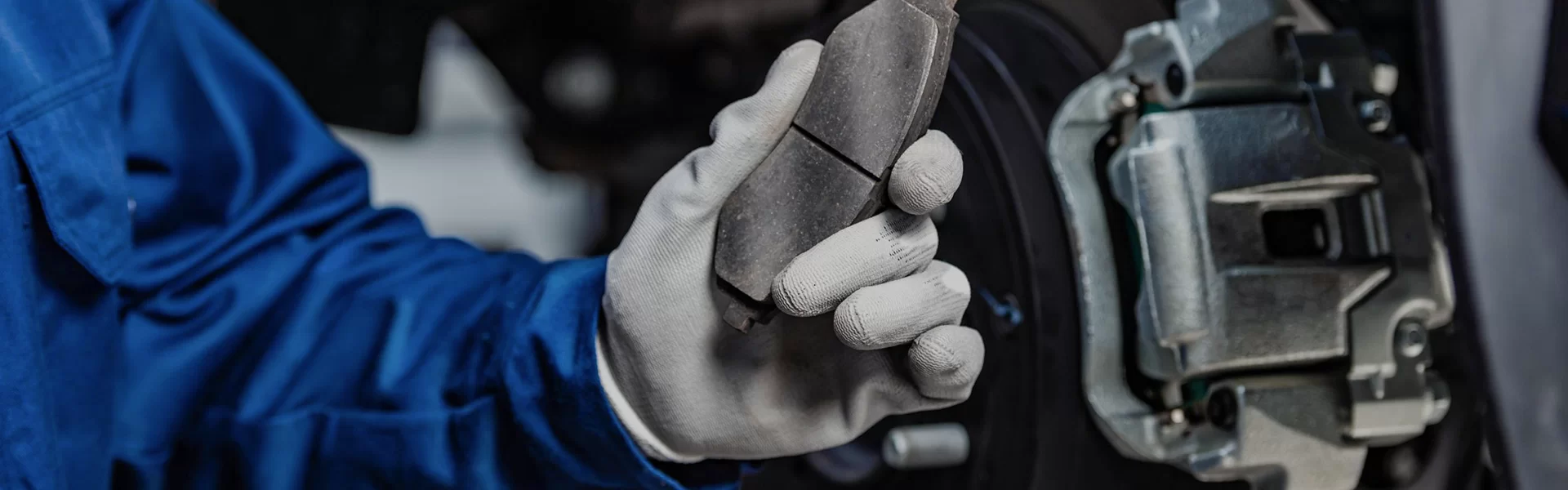
Brake shoe relining material refers to the friction material bonded to the surface of brake shoes. These shoes press against a rotating drum or disc to create the friction needed to slow or stop motion. The material itself is typically a composite of various ingredients, including organic and inorganic fibers, friction modifiers, binders, and fillers. These components are carefully selected and blended to achieve specific performance characteristics.
Historically, asbestos was a common ingredient in brake shoe relining material, valued for its heat resistance and friction properties. However, due to its health risks, asbestos has been largely replaced by safer alternatives. Modern formulations prioritize materials like organic aramid fibers, ceramic fibers, and specialized resins, designed to provide comparable or superior performance without the health hazards.
The modern development of brake shoe relining material has a direct connection to the advancements in industrial safety and efficiency. It’s not just about stopping; it’s about controlled, repeatable stopping power essential for both passenger safety and the reliable operation of complex industrial equipment.
Key Properties of Brake Shoe Relining Material
Several key properties define the effectiveness of brake shoe relining material. The friction coefficient is paramount, determining the braking force generated. Heat resistance is also critical, as braking generates significant heat, and the material must withstand these temperatures without degrading or losing its effectiveness.
Additionally, wear resistance dictates the material’s lifespan and the frequency of relining. The material must also possess good shear strength to prevent delamination, and dimensional stability to maintain consistent performance over time. Environmental factors like moisture and temperature also influence material performance, necessitating formulations suitable for diverse operating environments.
Finally, the material should be compatible with the drum or disc material to prevent corrosion and maintain optimal friction characteristics. The balance of these properties is crucial; for instance, a higher friction coefficient may lead to increased wear, requiring careful material selection based on the specific application.
Durability and Performance Characteristics
The durability of brake shoe relining material is directly linked to its composition and the manufacturing process. Materials with higher densities and stronger bonding agents generally exhibit greater resistance to wear and tear. Regular inspection and timely relining are crucial for maintaining optimal braking performance and preventing damage to the braking system.
Performance characteristics, beyond simple friction, include fade resistance (the ability to maintain performance at high temperatures), recovery characteristics (the speed at which friction returns after a braking event), and noise levels. Advanced formulations aim to minimize brake squeal and provide a smooth, consistent braking feel.
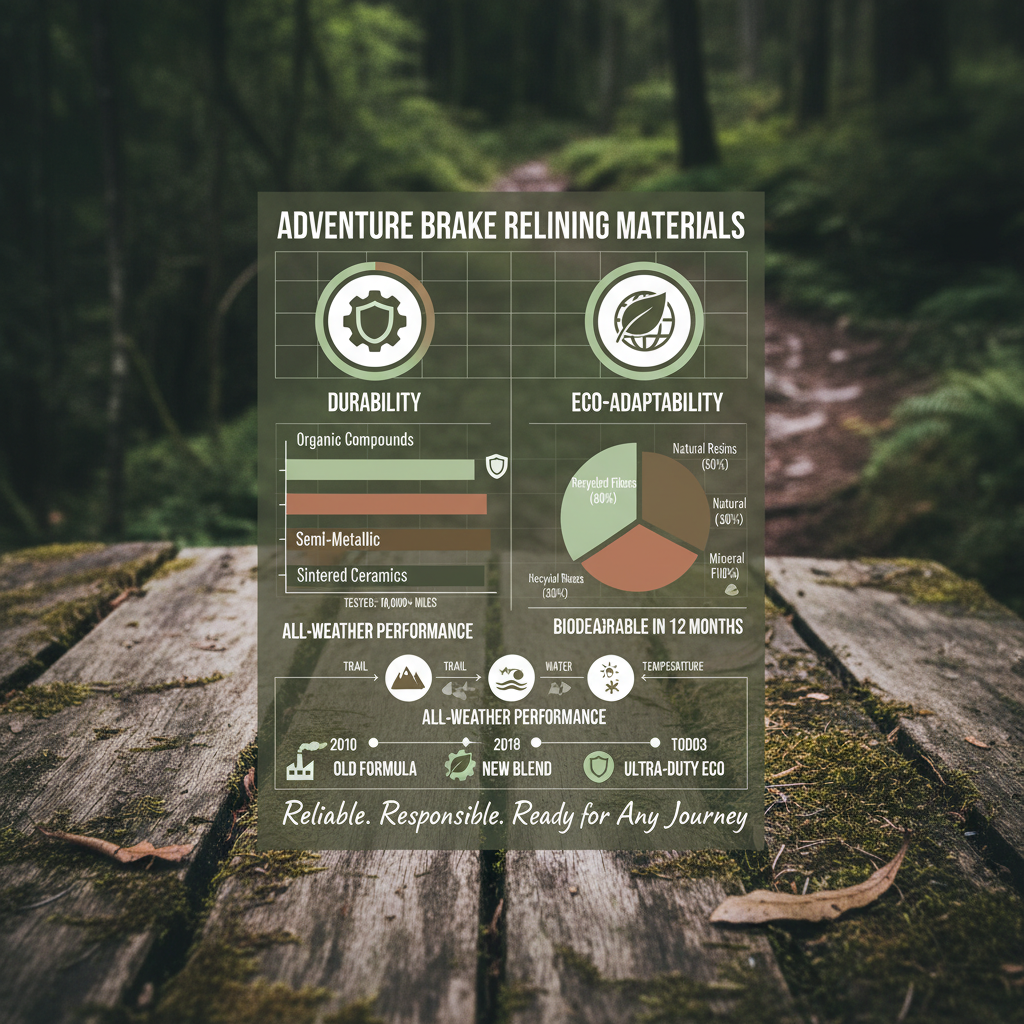
Performance Comparison of Different brake shoe relining material Formulations
Global Applications and Industries Served
Brake shoe relining material finds widespread application across a diverse range of industries. The railway sector heavily relies on high-performance materials for both freight and passenger trains, where reliable braking is critical for safety. Industrial machinery, including cranes, hoists, and conveyors, also utilize brake shoes to control movement and ensure precise operation.
The automotive industry, particularly for commercial vehicles like trucks and buses, represents a substantial market. Furthermore, specialized applications exist in mining, construction, and even amusement park rides, each requiring materials tailored to their specific operational demands. In post-disaster relief operations, the swift deployment of operable vehicles—reliant on robust brakes—is crucial.
Advantages and Economic Considerations
Utilizing high-quality brake shoe relining material offers several significant advantages. Reduced downtime for maintenance is a major benefit, as durable materials require less frequent replacement. This translates into lower operating costs and increased productivity. Furthermore, effective braking systems contribute to improved fuel efficiency by minimizing unnecessary wear and tear on other components.
Economically, the choice of material impacts the total cost of ownership. While some premium materials may have a higher upfront cost, their extended lifespan and superior performance can often result in long-term savings. Safety is paramount, and investing in reliable braking systems ensures the well-being of operators and the public.
The social impact of reliable braking systems, facilitated by quality brake shoe relining material, extends to community safety and economic stability. Reduced accident rates contribute to lower healthcare costs and insurance premiums, benefiting society as a whole.
Future Trends and Innovations in Brake Shoe Materials
The future of brake shoe relining material is focused on developing even more sustainable and high-performance solutions. Research into advanced ceramic composites and nanotechnology promises materials with enhanced heat resistance, reduced wear, and improved friction characteristics. The integration of sensors and smart materials could enable real-time monitoring of brake pad condition, facilitating predictive maintenance and preventing failures.
Environmental concerns are driving the development of eco-friendly formulations using recycled materials and biodegradable binders. Automation and digital manufacturing techniques are also playing a role, enabling greater precision and control over material composition and quality. These innovations align with broader trends towards green energy and sustainable industrial practices.
The increasing demand for electric and hybrid vehicles is prompting the development of brake materials optimized for regenerative braking systems, further contributing to energy efficiency and reduced emissions.
Summary of Key Factors Influencing Brake Shoe Material Performance
| Material Composition |
Operating Temperature |
Application Type |
Performance Score (1-10) |
| Organic Non-Asbestos |
Low (Below 200°C) |
Passenger Vehicles |
7 |
| Semi-Metallic |
Medium (200-400°C) |
Light Trucks & SUVs |
8 |
| Ceramic |
High (400-600°C) |
High-Performance Vehicles |
9 |
| Railway Composite |
Very High (Above 600°C) |
Trains & Locomotives |
10 |
| Industrial Duty |
Medium-High (300-500°C) |
Cranes & Hoists |
8 |
| Low-Metallic |
Low-Medium (150-350°C) |
City Buses |
6 |
FAQS
The lifespan of brake shoes after relining varies considerably depending on driving conditions, vehicle type, and the quality of the brake shoe relining material used. Generally, you can expect between 20,000 to 50,000 miles. However, factors like aggressive driving habits, heavy loads, and frequent braking can significantly reduce this range. Regular inspections are crucial to monitor wear and ensure optimal performance. Proper bedding-in procedures after relining also extend lifespan.
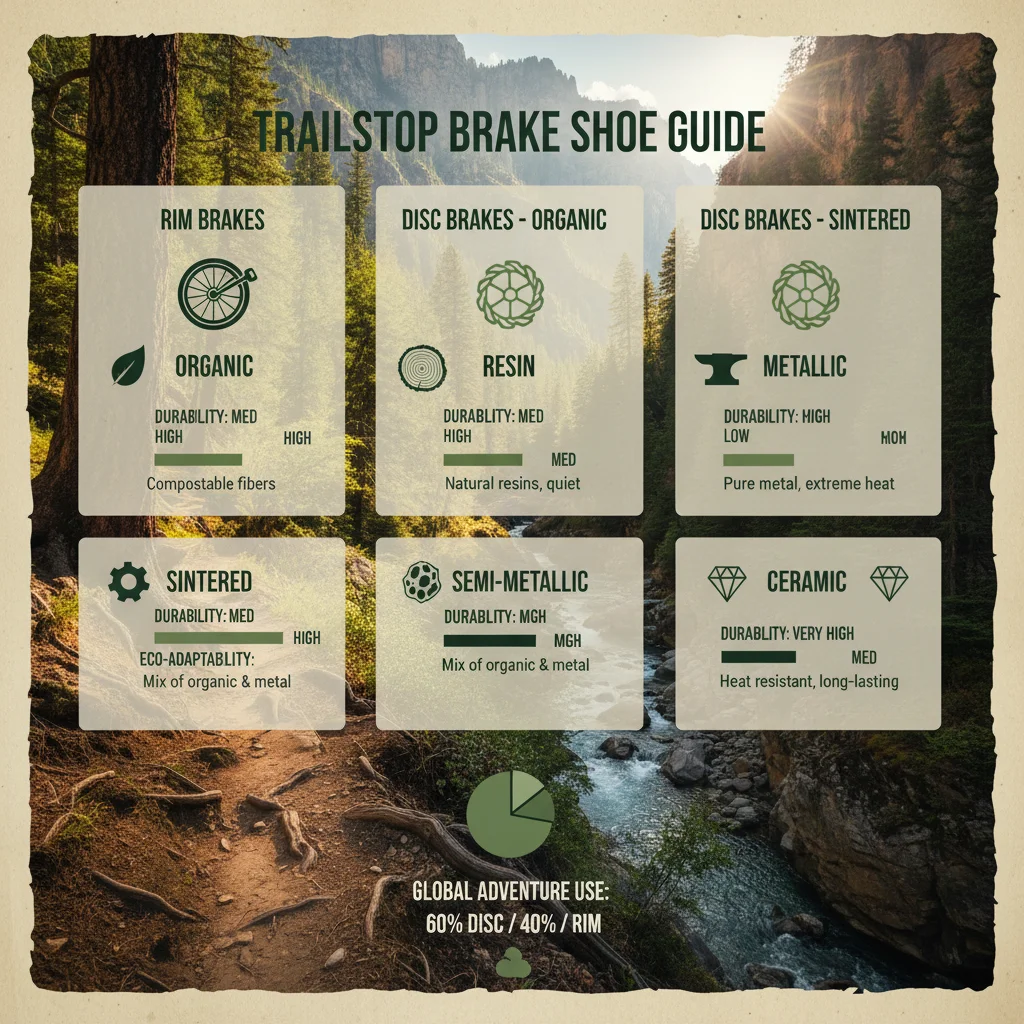
Organic materials are quiet and produce less dust, ideal for everyday driving. Semi-metallic materials offer a balance of performance and durability, suitable for light trucks and SUVs. Ceramic materials provide superior stopping power, heat resistance, and longevity, making them ideal for high-performance vehicles. Each material has different friction coefficients and wear rates. The best choice depends on the vehicle's use and the driver's needs.
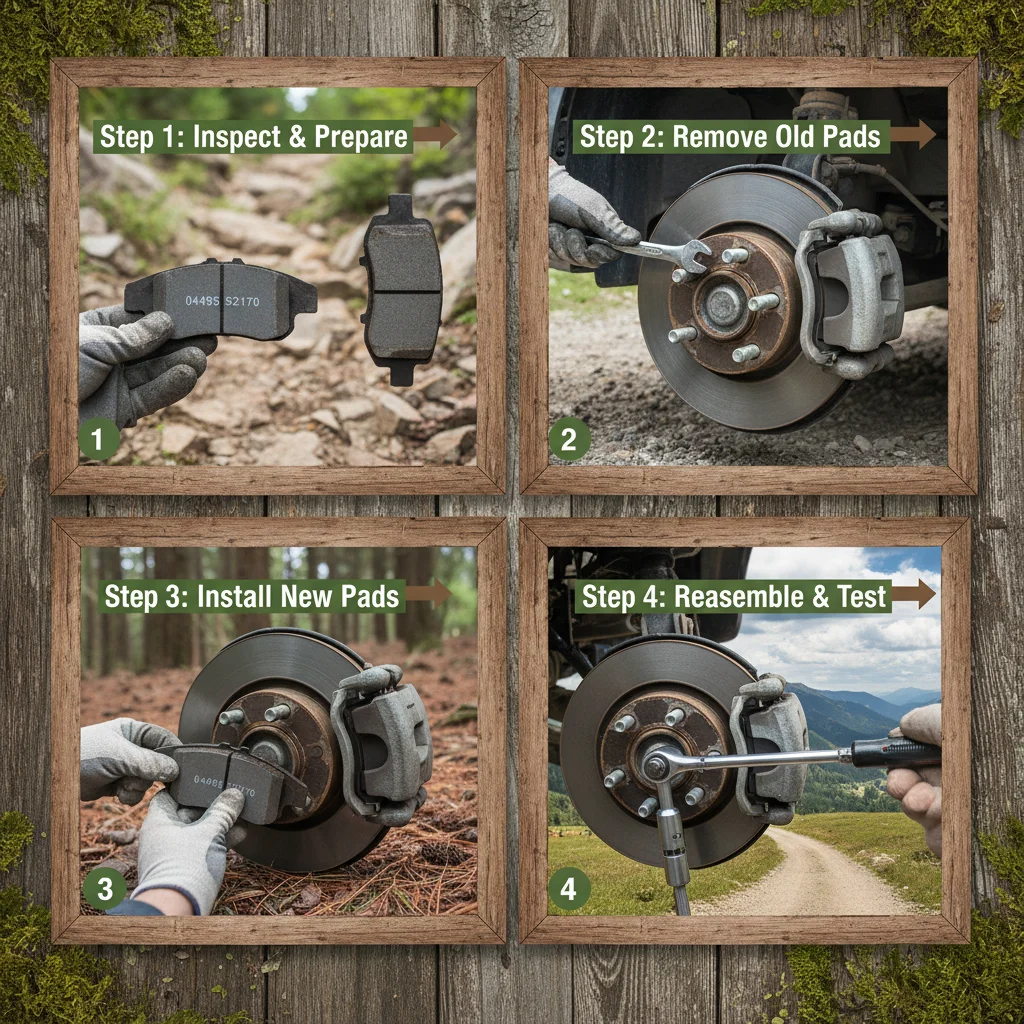
Brake shoes should be inspected during routine vehicle maintenance. Relining or replacement is typically required when the friction material wears down to 2mm or less. Signs indicating the need for relining include squealing noises, grinding sounds, reduced braking effectiveness, and visual inspection revealing worn material. It's best to have a qualified mechanic assess the condition of the shoes.
In many cases, relining brake shoes is significantly more cost-effective than replacing the entire assembly. Relining involves replacing only the worn friction material, saving on the cost of new shoes and reducing waste. However, if the shoes are severely damaged or worn, replacement may be necessary. A professional assessment can determine the best course of action.
Bedding-in is crucial for ensuring optimal performance of newly relined brake shoes. It involves a series of controlled stops from moderate speeds to transfer a layer of friction material onto the brake drums or rotors. This process creates a consistent friction surface and maximizes braking effectiveness. Avoid hard braking during the initial bedding-in period, following the manufacturer’s recommendations.
Yes, the environmental impact of brake materials is a growing concern. Traditional materials containing asbestos are harmful, and even some non-asbestos materials can release particulate matter during braking. Choosing materials with lower dust emissions and utilizing recycled content can help minimize environmental impact. Look for materials compliant with environmental regulations.
Conclusion
In conclusion, brake shoe relining material remains a vital component in ensuring safe and efficient braking systems across numerous industries. The careful selection of materials, understanding their properties, and proper maintenance practices are essential for maximizing performance, minimizing costs, and safeguarding against potential hazards. Continuous innovation in this field is driving the development of more sustainable, durable, and high-performing solutions.
Looking ahead, advancements in nanotechnology, composite materials, and smart braking systems promise to revolutionize brake shoe technology further. Prioritizing research and development, adopting eco-friendly materials, and implementing predictive maintenance strategies will be crucial for meeting the evolving demands of the transportation and industrial sectors. For reliable brake shoe relining material, visit our website: www.kybrakepad.com.