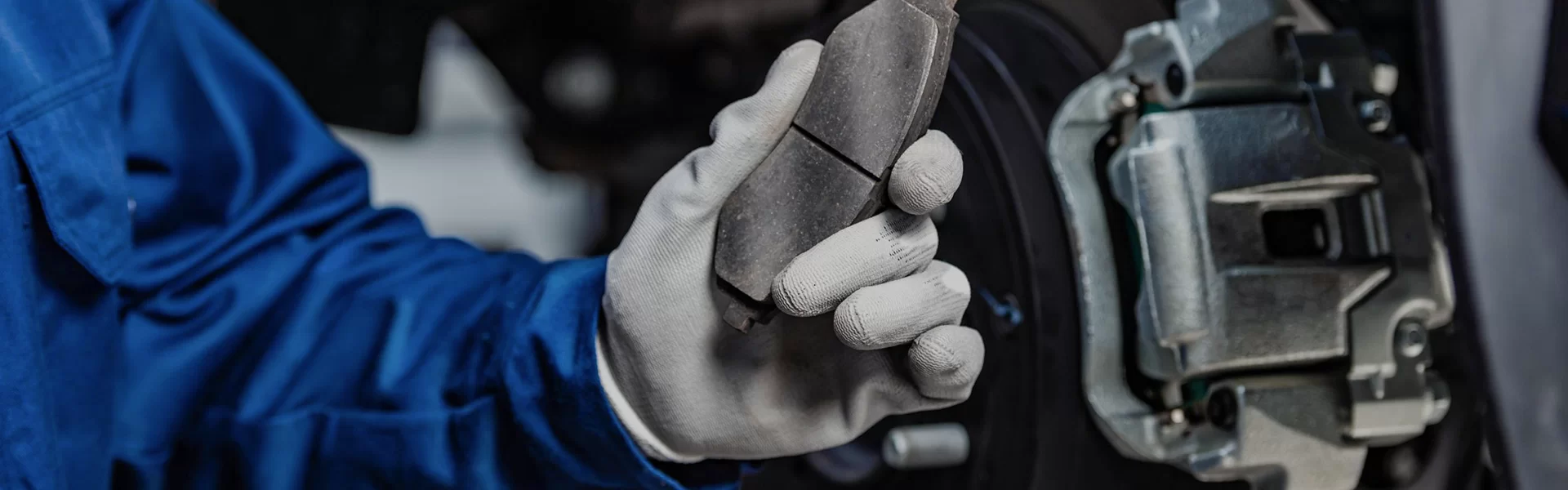
Exploring Diverse Types of Brake Shoe for Optimal Performance and Safety

0%

Table of Contents

Brake shoes are a critical component of braking systems in vehicles and machinery, responsible for creating the friction necessary to slow or stop motion. Understanding the diverse types of brake shoe available is essential for optimal performance, safety, and longevity of these systems. From traditional cast iron shoes to advanced composite materials, each type offers unique advantages and disadvantages suited to specific applications. This knowledge empowers informed decisions in maintenance, repair, and new vehicle or equipment design, impacting safety standards globally.

The global demand for effective braking solutions is continuously increasing alongside vehicle production, infrastructure development, and industrial growth. According to the International Organization of Motor Vehicle Manufacturers (OICA), global vehicle production reached over 85 million units in 2023. This signifies a massive requirement for brake components, including brake shoes. Furthermore, industries relying on heavy machinery – construction, mining, manufacturing – also contribute significantly to this demand.

A key challenge lies in balancing braking performance with wear resistance, cost-effectiveness, and environmental considerations. The evolution of types of brake shoe addresses this challenge by continually innovating materials and designs to meet these diverse and often competing needs. Therefore, comprehending these advancements isn’t merely a technical necessity but a crucial factor in ensuring both safety and sustainability across industries.
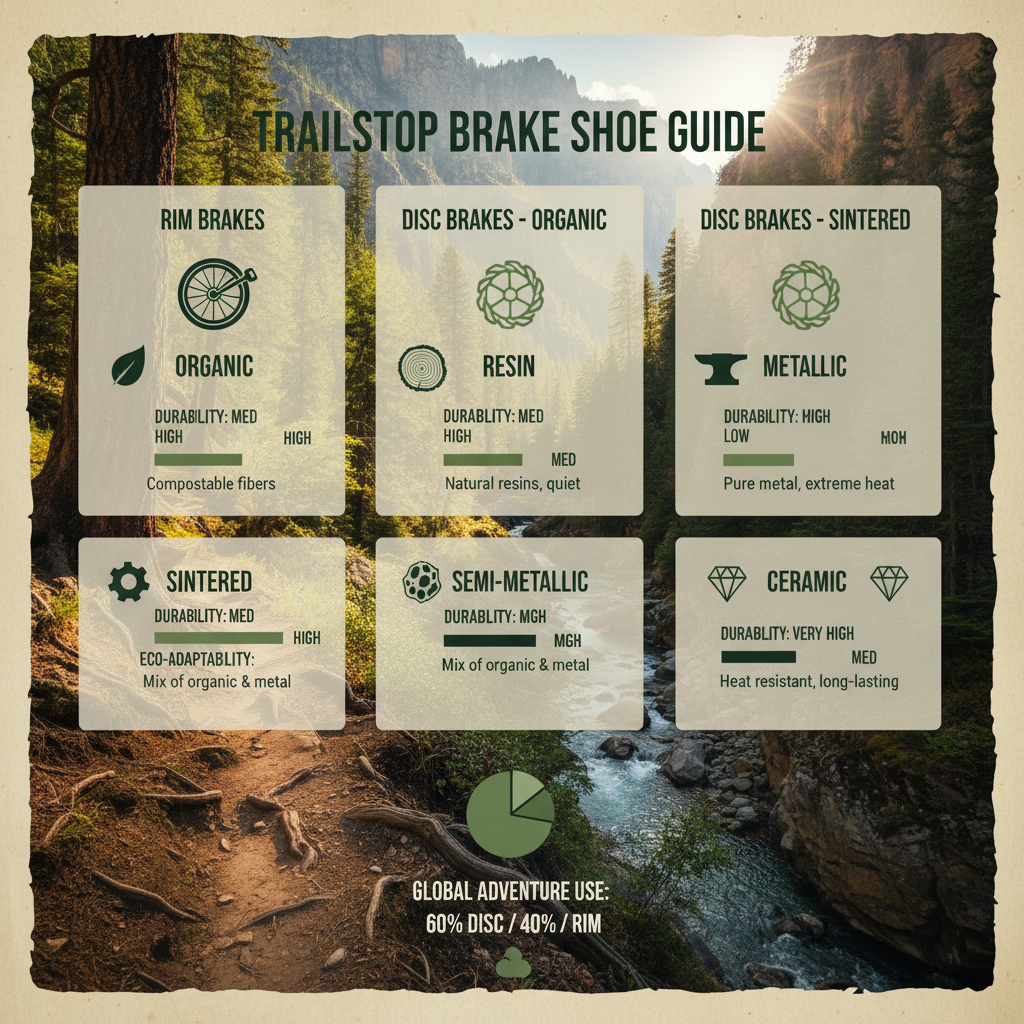
types of brake shoe

The Fundamental Characteristics of types of brake shoe

types of brake shoe

The core function of any brake shoe, regardless of its specific type, is to convert kinetic energy into thermal energy through friction when pressed against a brake drum or rotor. This conversion slows the vehicle or machinery. Different types of brake shoe achieve this using varying materials and designs, impacting their friction coefficient, wear rate, and heat dissipation capabilities.

Key characteristics defining these types include their construction (riveted, bonded, or mechanically attached linings), the material of the lining (organic, semi-metallic, or ceramic), and the overall dimensions and shape designed to match the specific brake system. These factors dictate their suitability for light-duty passenger vehicles versus heavy-duty commercial trucks or industrial applications.

Performance and Application Areas of types of brake shoe

The performance of types of brake shoe is directly tied to their application. Organic brake shoes, typically used in passenger cars, prioritize quiet operation and minimal rotor wear but may exhibit reduced stopping power in demanding conditions. Semi-metallic brake shoes, containing metal fibers, offer a balance of stopping power and durability, making them suitable for a wider range of vehicles.

Ceramic brake shoes represent the high-end spectrum, providing superior stopping power, reduced noise, and minimal dust generation, although at a higher cost. These are often preferred in performance vehicles or those operating in dusty environments. Heavy-duty applications, like trucks and buses, utilize specialized brake shoes designed to withstand extreme temperatures and loads, often featuring robust linings and heat sinks.

Beyond automotive, industrial applications – cranes, winches, and conveyor systems – demand types of brake shoe engineered for specific load capacities, operating speeds, and environmental conditions. Selection requires careful consideration of these factors to ensure reliable and safe operation.

Material Composition in Various types of brake shoe

The material composition of brake shoes is the primary determinant of their characteristics. Traditional cast iron shoes, while inexpensive, offer limited friction and are prone to corrosion. Organic brake linings utilize a mix of resins, rubber, and fillers, providing quiet operation but lower heat resistance.

Semi-metallic compositions incorporate steel or copper fibers to enhance heat dissipation and friction, increasing stopping power. However, they can accelerate rotor wear. Advanced ceramic brake shoes employ ceramic fibers bonded with resins, offering exceptional heat resistance, low dust, and superior stopping power – but they come with a significantly higher price tag.

Newer formulations are exploring the use of composite materials, combining various fibers and resins to achieve optimized performance characteristics. The drive toward more sustainable materials is also leading to research into eco-friendly brake lining compositions, reducing reliance on heavy metals and minimizing environmental impact.

Longevity and Efficiency of types of brake shoe

The longevity of types of brake shoe varies significantly based on material, driving conditions, and maintenance practices. Organic shoes typically have the shortest lifespan, requiring more frequent replacement. Semi-metallic shoes offer a moderate lifespan, while ceramic shoes generally last the longest, although they are more expensive.

Brake shoe efficiency – the ability to effectively convert kinetic energy into heat – is crucial for safe stopping. Factors influencing efficiency include the friction coefficient of the lining, the contact area with the drum or rotor, and the ability to dissipate heat. Regular inspection and maintenance, including cleaning and adjustment, are essential to maximize efficiency and prevent premature wear.

Brake Shoe Efficiency Comparison

Global Market Trends for types of brake shoe

The global market for brake shoes is experiencing steady growth, driven by the increasing demand for vehicles, particularly in emerging economies. There's a noticeable trend towards higher-performance and more durable brake shoes, leading to increased adoption of ceramic and composite materials.

Furthermore, the rise of electric vehicles (EVs) is influencing brake shoe development. EVs often utilize regenerative braking, reducing the reliance on traditional friction brakes and extending brake shoe life. However, they still require braking systems for emergency stops and low-speed maneuvers, presenting opportunities for innovation in brake shoe technology optimized for EV applications.

Types of brake shoe and Their Environmental Impact

The environmental impact of types of brake shoe is becoming an increasingly important consideration. Traditional brake linings contain heavy metals and asbestos fibers, posing risks to human health and the environment during manufacturing, use, and disposal.

The industry is actively seeking more sustainable materials and manufacturing processes. This includes developing asbestos-free linings, reducing the use of heavy metals, and implementing recycling programs for worn brake shoes. Eco-friendly formulations utilizing renewable resources and biodegradable materials are also under development.

Life cycle assessments are being employed to evaluate the environmental footprint of different brake shoe types, from raw material extraction to end-of-life disposal, promoting more informed and sustainable choices.

Comparative Analysis of types of brake shoe

A thorough comparative analysis of types of brake shoe necessitates evaluating them across several key dimensions. These include their initial cost, long-term running costs (replacement frequency), braking performance (stopping distance and consistency), noise levels, dust generation, and environmental impact.

Understanding these trade-offs is crucial for selecting the most appropriate brake shoe type for a specific application. For example, while ceramic shoes offer superior performance and longevity, their higher initial cost may not be justified for budget-conscious consumers.

Similarly, the environmental impact assessment must consider the entire life cycle of the brake shoe, from material sourcing to disposal, to accurately compare the sustainability of different options.

Summary of Comparative Analysis of Different Brake Shoe Types

Brake Shoe Type Initial Cost (1-10) Performance Rating (1-10) Environmental Impact (1-10, 1=Low)
Organic 3 5 7
Semi-Metallic 5 7 6
Ceramic 9 9 5
Cast Iron 2 4 8
Asbestos-Based (Legacy) 4 6 10
Composite 7 8 4

FAQS

What is the lifespan of different types of brake shoe?

The lifespan varies significantly. Organic shoes typically last between 25,000-50,000 miles, semi-metallic 30,000-60,000 miles, and ceramic shoes can exceed 70,000 miles. However, driving habits, vehicle load, and road conditions greatly influence these figures. Regular inspection is vital, as wear can be accelerated by aggressive braking or prolonged use. Considering the types of brake shoe chosen is key for safety.

Are ceramic brake shoes worth the extra cost?

Ceramic brake shoes offer superior stopping power, reduced noise, and minimal dust compared to other types. While they have a higher initial cost, their extended lifespan and improved performance often justify the investment for drivers prioritizing safety and a cleaner driving experience. They are especially beneficial in performance vehicles or areas with significant dust accumulation.

What are the signs I need to replace my brake shoes?

Common signs include squealing or grinding noises when braking, a soft or spongy brake pedal, longer stopping distances, and visible wear on the brake shoe material. If any of these symptoms occur, it’s crucial to have your brakes inspected by a qualified mechanic. Ignoring these signals can compromise your safety and damage your brake rotors.

How do different types of brake shoe perform in wet conditions?

Ceramic brake shoes generally perform best in wet conditions due to their consistent friction coefficient, minimizing stopping distance. Semi-metallic shoes can be affected by water, potentially reducing braking efficiency. Organic shoes are most susceptible to water-induced performance degradation. However, proper brake system maintenance and the use of quality brake fluid can mitigate these effects.

What is the environmental impact of brake shoe dust?

Brake dust contains particles that can contribute to air pollution and potentially harm human health. Ceramic brake shoes generate significantly less dust than semi-metallic or organic types. Manufacturers are actively researching and developing more environmentally friendly brake lining materials to minimize this impact. Proper wheel cleaning can also help reduce dust accumulation.

Can I mix different types of brake shoe on the same axle?

No, it's strongly discouraged to mix different types of brake shoe on the same axle. Different materials have varying friction coefficients and wear rates. Mixing them can lead to uneven braking, reduced stopping power, and potential safety hazards. Always replace brake shoes in pairs on each axle to ensure balanced performance.

Conclusion

Understanding the diverse landscape of types of brake shoe is paramount for ensuring vehicle safety, optimizing performance, and promoting environmental sustainability. From the foundational characteristics of each type to the emerging trends in materials and manufacturing, informed decision-making is essential for drivers, mechanics, and industry professionals alike. Selecting the right brake shoe for a specific application requires careful consideration of factors such as cost, performance, durability, and environmental impact.

Looking ahead, innovations in composite materials, sustainable manufacturing processes, and brake system integration will continue to shape the future of brake shoe technology. Continued research and development are vital to address the evolving needs of the automotive industry and promote safer, more efficient, and environmentally responsible braking solutions. For reliable and high-performance brake shoes, visit our website: www.kybrakepad.com

Michael Rodriguez

Michael Rodriguez

Michael Rodriguez is a Senior Production Engineer at Hengshui Kaiyuan Auto Parts, overseeing the advanced manufacturing processes crucial to our high-quality output. With a background in industrial engineering from the University of Michigan, Michael specializes in optimizing production workflows and implementing lean manufacturing principles. He is instrumental in maintaining the consistency and durability of our brake pads and shoes, focusing on precision and efficiency. Michael continuously evaluates and upgrades our equipment, ensuring we remain at the forefront of automotive parts production technology. He's dedicated to minimizing waste and maximizing productivity.
Previous Comprehensive Guide to Brake Shoe Relining Material and Its Applications
Next Understanding Brake Shoe Use for Enhanced Safety and Performance

If you are interested in our products, you can choose to leave your information here, and we will be in touch with you shortly.