Installing brake pads is a crucial aspect of vehicle maintenance, directly impacting safety and performance. Globally, the automotive industry supports millions of jobs and contributes significantly to economic growth, and reliable braking systems are paramount to this infrastructure. Proper brake pad installation isn’t merely a mechanical task; it’s a responsibility that protects drivers, passengers, and pedestrians alike. Understanding the process, selecting the right materials, and adhering to best practices are essential for ensuring optimal stopping power and minimizing the risk of accidents.
The increasing complexity of modern vehicles, coupled with growing traffic congestion, highlights the critical importance of well-maintained braking systems. According to the National Highway Traffic Safety Administration (NHTSA), brake-related issues contribute to a significant percentage of vehicle crashes annually. The demand for skilled technicians capable of accurately installing brake pads is therefore consistently high. Furthermore, advancements in brake pad technology – including ceramic, organic, and semi-metallic compounds – require specialized knowledge and techniques.
Effective brake pad installation is a cornerstone of preventative vehicle care. It contributes directly to road safety and reduces the potential for costly repairs down the line. This guide aims to provide a comprehensive understanding of the process, covering everything from selecting the correct pads to ensuring a secure and reliable installation. Whether you're a seasoned mechanic or a DIY enthusiast, this resource will equip you with the knowledge needed to confidently tackle this vital maintenance task.
The Importance of Installing Brake Pads
Brake pads are the primary friction component in a vehicle's braking system, responsible for converting kinetic energy into thermal energy to slow or stop the vehicle. Regular inspection and timely replacement of brake pads are crucial for maintaining safe driving conditions. Worn brake pads not only reduce braking efficiency but also can damage other components of the braking system, such as rotors and calipers, leading to more extensive and costly repairs.
The severity of braking demands varies considerably depending on driving habits, vehicle weight, and road conditions. Aggressive driving, frequent stop-and-go traffic, and hauling heavy loads all contribute to accelerated brake pad wear. Ignoring the signs of worn brake pads – such as squealing noises, grinding sensations, or a longer stopping distance – can have dire consequences. Investing in quality brake pads and professional installation is a proactive step towards ensuring your safety and the safety of others on the road.
Defining Brake Pad Installation
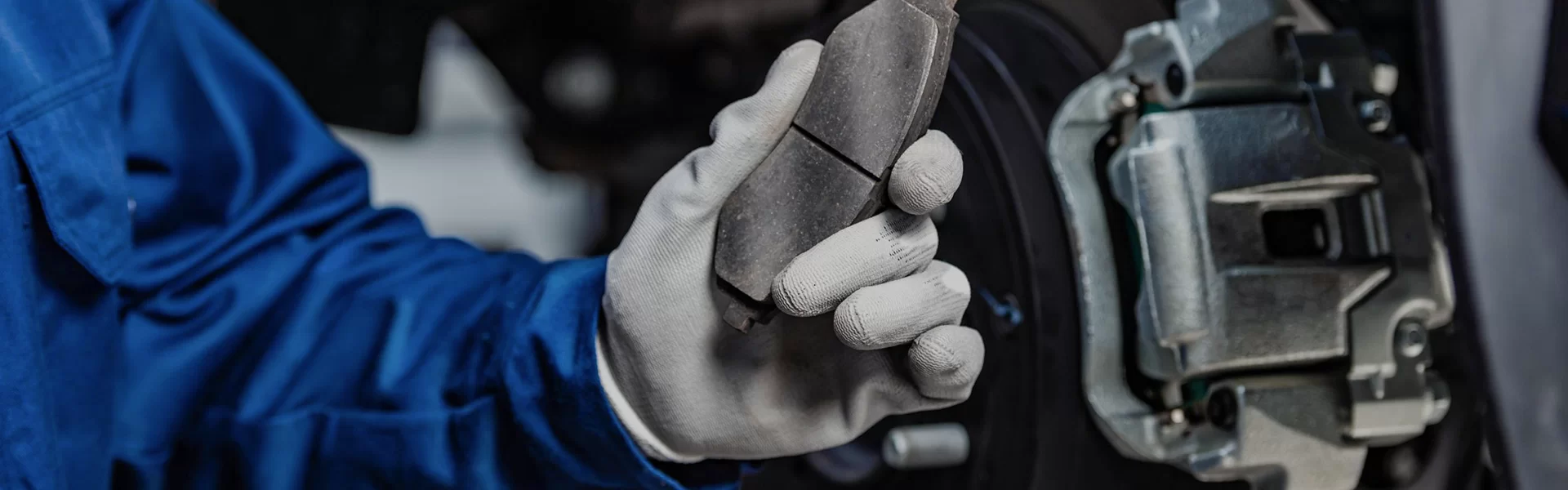
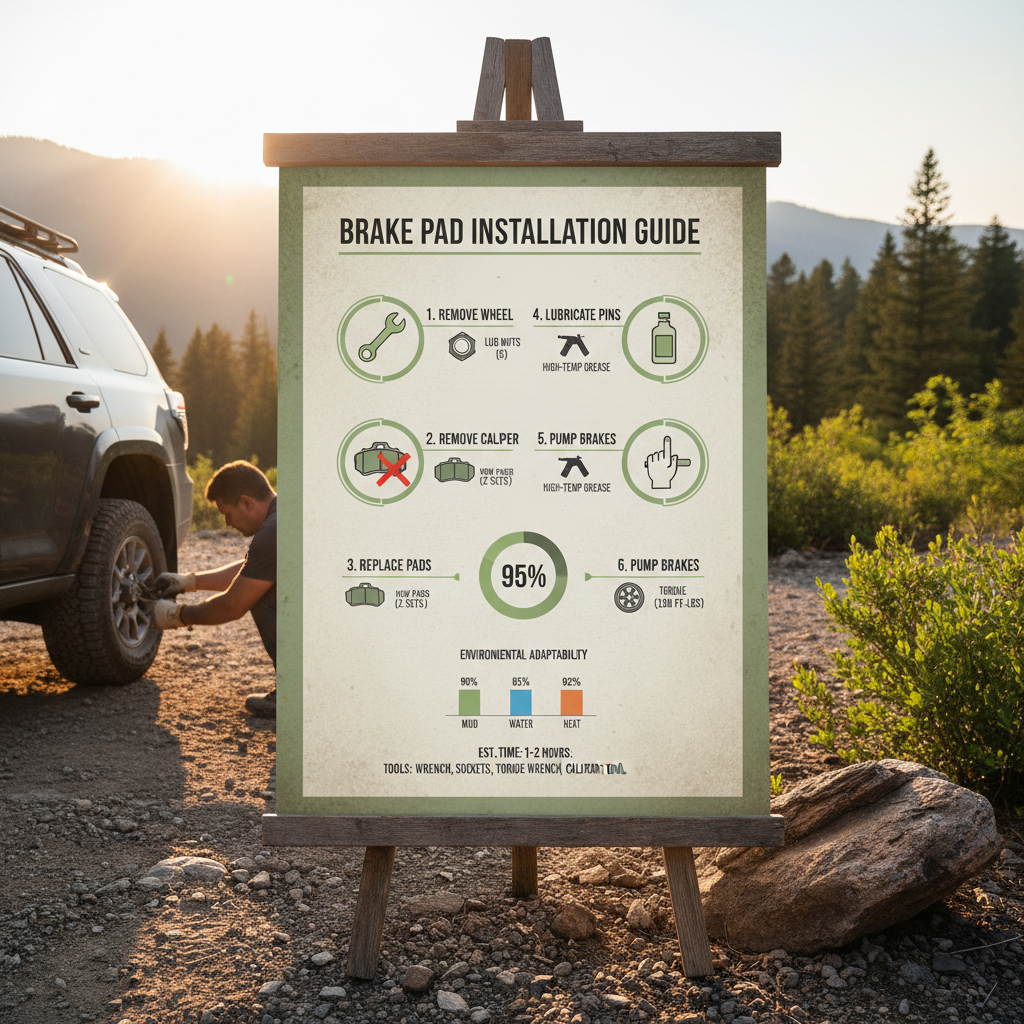
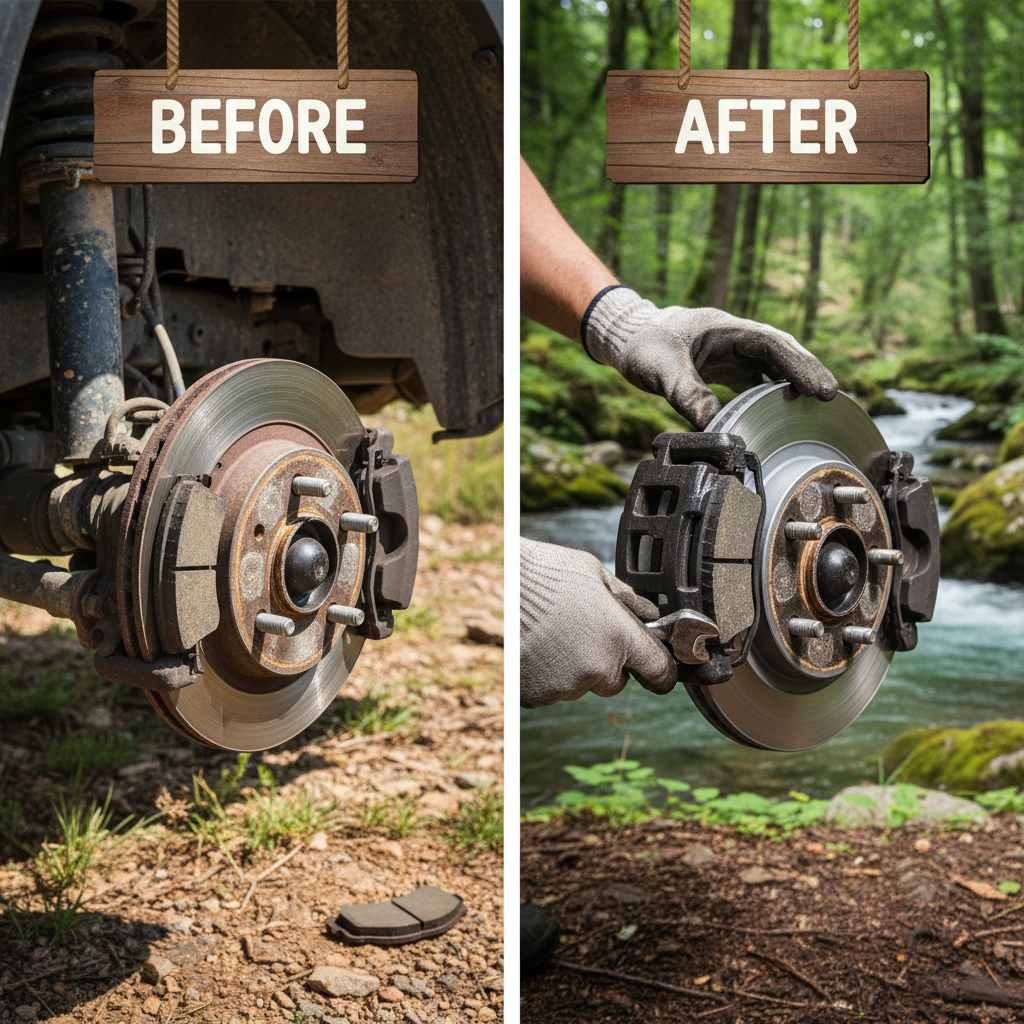
Brake pad installation refers to the process of removing worn brake pads from a vehicle's braking system and replacing them with new ones. This process typically involves disassembling the brake caliper, removing the old pads, compressing the caliper piston, installing the new pads, and reassembling the caliper. It's a task requiring specific tools, technical knowledge, and attention to detail.
While some experienced car owners may attempt to install brake pads themselves, it's generally recommended to have this work performed by a qualified mechanic. Improper installation can lead to reduced braking performance, uneven wear, and even complete brake failure. A professional mechanic will ensure that the brake pads are properly seated, the caliper is functioning correctly, and the braking system is bled to remove any air bubbles.
Proper installation goes beyond simply fitting the pads. It includes inspecting the rotors for wear or damage, lubricating the contact points to prevent squealing, and torqueing all fasteners to the manufacturer's specifications. This comprehensive approach guarantees a safe and reliable braking system, contributing to overall vehicle safety.
Key Factors in Brake Pad Performance
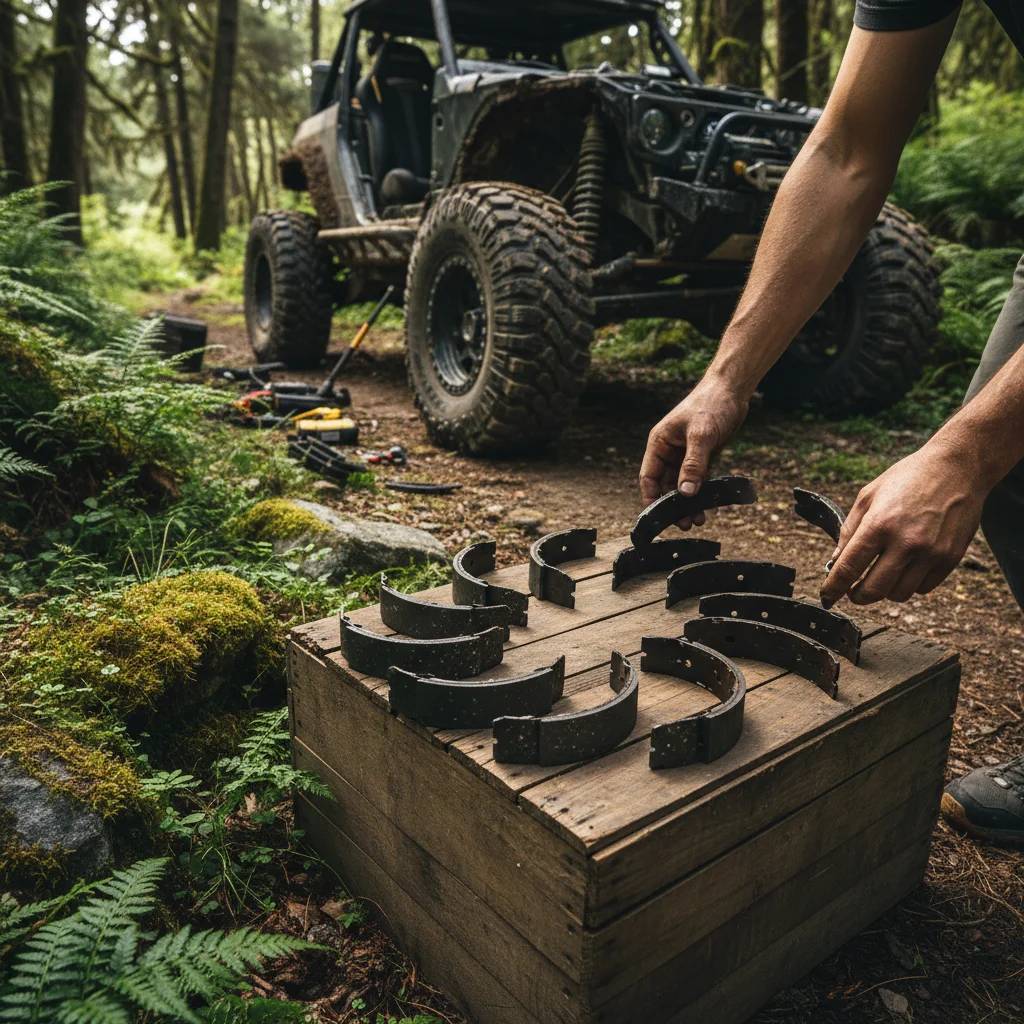
Several factors influence the performance and longevity of brake pads. The material composition of the pads – whether they are organic, semi-metallic, or ceramic – plays a significant role in their friction characteristics, heat resistance, and noise level. Organic pads are generally quieter but wear faster, while ceramic pads offer excellent stopping power and durability but can be more expensive.
Another key factor is the quality of the rotor surface. Warped or scored rotors can cause vibrations, uneven pad wear, and reduced braking efficiency. Properly resurfacing or replacing rotors during a brake pad installation is often necessary to ensure optimal performance. Furthermore, environmental conditions, such as temperature and humidity, can affect brake pad friction.
Finally, driving habits significantly impact brake pad wear. Aggressive braking, frequent hard stops, and driving in mountainous terrain will all accelerate pad wear. Regular inspections and proactive maintenance are crucial for maximizing brake pad lifespan and maintaining safe braking performance.
Global Applications of Brake Pad Technology
The demand for high-performance and reliable brake pad technology extends far beyond passenger vehicles. Commercial vehicles, such as trucks and buses, require heavy-duty brake pads capable of handling significantly higher loads and operating temperatures. Similarly, the railway industry relies on specialized brake pads to ensure the safe and efficient operation of trains.
In the aerospace industry, aircraft landing gear utilizes advanced brake pads designed to withstand extreme temperatures and pressures. These pads are often made from carbon-ceramic materials to provide superior stopping power and heat dissipation. Furthermore, the motorsports industry is a major driver of brake pad innovation, with racing teams constantly seeking to improve braking performance through advanced materials and designs.
Across regions like Europe, with its stringent safety regulations, and North America, with its high vehicle density, the focus is on developing brake pads that meet both performance and environmental standards. In rapidly industrializing nations like China and India, the growing automotive markets are driving demand for affordable yet reliable brake pad solutions.
Brake Pad Market Share by Material Type
Advantages of Professional Brake Pad Installation
Choosing a professional mechanic for your brake pad installation provides several distinct advantages. Experienced technicians possess the necessary tools, knowledge, and expertise to ensure a safe and reliable installation. They can accurately diagnose any underlying issues with the braking system, such as damaged rotors or calipers, and recommend appropriate repairs.
A professional installation also typically includes a thorough inspection of all brake system components, ensuring that everything is functioning optimally. This proactive approach can prevent future problems and extend the lifespan of your braking system. Furthermore, most reputable mechanics offer a warranty on their work, providing peace of mind.
Future Trends in Brake Pad Technology
The future of brake pad technology is focused on enhancing performance, reducing weight, and minimizing environmental impact. Research and development efforts are centered on advanced materials, such as carbon-ceramic composites and self-lubricating compounds, which offer superior stopping power and durability.
Another emerging trend is the integration of sensors into brake pads to monitor wear and temperature in real-time. This data can be used to optimize braking performance, predict maintenance needs, and improve overall vehicle safety. Furthermore, the development of regenerative braking systems, which capture energy during braking and store it for later use, is gaining traction in the electric vehicle market.
Sustainable manufacturing practices are also becoming increasingly important. Manufacturers are exploring the use of recycled materials and eco-friendly production processes to reduce the environmental footprint of brake pad production.
Common Challenges and Effective Solutions
One common challenge in brake pad installation is dealing with rusted or seized caliper components. Applying penetrating oil and using specialized tools can help to loosen these parts. Another issue is ensuring proper caliper piston retraction, which may require a caliper compressor tool.
Incorrect torqueing of fasteners can lead to brake pad failure or uneven wear. Always use a torque wrench and follow the manufacturer's specifications. Furthermore, improper bedding-in of new brake pads can result in reduced braking performance and increased noise. Following the recommended bedding-in procedure – involving a series of controlled stops – is crucial for optimal performance.
To overcome these challenges, investing in quality tools, seeking professional training, and carefully following manufacturer's instructions are essential. Proper preparation, attention to detail, and a commitment to safety are key to a successful brake pad installation.
Summary of Common Challenges and Solutions for Installing Brake Pads
| Challenge |
Severity Level (1-10) |
Recommended Solution |
Cost Estimate (USD) |
| Rusted Caliper Components |
6 |
Penetrating Oil, Wire Brush, Caliper Tool |
$20 - $50 |
| Seized Caliper Piston |
8 |
Caliper Compressor Tool, Heat |
$50 - $100 |
| Incorrect Torque Specifications |
9 |
Torque Wrench, Manufacturer's Specs |
$30 - $80 |
| Uneven Rotor Surface |
7 |
Rotor Resurfacing or Replacement |
$50 - $200+ |
| Air in Brake Lines |
8 |
Brake Bleeding Kit, Brake Fluid |
$30 - $60 |
| Improper Pad Bedding |
5 |
Follow Manufacturer's Bedding Procedure |
$0 |
FAQS
Brake pad replacement frequency varies greatly depending on driving habits, vehicle type, and pad material. Generally, brake pads should be inspected every 6,000-8,000 miles and replaced when the friction material is worn down to 1/4 inch or less. Aggressive driving, frequent braking, and heavy loads will necessitate more frequent replacements. Ignoring warning signs like squealing or grinding can lead to rotor damage and increased repair costs.
Common brake pad types include organic, semi-metallic, and ceramic. Organic pads are quietest but wear fastest. Semi-metallic pads offer good stopping power and durability but can be noisy and produce more dust. Ceramic pads provide excellent stopping power, durability, and minimal noise but are generally more expensive. The "best" type depends on your driving style and budget. For daily driving, ceramic or semi-metallic pads are often a good choice.
While it's possible to replace brake pads yourself, it requires mechanical knowledge, the right tools, and a thorough understanding of the process. Improper installation can compromise braking performance and safety. If you’re not comfortable with the procedure, it's best to have a qualified mechanic perform the installation. Incorrectly installed brake pads can lead to serious accidents.
Brake rotor resurfacing (or turning) involves machining the surface of the rotors to remove imperfections like scoring and rust. It’s necessary when rotors are warped, scored, or unevenly worn. Resurfacing can restore braking performance and prevent pad pulsing. However, rotors have a minimum thickness specification; if they’re too thin after resurfacing, they must be replaced entirely to ensure safety.
Several signs indicate your brake pads may need replacing. These include squealing or grinding noises when braking, a longer stopping distance, a spongy brake pedal, or a visual inspection revealing worn friction material (less than 1/4 inch). Regular brake inspections are crucial for identifying potential problems before they become serious safety hazards.
Bedding-in new brake pads involves a series of controlled stops designed to transfer a layer of friction material from the pads to the rotors. This process optimizes braking performance, reduces noise, and prevents premature wear. Following the manufacturer's recommended bedding-in procedure is crucial for maximizing the lifespan and effectiveness of your new brake pads.
Conclusion
Installing brake pads is a vital maintenance task that directly impacts vehicle safety and performance. From understanding the different types of brake pads to recognizing the importance of proper installation techniques and regular inspections, a proactive approach to brake system maintenance is paramount. The advancements in brake pad technology continuously enhance stopping power, durability, and noise reduction.
Investing in quality brake pads and professional installation is a worthwhile investment in your safety and the safety of others on the road. By staying informed about future trends and addressing common challenges effectively, you can ensure that your braking system remains reliable and efficient for years to come. For all your brake pad needs and expert installation services, visit our website at installing brake pads.