Understanding the nuances of brake pads is crucial for vehicle safety and performance, globally impacting millions of drivers and passengers daily. The world relies heavily on efficient braking systems, and the effectiveness of these systems hinges on the quality and type of brake pads used. From everyday commuting to emergency stopping, 3 types of brake pads play a critical role in preventing accidents and ensuring safe travels.
The automotive industry is a significant driver of global economic growth, with brake systems being an essential component. According to Statista, the global automotive braking system market was valued at approximately $88.6 billion in 2023 and is projected to reach $108.4 billion by 2028. Selecting the appropriate 3 types of brake pads is not only vital for vehicle owners but also for manufacturers aiming to meet stringent safety standards and consumer demands.
A key challenge within the automotive sector is balancing cost-effectiveness with optimal braking performance. Poorly chosen brake pads can lead to reduced stopping power, increased wear and tear on other braking components, and ultimately, compromised safety. A thorough understanding of the different 3 types of brake pads available enables informed decisions, contributing to safer roads and reduced maintenance costs.
Introduction to 3 types of brake pads
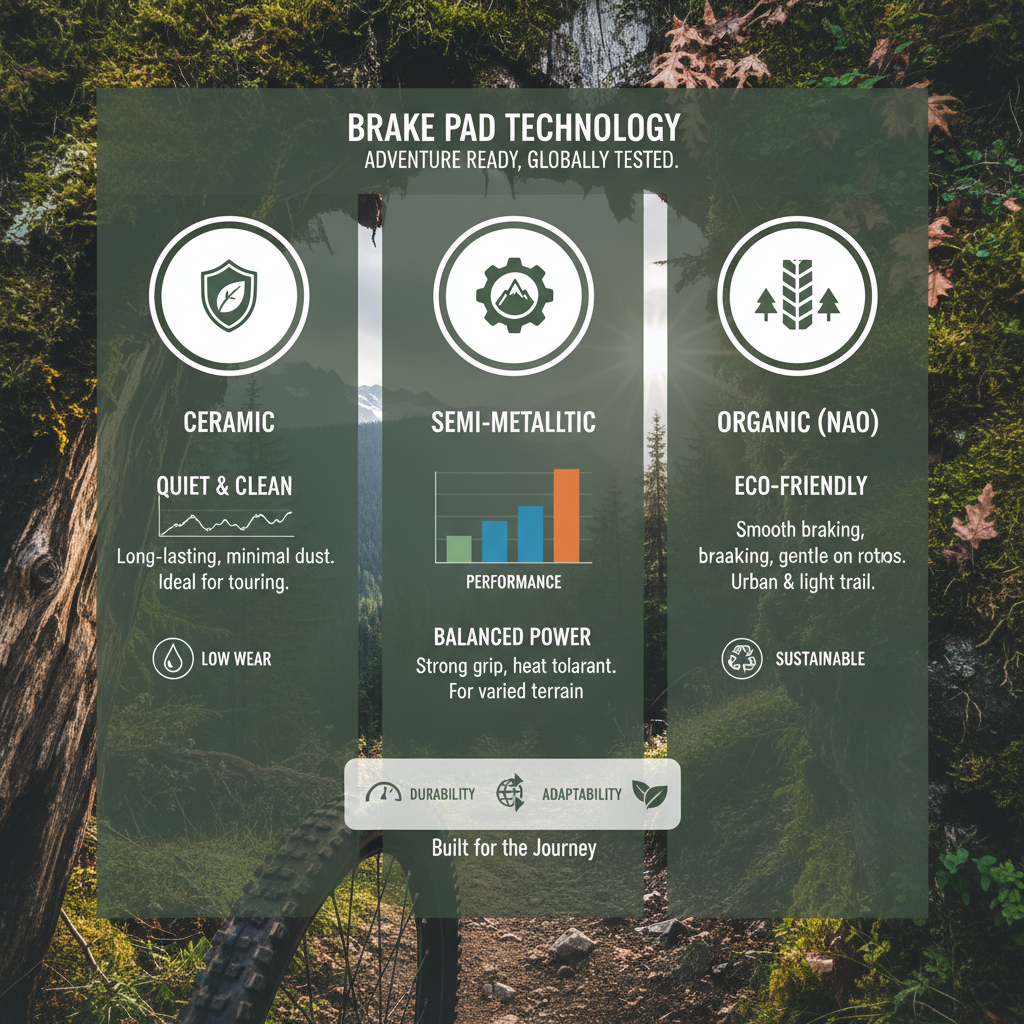
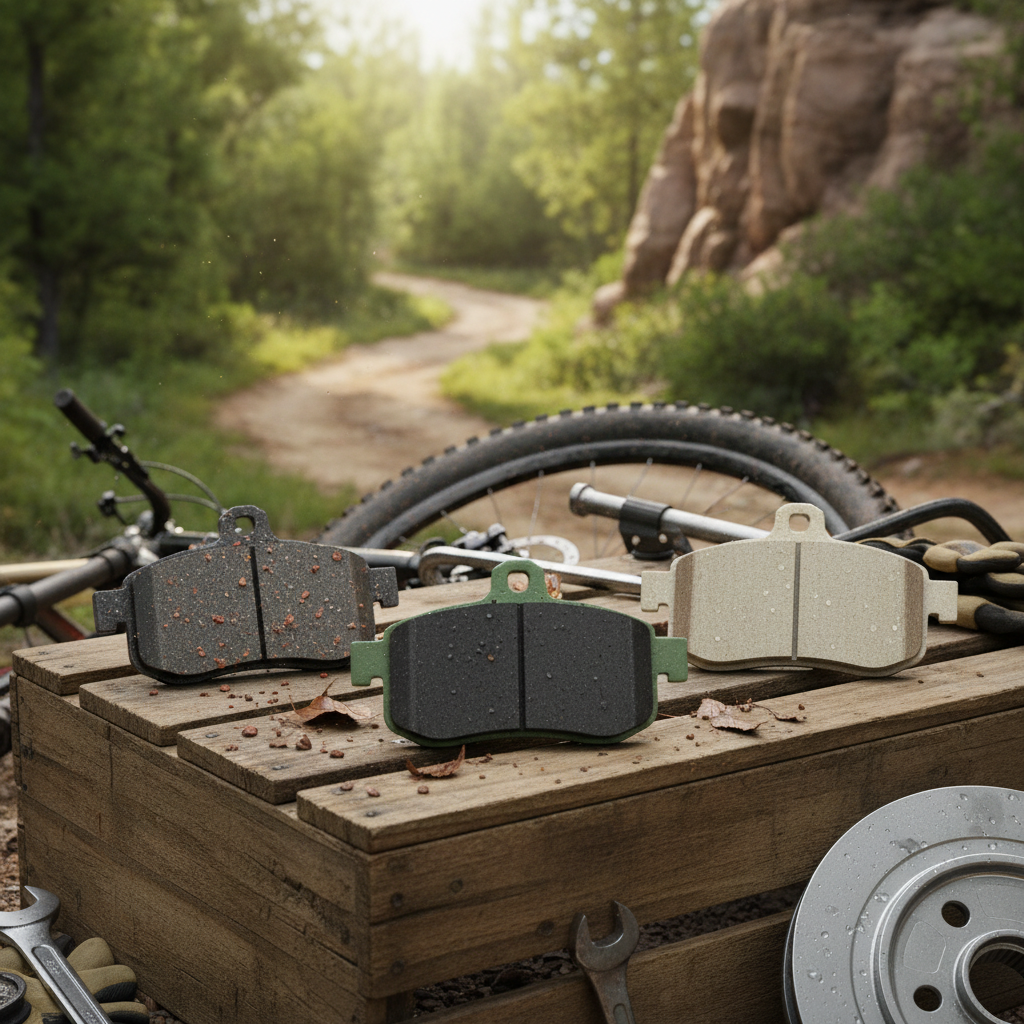
There are three primary types of brake pads dominating the market: organic, semi-metallic, and ceramic. Each possesses distinct characteristics affecting performance, longevity, and cost. Organic brake pads, often referred to as non-asbestos organic (NAO), are known for their quiet operation and rotor friendliness, making them a popular choice for everyday driving.
Semi-metallic brake pads, containing metal fibers mixed with organic materials, provide a balance between performance and durability. They generally offer better stopping power than organic pads but can be harder on rotors and generate more noise. Lastly, ceramic brake pads, crafted from ceramic fibers and bonding agents, deliver exceptional stopping power, minimal noise, and low dust production, making them a premium option.
Defining 3 types of brake pads
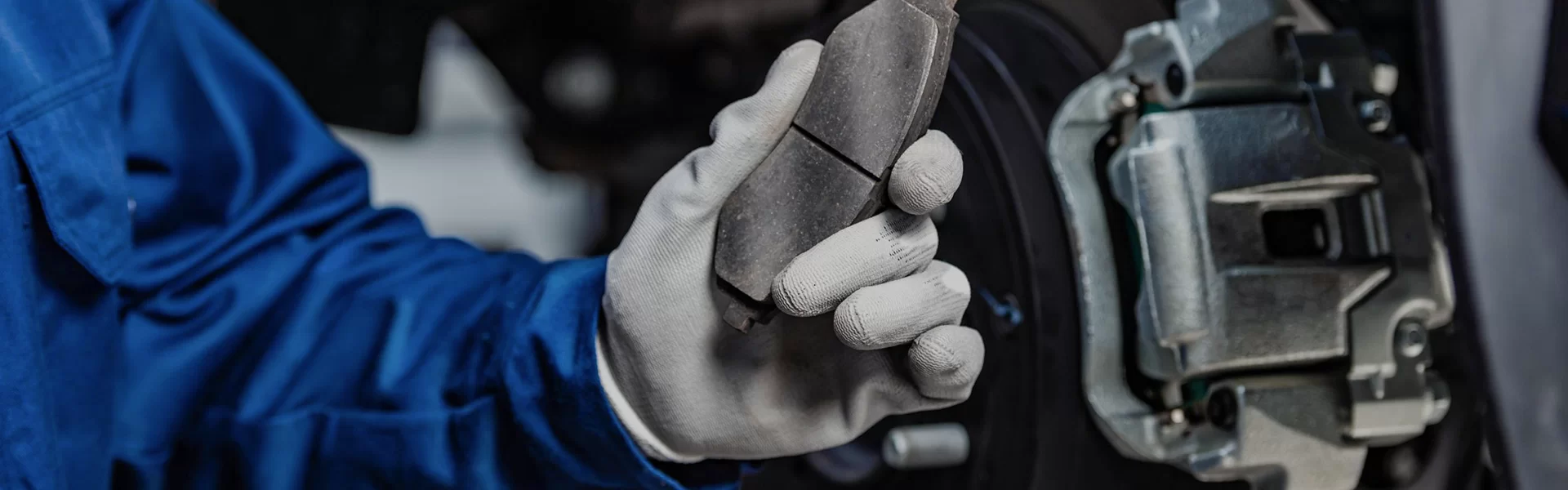
3 types of brake pads are a critical component of a vehicle’s braking system, responsible for creating friction against the rotors to slow down or stop the vehicle. They are essentially friction materials bonded to a steel backing plate. The composition of the friction material differentiates the three main types – organic, semi-metallic, and ceramic – each designed to cater to varying driving conditions and performance expectations.
The significance of choosing the right type of brake pad extends beyond just stopping power. It influences rotor wear, noise levels, dust generation, and overall braking efficiency. Modern automotive engineering places increasing emphasis on materials science to develop 3 types of brake pads that minimize environmental impact and maximize safety and performance.
Understanding the characteristics of each 3 types of brake pads enables drivers and automotive professionals to make informed decisions, optimizing braking performance based on their specific needs and driving styles. The selection impacts not only vehicle safety but also maintenance costs and the overall driving experience.
Core Characteristics of 3 types of brake pads
Durability is a key factor differentiating the three types of brake pads. Organic pads typically have the shortest lifespan, offering between 20,000 to 40,000 miles of use. Semi-metallic pads generally last longer, ranging from 30,000 to 70,000 miles, while ceramic pads often provide the longest lifespan, potentially exceeding 75,000 miles depending on driving habits.
Stopping power varies considerably between the three types. Ceramic pads consistently deliver the best stopping performance, especially in wet conditions, due to their high friction coefficient. Semi-metallic pads offer good stopping power, though they can be less effective in wet environments. Organic pads generally provide the least stopping power, making them more suited for light-duty applications.
Noise and dust production are also significant considerations. Organic pads are the quietest, producing minimal brake squeal. Ceramic pads also operate quietly and generate very little dust. Semi-metallic pads, however, tend to be the noisiest and produce the most dust due to their metal content.
Practical Applications of 3 types of brake pads
Organic brake pads are best suited for everyday passenger vehicles operated under normal driving conditions. Their quiet operation and rotor-friendly nature make them ideal for city commuting and leisurely drives. They are often found in economy cars and smaller SUVs.
Semi-metallic brake pads find applications in a wider range of vehicles, including trucks, SUVs, and performance cars. Their robust stopping power and durability make them suitable for heavier vehicles and drivers who demand more aggressive braking. They’re commonly used in vehicles that experience frequent stop-and-go driving.
Comparative Performance of 3 types of brake pads
Advantages and Long-Term Value of 3 types of brake pads
Choosing the right 3 types of brake pads translates to significant cost savings in the long run. While ceramic pads might have a higher initial cost, their extended lifespan and reduced rotor wear can offset this expense. Investing in quality 3 types of brake pads minimizes the frequency of replacements and associated labor costs.
Beyond financial benefits, the enhanced safety offered by superior braking performance is immeasurable. The ability to stop quickly and confidently, particularly in emergency situations, can prevent accidents and protect lives. This inherent value contributes to peace of mind for drivers and passengers.
Future Trends in 3 types of brake pads
Research and development are focused on creating even more advanced 3 types of brake pads using nanotechnology and innovative materials. The goal is to improve stopping power, reduce wear, and minimize environmental impact. Self-lubricating brake pads and pads with integrated wear sensors are emerging technologies.
Sustainability is becoming increasingly important, driving the development of eco-friendly 3 types of brake pads made from recycled materials or bio-based compounds. The automotive industry is striving to reduce its carbon footprint, and advancements in brake pad technology are contributing to this effort.
Challenges and Solutions Related to 3 types of brake pads
A common challenge is brake fade, where the braking performance diminishes with repeated use, especially during high-speed driving or downhill descents. Solutions include using brake pads with higher friction coefficients and incorporating advanced cooling systems within the braking mechanism.
Another challenge is brake squeal, which can be annoying and indicate potential issues. Addressing this often involves applying anti-squeal shims to the brake pads or ensuring proper lubrication of the braking components.
Dust generation remains a concern, particularly for ceramic brake pads, despite their lower dust output compared to semi-metallic pads. Ongoing research focuses on developing dust-free brake pad formulations to minimize air pollution and improve air quality.
Summary of Challenges and Solutions in 3 types of brake pads Technology
| Challenge |
Impact Area |
Potential Solution |
Implementation Cost (1-10) |
| Brake Fade |
Performance & Safety |
High-Friction Materials & Cooling Systems |
7 |
| Brake Squeal |
Driver Comfort & Potential Wear |
Anti-Squeal Shims & Lubrication |
3 |
| Dust Generation |
Environmental Impact & Aesthetics |
Low-Dust Formulations |
6 |
| Rotor Wear |
Maintenance Costs |
Rotor-Friendly Pad Materials |
5 |
| Inconsistent Performance |
Safety & Reliability |
Rigorous Quality Control & Material Consistency |
8 |
| Material Degradation |
Lifespan & Performance |
Advanced Material Composites |
9 |
FAQS
The primary differences lie in their composition and performance characteristics. Organic pads are softer, quieter, and gentler on rotors, but wear faster and offer less stopping power. Semi-metallic pads provide a balance between performance and durability, but can be noisier and harder on rotors. Ceramic pads offer superior stopping power, minimal noise and dust, and long lifespan, making them a premium option.
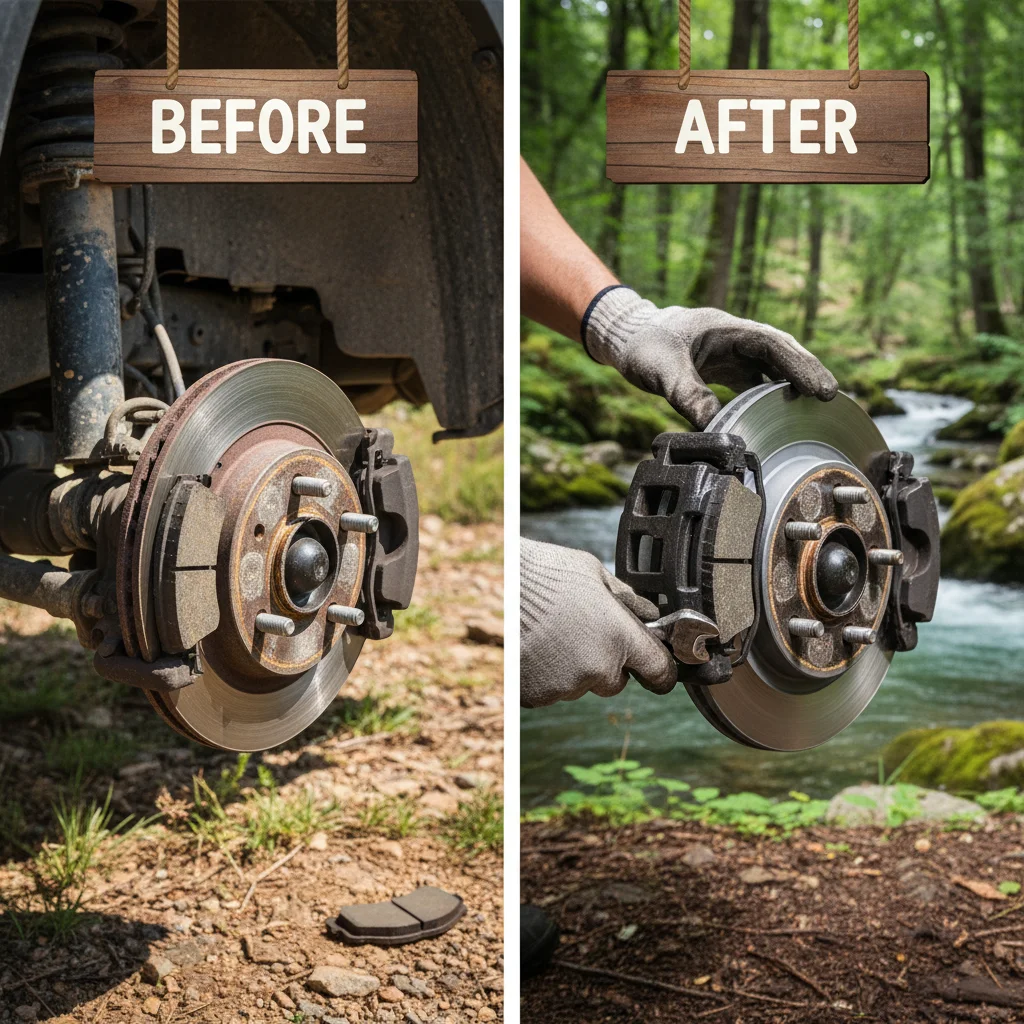
The replacement frequency depends on your driving habits and the type of brake pads used. Organic pads typically last 20,000-40,000 miles, semi-metallic pads 30,000-70,000 miles, and ceramic pads 75,000+ miles. Regularly inspect your brake pads for wear and have them replaced when they reach the minimum recommended thickness, usually around 3mm.
For many drivers, yes. While ceramic brake pads are more expensive upfront, their superior stopping power, reduced noise, minimal dust, and extended lifespan often justify the investment. They are particularly beneficial for drivers who prioritize performance, comfort, and low maintenance.
No, it's strongly discouraged. Mixing brake pad types can create uneven braking forces, leading to instability, premature wear, and reduced stopping performance. Always replace brake pads in pairs – both on the same axle – with the same type of brake pad.
Brake squeal is often caused by vibrations between the brake pads, rotors, and calipers. Possible solutions include applying anti-squeal shims, lubricating the braking components, cleaning the rotors, or replacing worn or glazed brake pads. In some cases, it may indicate a more serious issue requiring professional attention.
While the impact is minor, it exists. Brake pads that cause more friction or drag can slightly reduce fuel efficiency. Ceramic pads, known for their smoother operation and reduced drag, may contribute to marginal fuel savings compared to semi-metallic pads. However, driving habits have a far greater impact on fuel economy.
Conclusion
In conclusion, understanding the characteristics of 3 types of brake pads – organic, semi-metallic, and ceramic – is vital for ensuring vehicle safety, optimizing performance, and managing maintenance costs. Each type caters to specific driving needs and preferences, and selecting the right 3 types of brake pads contributes to a more reliable and enjoyable driving experience. The advancements in materials and technology continuously refine these components.
Looking ahead, the future of 3 types of brake pads lies in sustainable materials, innovative designs, and enhanced performance capabilities. By staying informed about these developments and prioritizing quality and safety, drivers can make informed decisions that contribute to safer roads and a more sustainable automotive industry. For more information and to explore our range of high-quality brake pads, visit our website: www.kybrakepad.com.