
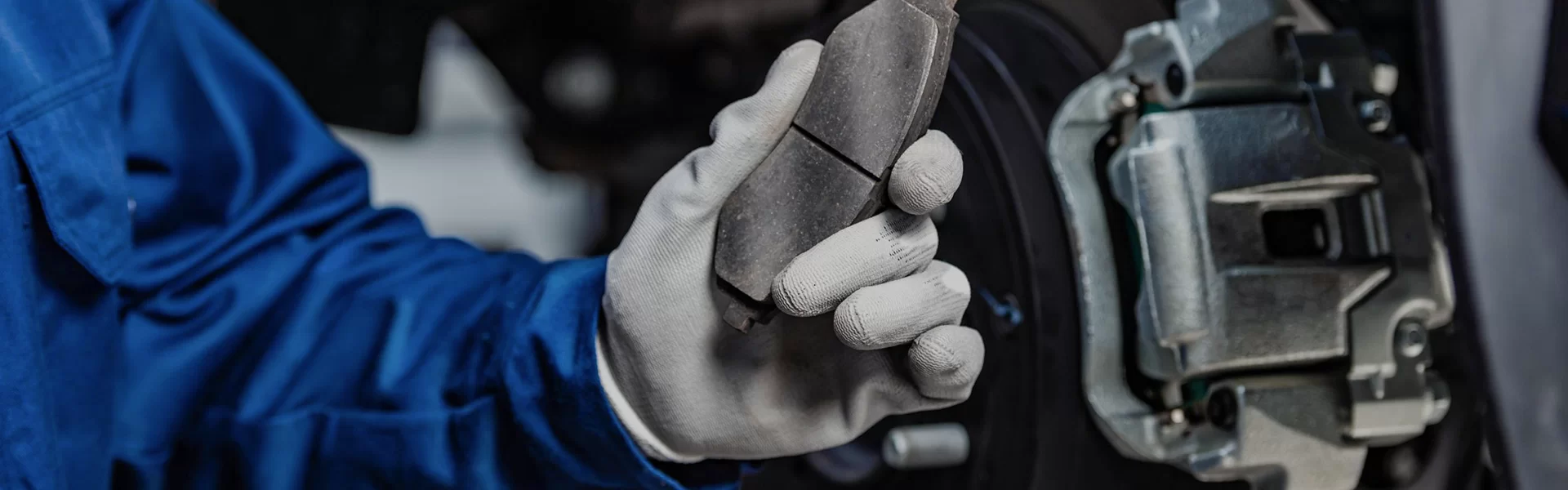
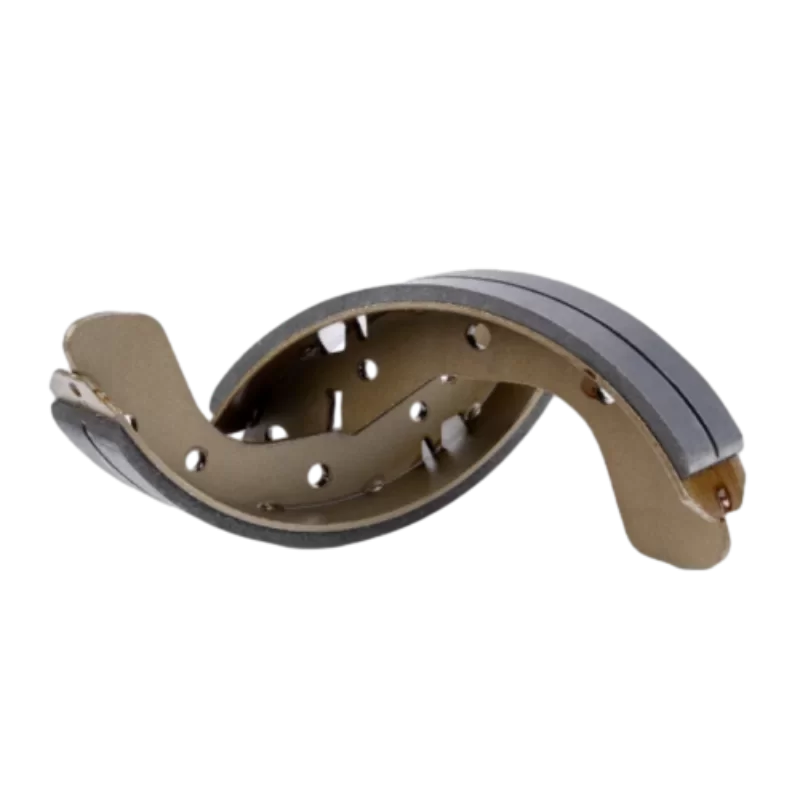
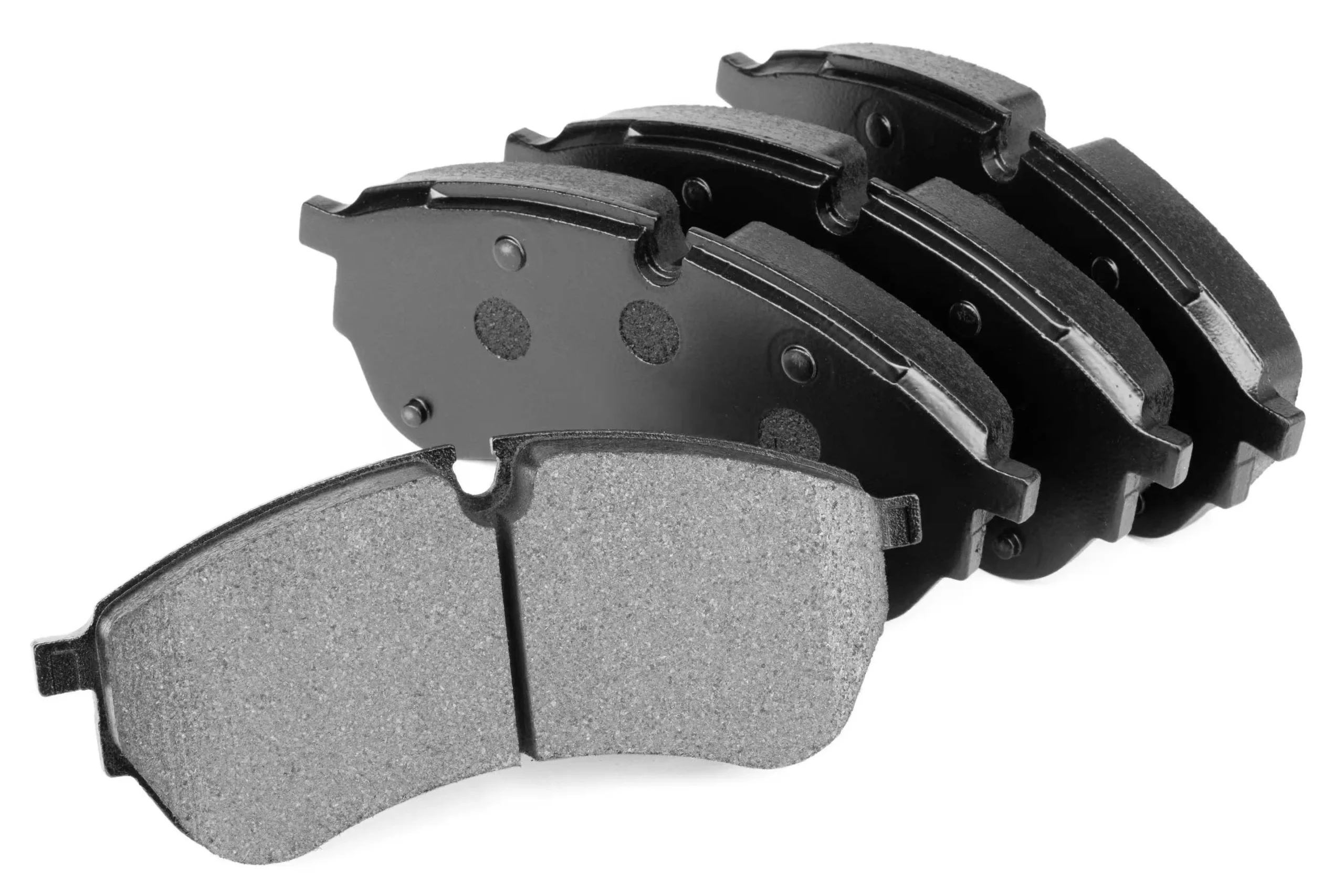
The Ghanaian automotive market is characterized by a diverse fleet ranging from urban commuter vehicles in Accra to heavy-duty transport trucks crossing regional borders. The high ambient temperatures and seasonal heavy rainfall in Ghana significantly accelerate the wear and tear of any brake pad shoe, requiring materials with superior thermal stability.
Furthermore, the prevalence of unpaved roads in rural sectors introduces significant abrasive dust into the braking system. This leads to premature scoring of discs and rapid erosion of brake pads & shoes, creating an urgent demand for semi-metallic and ceramic composites that can withstand harsh particulate contamination.
Economically, the market is shifting from a reliance on low-cost, generic imports toward certified, durable components. Ghanaian fleet operators are increasingly prioritizing the Total Cost of Ownership (TCO), recognizing that a high-quality shoe brake shoe reduces downtime and enhances passenger safety across the nation's transit networks.


