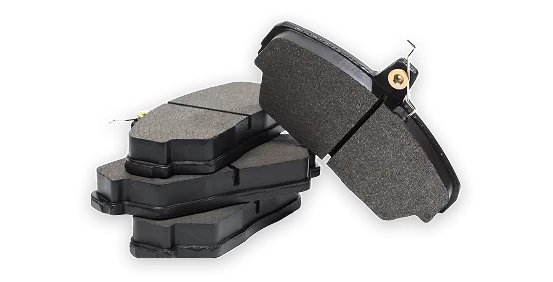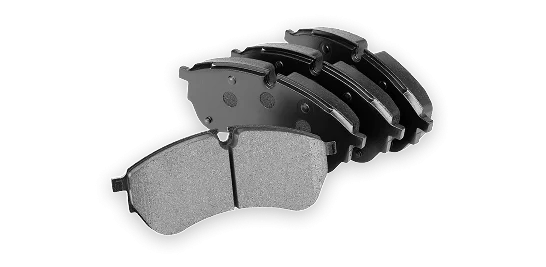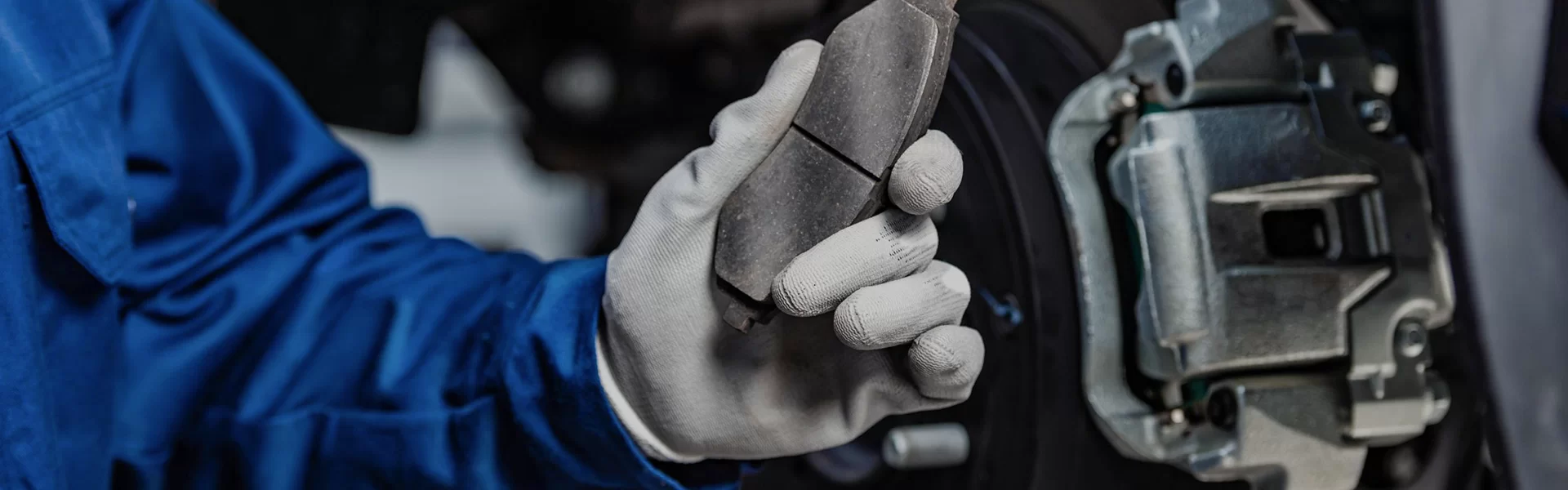
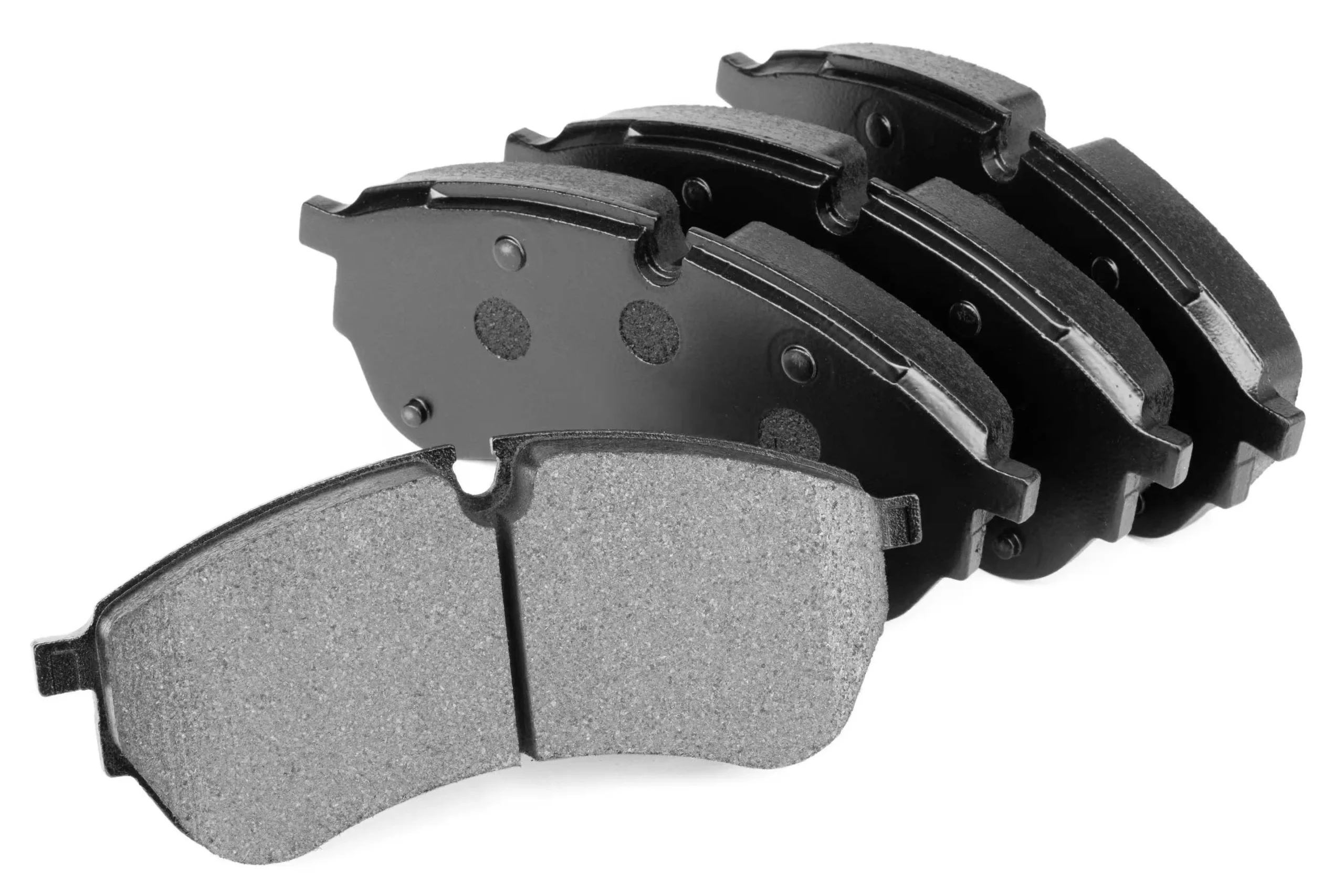
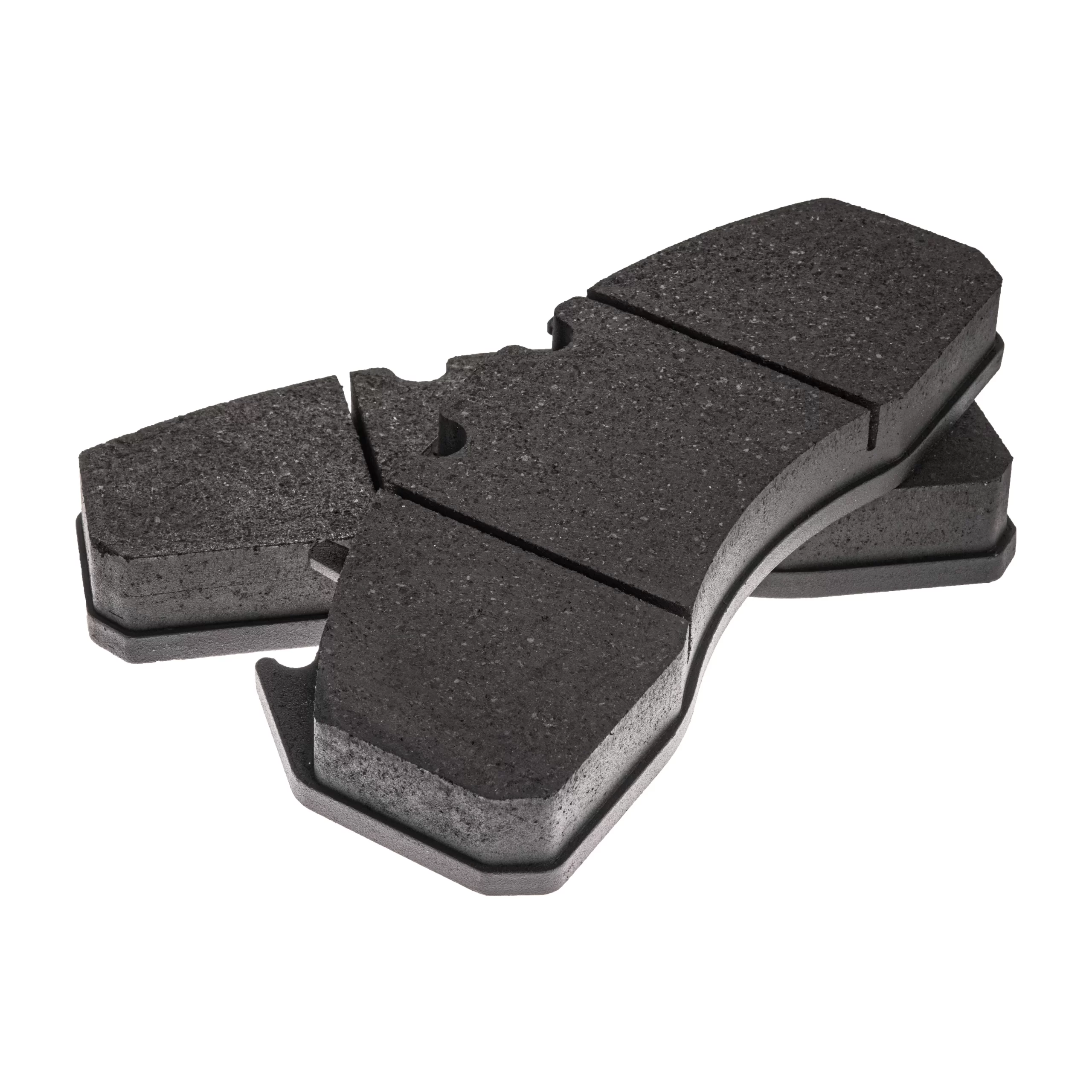
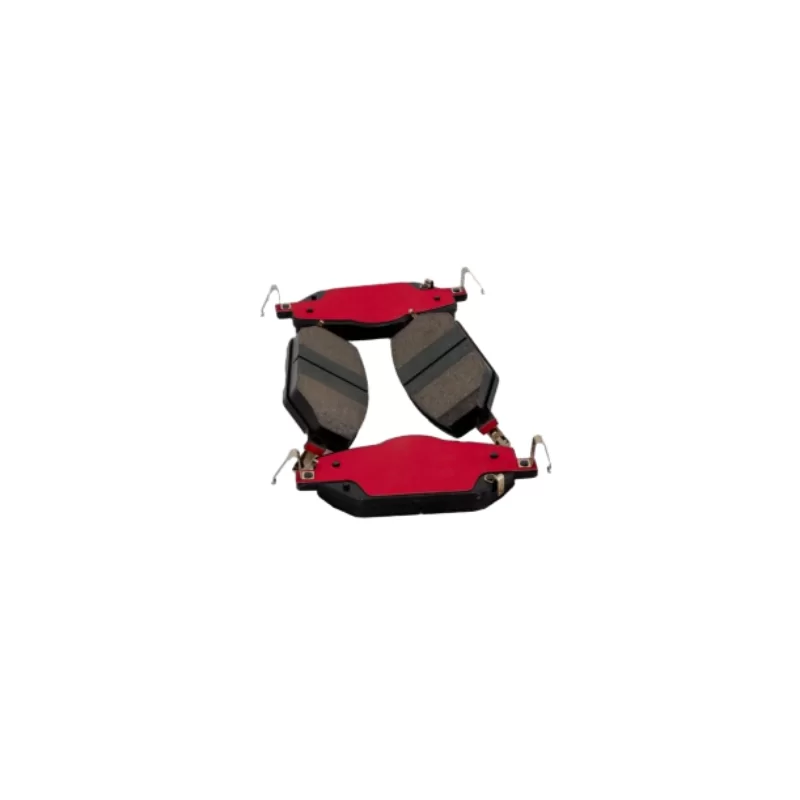
Our high-performance brake pads are designed to provide superior braking efficiency, enhanced safety, and long-lasting durability for a wide range of vehicles. Manufactured with premium friction materials and advanced production technology, these brake pads deliver consistent stopping power and excellent heat resistance even in the most demanding driving conditions.
The friction compound is carefully formulated to achieve a stable coefficient of friction, ensuring smooth braking and preventing brake fade under high temperatures. With precision-engineered backing plates and advanced noise-reduction shims, our brake pads minimize noise, vibration, and harshness (NVH), offering drivers a quiet and comfortable driving experience.
Environmentally friendly and 100% asbestos-free, these brake pads are designed to reduce brake dust and extend the lifespan of brake discs, keeping wheels cleaner and lowering maintenance costs. They are suitable for passenger cars, SUVs, light trucks, and commercial vehicles, meeting strict OEM standards for quality and compatibility.
Whether for city traffic, high-speed highway driving, or heavy-duty applications, our brake pads ensure reliable braking performance and maximum driver confidence. Available for both OEM replacement and aftermarket solutions, they are an ideal choice for customers seeking safety, quality, and value.
Enhanced Safety: Provides reliable braking in both dry and wet conditions.
Low Noise & Vibration: Advanced damping technology for quiet operation.
Durable Materials: High-quality friction compounds for extended lifespan.
Eco-Friendly: Asbestos-free and designed to reduce brake dust.
Perfect Fit: OEM standards ensure compatibility with a wide range of vehicles.
Our brake pads are designed to deliver outstanding performance in a wide range of driving conditions, ensuring maximum safety and comfort for drivers. Engineered with advanced friction technology and high-quality materials, these brake pads offer a perfect balance of braking power, durability, and noise control.
Stable Friction Coefficient: Maintains consistent performance across temperature ranges.
Superior Heat Resistance: Prevents brake fade during heavy use.
Smooth Braking: Reduces judder and ensures a comfortable ride.
Corrosion Resistance: Anti-rust coatings on back plates extend service life.
Our brake pads are ideal for:
Passenger cars and SUVs
Light commercial vehicles and trucks
High-performance vehicles requiring reliable stopping power
Both OEM replacement and aftermarket upgrades
Brake pads are essential components of disc brake systems, responsible for generating friction to slow down or stop vehicles safely. They are mounted inside the brake caliper and press against the rotating brake disc (rotor) to convert kinetic energy into heat. Depending on material composition, performance needs, and vehicle application, brake pads can be classified into several main types.
1. Semi-Metallic Brake Pads
Semi-metallic pads contain a mixture of metal fibers, iron, copper, and graphite. They offer excellent heat dissipation, durability, and strong braking performance, making them suitable for high-speed vehicles and heavy-duty applications. However, they may produce more noise and dust compared to other types.
2. Organic (Non-Asbestos) Brake Pads
Organic brake pads are made from natural fibers, rubber, glass, or resin compounds. They are quieter, softer, and gentler on brake discs, reducing wear. These pads are ideal for passenger cars and light vehicles where smooth, low-noise braking is preferred.
3. Ceramic Brake Pads
Ceramic pads consist of ceramic fibers, non-ferrous fillers, and bonding agents. They provide excellent braking consistency, low noise, and minimal dust generation. Additionally, they resist high temperatures and are long-lasting, making them suitable for premium vehicles and performance cars.
4. Low-Metallic Brake Pads
Low-metallic pads include a small percentage of metal for better heat transfer and braking response. They offer improved stopping power compared to organic pads but may create slightly more noise and dust.
5. Specialty or Performance Pads
Some brake pads are designed specifically for racing, off-road, or commercial vehicles. These are optimized for extreme heat, heavy loads, or specific environmental conditions, providing maximum safety and efficiency under specialized use.
In conclusion, selecting the right brake pad type—semi-metallic, organic, ceramic, low-metallic, or performance—depends on vehicle type, driving conditions, and desired balance between braking power, noise, dust, and longevity. High-quality brake pads enhance safety, performance, and durability of the braking system.
Brake pads play a crucial role in vehicle safety, converting kinetic energy into friction to slow or stop the car. While all brake pads generate some dust due to friction, certain types are engineered to minimize this effect, keeping wheels cleaner and reducing maintenance. Among all options, ceramic brake pads are known for producing the least dust.
Ceramic Brake Pads
Ceramic pads are made from dense ceramic fibers, bonding agents, and non-ferrous fillers. This composition allows them to provide smooth and consistent braking while resisting high temperatures. Unlike semi-metallic or low-metallic pads, ceramic pads do not contain significant amounts of steel or iron, which are the primary sources of brake dust. As a result, they generate much less residue on the wheels, making them ideal for drivers who value clean rims and reduced maintenance.
Additional Benefits
Besides low dust production, ceramic brake pads offer quiet operation and excellent braking performance across a wide range of temperatures. They are long-lasting, resistant to fading, and gentle on the brake rotors, helping extend the lifespan of the entire braking system. Their consistent friction characteristics also provide smooth and predictable braking in both city and highway driving conditions.
Comparison with Other Types
Semi-metallic pads: Durable and high-performing but produce more dust and noise due to metal content.
Organic pads: Quieter and softer, with moderate dust levels, but wear out faster under heavy braking.
Low-metallic pads: Offer improved braking response but create higher dust than ceramic pads.
In summary, for drivers seeking a clean, low-maintenance braking experience without compromising performance, ceramic brake pads are the optimal choice. Their minimal dust production, quiet operation, and durability make them suitable for passenger cars, SUVs, and light trucks, providing reliable braking and a cleaner, more attractive wheel appearance.
Brake pads play a crucial role in vehicle safety, converting kinetic energy into friction to slow or stop the car. While all brake pads generate some dust due to friction, certain types are engineered to minimize this effect, keeping wheels cleaner and reducing maintenance. Among all options, ceramic brake pads are known for producing the least dust.
Ceramic Brake Pads
Ceramic pads are made from dense ceramic fibers, bonding agents, and non-ferrous fillers. This composition allows them to provide smooth and consistent braking while resisting high temperatures. Unlike semi-metallic or low-metallic pads, ceramic pads do not contain significant amounts of steel or iron, which are the primary sources of brake dust. As a result, they generate much less residue on the wheels, making them ideal for drivers who value clean rims and reduced maintenance.
Additional Benefits
Besides low dust production, ceramic brake pads offer quiet operation and excellent braking performance across a wide range of temperatures. They are long-lasting, resistant to fading, and gentle on the brake rotors, helping extend the lifespan of the entire braking system. Their consistent friction characteristics also provide smooth and predictable braking in both city and highway driving conditions.
Comparison with Other Types
Semi-metallic pads: Durable and high-performing but produce more dust and noise due to metal content.
Organic pads: Quieter and softer, with moderate dust levels, but wear out faster under heavy braking.
Low-metallic pads: Offer improved braking response but create higher dust than ceramic pads.
In summary, for drivers seeking a clean, low-maintenance braking experience without compromising performance, ceramic brake pads are the optimal choice. Their minimal dust production, quiet operation, and durability make them suitable for passenger cars, SUVs, and light trucks, providing reliable braking and a cleaner, more attractive wheel appearance.