
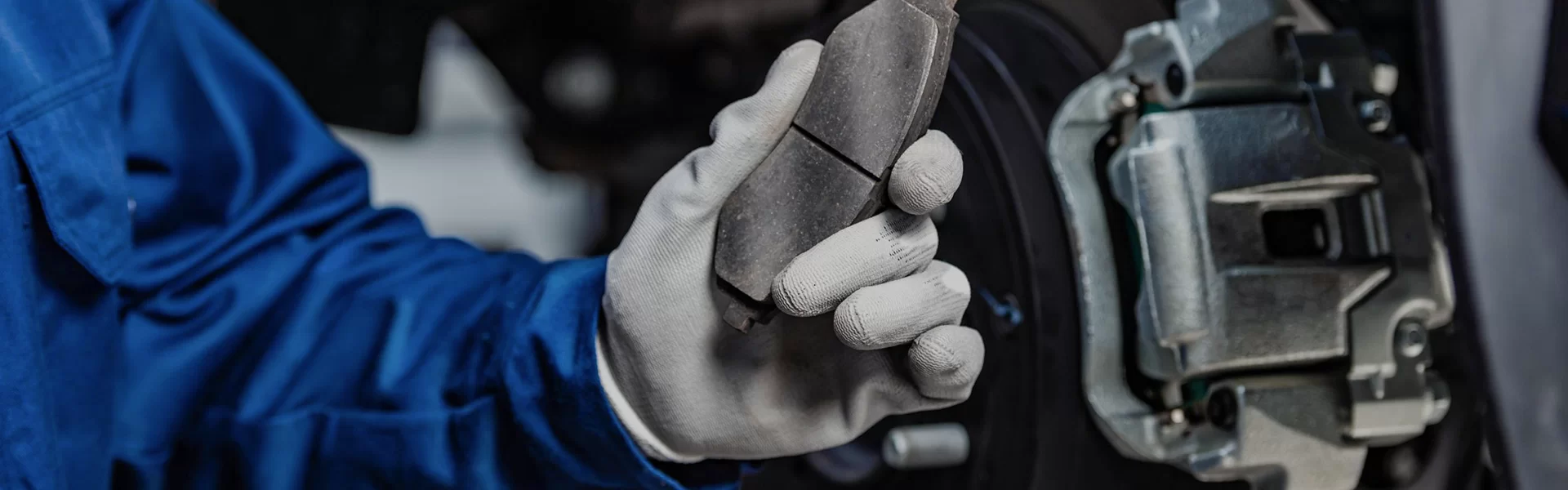
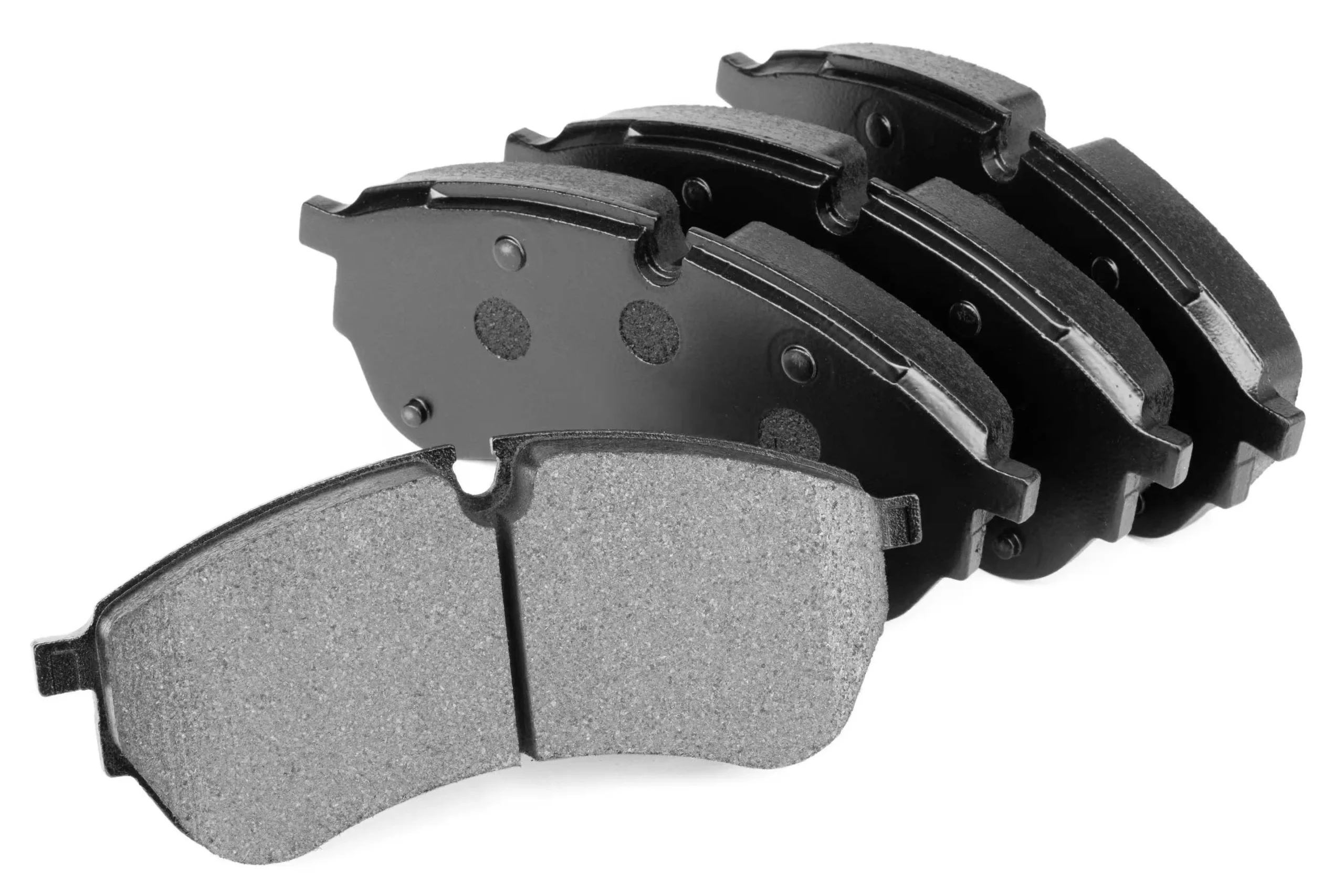
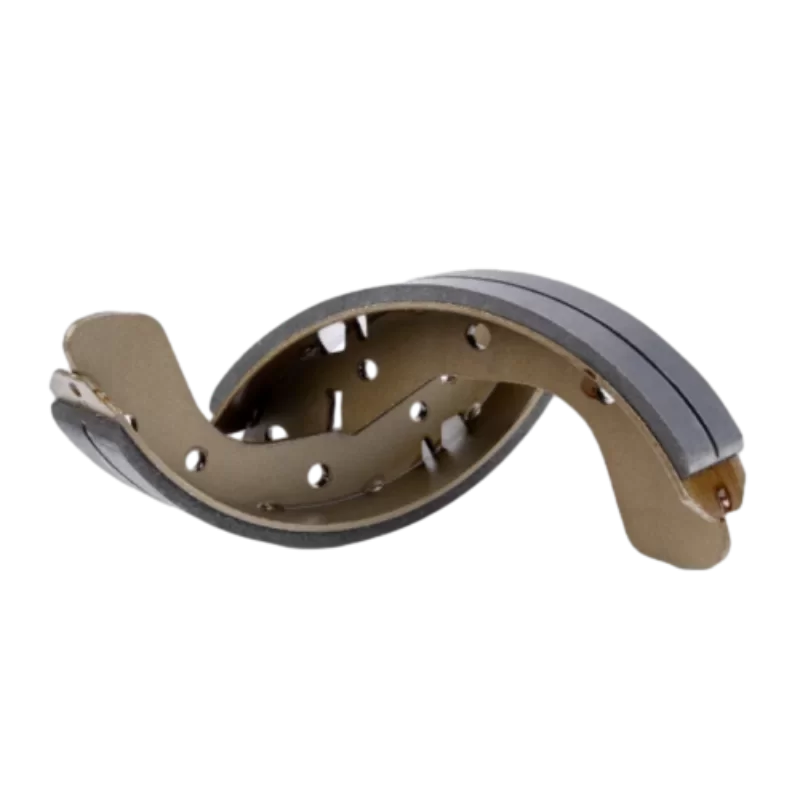
Japan's automotive sector is characterized by a dual demand: extreme stop-and-go efficiency for Tokyo's urban sprawl and high-thermal endurance for the steep gradients of the Japanese Alps. This environment necessitates a brake pad shoe that can maintain a consistent friction coefficient across varying temperatures.
With the rapid adoption of Hybrid Electric Vehicles (HEVs) led by domestic giants, the industry is shifting toward "low-wear" materials. Regenerative braking reduces the frequency of mechanical friction, meaning the shoe brake shoe components must now resist oxidation and corrosion during periods of inactivity.
Furthermore, Japan's strict environmental regulations regarding non-asbestos organic (NAO) materials have pushed manufacturers toward copper-free formulations. The market now demands a balance between ecological sustainability and the legendary reliability expected by Japanese consumers.


