Advanced brake pad set Solutions for Philippines Automotive Market

Advanced brake pad set Solutions for Philippines Automotive Market

High-performance braking components engineered for the unique tropical climate and road conditions of the Philippines.

Advanced brake pad set Solutions for Philippines Automotive Market

Providing premium braking reliability through precision engineering, specifically tailored to withstand the high-humidity and heavy-traffic environments across the Philippines archipelago.

Current State of Brake Systems in Asia - Philippines

Analyzing the challenges of braking performance in tropical urban environments.

In the Philippines, the automotive sector faces extreme challenges due to the tropical maritime climate. High humidity and frequent flash floods lead to rapid oxidation of metal components, making the quality of a brake pad shoe critical for vehicle safety and longevity.

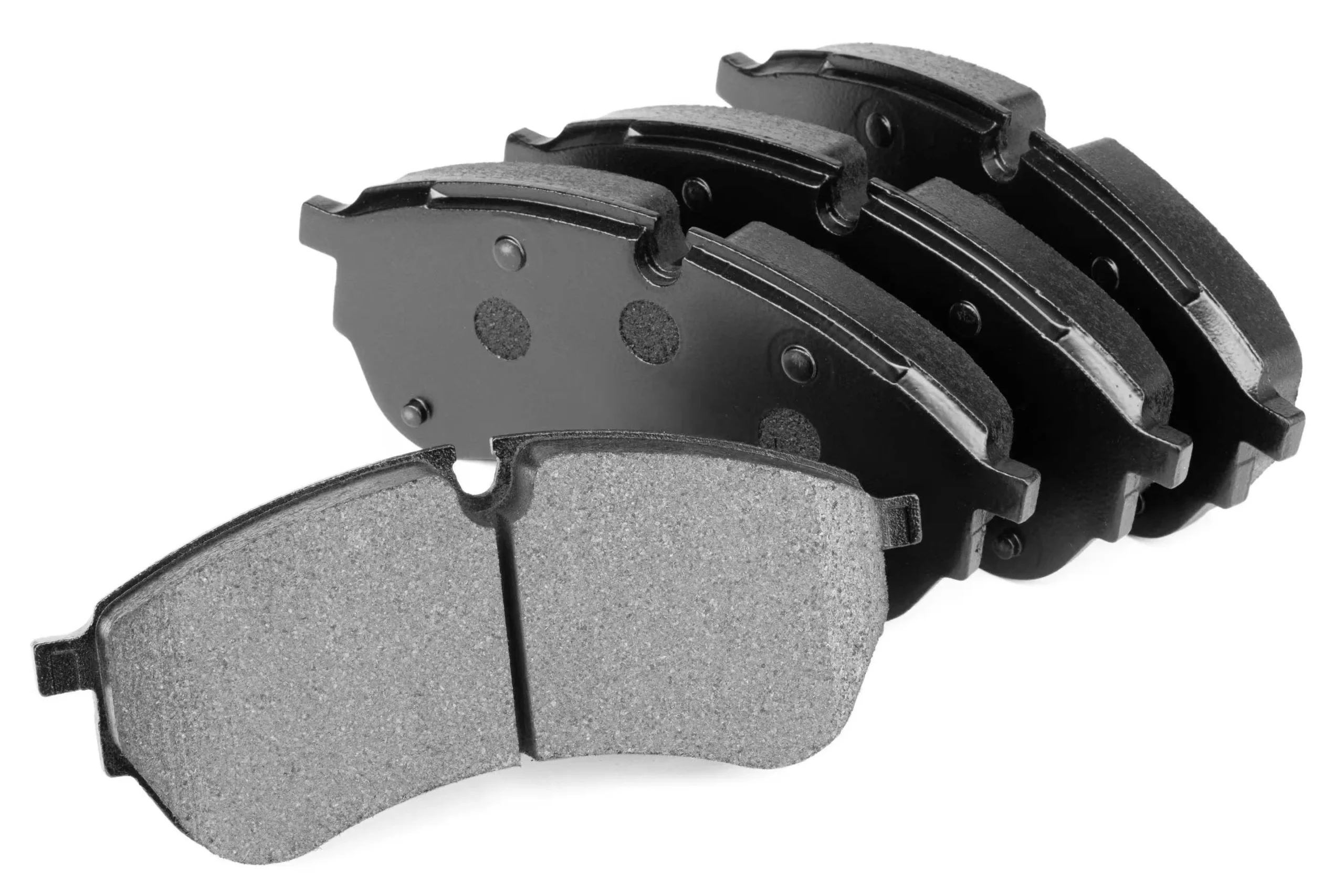
The stop-and-go traffic patterns in Metro Manila and Cebu create immense thermal stress on friction materials. Conventional brake pads & shoes often suffer from "brake fade" when subjected to prolonged heat cycles, necessitating materials with higher thermal stability.

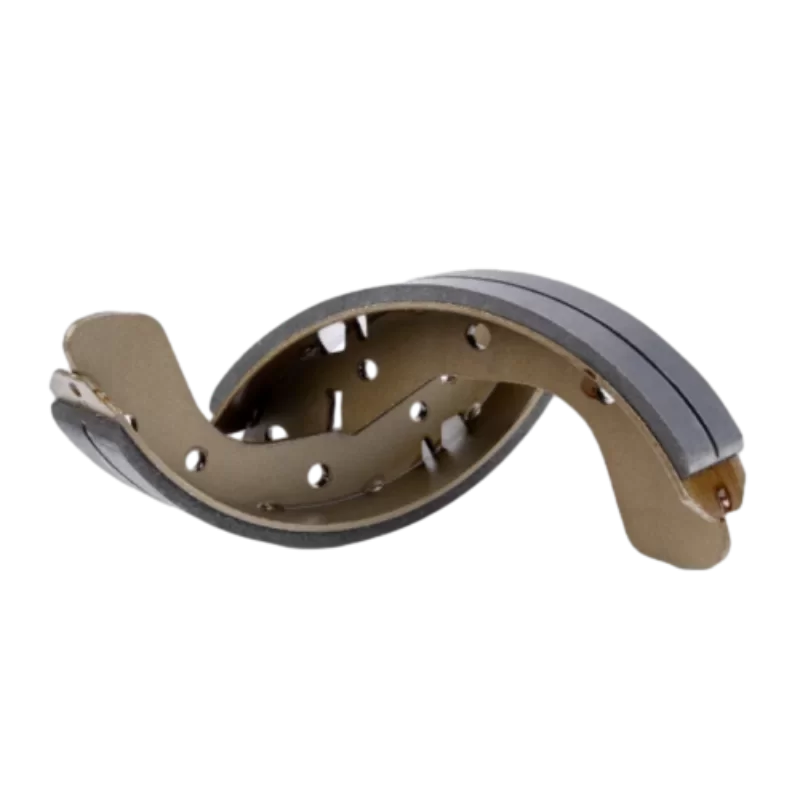
Moreover, the diverse fleet—ranging from lightweight multicabs to heavy-duty Jeepneys—requires a versatile range of friction solutions. There is a growing demand for a durable shoe brake shoe that can handle both urban congestion and rugged provincial terrain.

Evolution and Technical Trajectory of Friction Materials

From asbestos-based legacy parts to eco-friendly ceramic composites.

Market Development History

Prior to the early 2000s, the Philippine market relied heavily on organic asbestos-based materials. While effective for basic stopping, these posed significant health risks and suffered from rapid wear under the intense heat of Southeast Asian summers.

Between 2010 and 2020, a transition toward semi-metallic compositions occurred. This era introduced the brake pad designs that could better dissipate heat, though they often increased noise levels and rotor wear in city driving.

Currently, the industry has shifted toward Low-Steel and Ceramic-based formulas. This technical iteration focuses on reducing particulate emissions and increasing the lifespan of the friction lining, meeting stricter environmental standards in Asia.

Future Development Trends

Nano-Composite Friction Matrix

Integration of nano-particles to enhance the molecular bond between the binding resin and the friction modifiers, reducing wear by 20%.

Smart Wear Monitoring

Developing friction materials integrated with sensors that provide real-time wear data to the vehicle's ECU, preventing total lining failure.

Sustainable Non-Metallic Materials

Shift toward 100% copper-free formulations to comply with evolving global environmental regulations while maintaining high friction coefficients.

Industry Trends and Future Outlook

Strategic forecasting for the automotive braking sector in the Philippines.

EV-Ready Friction Systems
Optimization for regenerative braking systems where mechanical friction is used less frequently but must remain potent for emergencies.
Anti-Corrosion Coating
Implementation of advanced electro-galvanized coatings on the metal backing plates to survive humid Philippine coasts.
Noise-Reduction Shims
Integration of multi-layer noise-damping shims to eliminate high-frequency squeal in stop-and-go traffic.
Eco-Friendly Binders
Transitioning to phenolic resins with lower volatile organic compound (VOC) emissions during manufacture.

Industry Outlook

Based on search trends and regional growth, the demand for high-end aftermarket braking components in the Philippines is projected to rise as vehicle ownership increases and safety regulations tighten. The focus will shift from "lowest cost" to "lowest cost-per-kilometer."

We anticipate a surge in demand for specialized friction sets that can handle the extreme temperature differentials found in the Philippines, specifically materials that maintain a stable friction coefficient from 0°C to 600°C.

Local Application Scenarios in the Philippines

Practical implementation of high-durability braking solutions for diverse Philippine road use.

01. Metro Manila Urban Commuting

Heavy stop-and-go traffic requires friction materials that resist glazing and thermal fade, ensuring that city cars can stop reliably despite constant brake application.

02. Provincial Mountainous Transit

Vehicles traveling through the Cordillera region require heavy-duty braking sets to handle steep descents without overheating, preventing dangerous brake failure on slopes.

03. Coastal Area Logistics

Delivery trucks operating in salty, coastal air need backing plates with high corrosion resistance to prevent rust-induced separation of the friction material.

04. Public Utility Jeepneys (PUJ)

High-frequency braking in PUJs demands oversized, durable pads that can sustain high loads and frequent stops without rapid thickness loss.

05. Flood-Prone Area Navigation

Braking systems used in flood-prone cities like Manila require materials that quickly shed water and recover their friction coefficient after submersion.

Brand Story

Global Development Journey of Hengshui Kaiyuan Automotive Parts Co., Ltd.

Foundational Precision

Established with a mission to solve the inconsistency of friction materials in early automotive manufacturing, focusing on raw material purity.

Technological Breakthrough

Invested in automated hot-pressing technology to ensure uniform density across every single brake component produced.

Global Market Expansion

Expanded our reach into Asia, specializing in adapting product formulas to meet the specific climatic demands of tropical regions.

Quality Certification

Achieved international ISO standards, ensuring that every part exported meets rigorous safety and durability benchmarks.

Future Vision

Committed to lead the transition toward eco-friendly, zero-asbestos braking solutions for a safer and greener global road network.

Complete Braking Portfolio for the Philippines

A comprehensive range of friction solutions from urban light-duty to commercial heavy-duty applications.

Common Questions on Brake Systems in the Philippines

Expert answers to the most frequent concerns regarding brake maintenance in tropical climates.

How often should I replace a brake pad set in Metro Manila traffic?

Due to extreme stop-and-go conditions, we recommend inspecting your pads every 5,000 to 10,000 km. High-traffic urban driving accelerates wear compared to highway driving.

Do brake pads & shoes perform differently during the rainy season?

Yes, water can act as a lubricant between the pad and the rotor. Our advanced formulas include hydrophobic modifiers to ensure a fast return to peak friction after water exposure.

What is the best material for a shoe brake shoe in commercial PUVs?

For Public Utility Vehicles, we recommend semi-metallic or heavy-duty ceramic composites that can withstand high loads and repeated thermal cycles without fading.

Why does the brake pad shoe squeal in humid weather?

Squealing is often caused by vibration and surface oxidation. Using pads with integrated noise-reduction shims and high-quality coatings minimizes this effect.

Can I use the same brake pad for both city and mountain driving?

While a general-purpose pad works, we recommend high-temperature resistant ceramics if your route frequently includes steep descents to avoid thermal glazing.

Is the brake pad lifespan affected by the Philippines' coastal salinity?

Yes, salt accelerates rust on the backing plate. We use specialized anti-corrosion coatings to ensure the friction material remains securely bonded to the plate.

Request a Custom Braking Quote

Our technical team is ready to provide optimized braking solutions for your fleet in Philippines.

Contact Us Now

If you are interested in our products, you can choose to leave your information here, and we will be in touch with you shortly.