
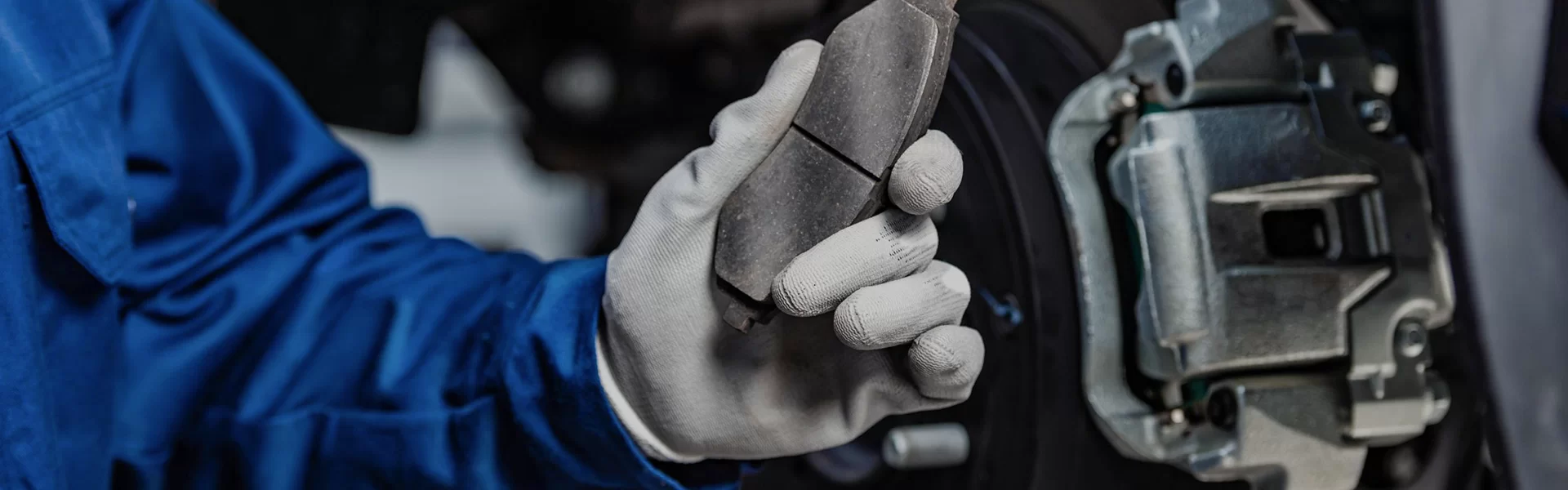
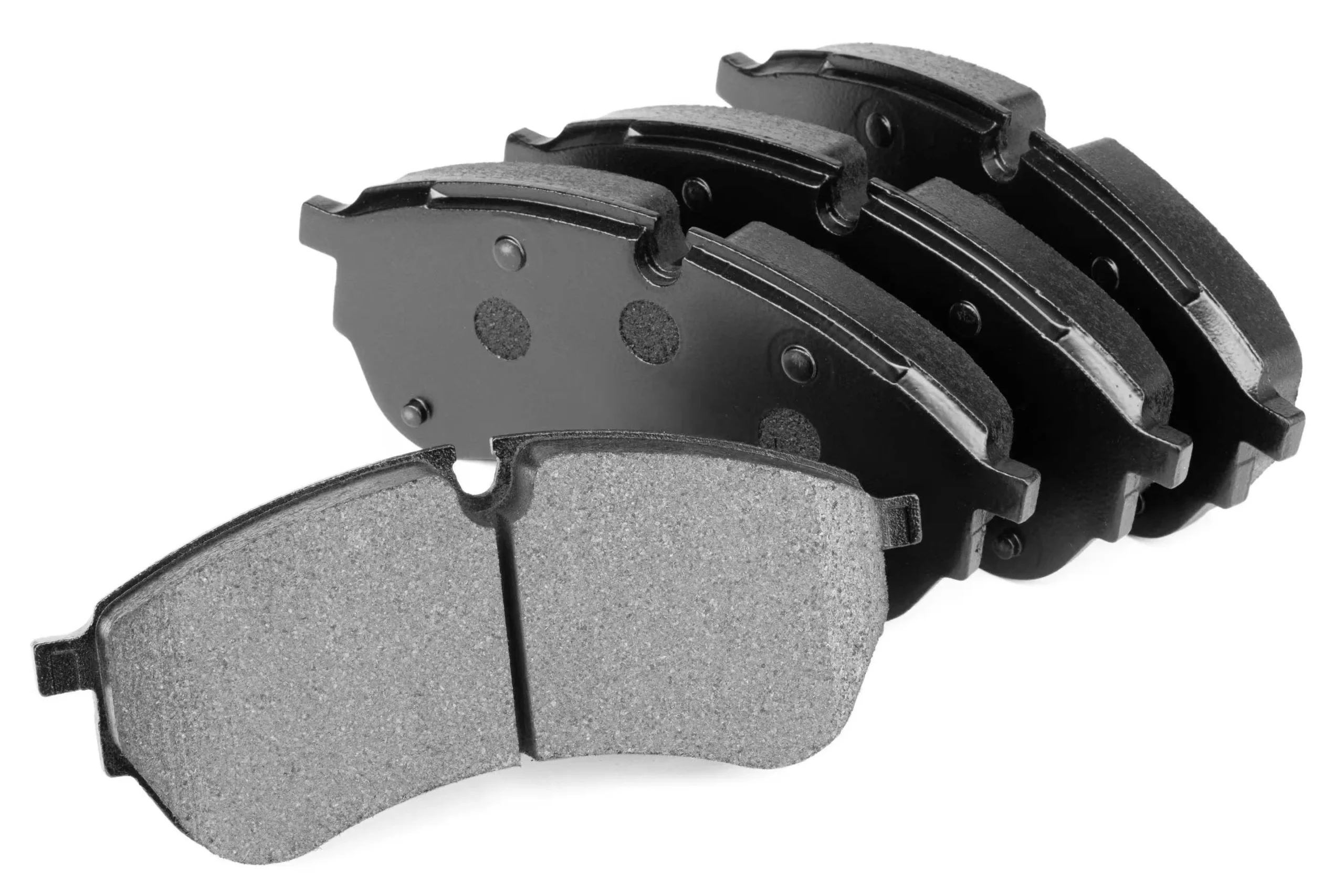
The Pakistani automotive market is characterized by a high density of mixed traffic and extreme temperature fluctuations. From the humid coastal areas of Karachi to the mountainous terrain of the north, the wear and tear on any the brake pad is accelerated by dust, heavy loads, and frequent stop-and-go cycles in congested urban centers like Lahore.
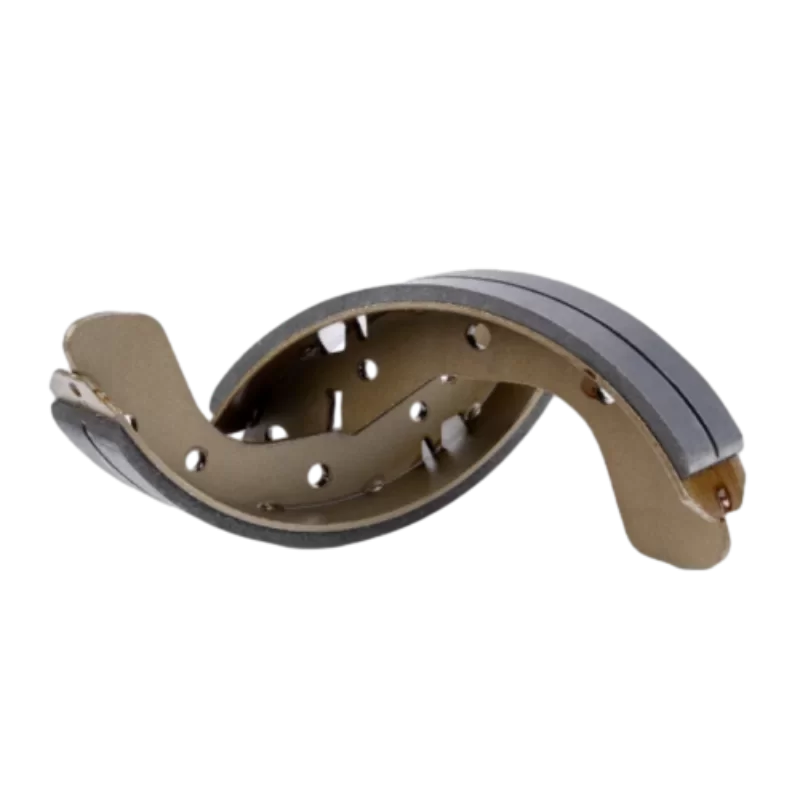
Currently, there is a significant shift from low-grade asbestos-based materials to semi-metallic and ceramic compositions. Local workshops are increasingly demanding a high-quality brake pad shoe that can withstand high thermal stress without glazing, as overheating is a common failure point during long-haul transport on the National Highway.
Economic volatility has led to a surge in the aftermarket segment, where the balance between cost and safety is critical. The market is moving toward standardized, OEM-equivalent shoe brake shoe systems that offer extended service life, reducing the total cost of ownership for commercial fleet operators.


