HighPerformance brake pad set Solutions for Kazakhstan

High-Performance brake pad set Solutions for Kazakhstan

Engineered for extreme temperature fluctuations and rugged terrains, ensuring maximum safety and durability for the Kazakhstan automotive market.

High-Performance brake pad set Solutions for Kazakhstan

Providing world-class braking friction materials designed specifically to handle the diverse climatic challenges of the Kazakh steppe and urban centers.

Current Market Status of brake pads & shoes in Kazakhstan

Analyzing the intersection of extreme geography and automotive maintenance needs.

The Kazakhstan automotive market faces a unique challenge: extreme continental climate. With winters dropping to -40°C and summers soaring above 40°C, the thermal expansion and contraction of a brake pad shoe can lead to premature glazing or cracking if the material is not specifically formulated for such variances.

Currently, there is a significant demand for heavy-duty components due to the prevalence of SUVs and commercial vehicles used in mineral extraction and agricultural sectors. The reliance on imported parts has created a market gap for high-quality, cost-effective brake pads & shoes that can withstand the dust and grit of the steppe roads.

Urbanization in Almaty and Astana has increased the volume of stop-and-go city traffic, shifting the demand toward low-noise and low-dust formulations. This dual-market nature—rugged rural use versus refined urban commuting—requires a versatile range of braking solutions.

Evolution and Technical Trajectory of the brake pad

From basic asbestos-based friction to advanced ceramic composites.

Market Development History

In the early 2000s, the Kazakhstan market relied heavily on legacy Soviet-era organic friction materials, which provided basic stopping power but suffered from rapid wear in harsh environments.

By 2010-2015, the shift toward semi-metallic formulations became prominent. These offered better heat dissipation and were ideal for the heavy-load transport vehicles common in the region's logistics corridors.

From 2018 to the present, there has been a rapid adoption of NAO (Non-Asbestos Organic) and ceramic technologies. This evolution has focused on improving the longevity of the shoe brake shoe while reducing environmental pollutants.

Future Development Trends

Eco-Friendly Low-Copper Formulations

Driven by global environmental standards, there is a trend toward reducing copper content in friction materials without compromising the coefficient of friction.

Intelligent Wear Sensing Integration

Future sets will likely integrate smarter wear sensors that communicate directly with vehicle ECUs to provide precision maintenance alerts for Kazakhstan's long-distance drivers.

High-Thermal Stability Ceramics

Development is shifting toward nano-ceramic composites that maintain a stable friction coefficient across the extreme -40°C to +40°C range typical of Central Asia.

Industry Trends and Future Outlook for Braking Systems

Navigating the transition toward sustainable and high-efficiency friction materials.

Ceramic Material Dominance
Increasing shift toward ceramic compositions to reduce brake dust and extend the lifespan of the brake pad shoe.
EV-Specific Friction
Developing materials for Electric Vehicles that handle regenerative braking patterns and higher vehicle weights.
Precision Manufacturing
Implementation of automated grinding and slotting to reduce NVH (Noise, Vibration, Harshness) in braking.
Sustainable Sourcing
Transitioning to bio-based binders to replace synthetic resins, reducing the carbon footprint of production.

Industry Outlook

Based on Google search trends in Central Asia, there is a growing interest in "long-life brake pads" and "winter-proof automotive parts," indicating a consumer shift toward value-retention and safety reliability over the lowest initial cost.

The next 3-5 years will see Kazakhstan's market move toward standardized OE (Original Equipment) quality for the aftermarket, as vehicle owners transition from basic replacement to performance-oriented upgrading.

Localized Application Scenarios for Kazakhstan

Real-world implementations across the diverse landscapes of the region.

1. Almaty Urban Commute

Implementing low-noise ceramic brake pads & shoes to handle frequent stop-start traffic in mountainous urban terrain, reducing brake fade during steep descents.

2. Steppe Logistics Haulage

Deploying heavy-duty semi-metallic sets for long-haul trucks traversing the vast plains, focusing on high-temperature stability to prevent glazing during emergency stops.

3. Winter Operation in Astana

Utilizing specialized friction materials that remain flexible and effective at -40°C, preventing the brittle failure common in standard the brake pad components.

4. Mining Site Utility Vehicles

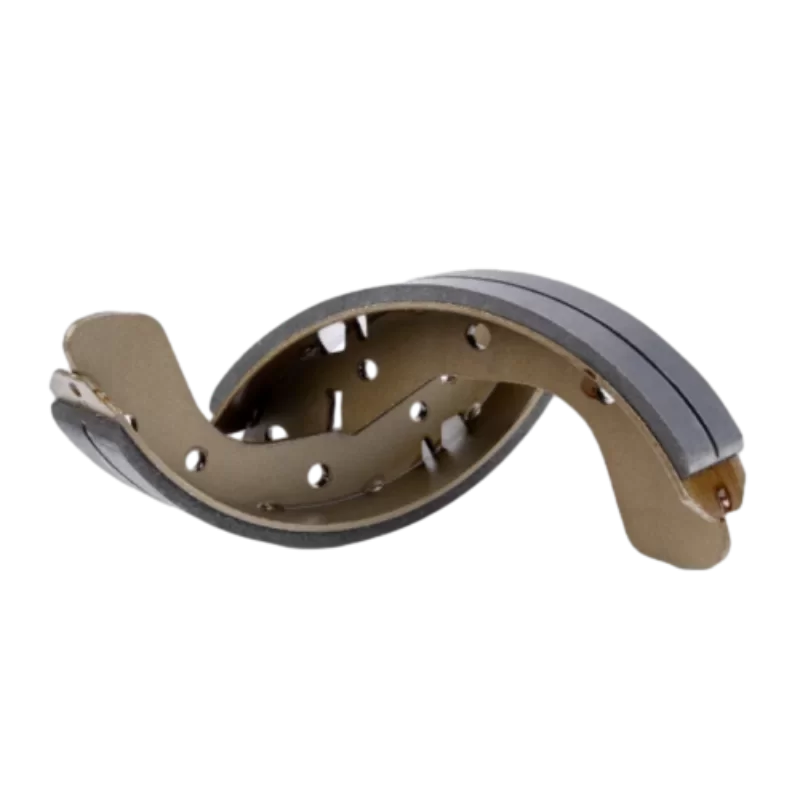
High-durability shoe brake shoe applications for off-road utility vehicles in the Karaganda mining region, designed to resist abrasive mineral dust.

5. Agricultural Machinery Support

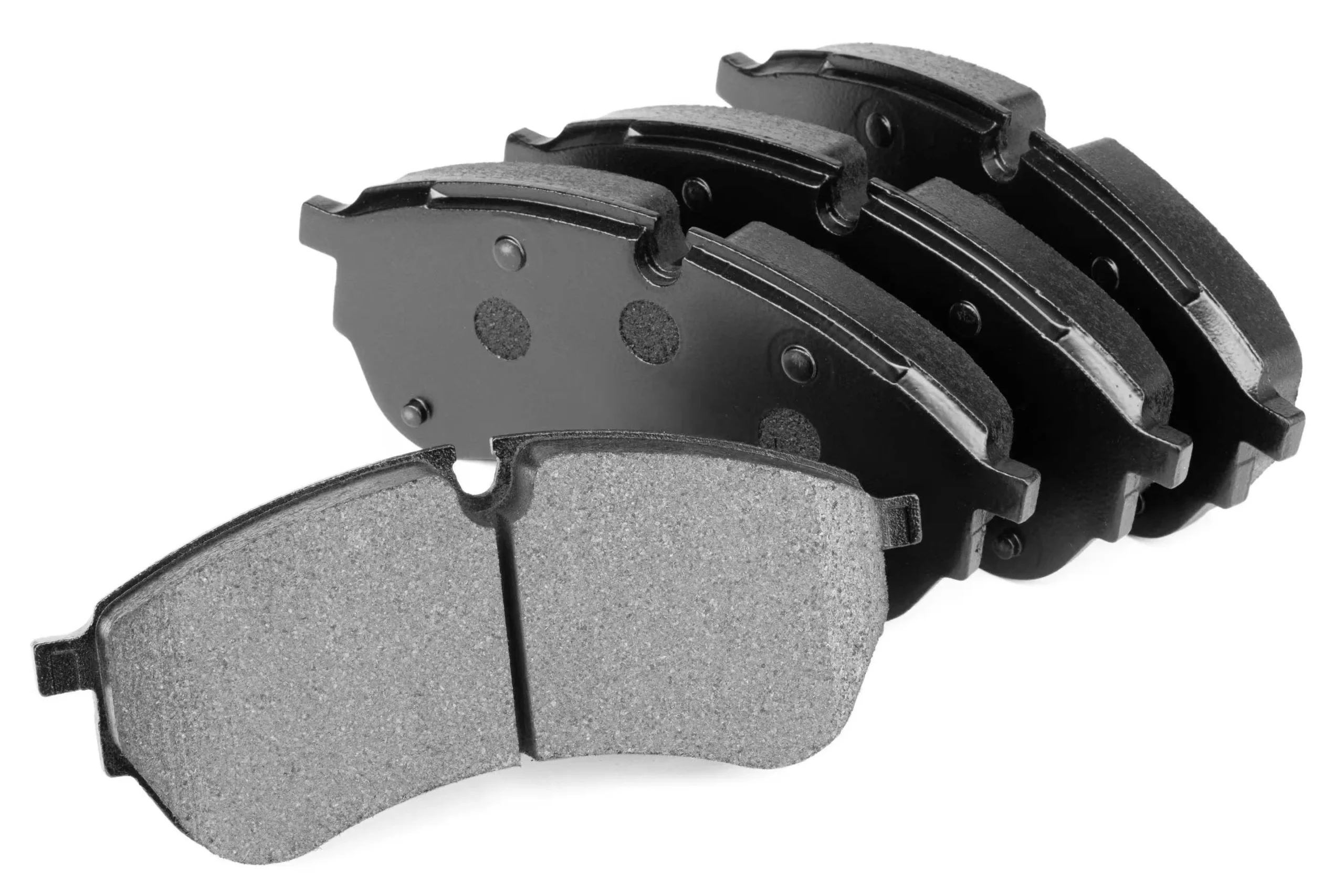
Providing reinforced brake pad set options for tractors and harvesters, ensuring reliable braking under maximum payload during harvest seasons.

Brand Story

Global Development History of Hengshui Kaiyuan Automotive Parts Co., Ltd.

Foundational Precision

Established with a vision to eliminate braking instability, we began by mastering the metallurgy of friction plates to solve the problem of uneven wear.

Technical Innovation

Invested in advanced R&D to develop non-asbestos organic formulas, significantly reducing health risks for installers and environmental impact.

Global Market Expansion

Expanded our footprint into Central Asia, tailoring our products to withstand the unique thermal challenges of the Kazakhstan region.

Quality Standardization

Achieved international quality certifications, ensuring every set produced meets rigorous safety standards for high-speed and heavy-load braking.

Sustainable Future

Currently leading the transition toward "Green Friction" materials, combining maximum stopping power with zero harmful emissions.

Comprehensive Braking Portfolio for Kazakhstan

A complete range of friction solutions from urban economy to industrial heavy-duty.

Kazakhstan Braking Systems FAQ

Technical answers for common local challenges.

How does extreme cold affect a brake pad shoe in Kazakhstan?

Extreme cold can cause standard materials to become brittle or lose their friction coefficient. Our localized solutions use specialized binders that maintain elasticity and grip even at -40°C.

What is the best brake pad set for Almaty's hilly roads?

For hilly terrain, we recommend our high-thermal stability ceramic pads, which prevent brake fade during prolonged descents and offer superior heat dissipation.

How often should I replace the brake pad in heavy-duty Kazakh trucks?

Given the abrasive dust of the steppe, we recommend inspecting every 10,000km and replacing when the friction material reaches 3mm to ensure safety under full load.

Are ceramic brake pads & shoes suitable for rural Kazakhstan?

Yes, ceramic options provide excellent durability and lower wear rates, making them ideal for drivers who have limited access to frequent maintenance workshops.

Do you offer shoe brake shoe sets for Soviet-era vehicle modifications?

We provide a wide range of compatible friction materials designed to fit both legacy systems and modern upgrades, ensuring a secure fit and reliable performance.

What causes squeaking in the brake pad during Kazakh winters?

Squeaking is often caused by moisture freezing on the pad surface. Our latest sets include anti-noise shims and hydrophobic coatings to minimize this issue.

Secure Your Journey Today

Contact our specialists for high-performance braking solutions delivered across Kazakhstan.

Contact Us Now

If you are interested in our products, you can choose to leave your information here, and we will be in touch with you shortly.