
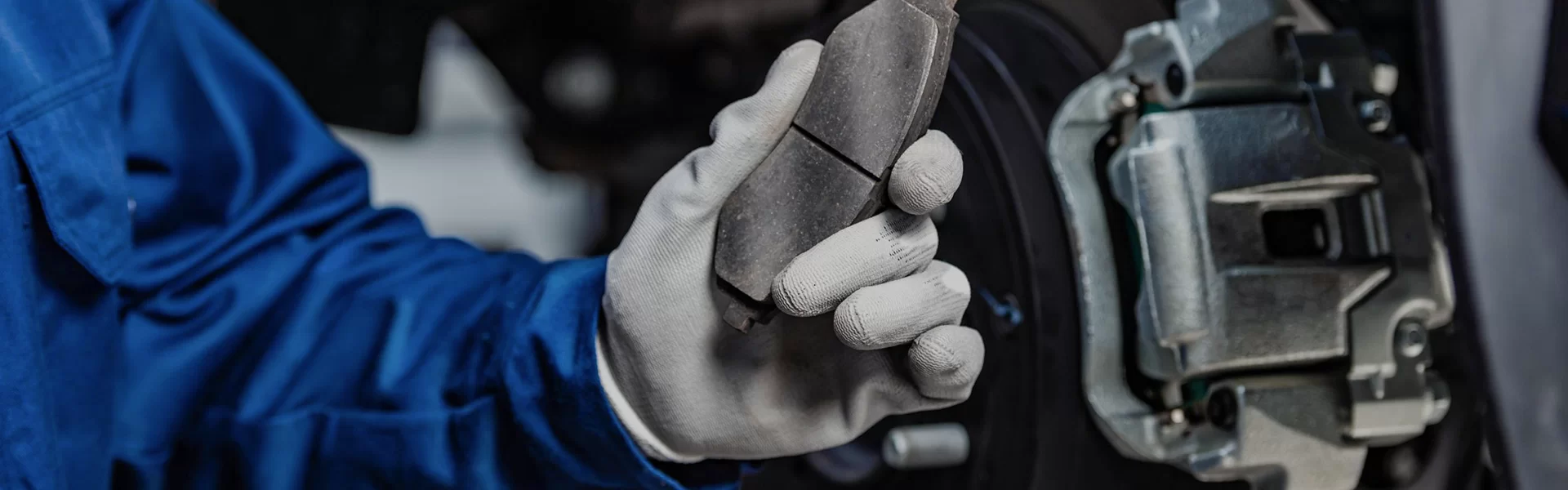
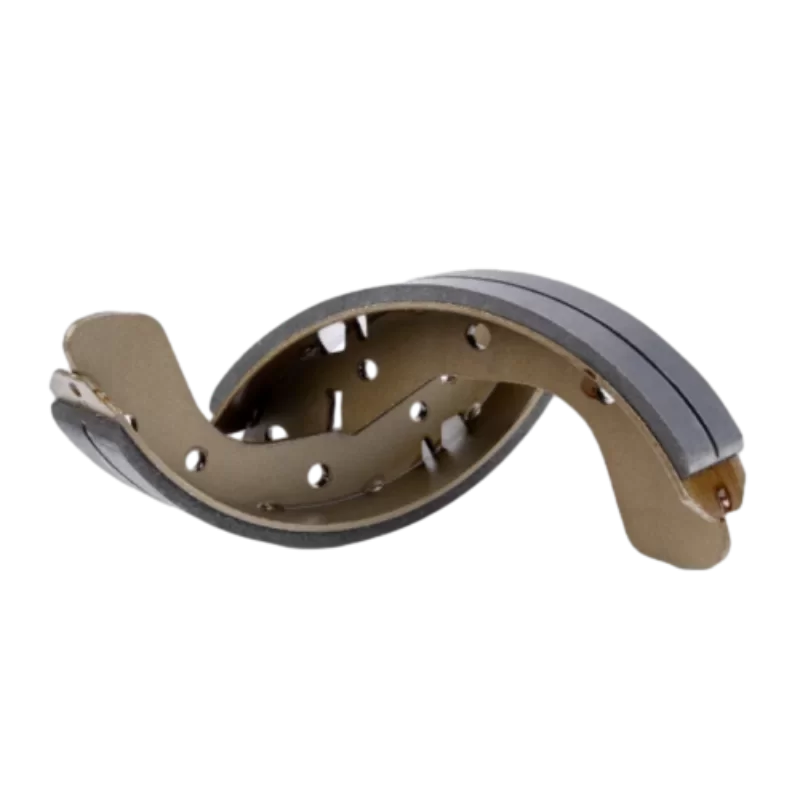
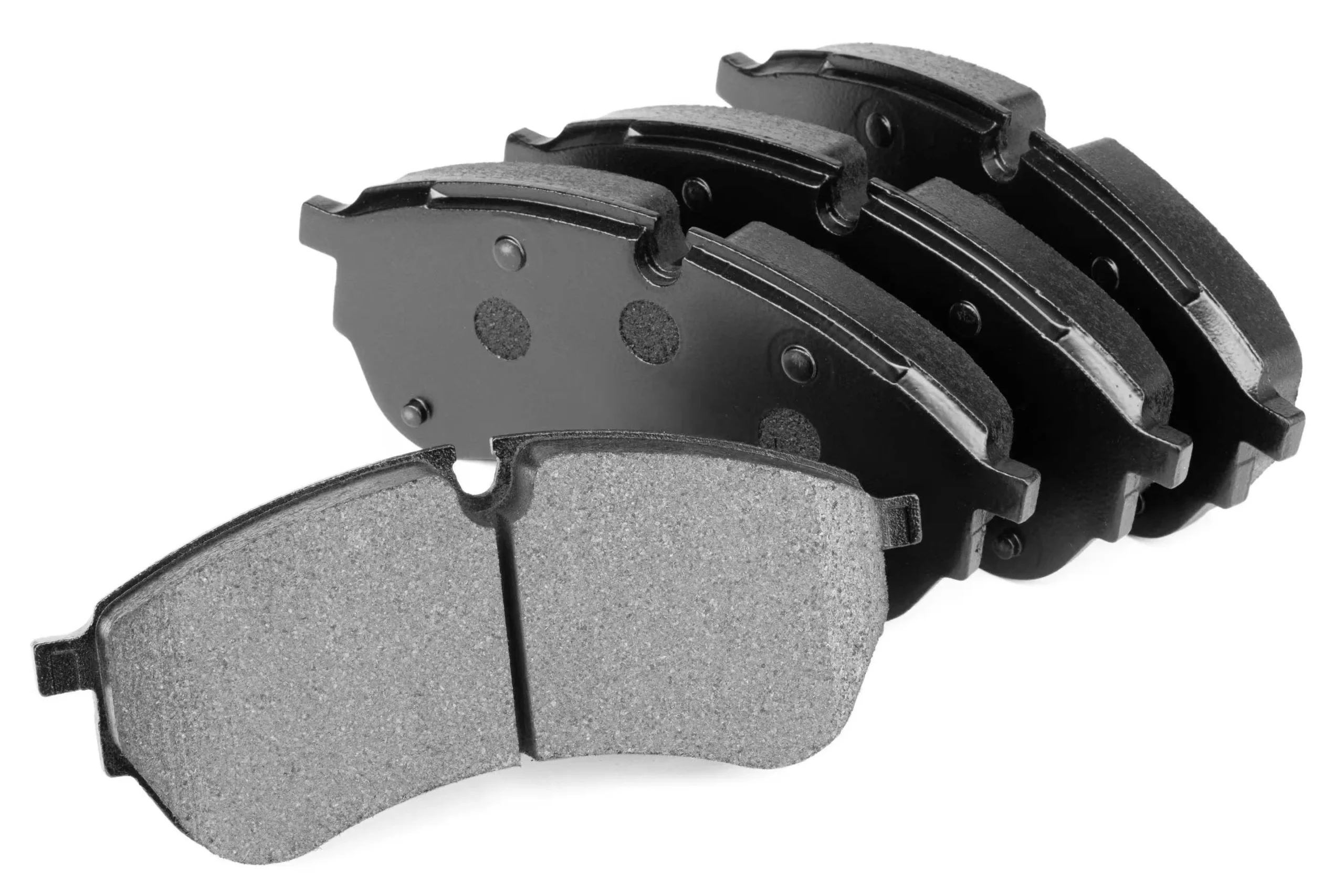
Portugal's unique geography, featuring steep urban inclines in Lisbon and Porto and long coastal highways, places extreme thermal stress on every brake pad shoe. The high humidity from the Atlantic Ocean necessitates materials that resist corrosion and maintain a stable coefficient of friction under damp conditions.
Currently, the Portuguese market is seeing a shift toward "Eco-friendly" friction materials. With strict EU regulations, the transition away from copper-based components to ceramic and low-metallic brake pads & shoes is accelerating to reduce particulate emissions in urban centers.
Furthermore, the rise of electric vehicle (EV) adoption in Portuguese cities is altering braking patterns. The integration of regenerative braking means the physical shoe brake shoe is used less frequently but must perform flawlessly during emergency stops, requiring specialized low-wear formulations.


