
Premium brake pad set Solutions for Bulgaria

Premium brake pad set Solutions for Bulgaria

High-performance braking systems engineered for the diverse terrains and climatic demands of the Bulgarian automotive market.

Premium brake pad set Solutions for Bulgaria

Providing specialized friction materials and precision-engineered brake components to ensure maximum safety and durability for vehicles operating across Bulgaria.

Bulgarian Market Dynamics for brake pads & shoes

Analyzing the impact of geography and climate on brake wear in the Balkan region.

Bulgaria's unique geography, characterized by the Balkan Mountains and the Rhodope range, places extreme stress on braking systems. Vehicles frequently encounter steep gradients and sharp curves, necessitating a high-grade brake pad shoe that can withstand prolonged thermal loading without fading.

The continental climate, with humid winters and scorching summers, accelerates the corrosion of metal components. This environment requires friction materials with advanced chemical stability to prevent oxidation and maintain consistent stopping power across all seasons.

Economically, the Bulgarian market is shifting toward a preference for European-standard certified parts. There is a growing demand for a durable shoe brake shoe for commercial fleets operating in logistics hubs like Sofia and Plovdiv, where duty cycles are intensive.

Evolution of Braking Technology in Bulgaria

From traditional asbestos-based materials to eco-friendly high-performance ceramics.

Market Development History

In the early 2000s, the Bulgarian market relied heavily on traditional semi-metallic components. These offered basic functionality but suffered from high noise levels and rapid wear under the heavy loads typical of Balkan transport.

Between 2010 and 2020, there was a significant transition toward Low-Steel and Non-Asbestos Organic (NAO) materials. This era saw the widespread adoption of the modern the brake pad standards, aligning with EU environmental regulations to reduce hazardous dust emissions.

Today, the focus has shifted to "smart friction," where materials are engineered at the molecular level to provide a balance between noise reduction and extreme thermal resistance, specifically tailored for the hybrid and electric vehicles appearing in Sofia.

Future Development Trends

Copper-Free Transition

Driven by EU environmental directives, the shift toward 100% copper-free friction materials is accelerating to protect Bulgaria's groundwater and soil ecosystems.

Ceramic-Matrix Composites

Increased demand for premium vehicles in urban centers is driving the adoption of ceramic composites that offer nearly zero dust and exceptional longevity.

IoT-Integrated Wear Sensing

The integration of digital wear sensors into the brake assembly will allow Bulgarian fleet managers to perform predictive maintenance, reducing roadside failures.

Industry Outlook & Strategic Trends

Predicting the trajectory of automotive friction materials for 2025-2030.

Sustainable Friction Materials
Rapid adoption of organic binders to eliminate heavy metal leaching in alignment with Green Deal policies.
EV-Specific Formulation
Optimizing for regenerative braking systems to prevent glazing and maintain friction coefficients.
Thermal Management
Developing slotted and vented designs to combat brake fade during descent in the Bulgarian mountains.
Precision Manufacturing
Implementation of AI-driven quality control to ensure zero-defect tolerances for high-speed transit.

Industry Outlook

Google search trends indicate a rising interest in "long-life brake pads" and "dust-free braking" among Eastern European consumers. This suggests a market pivot from low-cost replacements to high-value, durable components.

The synergy between additive manufacturing and friction material science will likely lead to customized brake sets tailored for specific Bulgarian logistics routes, maximizing the lifecycle of each component.

Local Application Scenarios in Bulgaria

Real-world deployment of our braking solutions across different Bulgarian environments.

01. Mountainous Transit in the Balkan Range

Vehicles transporting goods across steep mountain passes require high-friction coefficients. Our heavy-duty sets prevent overheating and ensure reliable stopping power during long descents.

02. Urban Commuting in Sofia

Stop-and-go traffic in the capital demands low-noise and low-dust materials. Our city-optimized pads reduce acoustic pollution and keep rims cleaner for urban drivers.

03. Black Sea Coast Logistics

High humidity and salt air near Varna and Burgas cause rapid corrosion. Our specially coated components resist oxidation, extending the life of the braking assembly.

04. Agricultural Machinery in the Danubian Plain

Heavy tractors and machinery operating in muddy conditions require reinforced shoes that resist abrasive wear and environmental contamination.

05. Intercity High-Speed Travel

For vehicles traversing the Trakia motorway, our high-velocity stable friction materials provide consistent performance at speeds above 130 km/h.

Brand Story

Global Development History of Hengshui Kaiyuan Automotive Parts Co., Ltd.

Foundational Excellence

Established with a vision to redefine friction safety, we started by mastering the core metallurgy of automotive braking.

Technological Breakthrough

We pioneered a proprietary bonding process that significantly increased the shear strength of our friction materials.

Global Expansion

Expanding our footprint into Europe, we adapted our products to meet the rigorous ECE R90 certification standards.

Eco-Innovation Hub

Invested in R&D to create the next generation of copper-free and asbestos-free pads for a greener planet.

Strategic Partnership

Now serving the Bulgarian market as a trusted OEM and aftermarket partner, ensuring safety on every road.

Complete Braking Portfolio for Bulgaria

A comprehensive range of friction solutions tailored for passenger cars, LCVs, and heavy-duty trucks.

Bulgarian Automotive Braking FAQ

Expert answers to the most common technical queries in the region.

How often should I replace a brake pad set in mountain regions?

Due to the frequent use of brakes on slopes in Bulgaria, we recommend inspections every 10,000 km. High-performance sets typically last longer but thermal stress accelerates wear.

What is the difference between a brake pad shoe and a disc pad?

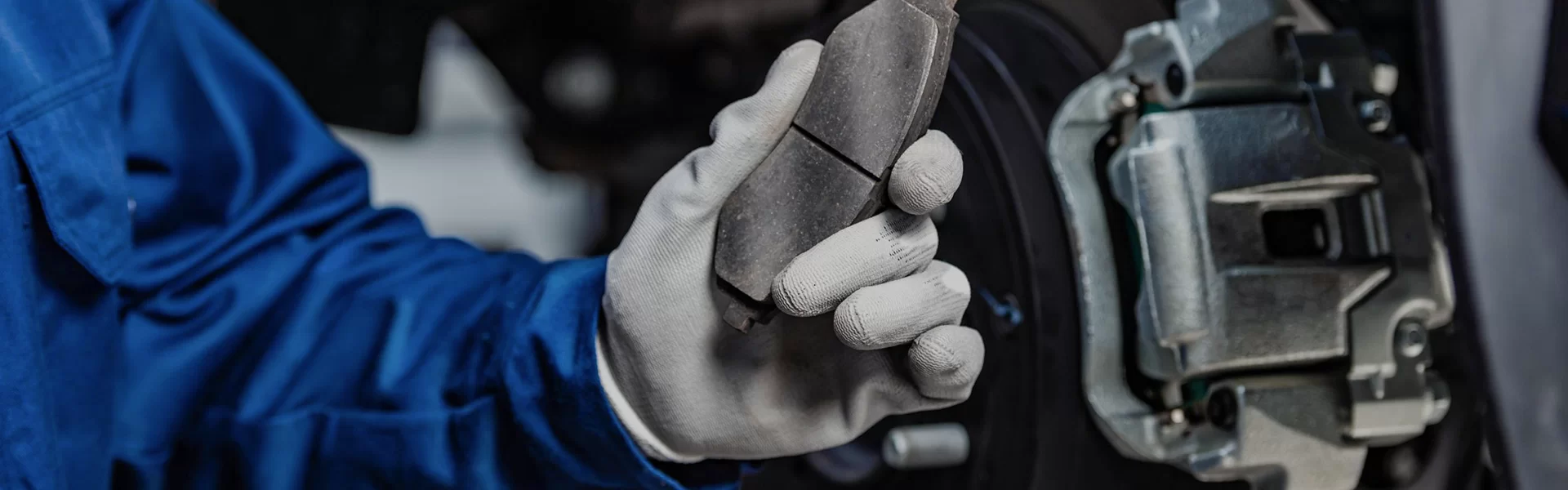
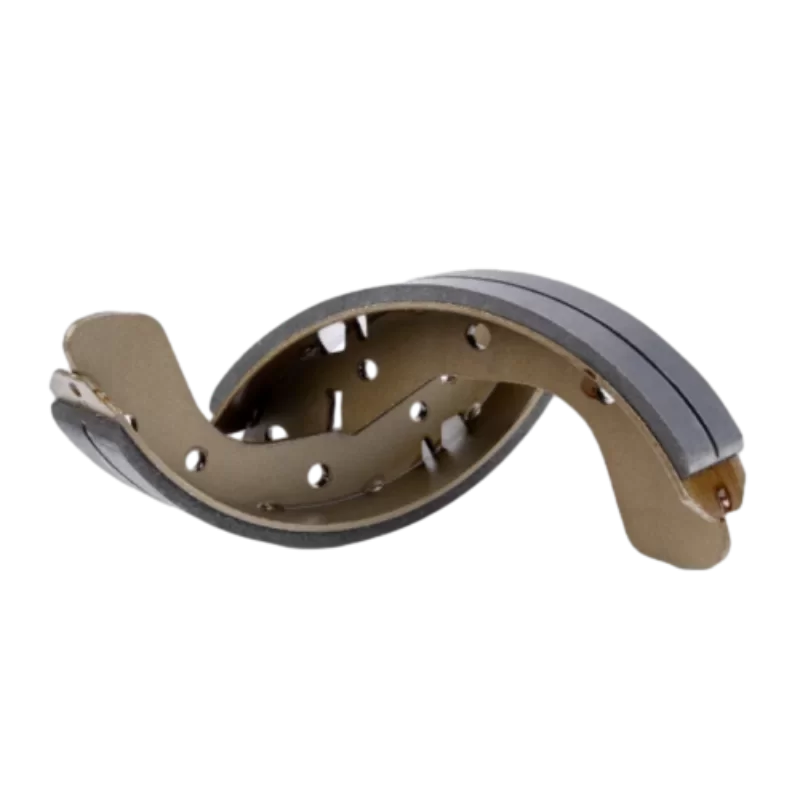
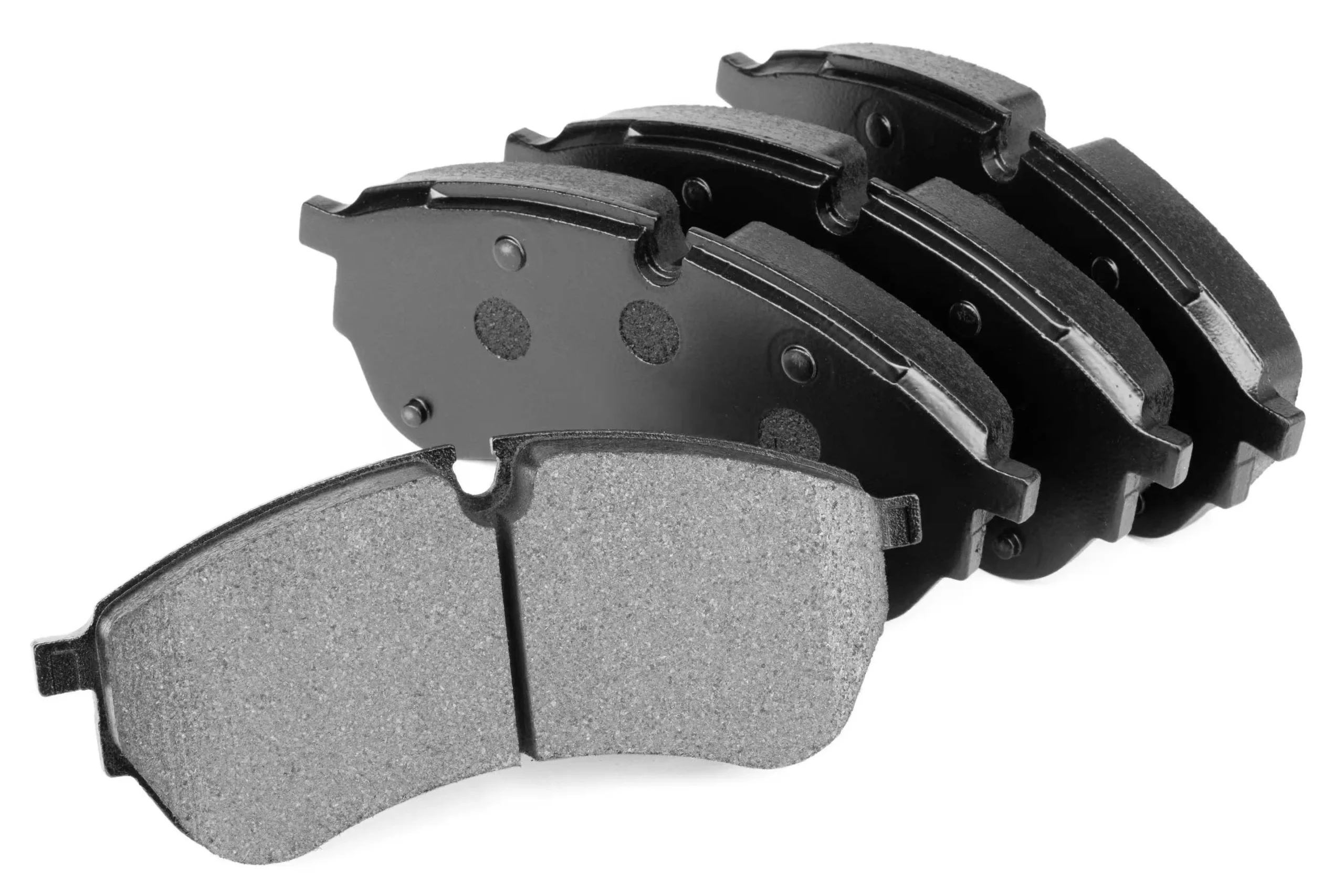
A brake pad shoe is typically used in drum brake systems (common for rear axles or heavy loads), whereas disc pads are used in caliper-based disc systems for better heat dissipation.

Do your brake pads & shoes meet European ECE R90 standards?

Yes, all our products are engineered and tested to meet or exceed the ECE R90 certification, ensuring they perform identically to original equipment.

Why is the shoe brake shoe essential for heavy commercial vehicles?

Drum brakes provide higher torque and better parking hold, making the shoe design essential for the heavy freight trucks operating in Bulgaria's logistics sector.

Can the brake pad cause squealing in cold Bulgarian winters?

Squealing is often caused by surface glazing or cold-weather crystallization. Our pads feature advanced shims and slots to minimize noise in extreme temperatures.

How to choose the right friction material for urban driving in Sofia?

For urban environments, we recommend ceramic or low-metallic formulas that offer low noise, low dust, and smooth modulation for frequent braking.

Get Expert Braking Advice

Contact our technical team today for customized braking solutions delivered across Bulgaria.

Contact Us Now

If you are interested in our products, you can choose to leave your information here, and we will be in touch with you shortly.