
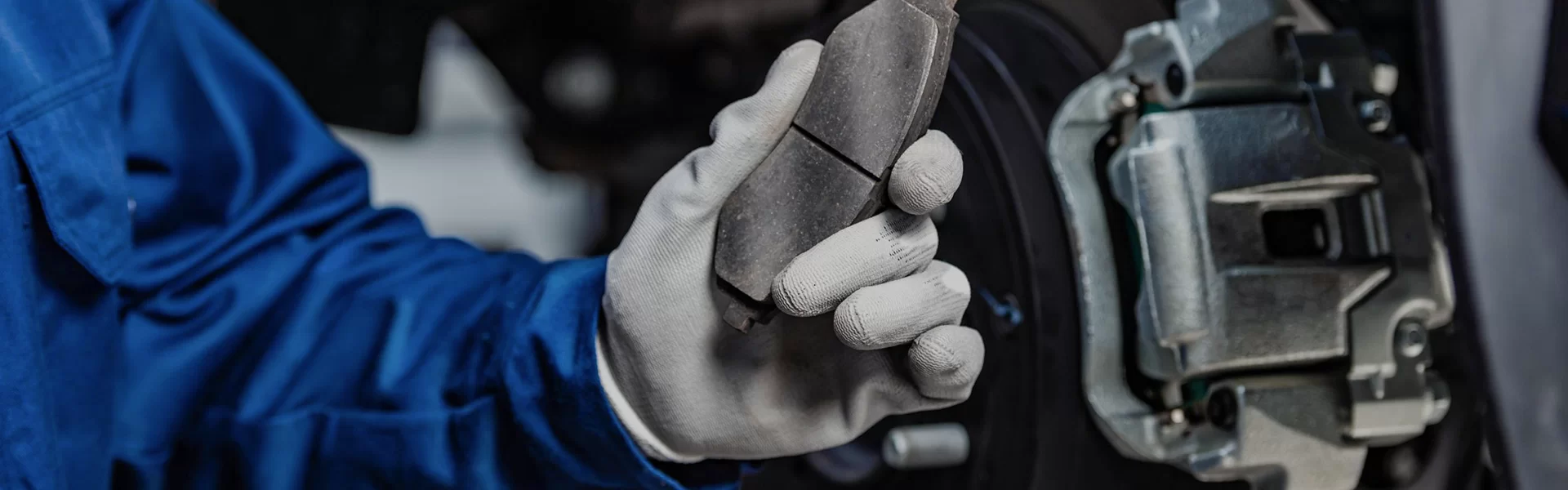
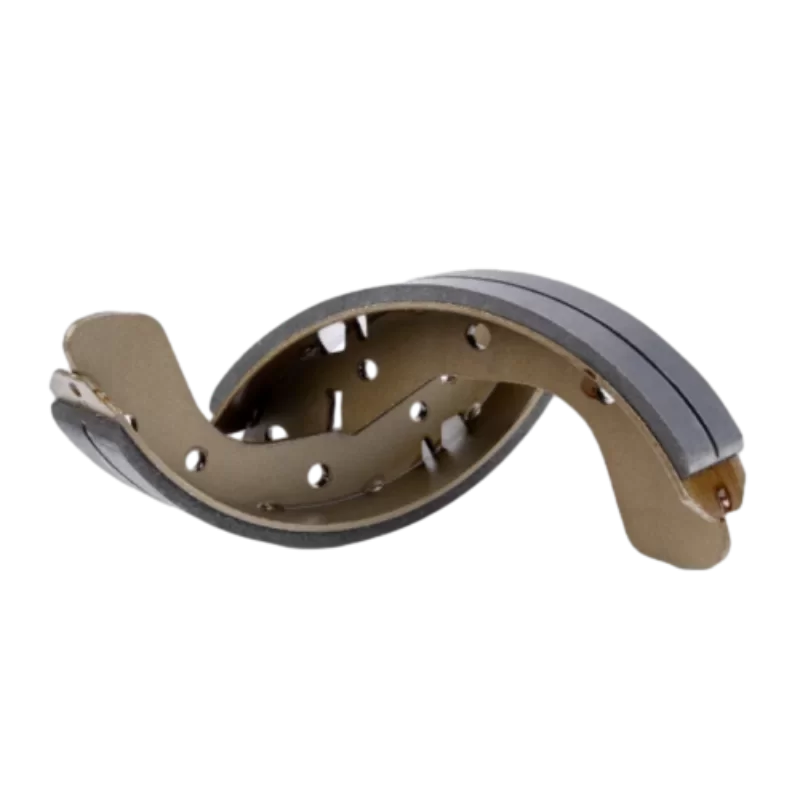
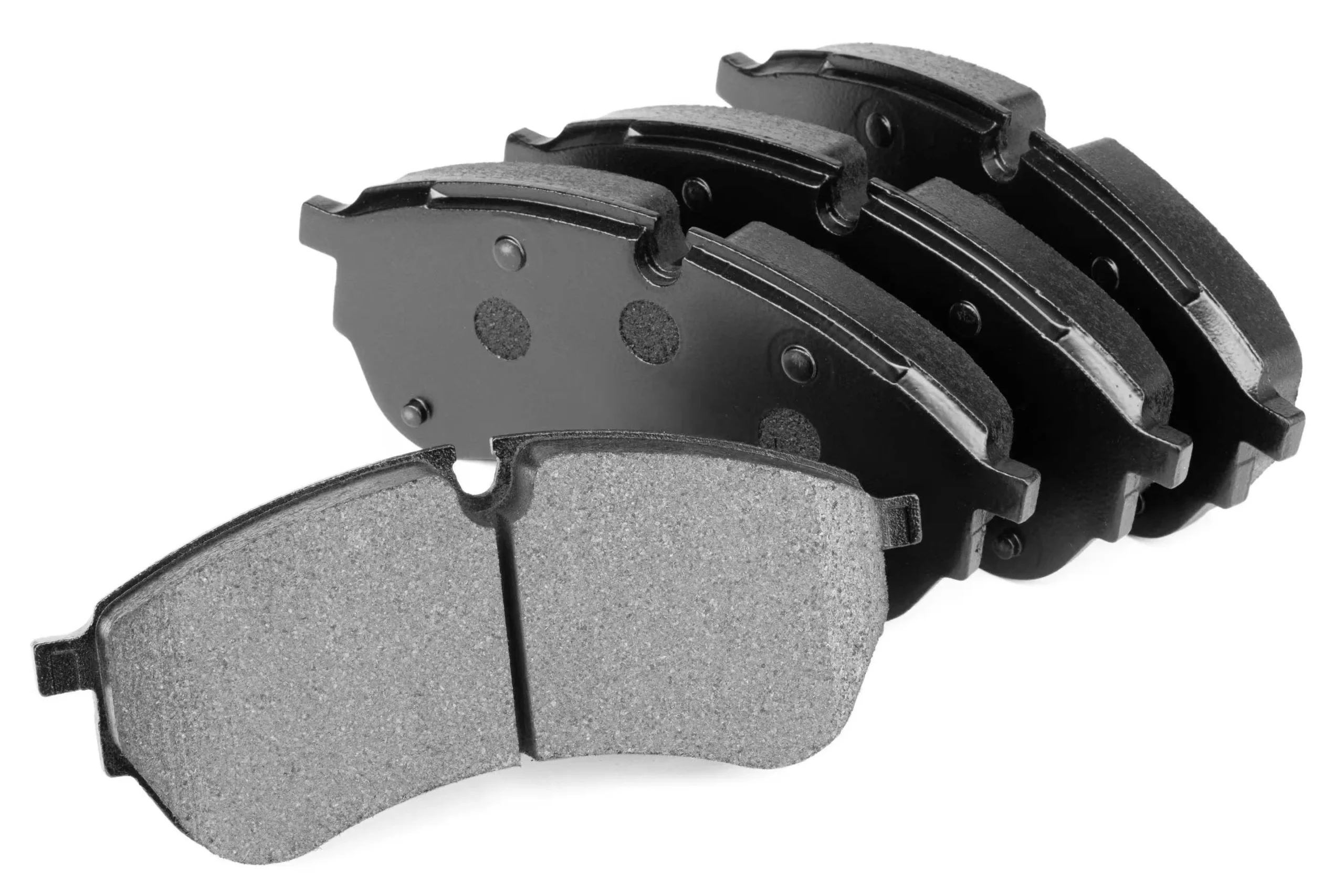
Premium brake pad set Solutions for US Automotive Markets

Premium brake pad set Solutions for US Automotive Markets

Engineering high-performance friction materials tailored for the diverse driving conditions of North America.

Premium brake pad set Solutions for US Automotive Markets

Providing the United States automotive industry with OE-grade friction components that ensure safety, durability, and noise reduction across all vehicle segments.

The Current State of Braking Systems in the United States

Analyzing the operational challenges and market demands for friction materials in North America.

The US market is characterized by extreme climate variance, from the humid subtropics of Florida to the freezing winters of the Midwest. This requires brake pads & shoes that can maintain a stable coefficient of friction despite drastic temperature swings, preventing brake fade during long highway hauls.

With the prevalence of heavy-duty pickup trucks and large SUVs in North America, there is an intensified demand for a robust shoe brake shoe capable of handling higher payloads and towing capacities. The wear rate in these segments is significantly higher, pushing the industry toward longer-lasting ceramic and semi-metallic compositions.

Furthermore, stringent EPA regulations regarding non-asbestos organic (NAO) materials have shifted the manufacturing landscape. Modern US distributors now prioritize the brake pad designs that eliminate copper content to protect local waterways while maintaining high stopping power.

Evolution and Technical Trajectory of Friction Components

From traditional organic linings to smart, eco-friendly braking technologies.

Market Development History

In the late 20th century, the US market relied heavily on asbestos-based materials. However, the transition to semi-metallic formulations in the 1990s marked a pivotal shift, providing the thermal conductivity needed for the high-speed interstate driving common in the US.

By the 2010s, the "Low-Dust" revolution took hold. The introduction of advanced ceramic brake pad shoe technology addressed the consumer demand for cleaner wheels and quieter operation in urban environments like New York and Los Angeles.

From 2020 to the present, the focus has shifted toward integration with Electronic Stability Control (ESC) and regenerative braking systems in EVs, necessitating materials that can handle intermittent usage patterns without glazing.

Future Development Trends

Copper-Free Compliance

Accelerating the transition to 100% copper-free materials to meet the strictest environmental mandates across all 50 states.

EV-Specific Friction Formulations

Developing low-wear compounds for electric vehicles that rely less on mechanical braking, reducing oxidation and corrosion.

Smart Wear Sensing

Integrating embedded sensors into the brake pad set to provide real-time telemetry for predictive maintenance.

Industry Trends and Future Outlook

Strategic forecasting for the North American automotive braking sector.

Sustainability Transition
Rapid adoption of bio-based binders to replace phenol resins in friction materials.
EV Optimization
Designing pads for lower operating temperatures to prevent corrosion in regenerative systems.
Noise Cancellation
Implementing advanced shim technology to eliminate high-frequency brake squeal.
Precision Manufacturing
Utilization of AI-driven quality control to ensure zero-defect friction slabs.

Industry Outlook

Based on Google search trends for "low dust brakes" and "EV brake maintenance," we anticipate a 15% CAGR in the demand for premium ceramic components in the US over the next 5 years. The shift toward "green" braking is no longer optional but a core competitive requirement.

As autonomous vehicle fleets expand in North American urban centers, the stress profiles on braking systems will change, requiring a new generation of ultra-durable friction materials that can withstand constant, micro-adjustments of automated braking algorithms.

Localized Application Scenarios in the United States

Real-world performance cases across different US terrains and usage patterns.

01. Heavy-Duty Towing in the Rocky Mountains

Implementing high-thermal stability brake pads & shoes for trucks transporting heavy loads through steep alpine descents to prevent thermal fade.

02. Stop-and-Go Commuting in Los Angeles

Utilizing ultra-low-noise ceramic formulations for daily commuters facing extreme congestion, reducing driver fatigue and urban noise pollution.

03. Winter Operation in the Rust Belt

Applying corrosion-resistant coatings to the brake pad set to withstand road salt and brine treatments used in Northeast winters.

04. Long-Haul Logistics on the I-10 Corridor

Optimizing the wear-life of the shoe brake shoe for commercial fleets operating in high-temperature desert environments.

05. High-Performance Driving in Florida

Engineering heat-dissipating friction materials for luxury sports vehicles that require immediate response and consistency in high-humidity conditions.

Brand Story

Global Development Journey of Hengshui Kaiyuan Automotive Parts Co., Ltd.

Foundational Excellence

Established with a mission to solve the core pain point of premature friction wear in heavy-duty automotive applications through metallurgical innovation.

Technical Breakthroughs

Developed proprietary ceramic bonding agents that significantly reduced noise and dust, aligning with global environmental standards.

Market Expansion

Successfully entered the North American market by passing rigorous SAE and DOT compliance tests for high-performance braking.

Quality Certification

Achieved IATF 16949 certification, ensuring that every the brake pad produced meets stringent automotive OEM requirements.

Future-Ready Vision

Investing in R&D for carbon-neutral manufacturing to support the transition to a sustainable, electric-driven automotive future.

Comprehensive Braking Portfolio for the United States

A full range of friction solutions from budget-friendly replacements to high-performance racing grades.

USA Braking Systems Frequently Asked Questions

Expert answers to the most common technical queries from US distributors and technicians.

How do I choose the right brake pad set for extreme winter conditions in the North?

For regions with heavy road salt, we recommend ceramic compounds with specialized anti-corrosion coatings to prevent sticking and ensure consistent performance in sub-zero temperatures.

What is the difference between a standard brake pad shoe and a performance-grade one?

Performance grades utilize higher concentrations of metallic or specialized ceramic fibers to increase thermal conductivity, allowing for repeated hard braking without fade.

Are your brake pads & shoes compliant with California's copper-free regulations?

Yes, all our current product lines for the US market are formulated to be copper-free, meeting the strict environmental mandates of California and Washington states.

Why does my shoe brake shoe squeal during low-speed braking?

Squealing is often caused by high-frequency vibration. Our components use advanced multi-layer shims and chamfered edges to dampen these vibrations and ensure quiet operation.

How often should the brake pad be replaced for commercial fleet vehicles in the US?

Depending on the load and terrain, we recommend inspections every 10,000 miles, though our heavy-duty sets are engineered for extended life cycles to reduce fleet downtime.

Do you provide bulk wholesale options for US automotive repair chains?

Yes, we offer scalable supply chain solutions with optimized logistics to ensure timely delivery and competitive pricing for large-scale distributors across North America.

Request a Technical Consultation

Partner with a leading friction expert to optimize your fleet or retail inventory in the United States.

Contact Us Now

If you are interested in our products, you can choose to leave your information here, and we will be in touch with you shortly.