Car brake parts are fundamental components of vehicle safety, responsible for decelerating or stopping a vehicle. Their reliability is paramount, directly impacting driver, passenger, and pedestrian wellbeing. Understanding the nuances of these parts – from brake pads and rotors to calipers and brake lines – is crucial for mechanics, automotive engineers, and even informed vehicle owners. The global automotive industry’s continuous innovation drives the development of more efficient, durable, and safer car brake parts.
The demand for high-quality car brake parts is consistently high, driven by the sheer volume of vehicles on the road worldwide. According to the United Nations, the global vehicle parc exceeded 1.4 billion in 2021, and continues to grow, particularly in developing economies. This necessitates a robust supply chain and ongoing research and development to meet increasingly stringent safety standards imposed by regulatory bodies like ISO and regional automotive authorities. Failing brake components represent a significant safety hazard and a substantial economic burden through accidents and repairs.
Effective braking systems aren’t just about stopping a vehicle; they’re about controlling it. Advancements in brake technology, such as anti-lock braking systems (ABS), electronic stability control (ESC), and regenerative braking, are transforming the driving experience and contributing to a significant reduction in road accidents. A thorough understanding of car brake parts is essential for maintaining these advanced systems and ensuring optimal performance.

Introduction to Car Brake Parts
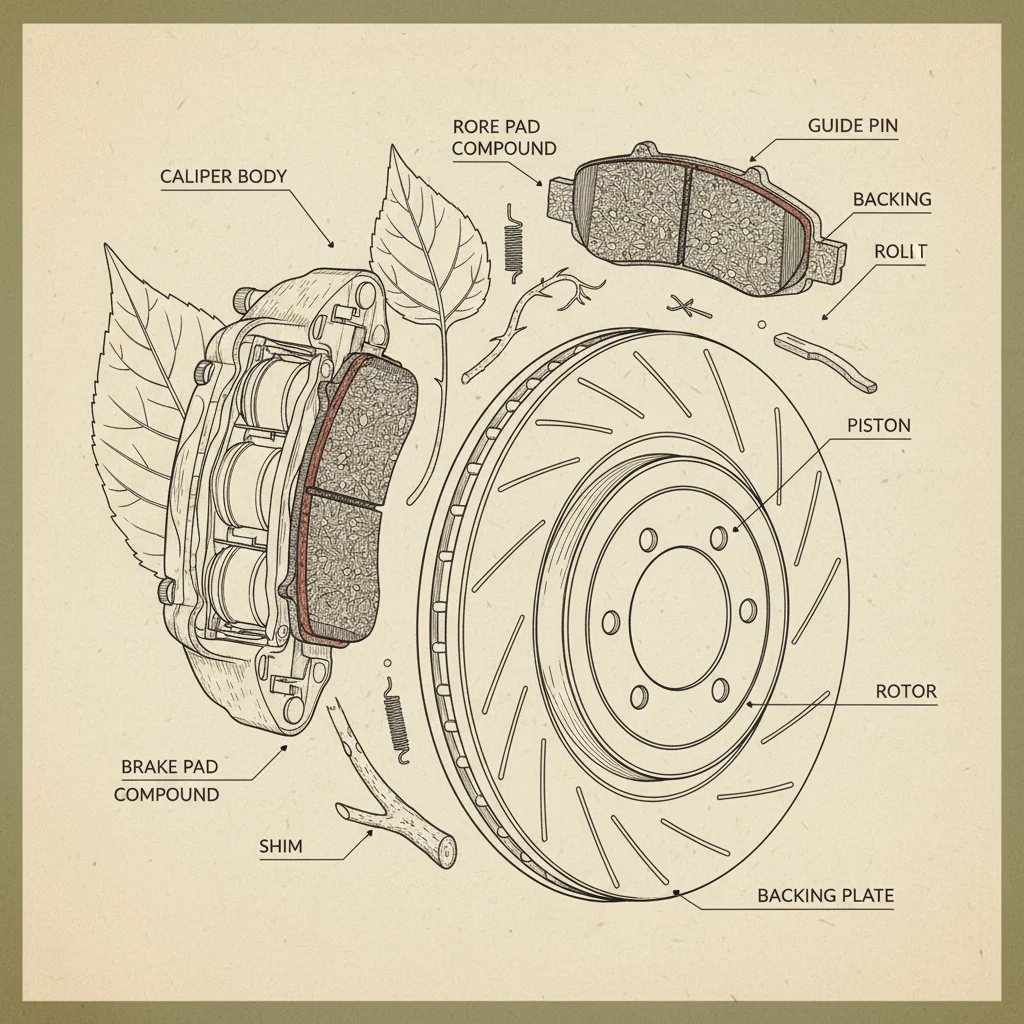
The term “car brake parts” encompasses a comprehensive collection of components working in synergy to provide controlled deceleration. This isn't just about the brake pads pressing against the rotors. It includes the master cylinder, brake lines, calipers, drums, and even the hydraulic fluid that transmits the force. Understanding each part’s function and interaction is crucial for effective maintenance and repair.
The evolution of car brake parts has been a constant pursuit of enhanced safety and performance. From the early mechanical systems to today's sophisticated ABS and electronic parking brakes, innovation is driven by the need to reduce stopping distances, improve vehicle stability, and minimize driver effort. Continuous material science advancements have also played a vital role, leading to more durable and efficient braking solutions.
Defining Car Brake Parts
Car brake parts are the mechanical and hydraulic components that, when activated, generate friction to slow down or stop a vehicle’s wheels. They convert kinetic energy into thermal energy through friction, allowing for controlled deceleration. This system relies on several interconnected parts working seamlessly together.
In the modern industrial landscape, the precision and reliability of car brake parts are non-negotiable. Automotive manufacturing operates under stringent quality control standards, and brake components are subject to rigorous testing to ensure they meet safety regulations. This emphasizes the importance of robust materials, precise engineering, and consistent manufacturing processes.
The importance extends beyond individual vehicle safety. Efficient braking systems contribute to reduced traffic congestion by allowing for quicker responses and smoother traffic flow. Furthermore, advancements in regenerative braking, commonly found in hybrid and electric vehicles, contribute to energy conservation by capturing kinetic energy and converting it into usable power.
Core Components and Factors
Several key factors determine the performance and longevity of car brake parts. Durability is paramount, with components needing to withstand repeated high-stress cycles and varying environmental conditions. Materials like high-carbon steel, cast iron, and ceramic composites are chosen for their ability to resist wear and tear.
Friction Coefficient plays a vital role in stopping power. Brake pad materials are formulated to provide a consistent and predictable level of friction against the rotor, ensuring optimal braking performance in both dry and wet conditions. Different friction coefficients cater to varying driving styles and vehicle types.
Heat Dissipation is critical. Braking generates significant heat, and if not properly dissipated, it can lead to brake fade – a reduction in braking efficiency. Rotors are often vented or slotted to increase surface area and enhance cooling. Corrosion Resistance is also key, particularly in regions with harsh climates, ensuring the longevity and reliability of brake lines and other components. Finally, Compatibility between different brake parts is vital; using mismatched components can compromise braking performance and safety.
Global Applications of Car Brake Parts
The applications of car brake parts are, unsurprisingly, global and ubiquitous. Every motorized vehicle, from passenger cars and trucks to buses and motorcycles, relies on a functional braking system. The automotive industry itself is a major economic driver in many countries, creating jobs and fostering technological innovation.
Regions with high vehicle density, such as North America, Europe, and East Asia, represent significant markets for car brake parts. However, the growth of the automotive industry in emerging economies like India, Brazil, and Southeast Asia is driving increased demand in these areas as well. Automotive parts manufacturers often establish supply chains across these regions to optimize production costs and delivery times.
In remote industrial zones or areas with challenging terrain, the reliability of car brake parts is even more critical. Mining operations, construction sites, and logistics companies operating in these environments depend on durable and dependable braking systems to ensure the safety of their personnel and equipment. Similarly, in post-disaster relief operations, reliable transportation is essential, and well-maintained brakes are vital for delivering aid and evacuating affected populations.
Comparison of Car Brake Parts Performance Metrics
Advantages and Long-Term Value
Investing in high-quality car brake parts delivers numerous tangible benefits. From a cost perspective, durable components require less frequent replacement, reducing long-term maintenance expenses. Furthermore, improved braking performance contributes to enhanced fuel efficiency by minimizing unnecessary wear and tear on other vehicle systems.
From a sustainability standpoint, longer-lasting brake parts reduce waste and minimize the environmental impact of manufacturing and disposal. Choosing brake components made from eco-friendly materials further enhances their sustainability profile. The emotional benefit is paramount: peace of mind knowing your vehicle's braking system is reliable, protecting you and your loved ones. Trust in the safety and performance of these critical components fosters a more confident and enjoyable driving experience.
Future Trends in Brake Technology
The future of car brake parts is intertwined with advancements in automotive technology. Electric vehicles (EVs) are driving demand for regenerative braking systems, which recapture energy during deceleration, improving efficiency and reducing wear on traditional friction brakes.
Research into advanced materials, such as carbon-ceramic composites, promises even higher performance and durability. Furthermore, "brake-by-wire" systems – which replace the mechanical linkage between the pedal and the brakes with electronic signals – are gaining traction, offering greater precision and control. Digital integration and predictive maintenance, leveraging vehicle sensor data, will enable proactive brake system monitoring and optimization.
Challenges and Solutions in Brake Part Manufacturing
One significant challenge in car brake part manufacturing is maintaining consistent quality and reducing material waste. Utilizing advanced manufacturing techniques, such as 3D printing and precision casting, can minimize material loss and enhance component accuracy.
Another challenge is managing the supply chain and ensuring the availability of raw materials, particularly in times of global disruption. Diversifying sourcing and establishing strategic partnerships with suppliers can mitigate these risks. Finally, adapting to evolving safety regulations and performance standards requires continuous investment in research and development and a commitment to innovation.
Implementing robust quality control systems, utilizing real-time data analytics, and embracing automation can significantly improve manufacturing efficiency and product reliability. Furthermore, exploring alternative materials and sustainable manufacturing processes can reduce the environmental impact of brake part production.
Summary of Challenges and Potential Solutions in Brake Part Manufacturing
| Challenge |
Impact on Car Brake Parts |
Proposed Solution |
Implementation Priority (1-5, 5=Highest) |
| Material Cost Fluctuation |
Increased Production Costs |
Diversify Supplier Base & Long-Term Contracts |
5 |
| Quality Control Consistency |
Potential for Component Failure |
Automated Inspection Systems & Statistical Process Control |
5 |
| Manufacturing Waste |
Environmental Impact & Cost Increase |
Implement Lean Manufacturing & 3D Printing |
4 |
| Supply Chain Disruptions |
Production Delays & Inventory Shortages |
Regionalize Sourcing & Increase Inventory Buffers |
4 |
| Meeting Evolving Regulations |
Product Compliance Issues & R&D Costs |
Invest in Continuous R&D & Regulatory Monitoring |
3 |
| Skilled Labor Shortage |
Reduced Production Capacity & Increased Errors |
Training Programs & Automation Implementation |
3 |
FAQS
The lifespan of car brake pads varies significantly based on driving habits, vehicle type, and the quality of the pads themselves. Generally, brake pads can last anywhere from 25,000 to 70,000 miles. Aggressive driving, frequent braking, and heavy loads will shorten their lifespan, while more conservative driving and high-quality pads can extend it. Regular inspections are crucial for determining when replacement is necessary, ideally every 6 months or 6,000 miles.
Several signs indicate your car may need new brake rotors. These include pulsating vibrations in the brake pedal during braking, a scraping or grinding noise coming from the wheels, and visible scoring or grooves on the rotor surface. If the rotors are warped or significantly worn, they can compromise braking performance and create a safety hazard. It's important to have them inspected by a qualified mechanic, as rotor replacement often accompanies brake pad replacement.
Ceramic brake pads are known for their quiet operation, low dust production, and excellent stopping power, particularly at higher temperatures. They tend to be more expensive than organic brake pads. Organic brake pads, often made from materials like rubber and fiberglass, are generally quieter and more affordable but produce more dust and have a shorter lifespan. They are suitable for everyday driving but may not perform as well under harsh conditions.
ABS, or Anti-lock Braking System, prevents your car's wheels from locking up during hard braking. This allows you to maintain steering control and reduce stopping distances, particularly on slippery surfaces. It works by rapidly pulsing the brakes, preventing wheel lockup and allowing the tires to maintain traction. ABS is a crucial safety feature in modern vehicles.
While not always strictly necessary, it's generally recommended to replace brake pads in pairs – both pads on the same axle (front or rear) at the same time. This ensures balanced braking performance and prevents uneven wear. Replacing all four pads simultaneously is often the best approach for optimal safety and performance, especially if the rotors are also being replaced.
Brake fade is a reduction in braking performance caused by overheating. Prolonged or repeated hard braking can cause the brake pads and rotors to lose their effectiveness. To prevent brake fade, avoid excessive braking, especially on long descents. Ensure proper brake cooling by using vented rotors and consider upgrading to high-performance brake pads designed for demanding conditions. Regular brake inspections and maintenance are also essential.
Conclusion
In conclusion, understanding car brake parts is paramount for vehicle safety, performance, and longevity. From the core components like pads and rotors to advanced systems like ABS and regenerative braking, each element plays a vital role in ensuring controlled deceleration and protecting drivers and passengers. Continuous innovation in materials, manufacturing processes, and braking technologies promises even greater safety and efficiency in the future.
Investing in high-quality car brake parts and regular maintenance is not just a matter of compliance; it’s a commitment to safety and responsible vehicle ownership. Staying informed about emerging trends and proactive solutions will empower you to make the best decisions for your vehicle and contribute to a safer driving environment for everyone.