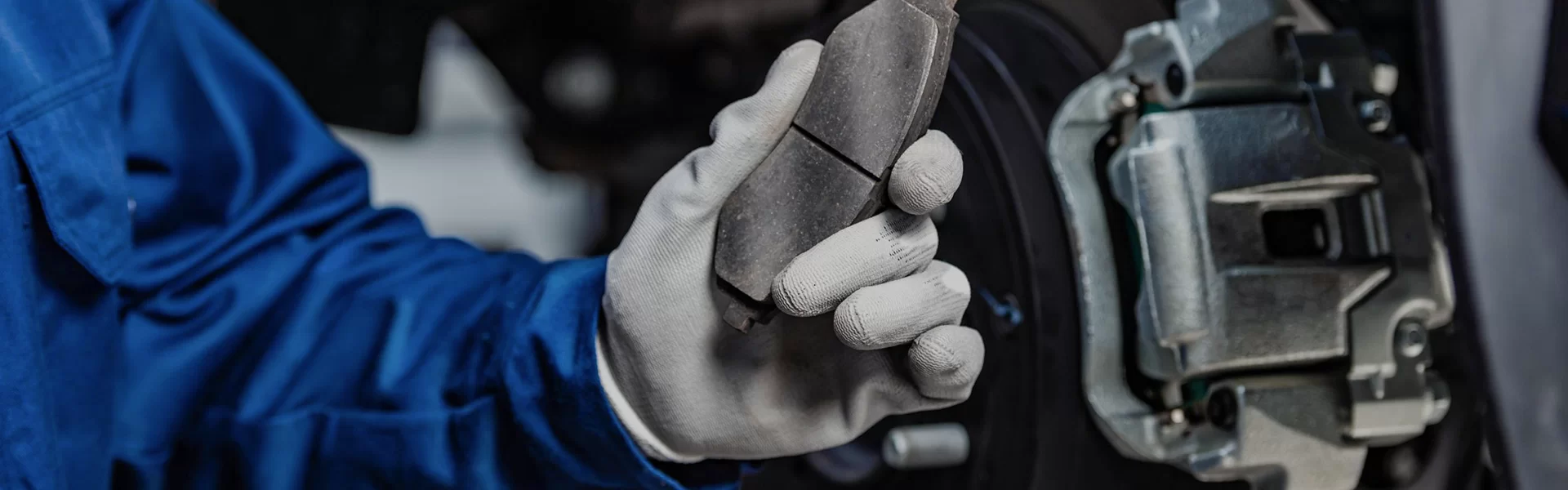
Understanding Brake Shoe Material for Optimal Vehicle Safety and Performance

0%

Table of Contents

Brake shoe material is a critical component in braking systems, particularly in vehicles with drum brakes. The performance and safety of these systems are heavily reliant on the properties of the material used – its friction coefficient, wear resistance, heat dissipation capabilities, and overall durability. Understanding brake shoe material is paramount for automotive engineers, mechanics, and anyone involved in vehicle maintenance and safety. Globally, the demand for high-performance and reliable brake shoe materials continues to rise alongside increasing vehicle production and stricter safety regulations.

The automotive industry’s relentless pursuit of enhanced braking performance, coupled with the need for environmentally sustainable materials, drives innovation in brake shoe material technology. From traditional asbestos-based formulations – now largely phased out due to health concerns – to modern organic, semi-metallic, and ceramic compounds, the evolution of these materials reflects a constant striving for better stopping power, reduced noise, and extended service life. The manufacturing and utilization of effective brake shoe material significantly contributes to road safety and reduces accident rates.

Properly specified and maintained brake shoe material plays a vital role in ensuring the efficiency and longevity of braking systems, ultimately contributing to safer transportation and reduced maintenance costs. This extends beyond just passenger vehicles; it’s crucial for commercial vehicles, trains, and even certain industrial applications where reliable braking is non-negotiable.

brake shoe material

Introduction to brake shoe material

brake shoe material

Brake shoe material represents a fascinating intersection of materials science, engineering, and safety-critical applications. The development and refinement of these materials have been continuous, driven by the demands of increasingly sophisticated braking systems and a growing emphasis on environmental responsibility. Understanding the nuances of different brake shoe materials allows for optimal performance and longevity in diverse operating conditions.

The selection of the appropriate brake shoe material depends heavily on the intended application, including vehicle type, operating environment, and desired performance characteristics. Factors like load, speed, and frequency of braking all influence the wear rate and effectiveness of the material. This necessitates a comprehensive understanding of the trade-offs between different material compositions.

Defining Brake Shoe Material

Brake shoe material refers to the friction material bonded to the curved metal shoe within a drum brake system. When the brake pedal is pressed, the wheel cylinder forces the shoes outwards against the rotating drum, creating friction and slowing or stopping the vehicle. The material itself is a complex composite, typically consisting of a combination of organic fibers, friction modifiers, fillers, and bonding agents.

Historically, asbestos was a common component due to its excellent friction and heat resistance, but its health risks led to its widespread replacement. Modern brake shoe materials are formulated to provide comparable or superior performance while adhering to stringent safety and environmental standards. The specific composition directly impacts the friction coefficient, wear rate, and resistance to fading (loss of braking power due to overheating).

The primary function of brake shoe material is to convert kinetic energy into thermal energy through friction. Efficient heat dissipation is crucial to prevent brake fade and maintain consistent stopping power, particularly during repeated or heavy braking. Therefore, the thermal properties of the material are a critical consideration in its design and application.

Key Properties of brake shoe material

Several key properties define the quality and effectiveness of brake shoe material. The friction coefficient, a measure of the material’s resistance to sliding, is paramount, dictating the braking force generated. Wear resistance determines the lifespan of the shoes, impacting maintenance intervals and overall cost. Heat capacity and thermal conductivity are crucial for dissipating braking energy and preventing fade.

Another essential property is the material’s compressibility, which affects braking responsiveness and noise levels. High compressibility can lead to a softer pedal feel but may also contribute to brake squeal. Furthermore, the material's stability and resistance to environmental factors like moisture and temperature fluctuations are vital for consistent performance. The right brake shoe material ensures predictable and reliable stopping power in diverse conditions.

Finally, the material's ability to maintain a stable friction coefficient over a wide range of temperatures and pressures is crucial for safe and effective braking. This stability prevents sudden changes in braking force, which could lead to loss of control. Modern brake shoe material formulations often incorporate additives to enhance these properties.

Durability and Wear Resistance

Durability and wear resistance are among the most significant considerations when selecting brake shoe material. A durable material will offer a longer service life, reducing the frequency of replacements and lowering long-term maintenance costs. Wear resistance is directly linked to the material’s composition and its ability to withstand the abrasive forces generated during braking.

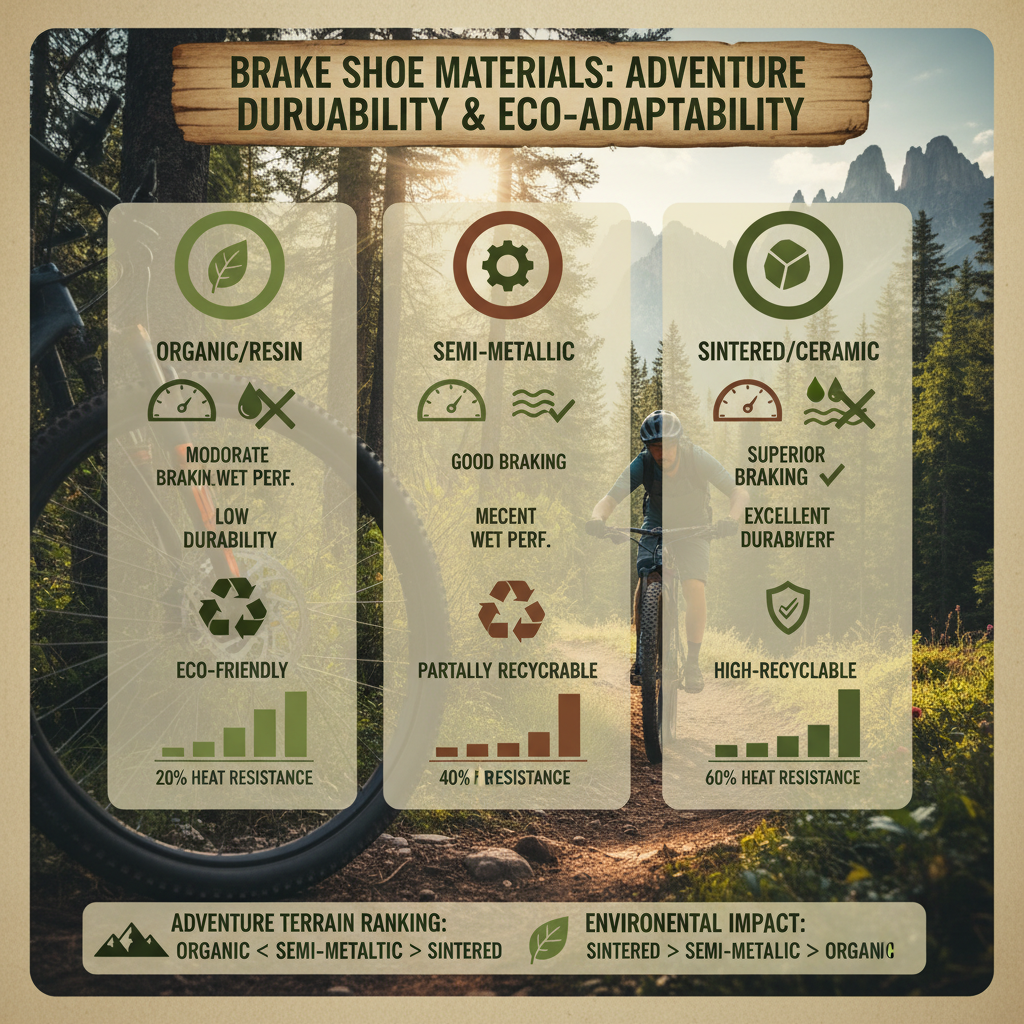
Different types of brake shoe material exhibit varying levels of wear resistance. Organic materials, while offering good initial bite and quiet operation, generally wear faster than semi-metallic or ceramic compounds. Semi-metallic materials strike a balance between performance and durability, while ceramic materials offer the highest wear resistance but can be more expensive.

Wear Resistance Comparison of brake shoe material Types

Applications Across Industries

While most commonly associated with automotive braking systems, brake shoe material finds application in a wider range of industries. Railways utilize specialized formulations for train brakes, demanding exceptionally high heat resistance and durability to accommodate the massive weight and speed involved. Industrial machinery, such as cranes and winches, also relies on robust brake shoe materials for safe and controlled operation.

Furthermore, certain specialized applications, like amusement park rides and material handling equipment, require brake shoe material tailored to specific performance requirements. The growing demand for electric vehicles is also influencing the development of new brake shoe materials optimized for regenerative braking systems. The focus in these emerging applications is often on minimizing wear and maximizing energy recovery.

Advantages and Long-Term Value

The benefits of utilizing high-quality brake shoe material extend beyond simply stopping a vehicle. Choosing the right material translates to increased safety, reduced maintenance costs, and enhanced overall vehicle performance. Improved braking response and shorter stopping distances contribute directly to accident prevention, protecting drivers and passengers.

Longer-lasting brake shoes minimize the need for frequent replacements, saving vehicle owners time and money. Reduced wear also translates to less dust generation, contributing to improved air quality. Moreover, advancements in environmentally friendly brake shoe materials address concerns about harmful emissions and promote sustainable transportation practices.

Future Trends in brake shoe material

The future of brake shoe material is poised for significant innovation, driven by evolving industry demands and technological advancements. Research into new composite materials, incorporating nanomaterials and advanced polymers, aims to enhance friction coefficients, wear resistance, and heat dissipation capabilities. Self-lubricating materials are also being explored to reduce noise and improve braking smoothness.

The integration of smart technologies, such as sensors embedded within the brake shoe material, could provide real-time data on wear and performance, enabling predictive maintenance and optimizing braking system efficiency. Furthermore, the development of biodegradable and fully recyclable brake shoe materials is gaining traction as a response to growing environmental concerns.

Digital twins will also play a larger role in the development of new brake shoe material, allowing for faster iteration cycles and predictive performance evaluation. The increasing focus on electric and hybrid vehicles will continue to drive demand for brake shoe materials optimized for regenerative braking systems.

FAQS

What is the typical lifespan of brake shoe material?

The lifespan of brake shoe material varies significantly based on driving conditions, vehicle type, and the material composition itself. Generally, organic materials may last between 25,000 to 35,000 miles, while semi-metallic and ceramic materials can often exceed 50,000 miles. Regular inspections are crucial to determine when replacement is necessary. It's important to consider that aggressive driving, frequent heavy braking, and harsh environmental conditions will accelerate wear.

How can I tell if my brake shoes need replacing?

Several indicators suggest brake shoe replacement may be needed. These include squealing or grinding noises when braking, a soft or spongy brake pedal feel, increased stopping distances, and visual inspection revealing worn friction material (less than 1/8 inch remaining). Also, if you notice any damage to the brake shoes, such as cracks or delamination, they should be replaced immediately to ensure safety.

Are organic brake shoe materials environmentally friendly?

Organic brake shoe materials are generally considered more environmentally friendly than older formulations containing asbestos. However, they do produce brake dust, which can contain particles that contribute to air pollution. Manufacturers are increasingly developing organic formulations with lower dust emissions and utilizing sustainable materials in their compositions. Choosing organic materials with reduced dust production helps minimize environmental impact.

What are the benefits of ceramic brake shoe material?

Ceramic brake shoe material offers several advantages, including excellent wear resistance, superior heat dissipation, and a quiet braking experience. They produce less dust compared to other materials, and provide consistent performance across a wide range of temperatures. While typically more expensive than organic or semi-metallic options, the extended lifespan and improved performance make them a worthwhile investment for many vehicles.

Is it safe to mix different types of brake shoe material?

Mixing different types of brake shoe material on the same axle is generally not recommended. Different materials have varying friction coefficients and wear rates, which can lead to uneven braking and reduced stopping performance. It’s best to always replace brake shoes in pairs, using the same type of material on both sides of the axle to ensure balanced and consistent braking.

What are semi-metallic brake shoe materials made of?

Semi-metallic brake shoe materials typically consist of 30-70% metal fibers (such as steel, copper, or iron), combined with organic resins, graphite, and other friction modifiers. The metal content enhances heat dissipation and provides good stopping power, while the organic components contribute to noise reduction and improved pedal feel. They offer a good balance of performance, durability, and cost.

Conclusion

In conclusion, understanding brake shoe material – its properties, applications, and evolving technologies – is crucial for ensuring vehicle safety, optimizing performance, and promoting sustainable transportation. From the historical reliance on asbestos to the modern advancements in ceramic and composite materials, the evolution of brake shoe technology reflects a continuous pursuit of improvement. Choosing the right material for a specific application, coupled with regular maintenance and inspection, is paramount for reliable and efficient braking systems.

Looking ahead, innovation in this field will likely focus on developing environmentally friendly materials, integrating smart technologies for predictive maintenance, and optimizing formulations for electric and hybrid vehicles. By embracing these advancements, we can continue to enhance braking performance, reduce environmental impact, and ensure safer roads for all. Visit our website at brake shoe material to learn more about our products and services.

William Thompson

William Thompson

William Thompson is the North American Sales Manager for Hengshui Kaiyuan Auto Parts. He focuses on expanding our reach within the US and Canadian markets, building strong relationships with distributors and automotive service providers. William has a proven track record in automotive parts sales and a deep understanding of the industry’s dynamics. He works closely with our R&D team to gather customer feedback and translate it into product enhancements. William is adept at managing OEM/ODM customization requests, ensuring we deliver tailored solutions to meet specific client needs. He excels in building trust and fostering long-term partnerships.
Previous Understanding Rear Brake Pad Cost for Vehicle Maintenance and Safety
Next Comprehensive Guide to Brake Shoe Relining Material and Its Applications

If you are interested in our products, you can choose to leave your information here, and we will be in touch with you shortly.