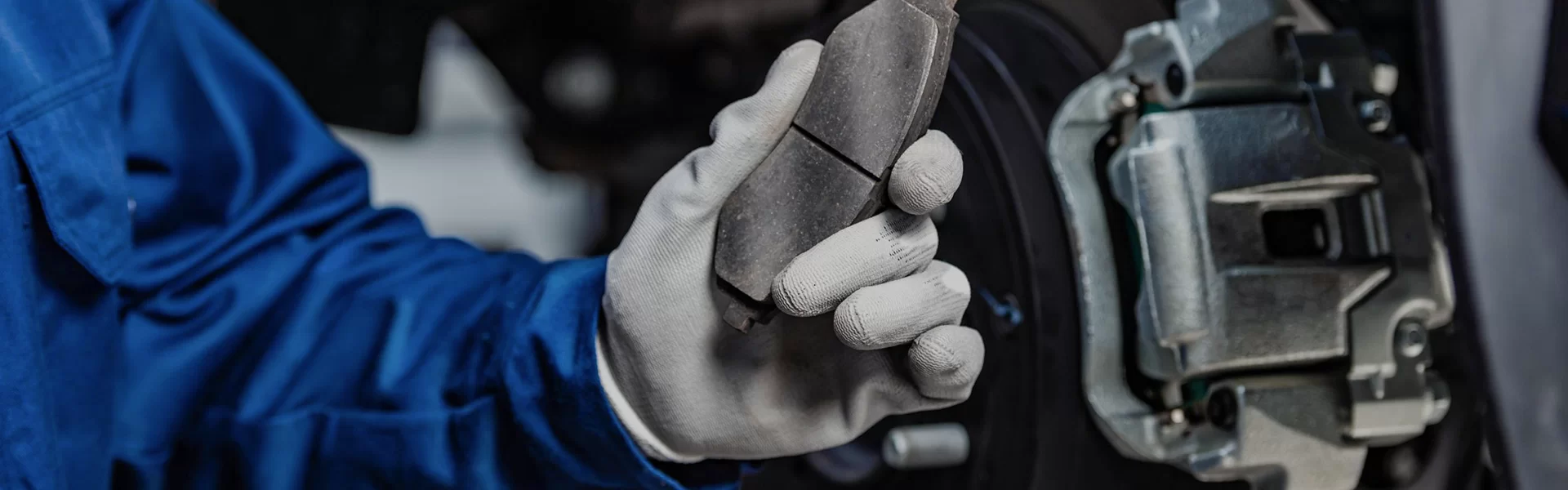
Honestly, the whole brake pad industry… it’s been flipped on its head in the last couple of years. Everyone’s chasing these ceramic composites, right? Supposedly quieter, less dust. But I’ve seen ‘em glaze over on a steep decline faster than you can say “safety first.” It's all marketing, mostly. People want the illusion of improvement, and companies are happy to sell it to them. And don’t even get me started on the whole low-dust thing – more often than not, it just means they're using cheaper binders.
You wouldn't believe how many engineers design these things without ever stepping foot on a real job site. They design for the ideal, not the real. It's frustrating, I tell ya.
But, I've got to say, the demand for high-performance pads, especially for EVs, that’s where the real innovation is happening.
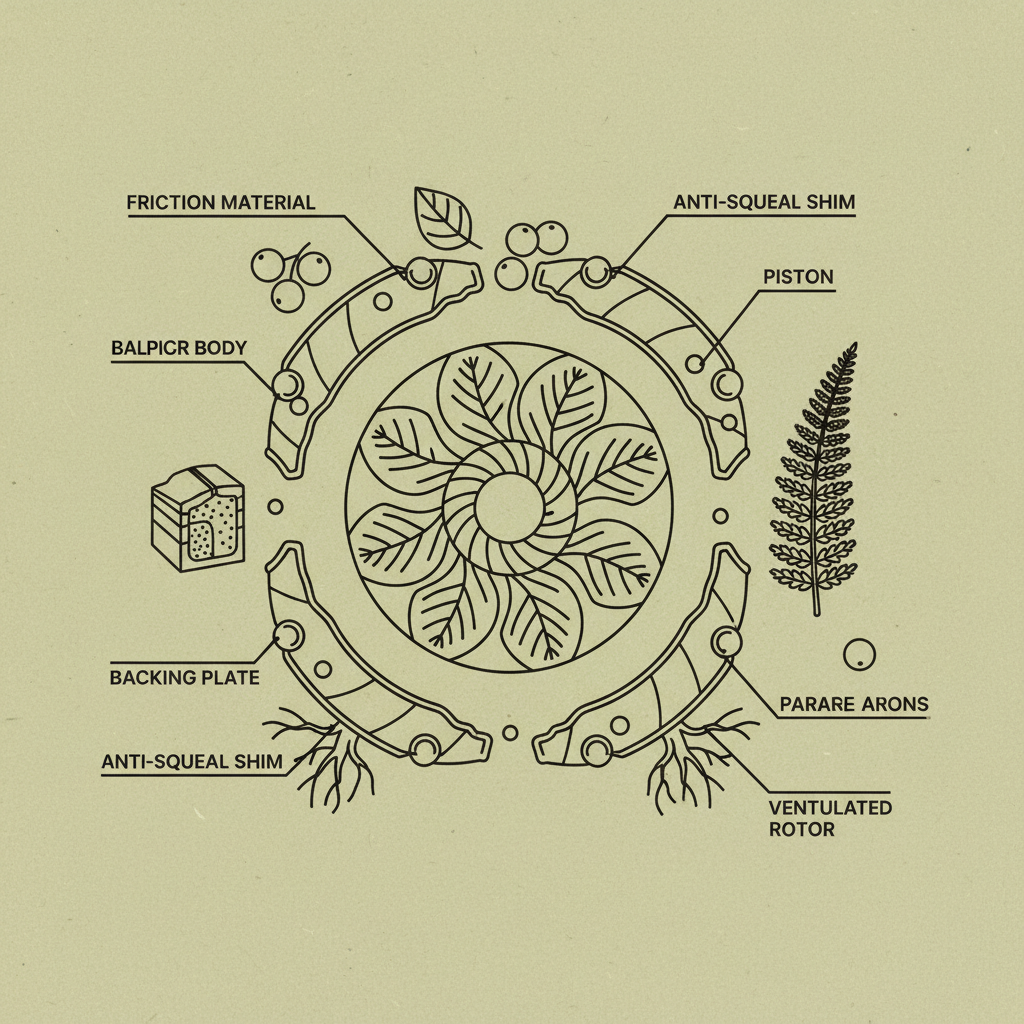
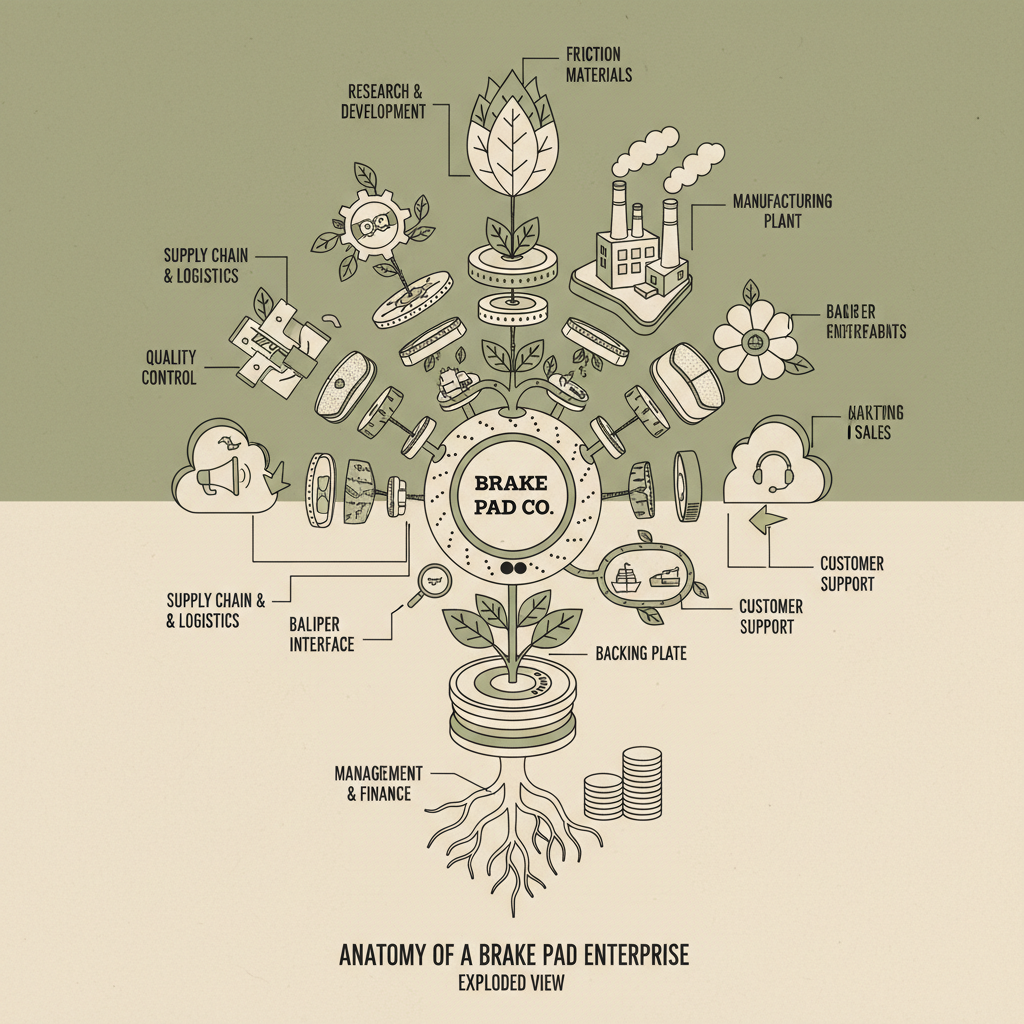
Have you noticed how everyone's obsessed with reducing weight? It’s good, sure, but it can’t come at the expense of stopping power. I was at a factory in Ningbo last time, and they were bragging about a new lightweight pad… basically, it was all air. It felt flimsy, smelled like plastic, and I wouldn't trust it to stop a scooter, let alone a truck.
Another pitfall? Over-engineering the friction material. Trying to make something that works in every condition is a fool's errand. You end up with a compromise that's good at nothing. Better to design for the specific application and be honest about the limitations.
Ignoring the vehicle type and driving style. Someone who mostly drives in the city doesn’t need the same pads as someone who tracks their car on weekends. People get caught up in marketing hype and choose pads that aren’t suitable for their needs. It's crucial to understand that not all brake pads are created equal and choosing the wrong ones can compromise safety and performance. Ultimately, doing your research or consulting a mechanic is vital for ensuring you select the best brake pads for your specific situation.
It depends on several factors, including driving habits, vehicle type, and the quality of the pads. Generally, you should inspect your brake pads every 6,000 to 10,000 miles. If the friction material is worn down to 1/4 inch or less, it’s time for replacement. Don’t wait until you hear squealing or grinding noises; by then, you’ve likely already damaged the rotors. Regular inspection and timely replacement ensure optimal braking performance and prevent costly repairs down the line.
That’s a tricky one. They can be worth it if you prioritize low dust and quiet operation. However, they often lack the stopping power of semi-metallic or high-performance pads, especially in demanding conditions. For daily driving, they’re a decent option. But for aggressive driving or hauling heavy loads, I’d recommend something more robust. It’s a trade-off between convenience and performance, so consider your driving habits.
They look cool, that's for sure. But do they significantly improve braking? Not necessarily. Slotted rotors help to vent gases and dust, which can reduce fade in extreme conditions. Drilled rotors offer similar benefits, but they can also be more prone to cracking under high stress. For most drivers, they’re more about aesthetics than performance. A good set of pads and properly maintained rotors are far more important.
Absolutely. We work with racing teams to develop custom brake pad compounds tailored to specific tracks and driving styles. This involves adjusting the friction material to optimize for temperature range, friction coefficient, and wear rate. It’s a complex process that requires extensive testing and data analysis. But the results can be significant in terms of lap times and overall performance.
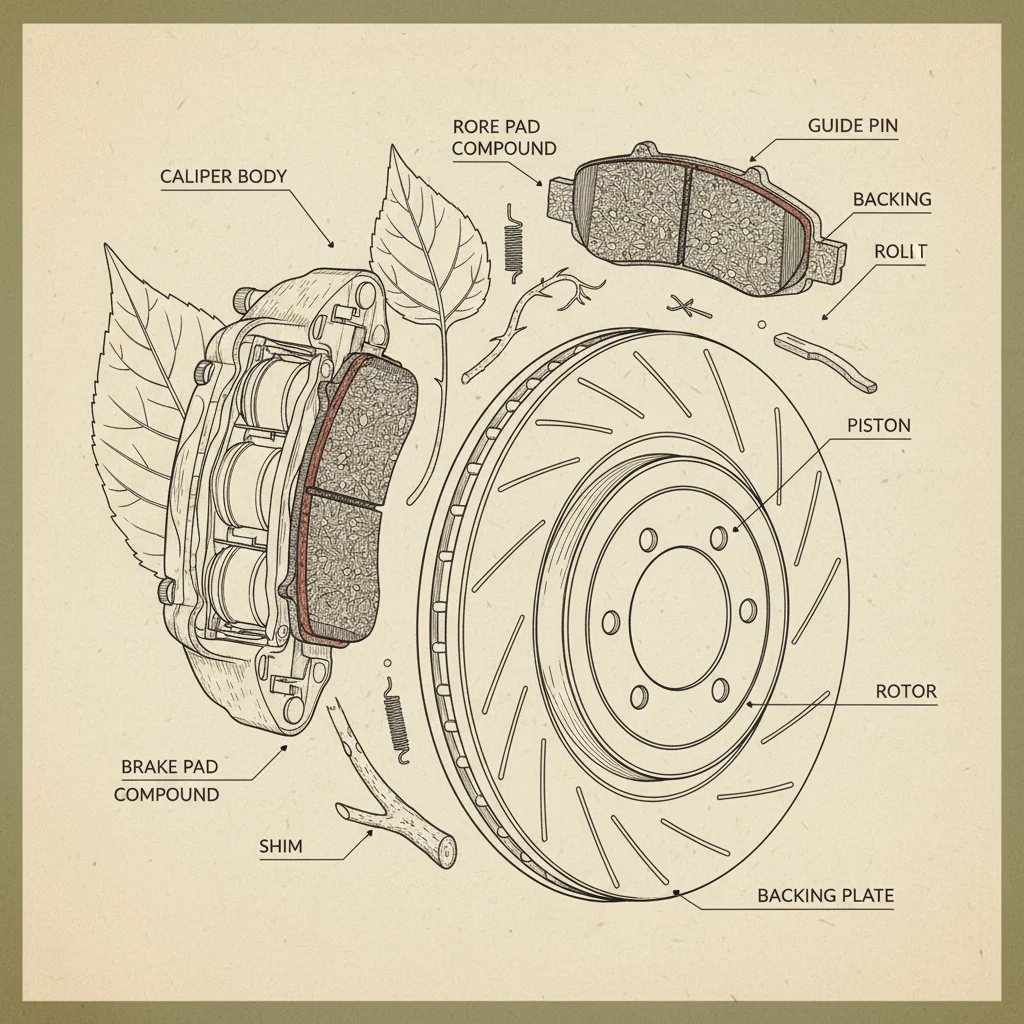
Crucially important! A flimsy backing plate can cause the pad to vibrate, leading to noise and uneven wear. It also provides structural support for the friction material. A good backing plate will be made of strong steel and properly coated to prevent corrosion. Don't skimp on this part, it's a common failure point if you go cheap. Believe me, I've seen plenty of warped backing plates on the assembly line.
Ultimately, the brake pad industry is a constant push and pull between performance, cost, and durability. There’s no single “best” brake pad – it all depends on the application and the driver's needs. The trends are clear: a move towards high-performance materials, especially for EVs, and a focus on reducing weight and emissions.
But at the end of the day, whether this thing works or not, the worker will know the moment he tightens the screw. And that's all that really matters. Visit our website at brake pad companies to learn more and find the right pads for your needs.