
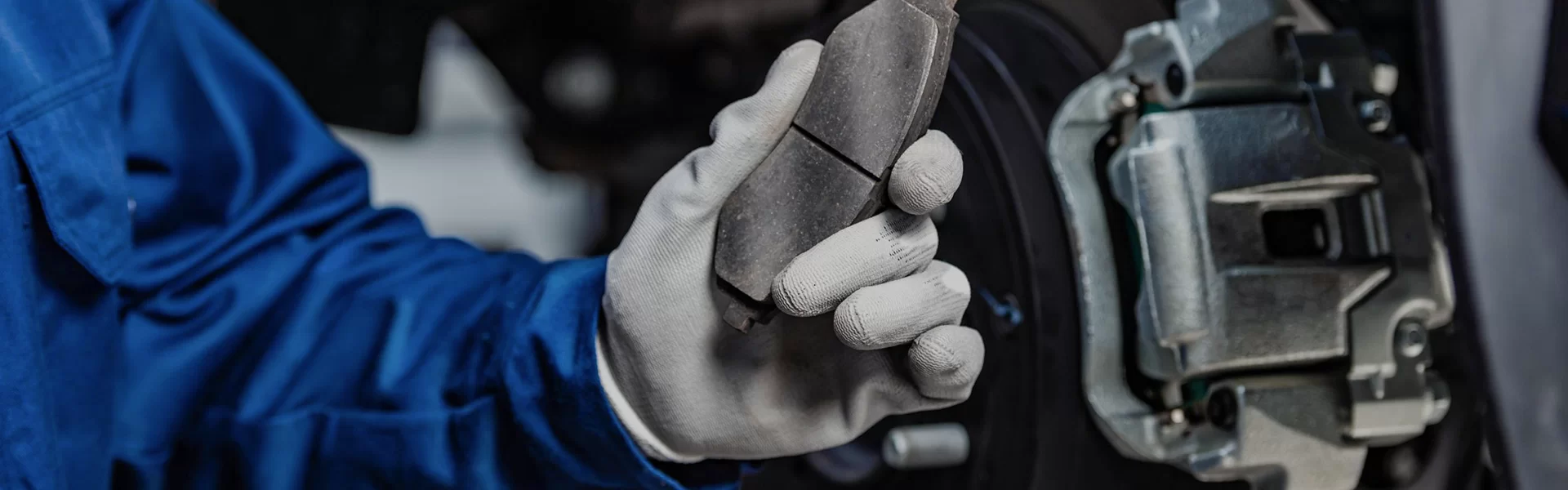
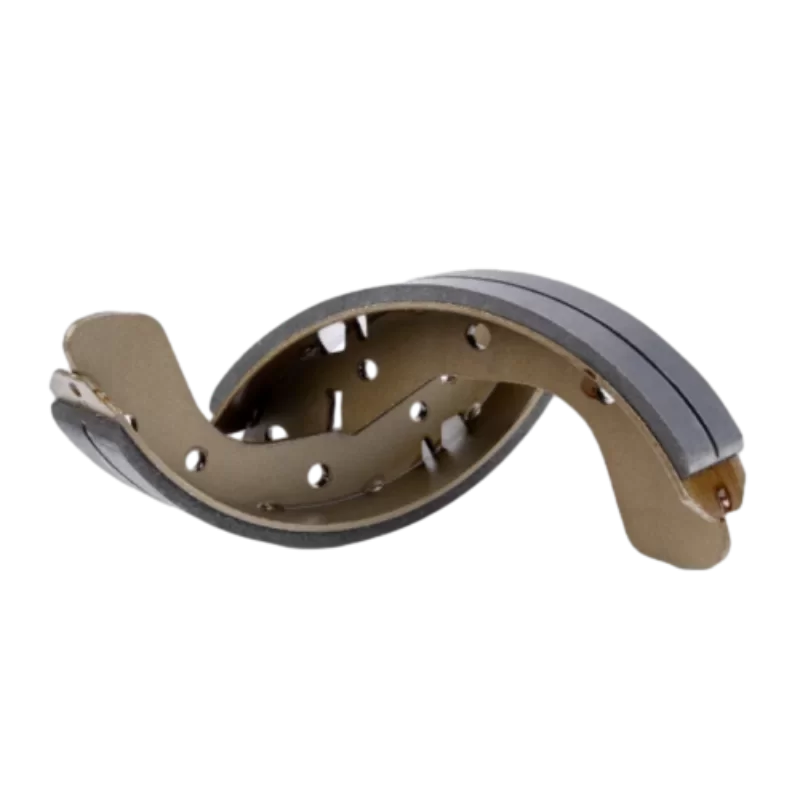
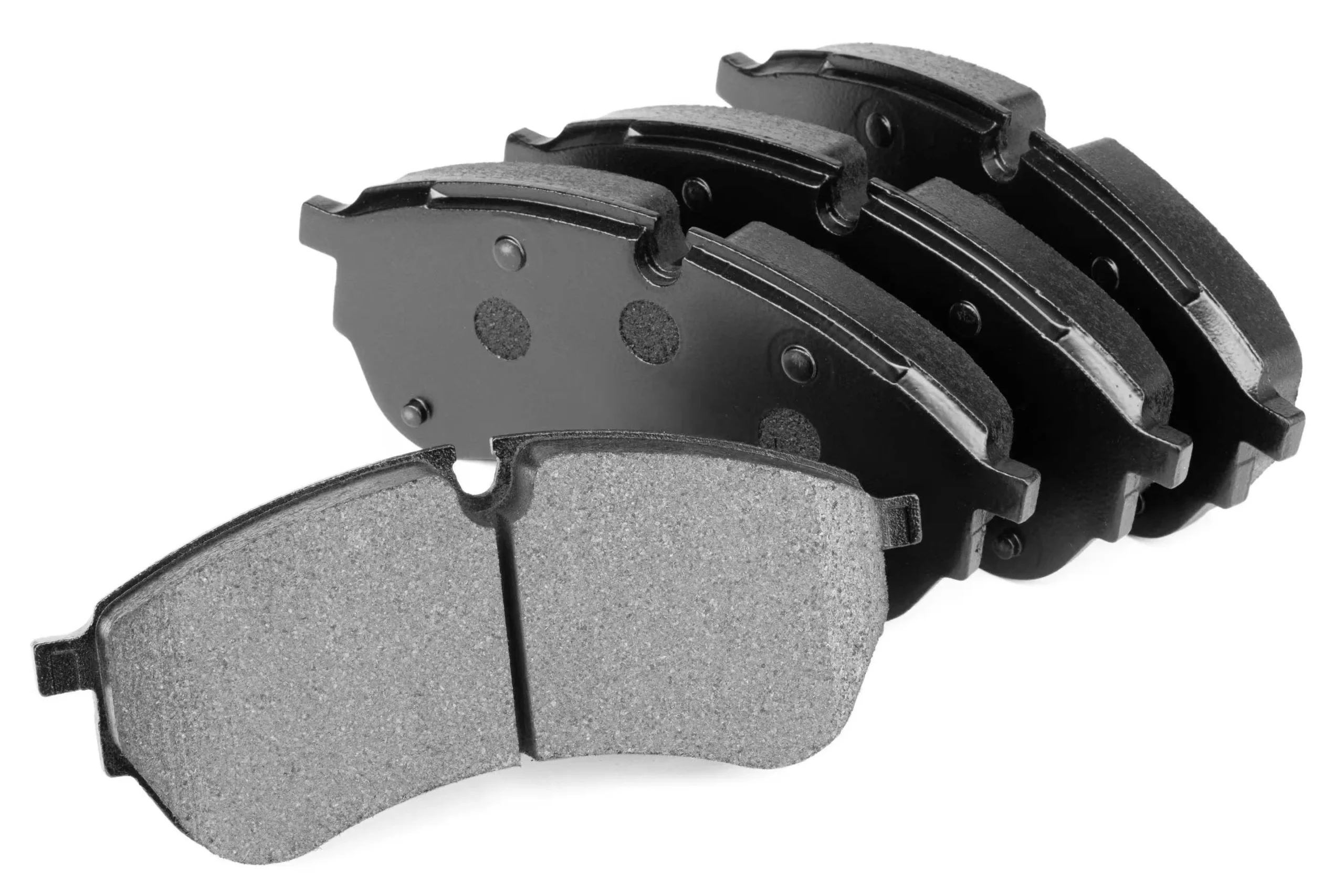
In Libya, the automotive sector faces unique challenges due to the harsh Saharan climate. High ambient temperatures combined with fine sand particles accelerate the wear and tear of any brake pad shoe, leading to increased maintenance intervals and potential safety risks during sudden braking in Tripoli or Benghazi.
The market is currently dominated by a mix of aged European fleets and newer Asian imports. This diversity requires a wide range of brake pads & shoes that can handle varying disc metallurgy while resisting the thermal fade common in Libya's summer heatwaves.
Furthermore, the reliance on heavy-duty transport for oil and gas logistics means that the demand for a durable shoe brake shoe is critical. Operators require components that can maintain a consistent coefficient of friction despite constant exposure to dust and extreme thermal cycling.


