HighPerformance brake pad set Solutions for Libya

High-Performance brake pad set Solutions for Libya

Engineered for extreme desert heat and urban congestion, providing unmatched stopping power for the Libyan automotive market.

High-Performance brake pad set Solutions for Libya

Providing premium friction materials designed to withstand the rigorous driving conditions of North Africa, ensuring safety and longevity for every vehicle.

Analyzing the Braking System Landscape in Libya

Challenges of friction materials in arid and sandy environments.

In Libya, the automotive sector faces unique challenges due to the harsh Saharan climate. High ambient temperatures combined with fine sand particles accelerate the wear and tear of any brake pad shoe, leading to increased maintenance intervals and potential safety risks during sudden braking in Tripoli or Benghazi.

The market is currently dominated by a mix of aged European fleets and newer Asian imports. This diversity requires a wide range of brake pads & shoes that can handle varying disc metallurgy while resisting the thermal fade common in Libya's summer heatwaves.

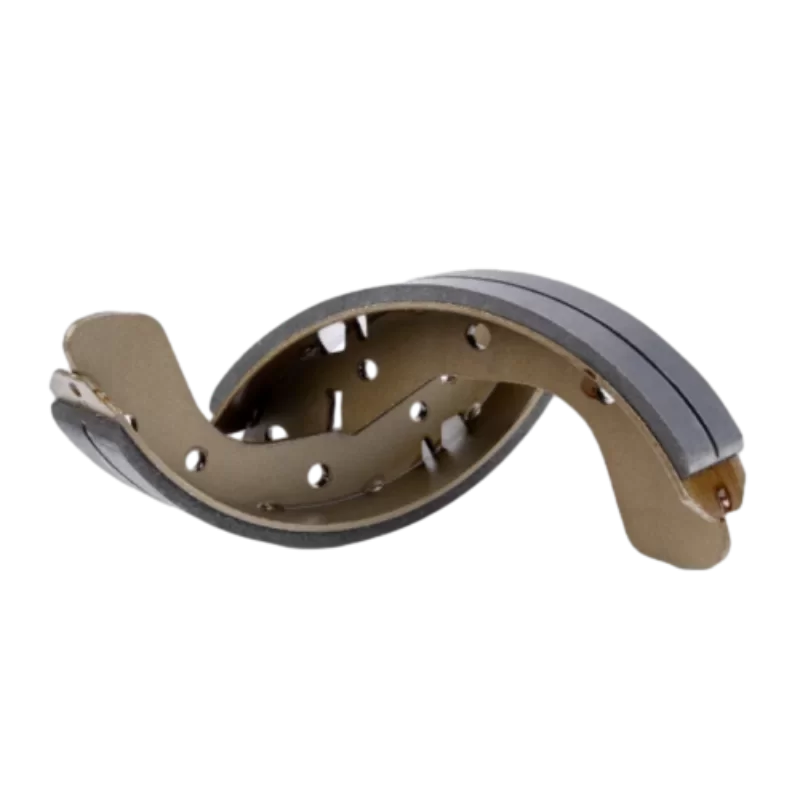
Furthermore, the reliance on heavy-duty transport for oil and gas logistics means that the demand for a durable shoe brake shoe is critical. Operators require components that can maintain a consistent coefficient of friction despite constant exposure to dust and extreme thermal cycling.

Evolution of Braking Technology in the Libyan Market

From traditional asbestos-based linings to modern eco-friendly ceramics.

Market Development History

During the 1980s and 1990s, the Libyan market relied heavily on traditional organic friction materials. These were sufficient for lower speeds but struggled with the heat dissipation required for modern highway speeds and heavy loads.

By the mid-2000s, there was a shift toward semi-metallic compositions. This transition provided better heat conductivity, which was essential for the North African climate, though it increased noise and disc wear, prompting a search for more refined the brake pad options.

From 2015 to the present, the industry has evolved toward Low-Steel and Ceramic formulations. These modern iterations offer the perfect balance of durability and silence, specifically catering to the luxury SUV segment growing in Libya's urban centers.

Future Development Trends

Thermal Stability Enhancement

Focus is shifting toward nano-composite materials that prevent glazing at temperatures exceeding 600°C, common in stop-and-go desert traffic.

Eco-Friendly Non-Asbestos Formulations

Strict adherence to global environmental standards is driving the adoption of copper-free friction materials across the region.

Smart Wear Monitoring

Integration of acoustic and electronic wear sensors is becoming a standard requirement for high-end brake sets to ensure timely replacement.

Industry Trends and Future Outlook for Libya

Strategic forecasting of friction material technology for 2025-2030.

Ceramic Dominance
Increased adoption of ceramic formulas to reduce dust and withstand Libyan heat.
HV-Vehicle Adaptation
Developing friction materials tailored for the regenerative braking systems of EVs.
Anti-Corrosion Coating
Enhanced plating technology to prevent oxidation in coastal cities like Tripoli.
Precision Engineering
Using CNC grinding to ensure 100% fitment for a diverse Libyan vehicle park.

Industry Outlook

Based on Google search trends for automotive parts in North Africa, there is a rising demand for "long-life" and "heavy-duty" braking components. This indicates a shift in consumer behavior from cheap, frequent replacements to value-driven, durable investments.

We expect the market to gravitate toward specialized friction materials that offer higher heat resistance. As Libya continues its infrastructure reconstruction, the demand for commercial-grade braking systems will likely outpace the passenger car segment.

Local Application Scenarios in Libya

Real-world performance in the diverse Libyan geography.

1. Urban Stop-and-Go in Tripoli

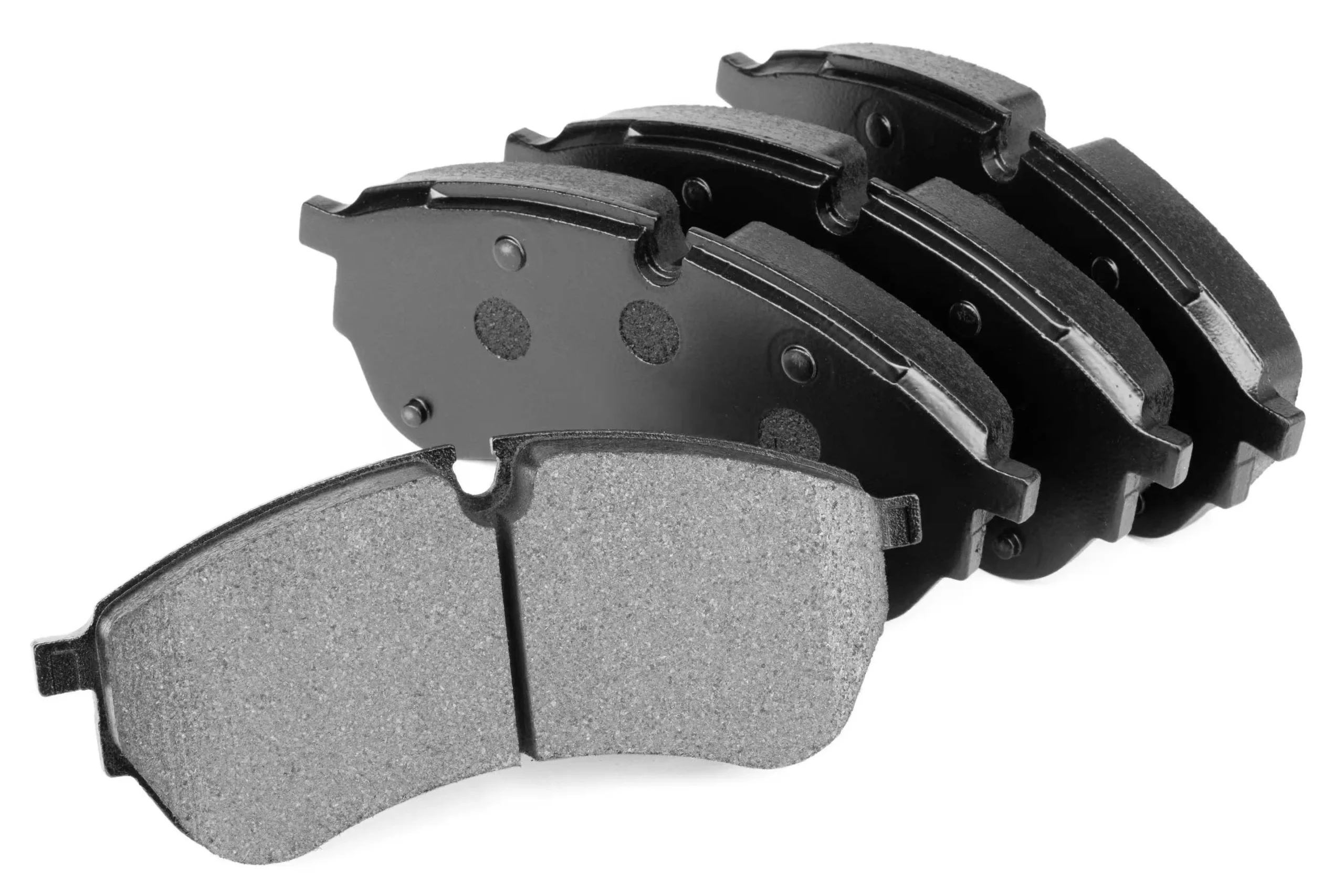
High-density traffic in Tripoli causes rapid heat build-up. Our ceramic-based brake pad set prevents fading during peak hours, ensuring consistent response.

2. Desert Transit & Sand Resistance

Vehicles traveling between cities face abrasive sand. Our hardened friction layers protect the disc and ensure the the brake pad doesn't wear prematurely due to particulates.

3. Heavy-Duty Oil Field Logistics

Transporting heavy equipment in the Sirte Basin requires an industrial-grade shoe brake shoe capable of handling extreme weight and heat.

4. Coastal Humidity in Benghazi

Salt-laden air increases corrosion risk. Our treated brake pads & shoes feature anti-oxidation coatings to maintain structural integrity.

5. Long-Haul Highway Stability

High-speed cruising on Libya's main highways requires braking systems that can handle high-energy deceleration without warping the rotors.

Brand Story

Global Development Journey of Hengshui Kaiyuan Automotive Parts Co., Ltd.

Foundation of Excellence

Established with a vision to redefine friction technology, focusing on the core need for safety and durability in harsh environments.

Technical Breakthroughs

Developed proprietary semi-metallic and ceramic formulas that solved the common industry pain point of thermal fade and excessive noise.

Global Expansion

Extended our reach into Africa and the Middle East, tailoring product specifications to meet the extreme temperature requirements of these regions.

Quality Certification

Achieved international quality benchmarks, ensuring every unit produced meets rigorous safety standards for global distribution.

Future Vision

Committing to sustainable manufacturing and the development of next-generation, eco-friendly braking solutions for the global market.

Complete Braking Portfolio for Libya

A comprehensive range of friction products for passenger cars, SUVs, and commercial trucks.

Frequently Asked Questions - Libya

Expert answers to common queries regarding brake maintenance in North Africa.

How often should I replace my brake pad set in Libyan desert conditions?

Due to high sand abrasion and thermal stress, we recommend inspecting your pads every 5,000 to 8,000 km, depending on your driving environment.

Do ceramic brake pads & shoes perform better in high heat than semi-metallic ones?

Yes, ceramic materials generally offer better thermal stability and are less prone to fading during the extreme Libyan summers.

What is the best shoe brake shoe for heavy trucks operating in oil fields?

For heavy-duty oil field logistics, we recommend our high-friction semi-metallic linings which provide the necessary stopping power for maximum loads.

Why does the brake pad noise increase in coastal cities like Benghazi?

Coastal humidity and salt can cause surface oxidation on the disc. Using a high-quality the brake pad with anti-corrosion properties helps minimize this.

Can a brake pad shoe from another region work in Libya?

While they may fit, they are often not formulated for 40°C+ temperatures, leading to faster wear and increased risk of brake fade.

How do I identify a genuine high-performance brake pad set?

Check for consistent friction material density, precise machining of the backing plate, and certification marks conforming to international safety standards.

Get Expert Braking Solutions Now

Our technical team is ready to supply the highest quality friction materials to partners and distributors across Libya.

Contact Us Now

If you are interested in our products, you can choose to leave your information here, and we will be in touch with you shortly.