From traditional organic linings to advanced semi-metallic and ceramic composites.
Market Development History
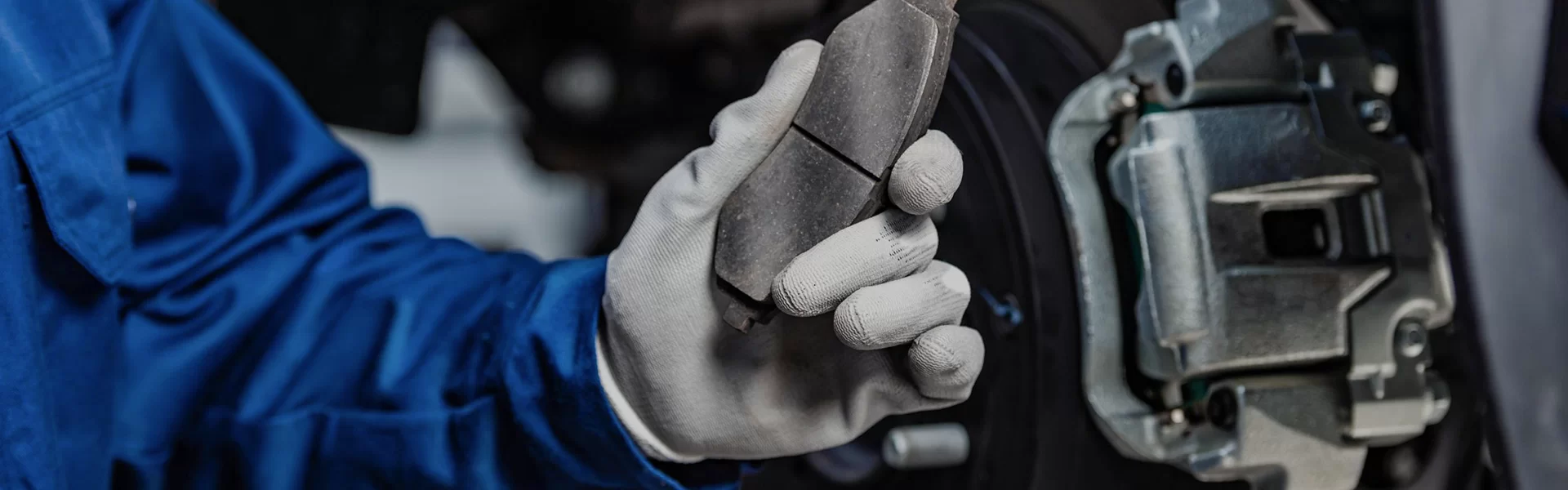
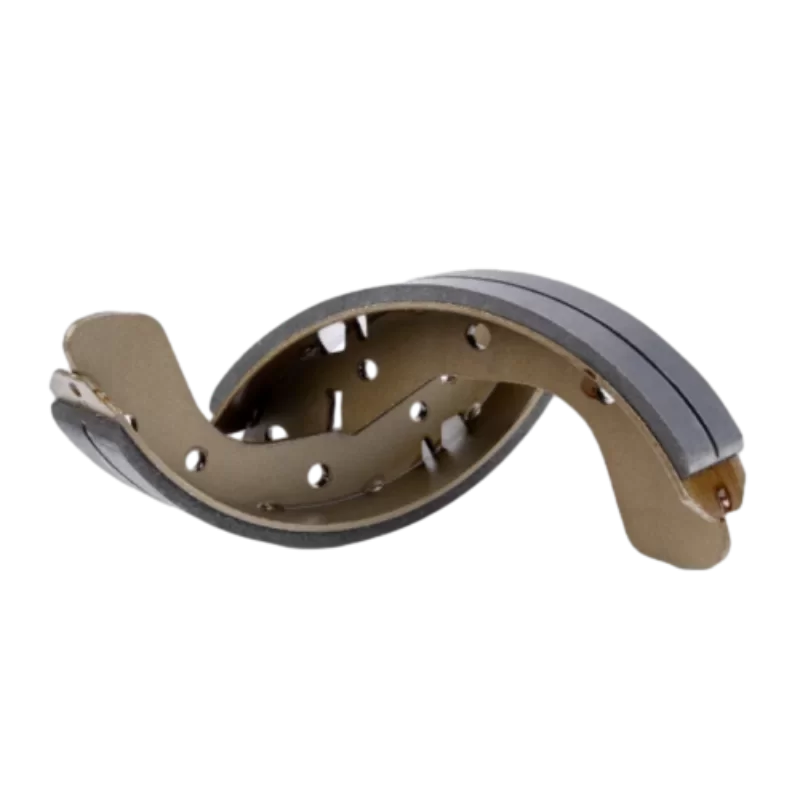
Until the early 2000s, the Bolivian market relied heavily on standard organic friction materials. These were sufficient for flat terrains but struggled significantly with the thermal demands of the Andes, leading to frequent replacements of the brake pad shoe.
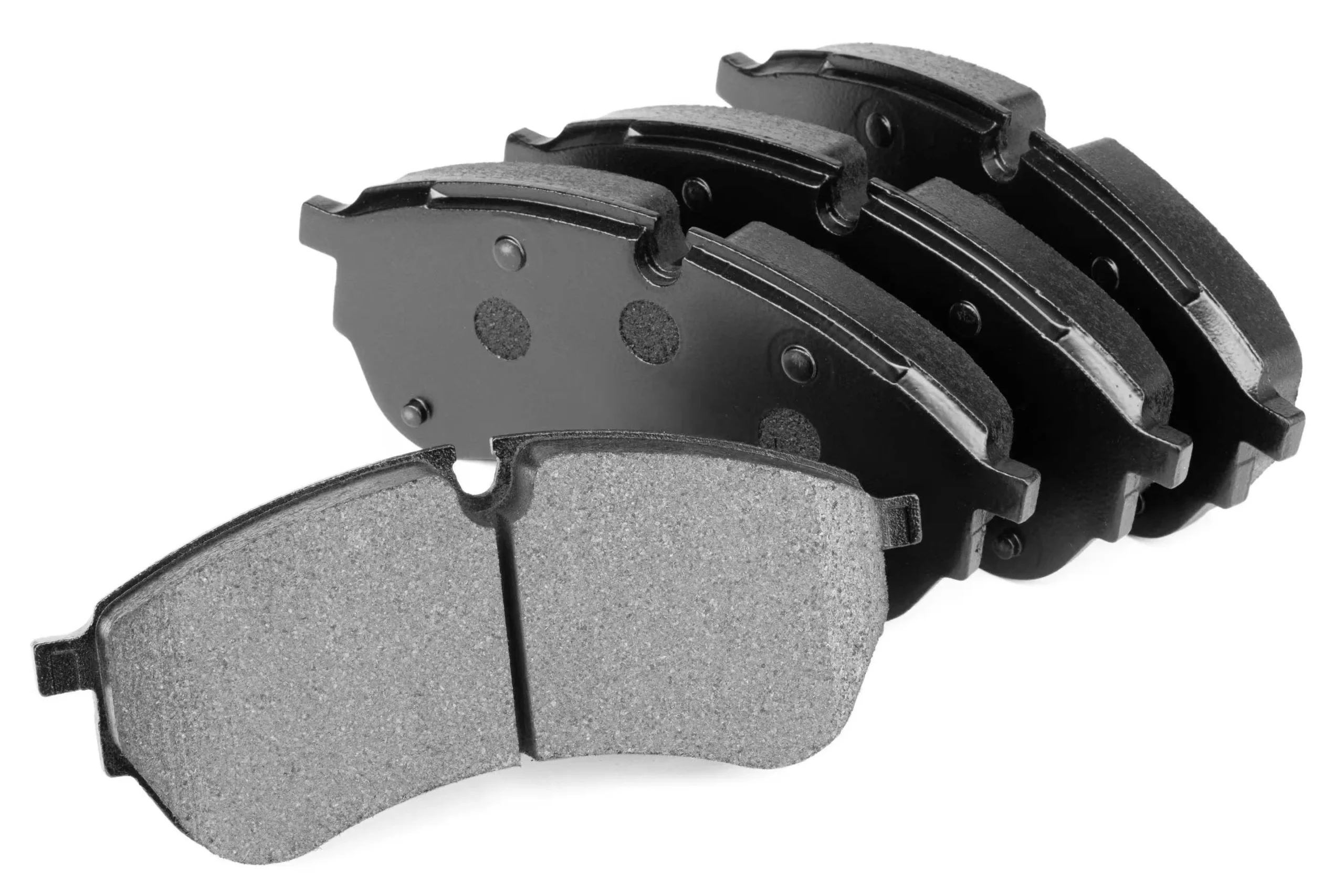
Between 2010 and 2020, there was a shift toward semi-metallic compositions. This transition was driven by the need for better heat dissipation and higher durability for commercial fleets transporting minerals, significantly reducing the failure rate of braking systems on steep slopes.
Currently, the market is entering a phase of "Precision Matching," where friction materials are specifically formulated based on vehicle usage—distinguishing between urban commuting and heavy-duty mountain transport to optimize the lifespan of the components.
Future Development Trends
Low-Copper and Eco-Friendly Formulations
Following global environmental trends, there is a growing demand for copper-free materials that maintain high stopping power while reducing heavy metal runoff into the sensitive Andean ecosystems.
Thermal-Resistant Ceramic Composites
The adoption of ceramic-based materials is expected to rise, offering superior resistance to "brake fade" during long descents from high-altitude cities, ensuring consistent safety.
Smart Wear Monitoring Integration
We anticipate the integration of sensors within the friction material to provide real-time wear data, essential for the maintenance of logistics fleets operating in remote Bolivian regions.