HighPerformance brake pad set Solutions for Egypt’s Automotive Market

High-Performance brake pad set Solutions for Egypt's Automotive Market

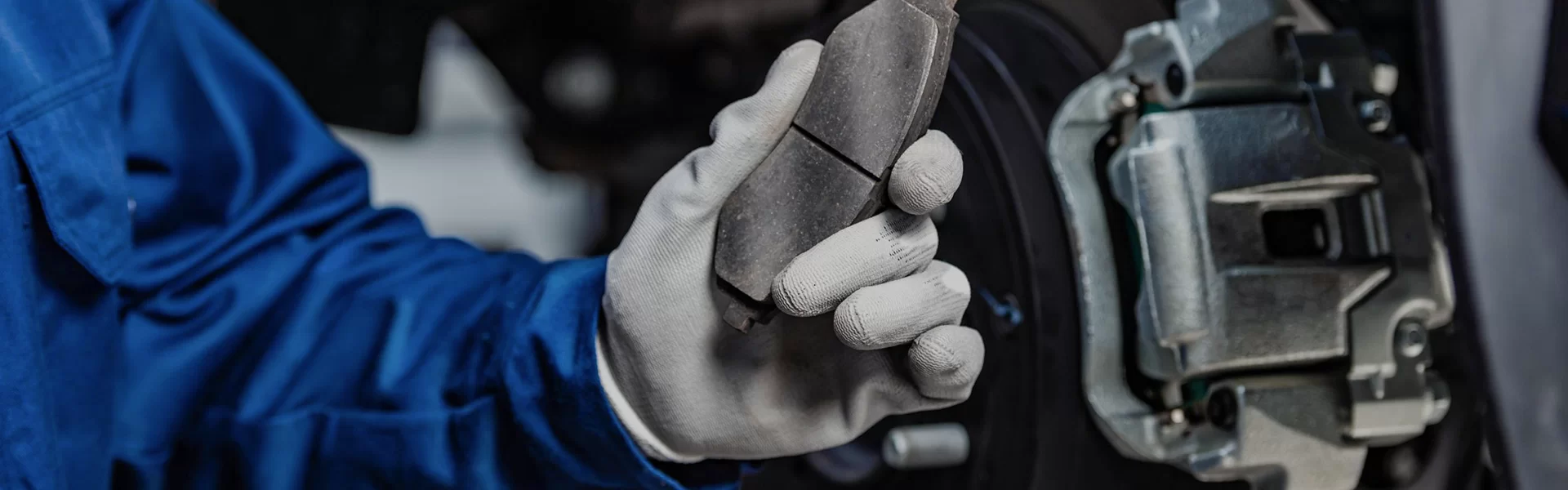
Engineered for extreme durability and heat resistance to ensure maximum safety across Egypt's diverse road conditions and urban traffic.

High-Performance brake pad set Solutions for Egypt's Automotive Market

Providing premium friction materials specifically calibrated for the high-temperature environments and heavy-duty stop-and-go traffic patterns found in major Egyptian cities.

Analyzing the Brake Friction Market in Egypt

Adapting to the unique environmental and logistical challenges of North Africa.

The Egyptian automotive landscape is characterized by extreme thermal fluctuations and high particulate matter in the air. This environment accelerates the wear and tear of brake pads & shoes, requiring materials that can withstand constant heat cycles without glazing or fading.

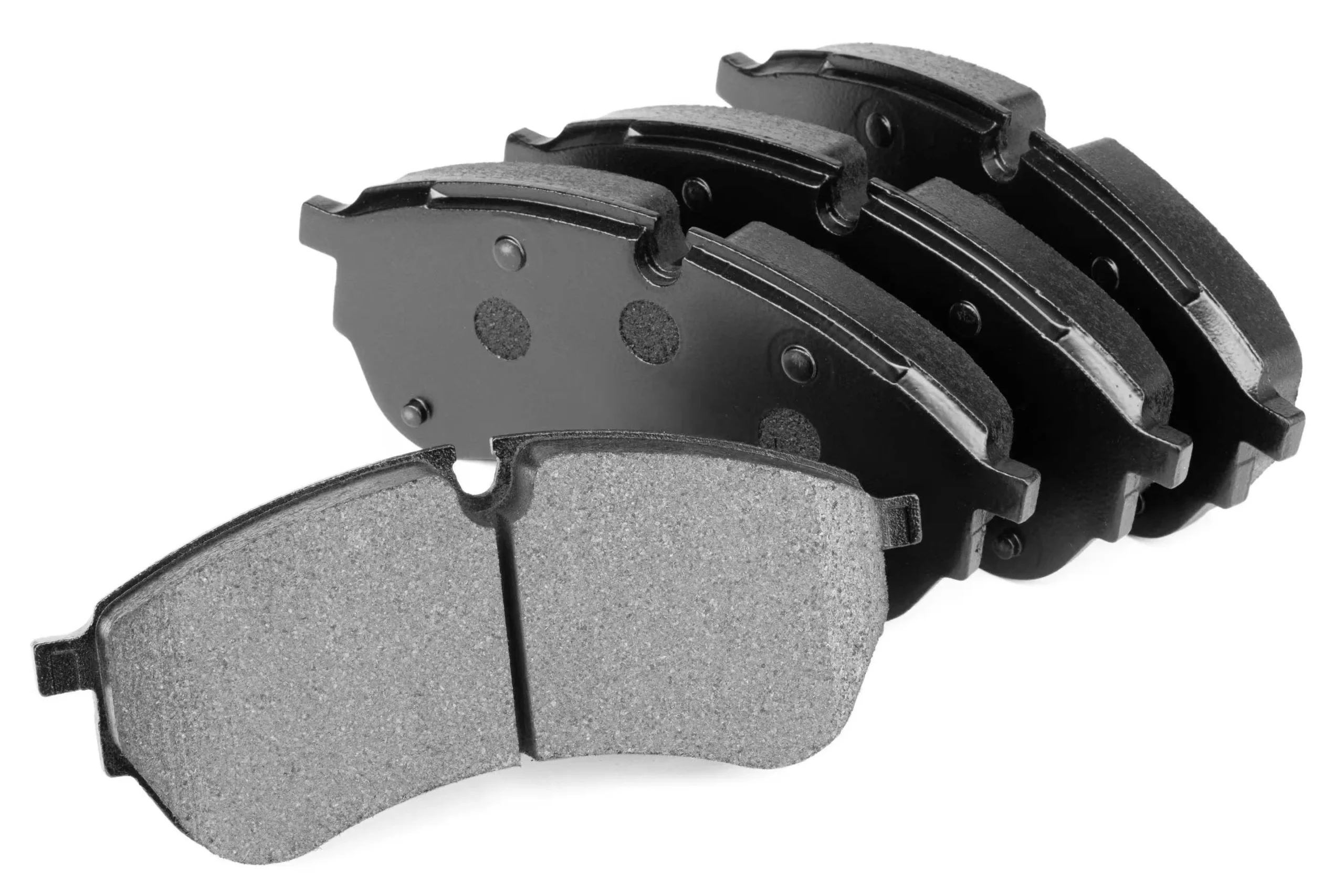
Urban congestion in Cairo and Alexandria creates a high-frequency braking cycle. This puts immense pressure on the brake pad, leading to a surge in demand for semi-metallic and ceramic composites that offer superior heat dissipation and noise reduction.

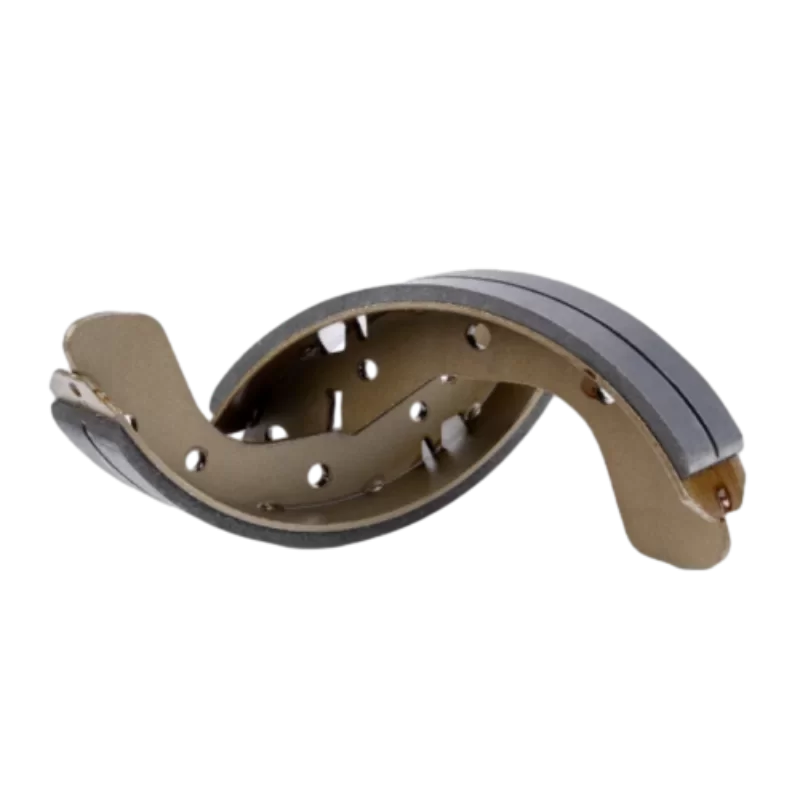
Furthermore, the prevalence of diverse vehicle fleets—from vintage European models to modern Asian imports—demands a versatile supply chain capable of providing every specific shoe brake shoe configuration to maintain national road safety standards.

Evolution of Braking Technology in Egypt

From basic asbestos-based linings to advanced low-copper friction composites.

Market Development History

Prior to the early 2000s, the Egyptian market relied heavily on organic, asbestos-based materials. These were cost-effective but suffered from rapid degradation under the Saharan heat and posed significant health risks during replacement.

Between 2010 and 2020, a transition toward semi-metallic formulas occurred. This era saw the introduction of the professional brake pad shoe as a standard for commercial vehicles, offering better durability for long-haul transport across the Nile Delta.

Currently, the market is shifting toward "Eco-Friendly" and "Low-Dust" ceramic technologies. Modern Egyptian consumers now prioritize components that reduce rotor wear and environmental pollution while maintaining stopping power.

Future Development Trends

Low-Copper Formulation Adoption

Following global environmental trends, Egypt is moving toward copper-free friction materials to reduce heavy metal runoff into the local ecosystem.

Smart Wear Monitoring

Integration of acoustic and electronic sensors within the pad structure to provide real-time alerts for maintenance in commercial fleets.

Heat-Shielded Composite Structures

Development of multi-layered friction materials specifically designed to prevent brake fade during extreme summer temperature peaks in Upper Egypt.

Industry Outlook and Future Projections

Strategic forecasting for the Egyptian automotive components sector.

EV Braking Transition
Shift toward regenerative braking systems requiring specialized friction pads for intermittent use.
Material Optimization
Increasing use of ceramic composites to reduce brake dust and rotor abrasion in urban Cairo.
Logistics Efficiency
Localization of distribution hubs to reduce lead times for critical safety components.
Safety Standard Alignment
Alignment of local product specifications with international ISO/TS 16949 standards.

Industry Outlook

Based on search trends and market analysis, we predict a 15% CAGR in the demand for high-end friction materials in Egypt over the next 3-5 years. As the government invests in new road infrastructure, the increase in average vehicle speeds will drive demand for premium braking systems.

The convergence of digital supply chains and a growing awareness of vehicle safety will move the market away from generic parts toward certified, brand-specific kits that guarantee compatibility and performance.

Local Application Scenarios in Egypt

Real-world deployments of friction solutions across Egypt's diverse terrains.

1. Cairo Urban Transit Systems

Deployment of heavy-duty ceramic pads for city buses and taxis navigating the extreme stop-and-go traffic of Cairo, focusing on heat dissipation and reduced brake squeal.

2. Red Sea Tourism Transport

High-performance braking solutions for tourist shuttles operating between Hurghada and Sharm El Sheikh, where high speeds and sandy environments require abrasion-resistant materials.

3. Nile Delta Agricultural Logistics

Specialized heavy-duty linings for transport trucks carrying produce, designed to withstand the humidity of the Delta region and heavy load capacities.

4. Western Desert Expedition Fleet

Ruggedized friction components for 4x4 vehicles operating in extreme desert temperatures, ensuring the brakes do not fade during long descents in sandy terrain.

5. Alexandria Port Heavy Haulage

Corrosion-resistant brake components for port machinery and heavy trucks exposed to salt-heavy air and high moisture in the Mediterranean coastal zone.

Brand Story

The Global Development Journey of Hengshui Kaiyuan Automotive Parts Co., Ltd.

Foundational Excellence

Established with a focus on precision engineering, we began by solving the most basic durability issues in commercial friction materials.

Technological Breakthrough

Invested in R&D to develop advanced semi-metallic formulas that outperformed industry standards in heat resistance and wear longevity.

Global Expansion

Expanded our footprint into North Africa and the Middle East, adapting our products to the harsh climates of regions like Egypt.

Certification Milestone

Achieved international safety certifications, ensuring every component meets the strictest global automotive safety protocols.

Vision for the Future

Leading the transition to eco-friendly friction materials, aiming to eliminate harmful emissions from the global braking industry.

Comprehensive Brake Product Portfolio for Egypt

A full range of friction solutions tailored for the Egyptian automotive aftermarket.

Frequently Asked Questions in Egypt

Expert answers to common technical queries from our local Egyptian partners.

How does the Egyptian heat affect the lifespan of a brake pad set?

Extreme heat can lead to "brake fade" and accelerated wear. Our products use advanced thermal-stable resins to prevent glazing and maintain friction coefficients even in 40°C+ temperatures.

What is the best material for brake pads & shoes in urban Cairo traffic?

Ceramic or high-quality semi-metallic composites are recommended. They provide the necessary durability for constant stop-and-go cycles while reducing noise and dust.

Can a shoe brake shoe from your brand fit older European vehicle models common in Egypt?

Yes, we maintain an extensive database of legacy vehicle specifications to ensure perfect fitment and safety for a wide variety of older automotive models.

How often should the brake pad be replaced in sandy desert conditions?

Sand acts as an abrasive. In desert regions, we recommend inspecting friction levels every 5,000-7,000 km to ensure optimal safety and rotor health.

Do your friction materials comply with international environmental standards?

Absolutely. Our manufacturing processes are asbestos-free and we are transitioning to low-copper formulations to meet the highest global eco-standards.

What signs indicate that I need a new brake pad set immediately?

Key indicators include high-pitched squealing, a "spongy" brake pedal feel, or increased stopping distances, especially during high-temperature summer months.

Ready to Upgrade Your Fleet's Safety?

Contact our technical team today for wholesale opportunities and customized friction solutions tailored for the market in Egypt.

Contact Us Now

If you are interested in our products, you can choose to leave your information here, and we will be in touch with you shortly.