HighPerformance brake pad set Solutions for Kenya’s Automotive Market

High-Performance brake pad set Solutions for Kenya's Automotive Market

Engineered for durability and safety, providing superior braking reliability across the diverse terrains of Kenya.

High-Performance brake pad set Solutions for Kenya's Automotive Market

We provide professional-grade braking components tailored to the rigorous demands of Kenyan road conditions, ensuring maximum safety and extended service life for every vehicle.

The Current State of Braking Systems in Kenya

Analyzing the challenges of friction materials in East Africa's unique environment.

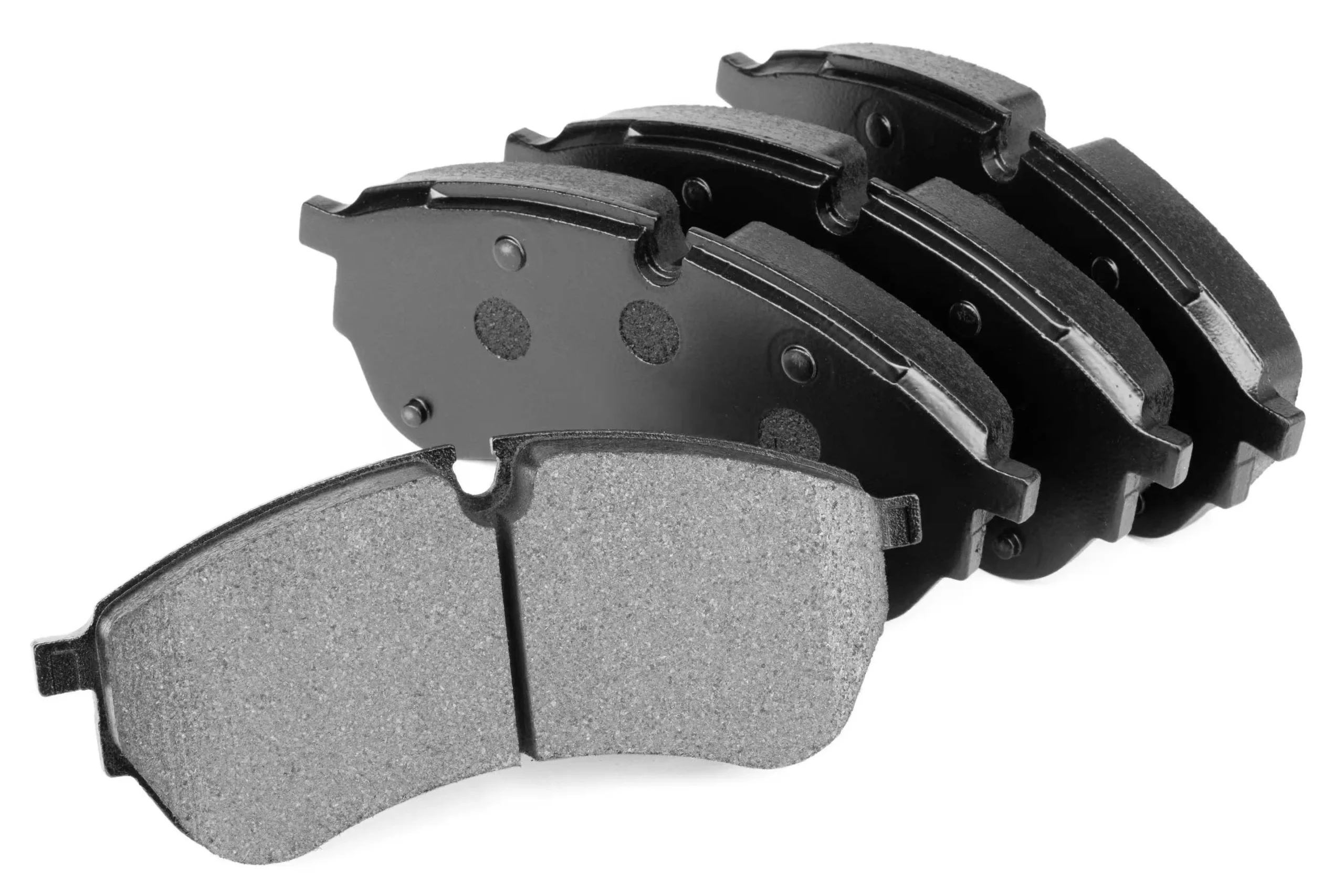
In Kenya, the automotive sector faces extreme operational challenges. The combination of high humidity in coastal regions and abrasive dust in the Rift Valley puts immense pressure on brake pads & shoes, leading to accelerated wear and premature failure of standard components.

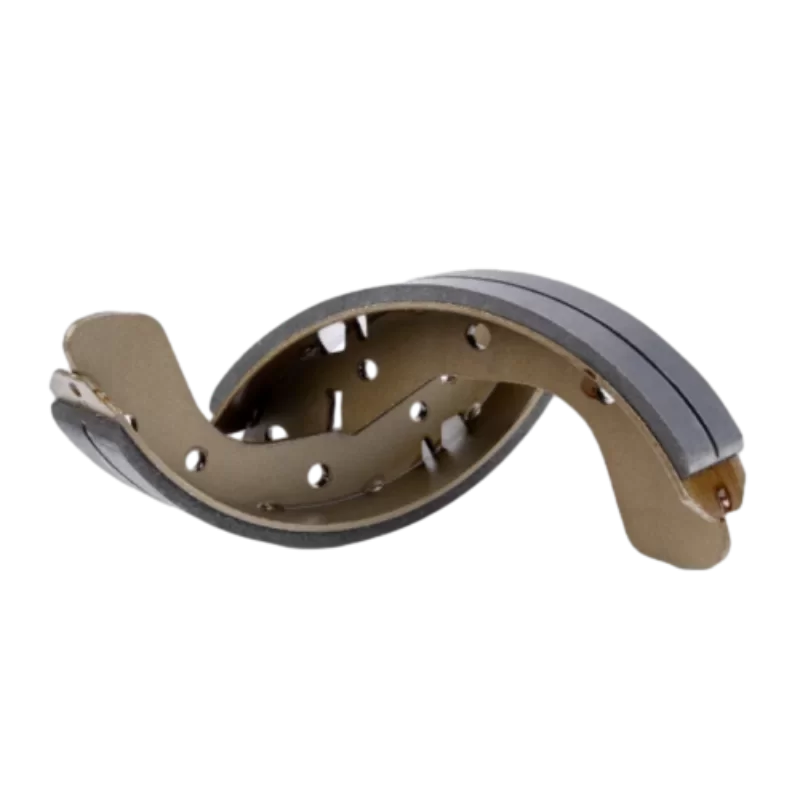
Many commercial fleets operating in Nairobi and Mombasa struggle with "brake fade" during stop-and-go traffic and steep descents. This necessitates a more robust shoe brake shoe design that can dissipate heat efficiently while maintaining a consistent coefficient of friction.

Current market trends show a shift from low-cost, generic imports to certified, high-durability parts. Kenyan fleet managers are increasingly prioritizing E-E-A-T (Experience, Expertise, Authoritativeness, and Trustworthiness) when sourcing the brake pad to reduce downtime and maintenance costs.

Evolution of Braking Technology in Kenya

From basic organic linings to advanced semi-metallic and ceramic compounds.

Market Development History

Historically, the Kenyan market relied on basic organic friction materials throughout the 1990s and early 2000s. These early versions of the brake pad shoe were prone to rapid overheating and lacked the structural integrity required for heavy-duty transport.

By 2010, the introduction of semi-metallic compounds marked a significant leap. These materials offered better thermal conductivity, which was essential for the long-haul trucks traversing the Northern Corridor, significantly reducing the frequency of brake replacements.

From 2018 to the present, the market has transitioned toward low-steel and ceramic-hybrid technologies. These modern iterations focus on noise reduction and dust minimization, aligning with the increasing number of luxury SUVs and modern transit buses in urban centers.

Future Development Trends

Eco-Friendly Asbestos-Free Materials

Following global environmental regulations, Kenya is seeing a surge in demand for non-asbestos organic (NAO) materials to reduce toxic emissions during wear.

Precision Heat-Treatment Technology

Future iterations will incorporate specialized heat-treatment processes to prevent warping under the extreme temperature fluctuations common in the Kenyan highlands.

Digital Wear Monitoring Integration

Integration of smart sensors within the friction layer to provide real-time alerts to drivers, moving from reactive to predictive maintenance.

Industry Trends and Future Outlook

Navigating the next frontier of automotive safety and friction material science.

Ceramic-Hybrid Transition
Shift towards ceramic compositions to handle high-torque braking in urban congestion.
Heavy-Duty Optimization
Enhanced friction coefficients specifically for the logistics and trucking industry.
Anti-Corrosion Coating
Implementation of advanced coatings to prevent oxidation in humid coastal climates.
Smart Supply Chain
Direct-to-workshop delivery models to reduce lead times for critical safety parts.

Industry Outlook

The next 3-5 years will see a significant increase in search volume for "low-noise brake pads" and "long-life friction materials" in Kenya, as the middle class grows and vehicle ownership increases. Google search trends indicate a growing awareness of OEM-equivalent quality over cheap alternatives.

We anticipate the adoption of AI-driven material formulation, allowing manufacturers to tweak the chemical composition of brake linings based on the specific geological data of East African roads, ensuring a perfect balance between wear and stopping power.

Local Application Scenarios in Kenya

Tailored braking solutions for the most demanding Kenyan environments.

01. Nairobi Urban Commuting

High-frequency stop-and-go traffic in Nairobi's central business district requires pads that resist glazing and maintain performance under constant friction heat.

02. Mombasa Coastal Logistics

Heavy trucks transporting goods from the Port of Mombasa face high salt-air corrosion; our treated backing plates prevent rust and premature delamination.

03. Rift Valley Steep Descents

Vehicles navigating the steep gradients of the Rift Valley need heavy-duty friction materials that prevent brake fade and ensure safety during long descents.

04. Northern Frontier Off-Roading

4x4 vehicles operating in dusty, sandy terrains require sealed and resilient braking components that prevent particulate ingress into the caliper system.

05. Public Matatu Transit Systems

The high-utilization nature of Matatus demands extreme durability and cost-effective replacement cycles without compromising passenger safety.

Brand Story

Global Development History of Hengshui Kaiyuan Automotive Parts Co., Ltd.

Founding Vision

Established with a commitment to precision engineering, aiming to solve the critical safety gap in the aftermarket braking industry.

Technical Breakthroughs

Developed proprietary friction formulas that balance braking power with material longevity, reducing noise and vibration.

Global Expansion

Extended our reach to East Africa, specifically Kenya, recognizing the need for specialized parts in challenging road conditions.

Quality Certification

Achieved international quality benchmarks to ensure that every component meets rigorous safety and performance standards.

Future Mission

Continuing to innovate sustainable and smart braking solutions to keep drivers safe in every corner of the world.

Complete Braking Product Portfolio for the Kenyan Market

A comprehensive range of solutions from passenger cars to heavy-duty commercial vehicles.

Kenya Braking Systems FAQ

Answers to the most common technical queries from Kenyan automotive professionals.

How often should I replace a brake pad set in Nairobi's traffic?

Given the intense stop-and-go traffic in Nairobi, we recommend a professional inspection every 10,000km, as friction wear occurs more rapidly than in open-highway driving.

Why do my brake pads & shoes squeak in humid coastal areas?

Humidity and salt air can lead to surface oxidation. Using premium components with anti-corrosion coatings helps minimize noise and maintain smooth operation.

What is the best shoe brake shoe material for heavy trucks in the Rift Valley?

Semi-metallic compounds are highly recommended for the Rift Valley due to their superior heat dissipation and stability during prolonged braking on steep descents.

Can the brake pad wear faster on unpaved roads in rural Kenya?

Yes, abrasive dust and sand can act as an abrasive between the pad and the rotor, significantly increasing the wear rate compared to paved city roads.

How to identify a high-quality brake pad set from a low-grade one?

Check for uniform friction material density, precise fitment to the caliper, and certification marks that prove compliance with international safety standards.

What are the signs that I need to replace the brake pad immediately?

Key signs include high-pitched squealing, a pulsating brake pedal, increased stopping distance, or visible thinning of the friction material.

Get Expert Braking Support

Contact our technical team today for customized braking solutions delivered across Kenya.

Contact Us Now

If you are interested in our products, you can choose to leave your information here, and we will be in touch with you shortly.