
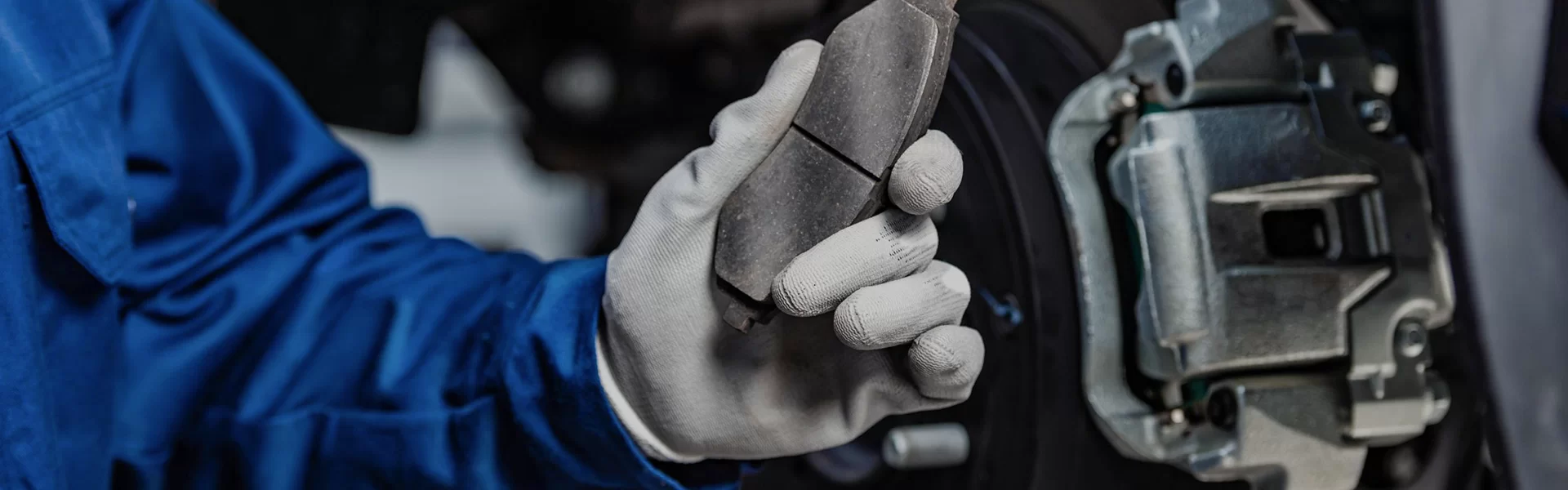
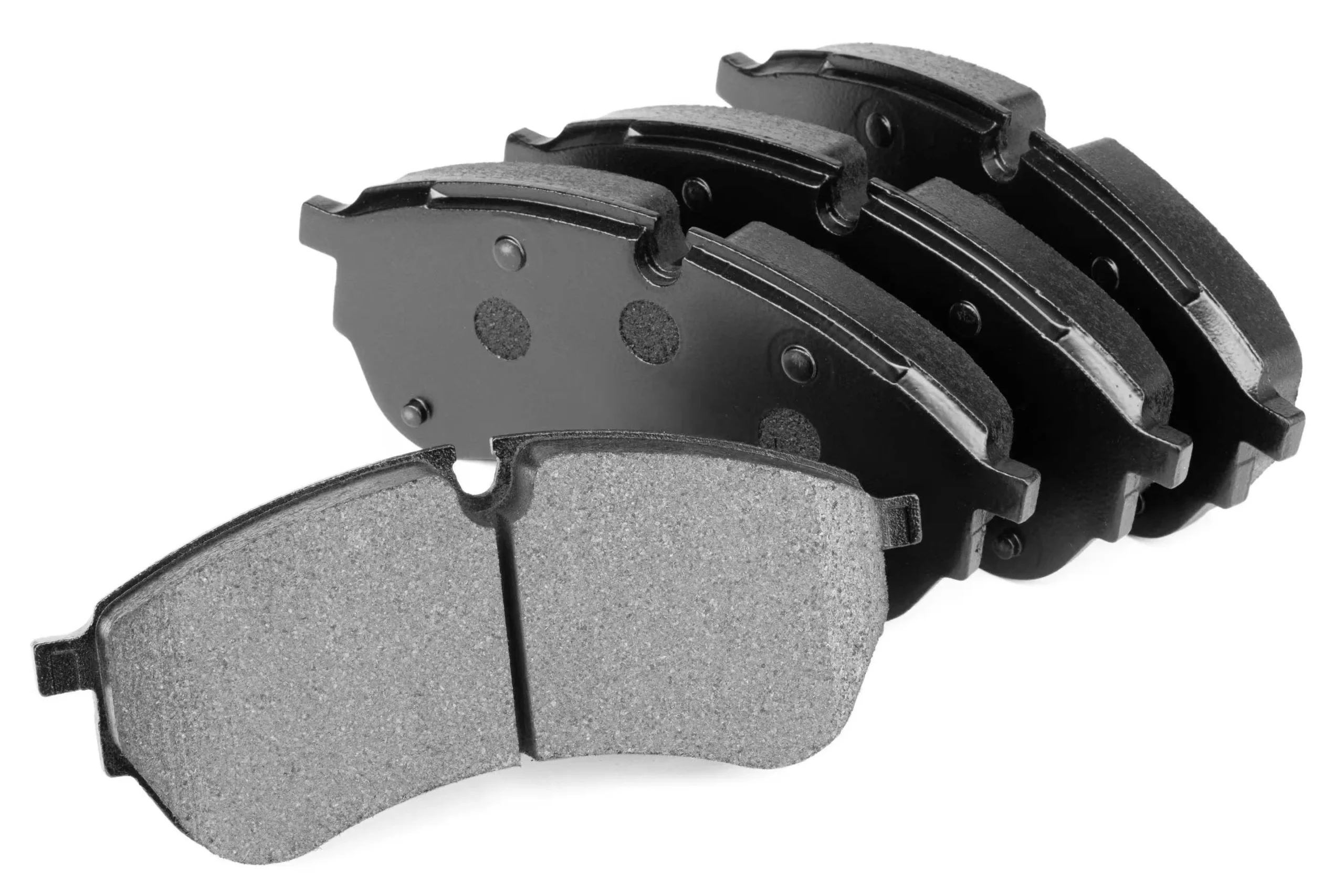
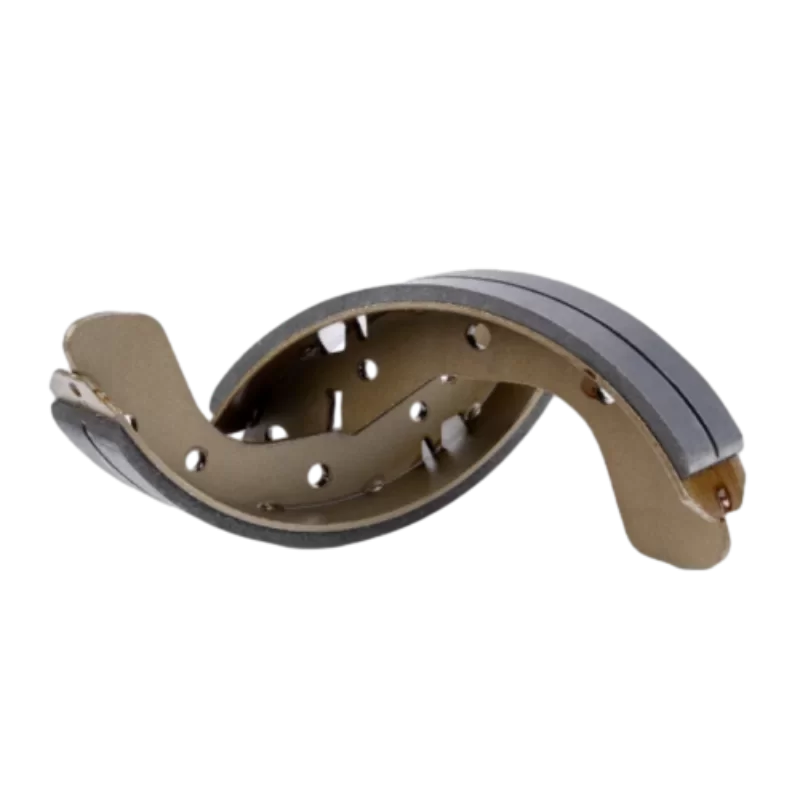
Mexico has evolved into a global powerhouse for automotive assembly, creating a massive demand for high-quality brake pad shoe components. The industry is characterized by a dual need: supporting the high-volume export market and serving the domestic fleet, which operates in highly varied environmental conditions.
Geographically, the contrast between the humid coastal regions and the high-altitude terrain of Mexico City puts extreme thermal stress on braking systems. This requires friction materials that can resist brake fade and maintain a stable coefficient of friction under heavy load and high heat.
Economically, the shift toward "nearshoring" has accelerated the local integration of the supply chain. There is a growing preference for components that meet both US DOT and Mexican NOM standards, ensuring that the brake pad installed can handle long-haul logistics across North American borders.


