
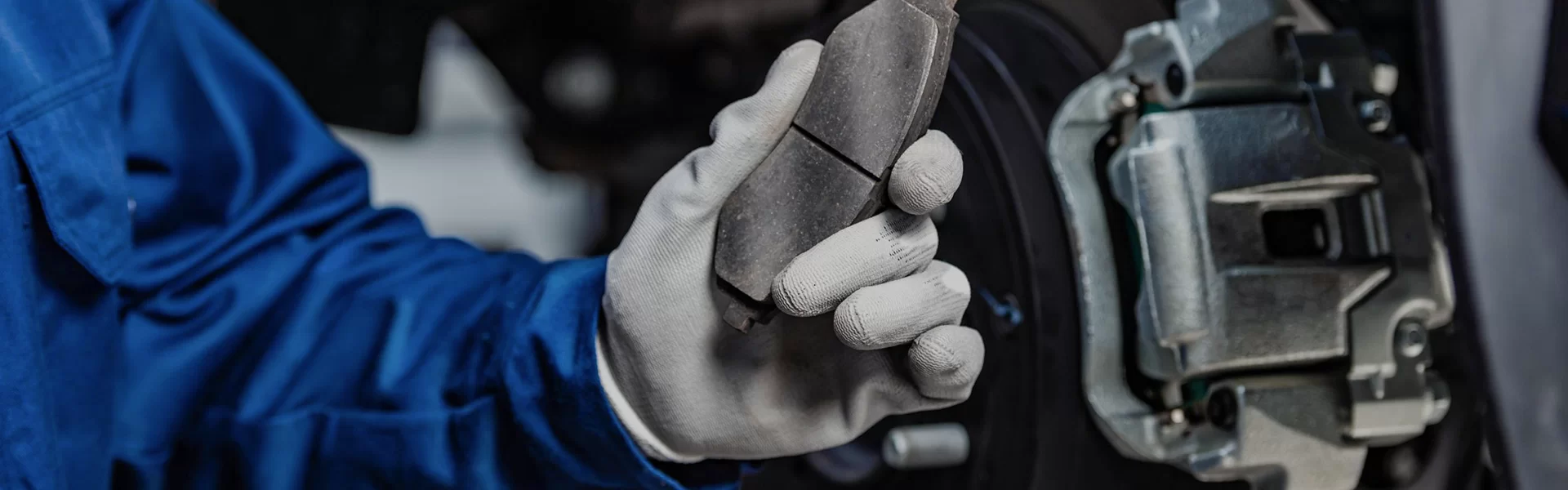
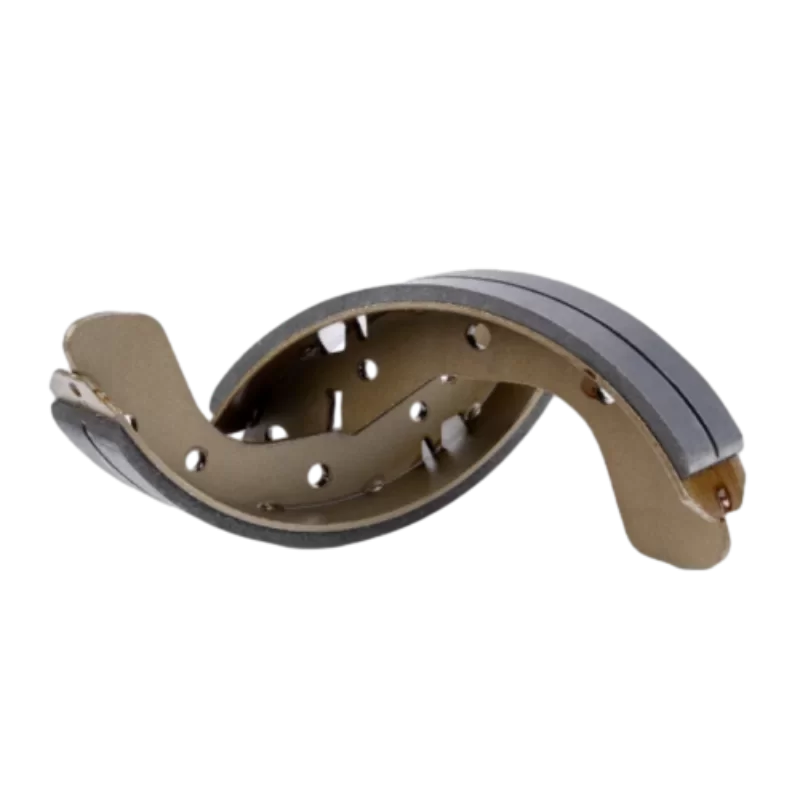
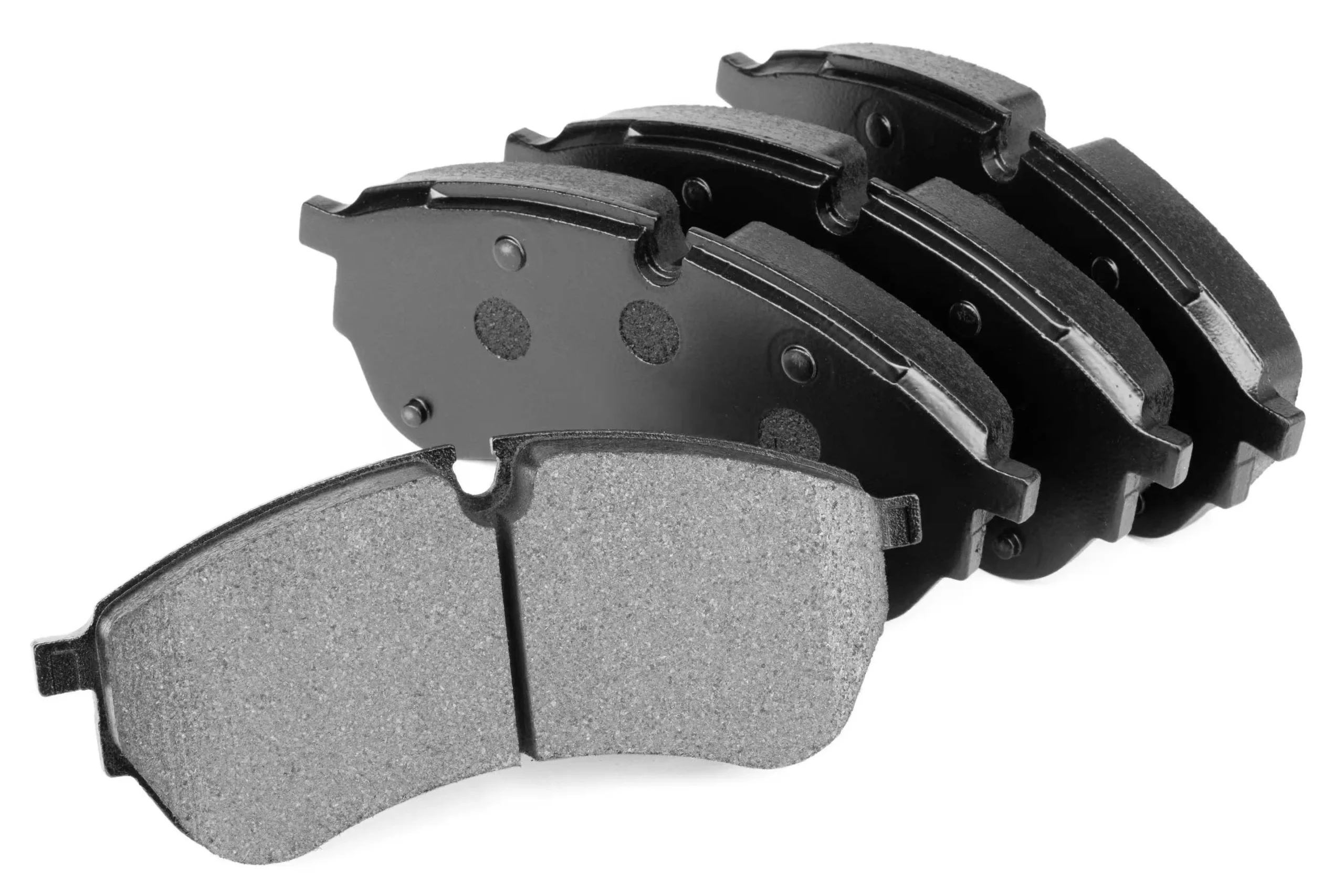
HighPerformance brake pad set Solutions for Norway

High-Performance brake pad set Solutions for Norway

Engineering precision braking systems tailored for Nordic climates, ensuring maximum safety and durability across Norway's challenging terrains.

High-Performance brake pad set Solutions for Norway

Providing advanced friction materials that meet the rigorous safety standards of the Norwegian automotive market, from Oslo's urban traffic to the Arctic north.

The Braking Landscape in Norway

Adapting friction technology to extreme Nordic environmental demands.

Norway's unique geography, characterized by steep fjords and mountainous regions, places immense stress on brake pads & shoes. The constant descent from high altitudes requires components that can handle extreme thermal loads without fading, ensuring consistent stopping power.

The climatic volatility, specifically the frequent freeze-thaw cycles and the heavy use of road salt during winter, accelerates the corrosion of the brake pad hardware. This creates a market demand for high-grade anti-corrosion coatings and specialized friction formulas that remain stable at sub-zero temperatures.

Furthermore, Norway's global leadership in Electric Vehicle (EV) adoption has shifted the industry toward regenerative braking. This requires a brake pad shoe designed for lower utilization rates but higher reliability when emergency mechanical braking is required.

Evolution of Braking Technology in Norway

From semi-metallic standards to eco-friendly ceramic innovations.

Market Development History

In the 1990s and early 2000s, the Norwegian market relied heavily on traditional semi-metallic compositions. These provided strong bite but suffered from high noise levels and rapid wear under the salty conditions of the coast.

Around 2010, there was a significant transition toward low-metallic and ceramic formulations. This shift aimed to reduce brake dust and improve the longevity of the shoe brake shoe, aligning with Norway's strict environmental regulations regarding particulate emissions.

From 2018 onwards, the integration of copper-free materials became the gold standard. This evolution was driven by the need to protect Norway's pristine water systems from heavy metal contamination during brake wear.

Future Development Trends

Copper-Free Eco-Friction

The total elimination of copper to meet EU and local Norwegian environmental mandates, focusing on organic and ceramic composites.

EV-Specific Optimization

Developing friction materials that prevent "cold-glazing" in EVs where mechanical brakes are used less frequently due to regeneration.

Intelligent Wear Monitoring

Integration of sensor-ready hardware into every brake set to provide real-time telemetry for fleet management in the logistics sector.

Industry Trends and Future Outlook

Predicting the trajectory of automotive friction components in Northern Europe.

Sustainable Materials
Increasing adoption of biodegradable binders and recycled carbon fibers to reduce the carbon footprint of production.
EV Brake Optimization
Custom formulas designed for the unique braking profiles of Tesla, NIO, and VW ID series popular in Norway.
Anti-Corrosion Tech
Implementation of advanced zinc-nickel plating to withstand the extreme salinity of the Norwegian coastal roads.
Digitalized Supply Chain
Just-in-time delivery models using AI to predict demand based on Norwegian seasonal traffic patterns.

Industry Outlook

According to Google search trends, there is a rising volume of queries regarding "EV brake maintenance" and "low-noise brake pads" within the Oslo and Bergen regions. This indicates a consumer shift toward comfort and specialized EV care.

Over the next 3-5 years, the industry will likely converge toward "Smart Friction" systems, where material composition is optimized via data from actual road performance in extreme cold, reducing the gap between theoretical safety and real-world Norwegian winter conditions.

Local Application Scenarios in Norway

Real-world deployment of our braking solutions across diverse Norwegian environments.

01. Steep Fjord Descent Logistics

Heavy-duty trucks transporting goods through steep coastal valleys require a high-thermal stability brake pad set to prevent brake fade during prolonged downhill braking.

02. Arctic Circle Commuting

Passenger vehicles in Tromsø and Alta utilize our specialized cold-weather formulas that ensure immediate friction coefficient activation even at -30°C.

03. Oslo Urban EV Fleet

Taxi fleets in Oslo employ low-dust ceramic pads to maintain vehicle aesthetics and reduce city particulate pollution, perfectly suited for stop-and-go traffic.

04. Northern Highlands Off-Roading

4x4 vehicles navigating muddy and snowy highland trails use reinforced friction materials that resist abrasion from grit and ice crystals.

05. Coastal Ferry Ramp Transit

Vehicles frequently transitioning between ferries and salt-sprayed ramps utilize our anti-corrosion coated hardware to prevent seizing of the caliper sliders.

Brand Story

Global Development Journey of Hengshui Kaiyuan Automotive Parts Co., Ltd.

Founding Precision

Established with a mission to solve the critical pain point of inconsistent friction performance in extreme temperatures, bridging the gap between cost and safety.

Technical Breakthrough

Developed proprietary semi-metallic and ceramic bonding techniques that significantly increased the lifespan of the brake pad shoe.

European Expansion

Entered the Nordic market by tailoring products for the Norwegian climate, focusing on anti-corrosion and high-thermal stability.

Sustainability Pivot

Invested in copper-free and asbestos-free production lines to align with the world's strictest environmental standards, including EU regulations.

Global Leadership

Now recognized as a trusted partner for automotive distributors worldwide, delivering safety and reliability to every corner of the globe.

Complete Braking Portfolio for Norway

A comprehensive range of friction solutions engineered for the unique demands of the Norwegian automotive sector.

Norway Braking System FAQs

Expert answers to common questions regarding brake maintenance in Nordic climates.

How does the Norwegian winter affect the lifespan of a brake pad set?

Road salt and moisture cause oxidation on the edges of the pads. We use advanced anti-corrosion coatings to ensure that your set remains functional and doesn't seize during winter.

Are ceramic brake pads & shoes suitable for the steep mountains of Norway?

Yes, our high-end ceramic compounds are designed for superior heat dissipation, making them ideal for long descents where heat buildup is a primary concern.

What is the best shoe brake shoe material for heavy commercial vehicles in Nordic regions?

For heavy-duty use, we recommend semi-metallic composites that offer the highest friction coefficient and durability under heavy loads and wet conditions.

Why is the brake pad noise louder during the winter in Oslo?

Cold temperatures can make friction materials stiffer. Our specialized Nordic-formula pads include noise-dampening shims to reduce vibration and squealing in the cold.

Do electric vehicles in Norway need the brake pad replaced more or less often?

Generally less often due to regenerative braking. However, the remaining friction material can oxidize due to under-use; we provide specialized low-glaze pads for EVs.

How can I verify the quality of the brake pad I purchase?

Look for ECE R90 certification and copper-free labels, which ensure the product meets European safety and environmental standards used across Norway.

Get Expert Braking Consultation

Partner with a leader in automotive friction technology. Contact our engineering team to optimize your fleet's safety in Norway.

Contact Us Now

If you are interested in our products, you can choose to leave your information here, and we will be in touch with you shortly.