
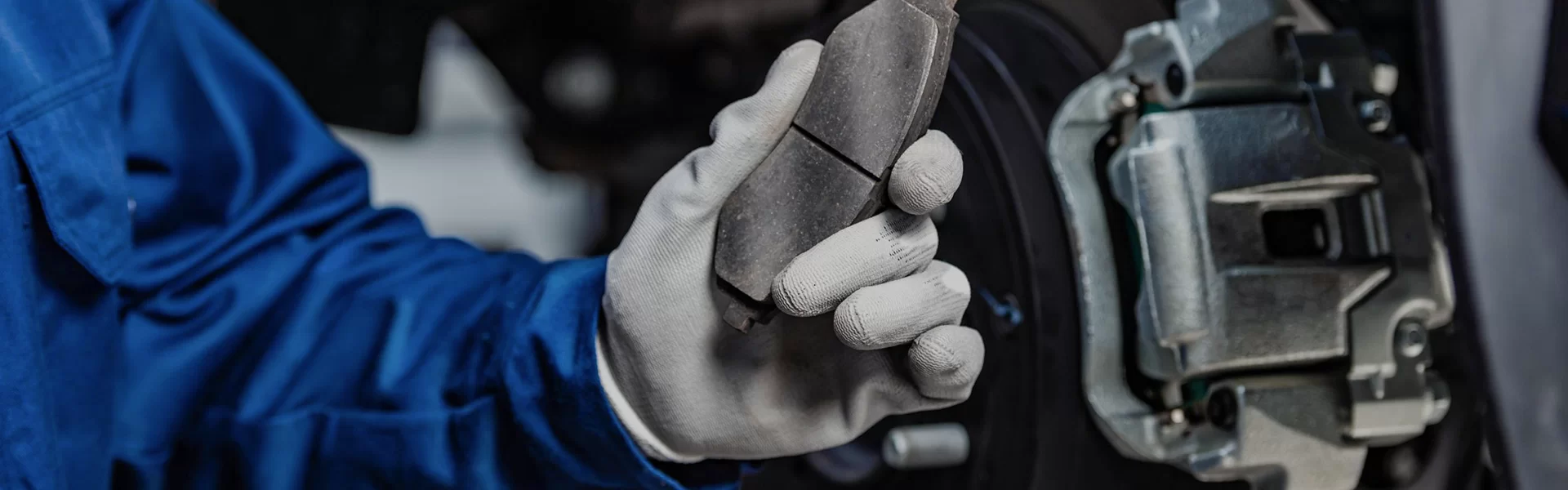
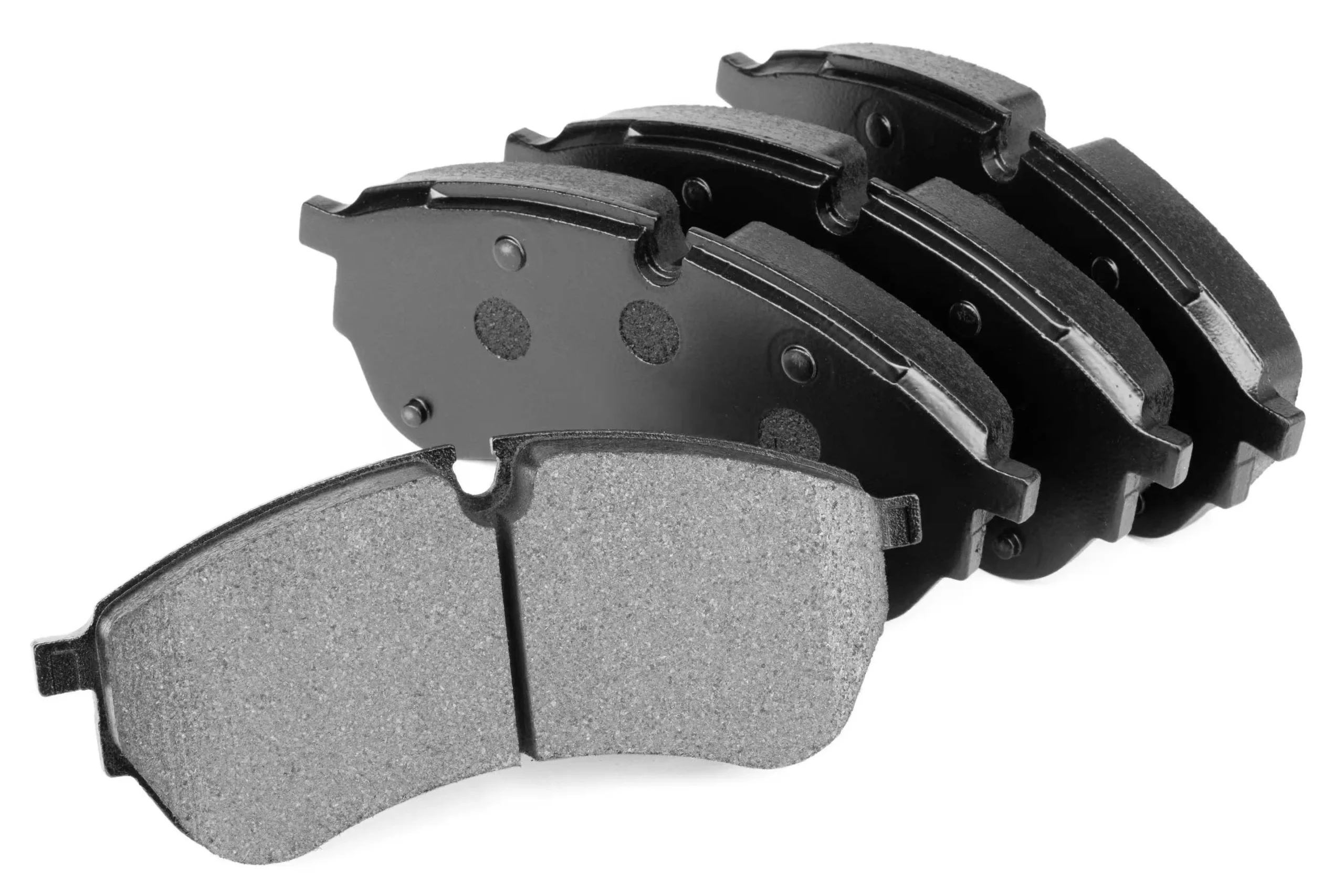
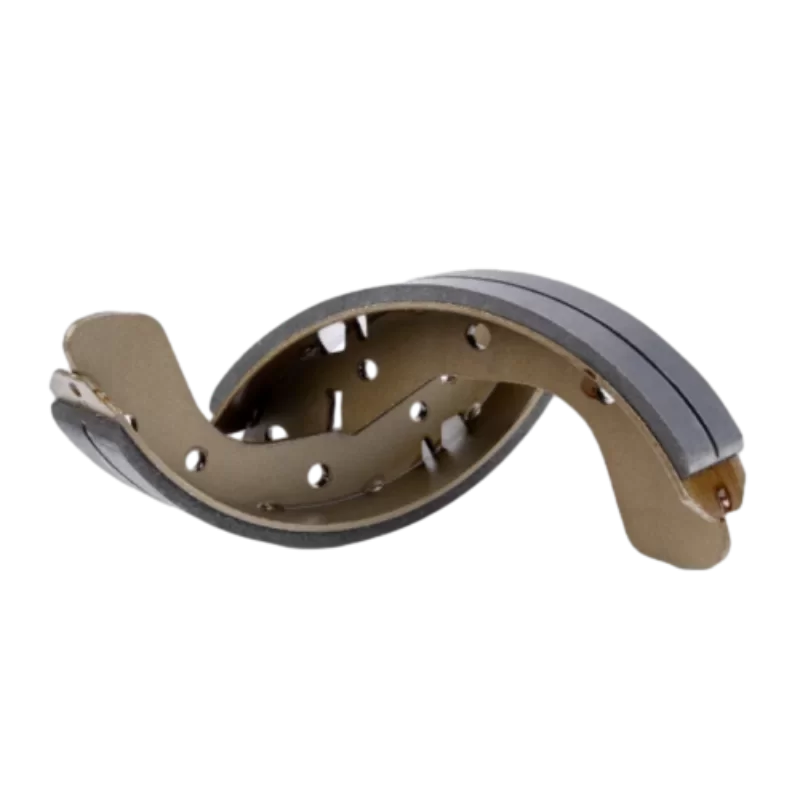
HighPerformance brake pad set Solutions for Oman Market

High-Performance brake pad set Solutions for Oman Market

Engineering superior stopping power and thermal stability for the demanding terrains and extreme climates of the Sultanate of Oman.

High-Performance brake pad set Solutions for Oman Market

Our specialized braking components are designed to withstand the rigorous heat cycles and abrasive sand conditions typical of the Arabian Peninsula, ensuring maximum safety for every journey.

The Braking Component Landscape in Oman

Analyzing the impact of hyper-arid climates on friction materials.

In Oman, the automotive sector faces unique challenges due to extreme summer temperatures and high humidity in coastal regions like Muscat. This environmental stress accelerates the degradation of a standard brake pad shoe, leading to premature glazing and reduced friction coefficients.

Furthermore, the prevalence of fine desert sand acts as a powerful abrasive between the rotor and the brake pads & shoes. This results in accelerated wear and tear, requiring materials with higher hardness and superior anti-corrosion properties to maintain operational longevity.

Economic growth in the logistics and transport sectors within Oman has increased the demand for heavy-duty braking systems. The shift toward high-durability components is no longer a luxury but a necessity for fleet operators managing long-haul transport across the Al Hajar Mountains.

Evolution of Braking Technology in the Region

From basic friction linings to advanced ceramic-metallic composites.

Market Development History

From the early 2000s, the Omani market primarily relied on organic friction materials. However, these frequently suffered from "brake fade" during steep descents in mountainous regions, prompting a transition toward semi-metallic compositions around 2010.

Between 2012 and 2018, the introduction of low-steel and ceramic-based shoe brake shoe technology revolutionized the local industry by offering a balance between noise reduction and thermal resistance.

By 2020, the focus shifted toward "Eco-Friendly" braking. The industry began phasing out asbestos-based materials in favor of NAO (Non-Asbestos Organic) formulations to meet stricter environmental regulations and health standards.

Future Development Trends

Nano-Composite Friction Materials

The integration of graphene and carbon nanotubes into the matrix of the brake pad to significantly increase heat dissipation and lifespan.

Smart Wear Monitoring

Embedding sensors within the braking assembly to provide real-time wear data, reducing unplanned downtime for commercial fleets in Oman.

Extreme Temperature Optimization

Development of specialized resins that maintain structural integrity at temperatures exceeding 600°C, specifically for the GCC's extreme summer peaks.

Future Trends and Strategic Outlook

Driving the next generation of automotive safety in Oman.

Thermal Stability Enhancement
Implementing advanced heat-shielding technologies to prevent brake fade in 50°C+ Omani summers.
Dust-Resistant Formulations
Specialized surface treatments to minimize the abrasive impact of silica-rich desert sand.
Low-Noise Ceramic Tech
Reducing NVH (Noise, Vibration, Harshness) for premium luxury vehicles popular in Oman.
EV Braking Optimization
Adapting friction materials for regenerative braking systems in growing electric vehicle fleets.

Industry Outlook

Google search trends indicate a rising interest in "heavy-duty brake pads" and "ceramic brake shoes" within the GCC region, reflecting a market shift toward longevity over initial cost.

We anticipate that the Omani automotive aftermarket will prioritize sustainable, copper-free materials by 2027, aligning with global environmental standards while maintaining the rigorous performance required for desert operation.

Local Application Scenarios in Oman

Precision braking for every Omani road condition.

1. High-Altitude Descent in Al Hajar Mountains

Heavy-duty brake sets designed to prevent thermal glazing during prolonged downhill braking on steep mountain passes.

2. Urban Commuting in Muscat City

Low-dust ceramic pads that maintain clean wheels and provide smooth, quiet stopping power in stop-and-go city traffic.

3. Off-Road Desert Expedition (Wahiba Sands)

Reinforced friction materials that resist abrasion from fine sand penetration and perform reliably in extreme heat.

4. Long-Haul Logistics (Salalah to Muscat)

High-endurance pads for commercial trucks that ensure consistent braking performance over hundreds of kilometers of highway.

5. Coastal Humidity Resistance (Sohar Port)

Anti-corrosion coated backing plates to prevent rust and seizing in high-salinity coastal environments.

Brand Story

Global Development Journey of Hengshui Kaiyuan Automotive Parts Co., Ltd.

Foundation & Vision

Established with a mission to solve the critical pain point of brake fade and uneven wear in extreme climates through metallurgical innovation.

Technical Breakthroughs

Developed proprietary friction formulas that expanded the operational temperature range, setting new standards for safety and durability.

Global Market Expansion

Expanded operations into the GCC and Asia, tailoring product specifications to meet the harsh environmental demands of Oman and its neighbors.

Quality Certification

Achieved international quality benchmarks, ensuring every component exceeds OEM specifications for safety and performance.

Sustainable Future

Leading the transition toward eco-friendly, copper-free braking solutions without compromising on stopping power.

Comprehensive Braking Portfolio for Oman

A full range of precision-engineered friction components for all vehicle types.

Frequently Asked Questions in Oman

Expert answers to common braking concerns in the region.

How does extreme heat affect the lifespan of a brake pad shoe in Oman?

Extreme heat causes thermal degradation of organic binders. Our high-temp formulas use specialized resins to prevent glazing and ensure a consistent friction coefficient even in 50°C weather.

Which brake pads & shoes are best for sandy desert environments?

Semi-metallic or ceramic pads with high hardness ratings are recommended as they resist the abrasive nature of silica sand better than standard organic pads.

What are the signs that I need a new brake pad set?

Common signs include high-pitched squealing, a vibrating brake pedal, or a noticeable increase in stopping distance, especially during mountain descents.

Is a ceramic shoe brake shoe better for luxury SUVs in Muscat?

Yes, ceramic options offer significantly lower noise and dust levels, providing a premium driving experience while maintaining excellent thermal stability.

How often should I replace the brake pad in high-mileage commercial vehicles?

For commercial fleets in Oman, we recommend inspections every 10,000km due to the abrasive environment, with replacement based on measured wear thickness.

Do I need different braking components for coastal cities like Salalah?

Coastal areas have higher salinity. We recommend pads with corrosion-resistant backing plates to prevent the components from seizing or rusting.

Ready to Upgrade Your Braking Safety?

Get in touch with our technical experts to find the perfect braking solution for your fleet or vehicle in Oman.

Contact Us Now

If you are interested in our products, you can choose to leave your information here, and we will be in touch with you shortly.