
Premium brake pad set Solutions for Cuba’s Automotive Market

Premium brake pad set Solutions for Cuba's Automotive Market

Engineered for extreme durability and high-temperature resistance to ensure safety across Cuba's diverse road networks.

Premium brake pad set Solutions for Cuba's Automotive Market

Providing high-performance friction materials specifically calibrated for the unique climatic and vehicle conditions found in the Caribbean region.

The Current State of Braking Systems in Cuba

Analyzing the challenges of automotive maintenance in a high-humidity, saline environment.

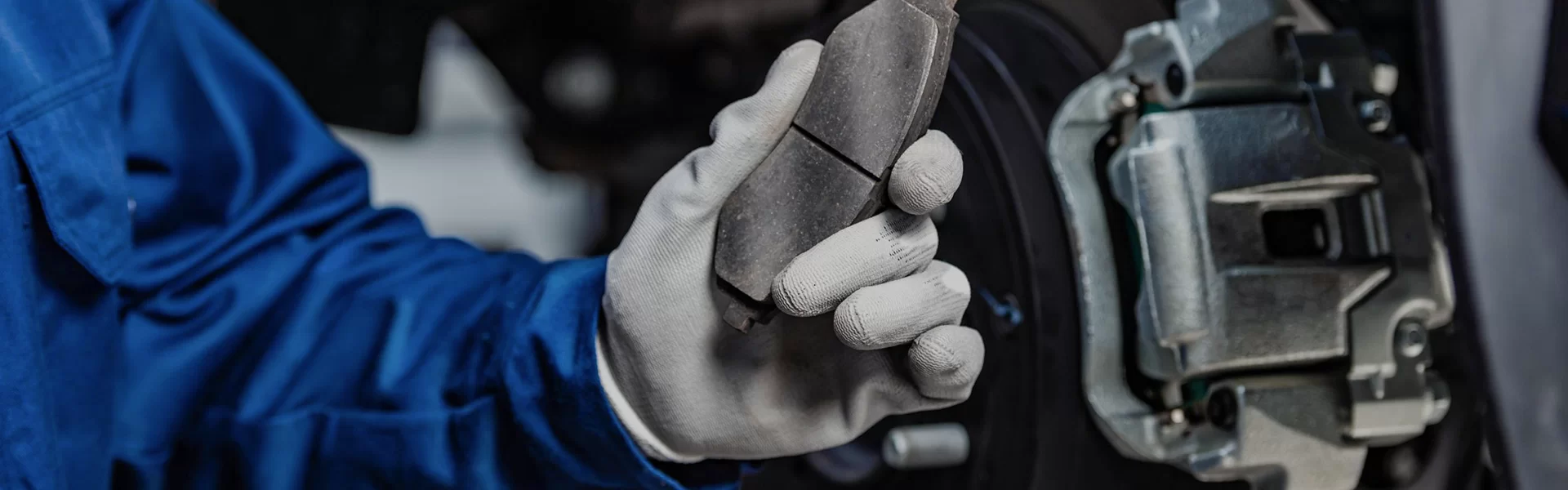
In Cuba, the automotive landscape is characterized by a diverse mix of vintage American cars and modern imports. The high salinity of the coastal air and tropical humidity accelerate the corrosion of metal components, making the selection of a durable brake pad shoe critical for vehicle longevity.

Economic constraints and supply chain complexities often lead to the use of improvised parts. However, the demand for a standardized, high-quality brake pad is increasing as safety regulations evolve and the fleet modernizes.

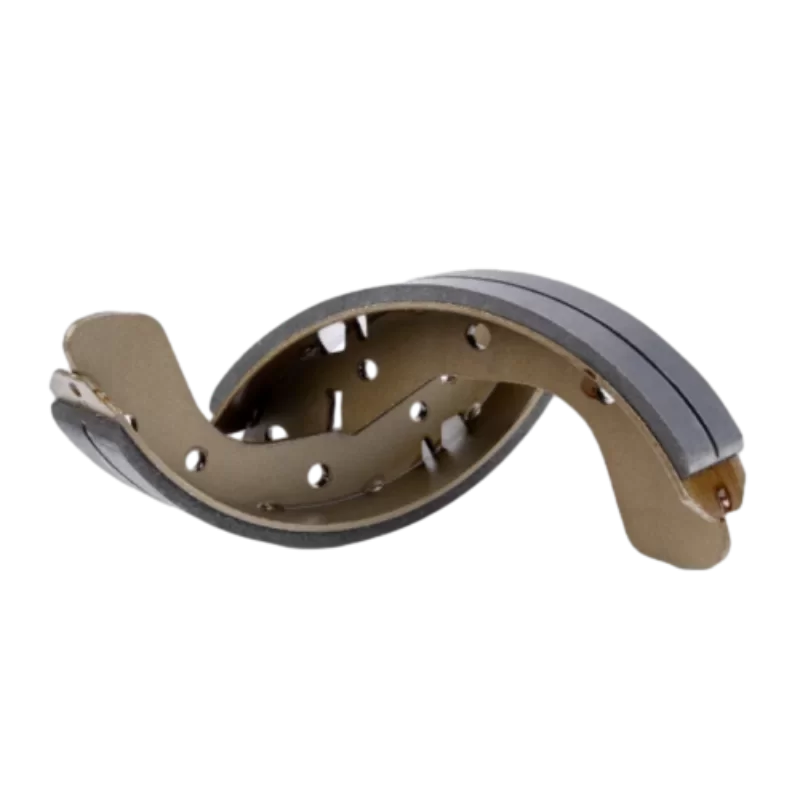
Local workshops are shifting from simple replacement to seeking materials that can withstand the stop-and-go traffic of Havana and the rugged terrain of the rural provinces, requiring a more robust shoe brake shoe design to prevent premature wear.

Evolution and Trajectory of Friction Technology

From organic asbestos-based materials to modern low-copper ceramics.

Market Development History

During the mid-20th century, Cuba's braking systems relied heavily on organic materials. These early iterations provided decent stopping power but suffered from rapid degradation under the intense Caribbean heat.

By the 1990s, there was a transition toward semi-metallic compositions. This era saw the introduction of more durable brake pads & shoes that could handle heavier loads and higher temperatures, though they often increased rotor wear.

In the last decade, the market has pivoted toward ceramic and hybrid formulations. These modern materials offer a balance of noise reduction and thermal stability, essential for the modern Cuban urban environment.

Future Development Trends

Low-Emission Friction Materials

Following global environmental trends, the shift toward copper-free formulations is accelerating to protect the fragile island ecosystem of Cuba.

Thermal Management Optimization

Development is focusing on advanced heat-dissipation slots to prevent brake fade during long descents in mountainous regions like Sierra Maestra.

Precision Fitment for Vintage Fleets

The rise of CNC precision manufacturing allows for the creation of bespoke sets that fit perfectly into legacy braking systems of 1950s vehicles.

Industry Trends and Future Outlook

Forecasting the next 3-5 years of braking technology in the North American Caribbean region.

Eco-Friendly Ceramics
Transitioning to non-asbestos, low-dust ceramic materials to meet tightening environmental standards.
Anti-Corrosive Coating
Integration of advanced zinc-nickel coatings to prevent oxidation in salt-heavy coastal air.
Hybrid Friction Matrix
Combining semi-metallic strength with ceramic smoothness for diverse road conditions.
Digital Wear Monitoring
Adopting sensor-compatible pads to predict replacement cycles in heavy-use fleets.

Industry Outlook

Based on Google search trends for automotive parts in the Caribbean, there is a marked increase in queries for "long-lasting brake components" and "high-temperature pads," indicating a shift toward quality over price.

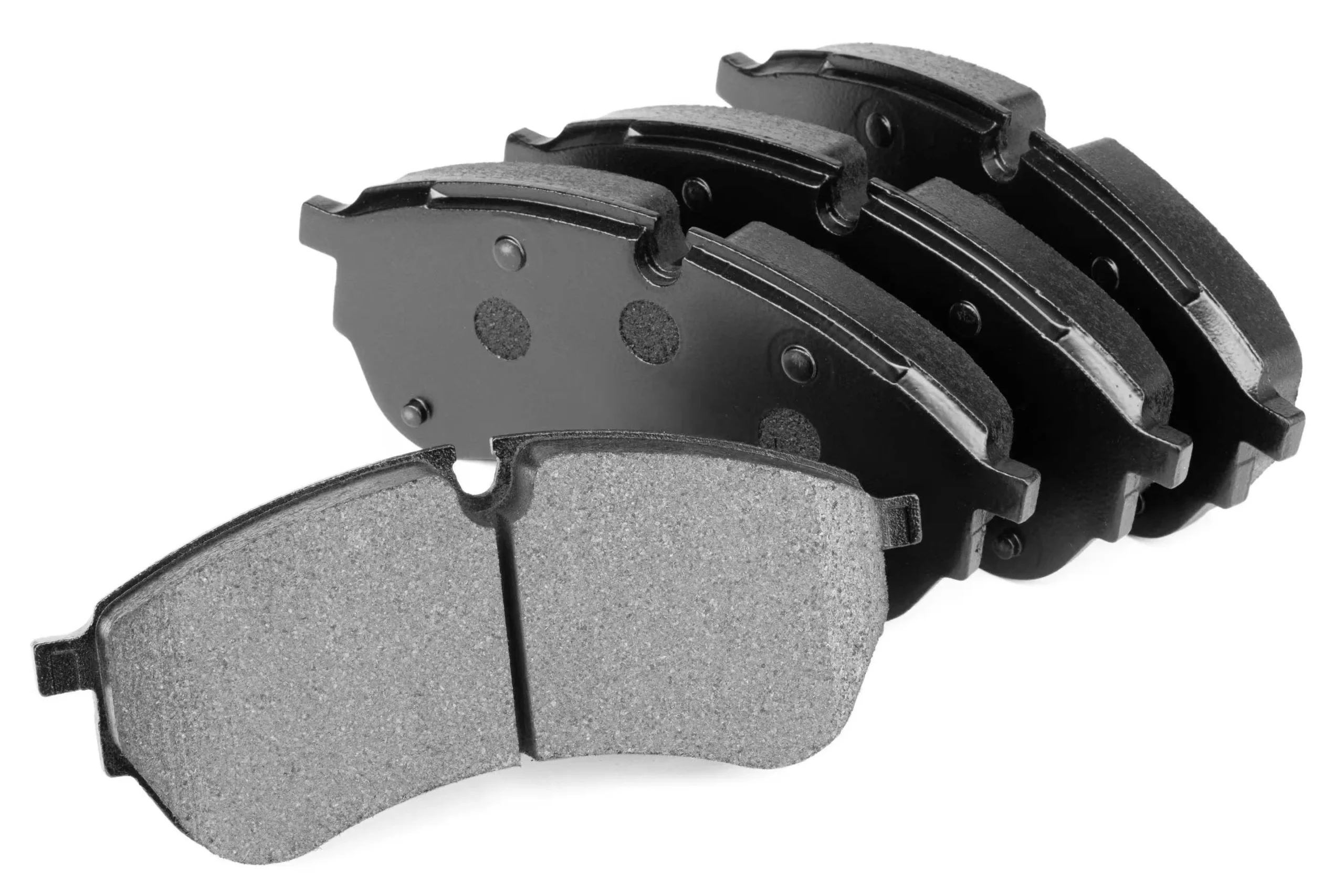
We expect the Cuban market to move toward structured maintenance cycles, where high-reliability sets like the brake pad set become the standard for commercial transport and tourism vehicles.

Local Application Scenarios in Cuba

Tailored braking solutions for Cuba's specific geographical and operational needs.

01. Havana Urban Transit

High-frequency stop-and-go traffic in the capital requires materials that resist glazing and maintain a stable friction coefficient under constant heat.

02. Coastal Tourism Transport

Vehicles operating in Varadero and other coastal resorts face extreme salt spray; here, anti-corrosive back-plates are essential to prevent seizing.

03. Rural Agricultural Logistics

Heavy-duty trucks transporting sugar cane or tobacco through unpaved roads require a rugged shoe brake shoe that resists abrasion from dust.

04. Vintage Car Restoration

The iconic American classics in Cuba need specialized pads that offer modern safety without damaging original drum or disc hardware.

05. Mountainous Terrain Navigation

For vehicles traversing the highlands, high-thermal-capacity pads are required to avoid brake fade during prolonged descent.

Brand Story

Global Development History of Hengshui Kaiyuan Automotive Parts Co., Ltd.

Foundational Excellence

Established with a mission to solve the gap between industrial durability and cost-effectiveness in friction materials.

Technical Breakthroughs

Developing proprietary semi-metallic formulas that significantly increased service life in tropical climates.

Global Expansion

Extending our reach to North America and the Caribbean, adapting products to local road conditions.

Quality Certification

Achieving international safety standards to ensure every brake pad produced meets global safety benchmarks.

Future Vision

Leading the transition toward carbon-neutral friction materials while maintaining uncompromising braking power.

Comprehensive Braking Portfolio for Cuba

A full range of friction solutions designed for every vehicle type in the Cuban fleet.

Common Braking Questions in Cuba

Expert answers to the most frequent technical queries from local distributors and mechanics.

How does humidity affect the lifespan of a brake pad shoe in coastal areas?

High humidity and salt air can cause oxidation on the back-plate and corrosion in the calipers. We recommend using pads with specialized anti-corrosive coatings to prevent seizing and uneven wear.

Which brake pads & shoes are best for vintage American cars in Havana?

For vintage vehicles, semi-metallic pads are often preferred for their strong bite, but our hybrid ceramic options provide a smoother experience and better compatibility with original drums.

Can a brake pad set handle the extreme heat of Caribbean summers?

Yes, our premium sets are engineered with high-thermal-stability resins that prevent fading even when operating temperatures exceed 400°C during heavy urban braking.

What is the difference between a standard brake pad and a high-performance one?

A standard brake pad focuses on daily commuting, while high-performance versions offer higher friction coefficients and better heat dissipation for heavy loads.

How often should I replace my shoe brake shoe in heavy-duty commercial use?

For commercial fleets in Cuba, we recommend inspection every 10,000km. Replacement typically occurs when the friction material reaches 2mm, depending on the load and terrain.

Are your products compatible with all vehicle brands available in Cuba?

We provide an extensive catalog covering major European, Asian, and American brands, ensuring a precise fit for both modern and legacy vehicle architectures.

Get Expert Braking Support

Providing industrial-grade friction solutions and technical consultancy for partners in Cuba.

Contact Us Now

If you are interested in our products, you can choose to leave your information here, and we will be in touch with you shortly.