
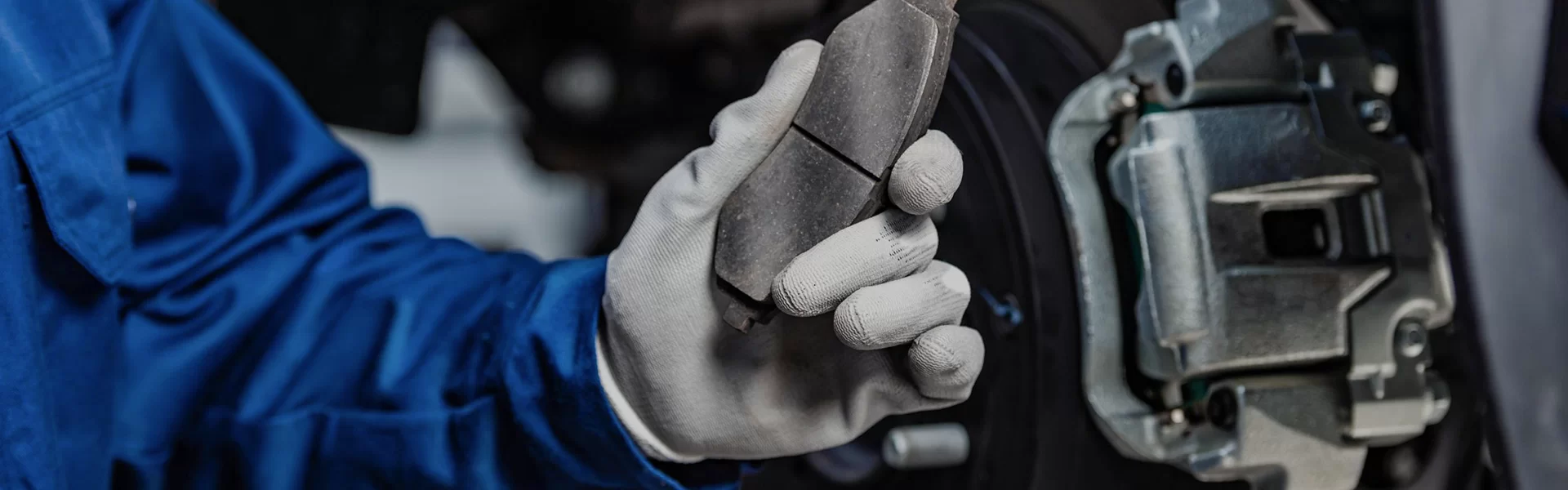
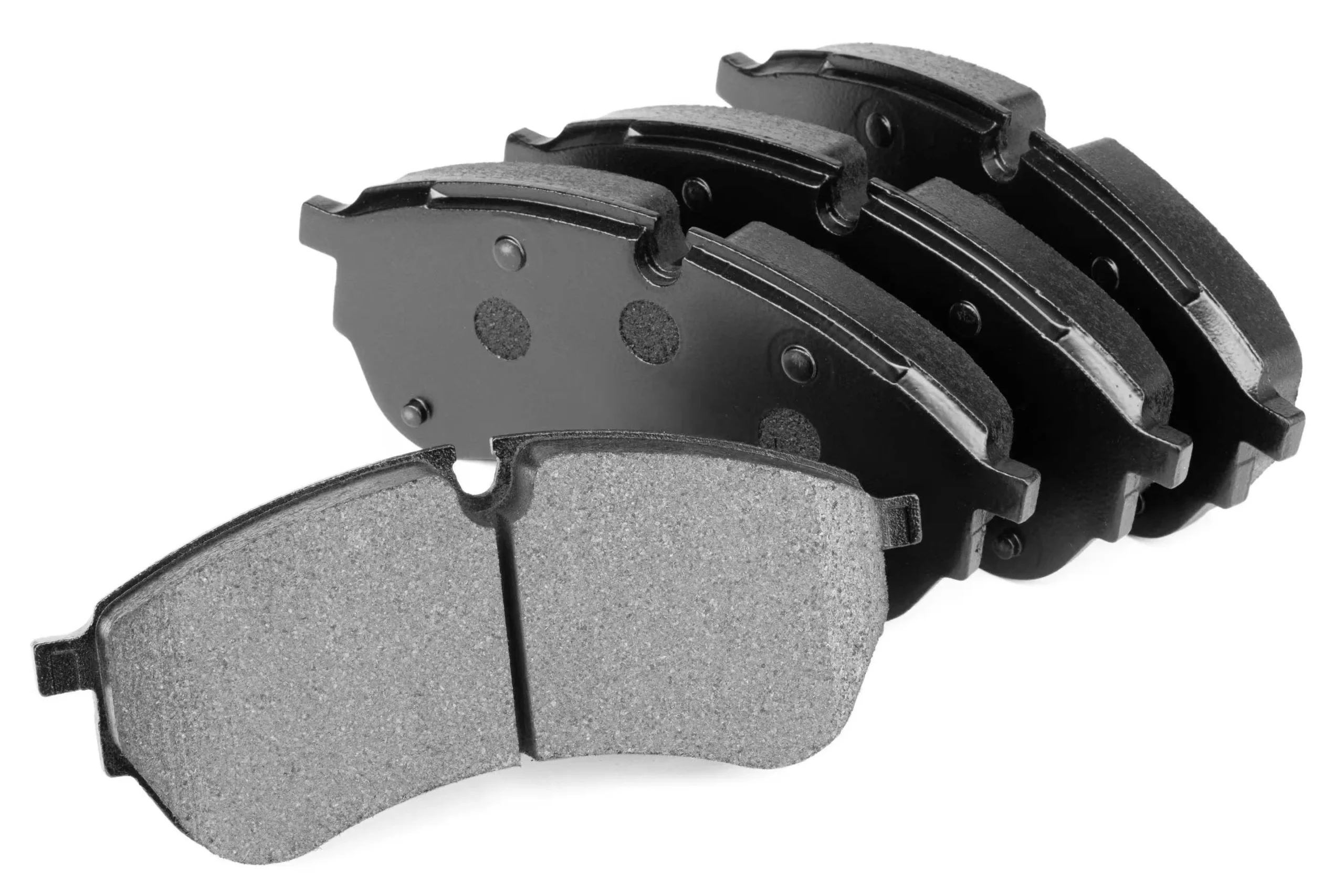
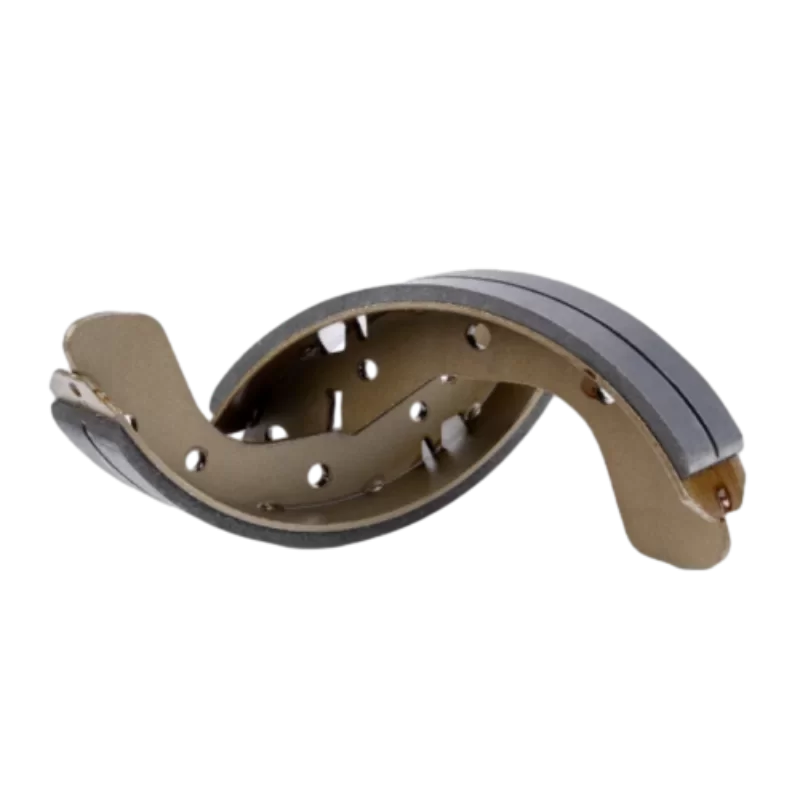
Indonesia's automotive landscape is characterized by extreme humidity and high ambient temperatures, which accelerate the thermal degradation of standard friction materials. The heavy reliance on two-wheelers and commercial light trucks in cities like Jakarta creates a high-frequency braking environment, putting immense pressure on every brake pad shoe used in the region.
Furthermore, the prevalence of "stop-and-go" traffic in metropolitan areas leads to severe brake fade. Local workshops are increasingly seeking components that can maintain a stable coefficient of friction under continuous heat cycles, moving away from low-grade alternatives toward certified international standards.
Economic growth in Kalimantan and Sumatra has also increased the demand for heavy-duty braking components. The shift toward more rigorous safety regulations in Indonesia means that the quality of the brake pad is no longer just a preference but a critical safety requirement for commercial logistics.


