Premium brake pad set Solutions for Poland’s Automotive Market

Premium brake pad set Solutions for Poland's Automotive Market

Engineering high-performance friction materials tailored for Central European road conditions and stringent EU safety standards.

Premium brake pad set Solutions for Poland's Automotive Market

Providing the Polish automotive sector with advanced braking technology, ensuring maximum safety and durability across diverse driving terrains and climates.

Analysis of the Braking Components Market in Poland

Evaluating the impact of regional climate and logistics on friction material demand.

Poland serves as a critical logistics hub for Europe, resulting in a high volume of heavy-duty transport and commuter traffic. The frequent use of brake pads & shoes in commercial fleets requires materials that can withstand continuous thermal cycling and heavy load pressures common on Polish highways.

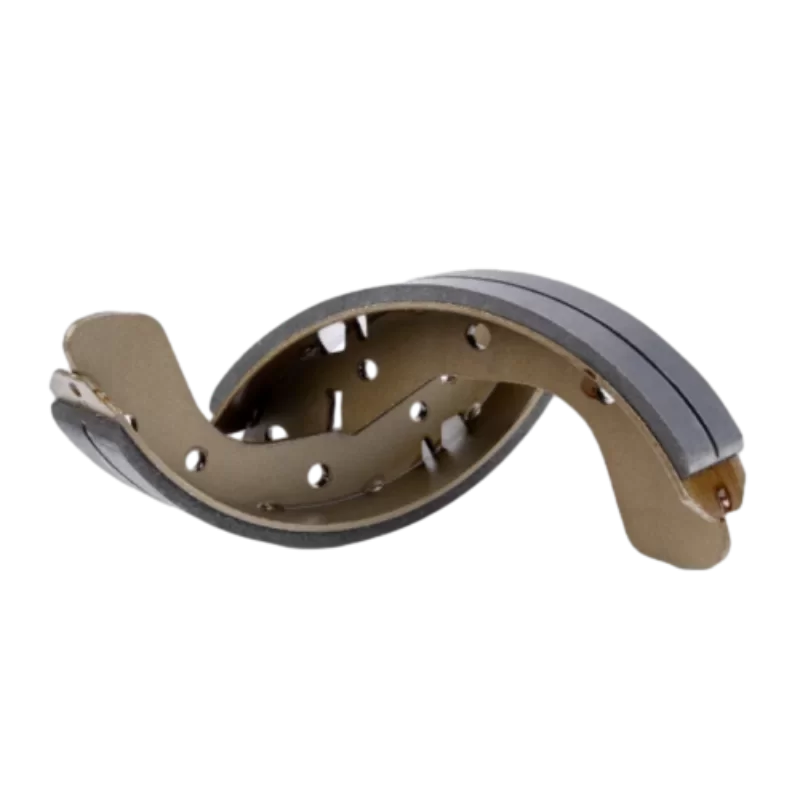
The regional climate, characterized by humid winters and salty roads, accelerates the corrosion of metal components. This environmental stress makes the selection of a high-quality shoe brake shoe crucial for maintaining braking efficiency and preventing premature wear caused by road salts and moisture.

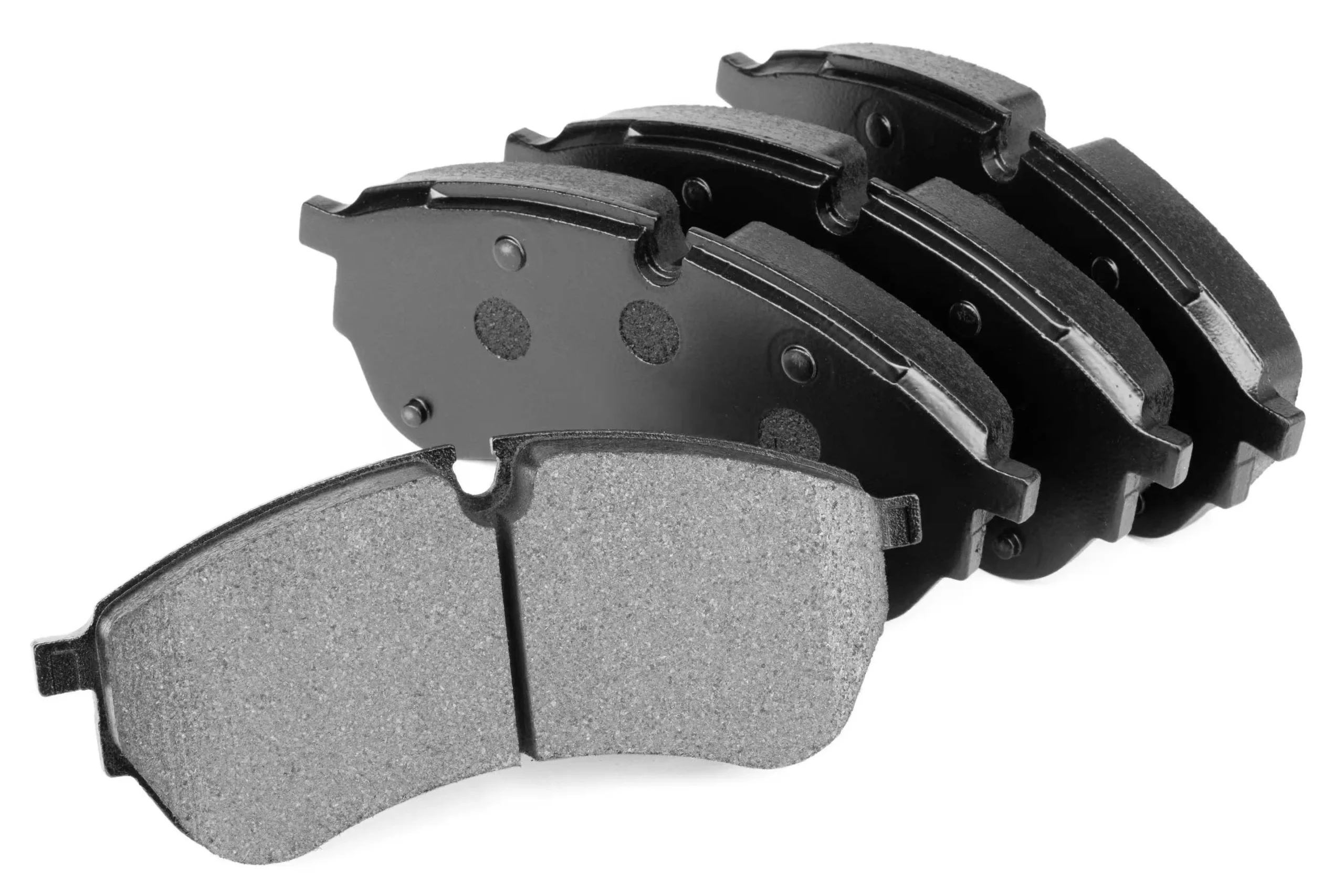
Furthermore, Poland's growing automotive manufacturing sector is shifting toward higher efficiency. There is an increasing demand for the brake pad formulations that reduce dust emissions and noise, aligning with the European Green Deal's environmental goals for the transportation sector.

Evolution and Trajectory of Brake Technology in Poland

From traditional organic frictions to smart, low-emission ceramic compounds.

Market Development History

In the 1990s and early 2000s, the Polish market relied heavily on standard organic friction materials. During this era, the focus was primarily on basic functionality and affordability, with brake pad shoe designs being relatively simplistic and focused on high-volume passenger cars.

Between 2010 and 2020, there was a significant shift toward Semi-Metallic and Low-Steel formulations. This transition was driven by the modernization of the Polish fleet and the adoption of stricter EU ECE R90 certifications, forcing a move toward more stable friction coefficients across varying temperatures.

Currently, the industry is entering the era of "Eco-Friction." The integration of ceramics and copper-free materials has become the standard for premium segments, focusing on reducing particulate matter and extending the lifecycle of the braking system.

Future Development Trends

Copper-Free Regulation Integration

Expected full adoption of copper-free materials to meet upcoming EU environmental mandates, reducing toxicity in road runoff.

EV-Specific Friction Optimization

Development of specialized pads for electric vehicles to compensate for regenerative braking, preventing oxidation and ensuring "bite" during infrequent use.

Smart Wear Monitoring

Integration of sensor-ready friction materials that allow real-time monitoring of pad thickness through vehicle onboard diagnostics.

Future Trends and Strategic Outlook

Predicting the next 5 years of automotive friction technology in Central Europe.

Zero-Copper Materials
Shift toward 100% copper-free formulations to comply with European environmental laws and reduce aquatic toxicity.
Thermal Stability 2.0
Advanced heat-resistant resins that prevent brake fade during extreme alpine descents and heavy urban stop-and-go traffic.
Noise Reduction Tech
Implementing multi-layer shim technology and optimized chamfering to eliminate high-frequency squeal.
Circular Economy
Introduction of recyclable friction materials and sustainable manufacturing processes to reduce the carbon footprint.

Industry Outlook

Google search trends in the CEE region indicate a rising query volume for "low dust brake pads" and "EV braking efficiency," suggesting that Polish consumers are becoming more environmentally conscious and tech-savvy regarding vehicle maintenance.

The intersection of strict EU safety norms and the rise of electric mobility will force manufacturers to pivot from general-purpose pads to application-specific friction solutions, focusing on longevity and noise control.

Localized Application Scenarios in Poland

Real-world deployment of our braking solutions across various Polish operational contexts.

01. Long-Haul Logistics on A1 & A2 Motorways

High-durability friction materials for heavy-duty trucks traveling between Poznań and Warsaw, resisting thermal fade under constant load.

02. Urban Commuting in Kraków and Warsaw

Low-noise and low-dust ceramic pads designed for frequent stop-and-go traffic, reducing urban air pollution and noise levels.

03. Winter Operation in the Tatra Mountains

Specialized cold-weather formulations that maintain a consistent friction coefficient even in sub-zero temperatures and snowy conditions.

04. Agricultural Machinery in Rural Masovian Voivodeship

Heavy-duty brake shoes for tractors and harvesters, engineered to resist abrasive dirt and heavy mechanical stress.

05. Last-Mile Delivery Fleets in Silesia

Fast-wearing but high-performance pad sets for light commercial vehicles (LCVs) that undergo high-frequency braking cycles.

Brand Story

Global Development Journey of Hengshui Kaiyuan Automotive Parts Co., Ltd.

Founding Vision

Established with a mission to solve the inconsistency of friction performance in extreme conditions, focusing on precision engineering.

Technological Breakthrough

Developed proprietary heat-dissipation technology that significantly reduced brake fade for heavy-duty commercial vehicles.

European Expansion

Entering the European market by adhering to ECE R90 standards, establishing a strong foothold in Central Europe and Poland.

Eco-Innovation Phase

Pioneered the shift to copper-free and asbestos-free materials, prioritizing environmental sustainability without compromising safety.

Global Leadership

Now serving global markets as a trusted partner for OEM and aftermarket braking solutions with a focus on "Safety First."

Complete Braking Product Portfolio for the Polish Market

A comprehensive range of friction solutions designed for every vehicle class in Poland.

Frequently Asked Questions in Poland

Expert answers to common queries regarding brake maintenance and selection.

How often should I replace a brake pad set in Polish winter conditions?

Due to the use of road salts and moisture in Poland, we recommend inspecting your pads every 10,000 km during winter. Road salts can accelerate corrosion, making regular checks essential for safety.

Are ceramic brake pads & shoes better for urban driving in Warsaw?

Yes, ceramic options are ideal for urban environments as they produce significantly less dust and noise, which is preferable for the stop-and-go traffic common in major Polish cities.

What is the difference between a standard shoe brake shoe and premium options?

Premium options feature higher-grade friction materials that offer better thermal stability and longer wear life, which is critical for vehicles operating in the diverse terrains of Poland.

Does the brake pad shoe need to be replaced in pairs?

Absolutely. For balanced braking and to prevent vehicle pulling, always replace brake components on both sides of the axle simultaneously.

How can I identify if the brake pad is worn out?

Listen for high-pitched squealing (wear indicators), feel for vibrations in the pedal, or visually inspect the friction material thickness through the caliper.

Do your products comply with EU ECE R90 certifications?

Yes, all our friction materials are engineered and tested to meet or exceed the ECE R90 standards, ensuring they are legal and safe for use across Poland and the EU.

Get Expert Braking Consultation

Looking for high-performance friction solutions in Poland? Our engineering team is ready to assist you with customized product selection.

Contact Us Now

If you are interested in our products, you can choose to leave your information here, and we will be in touch with you shortly.