
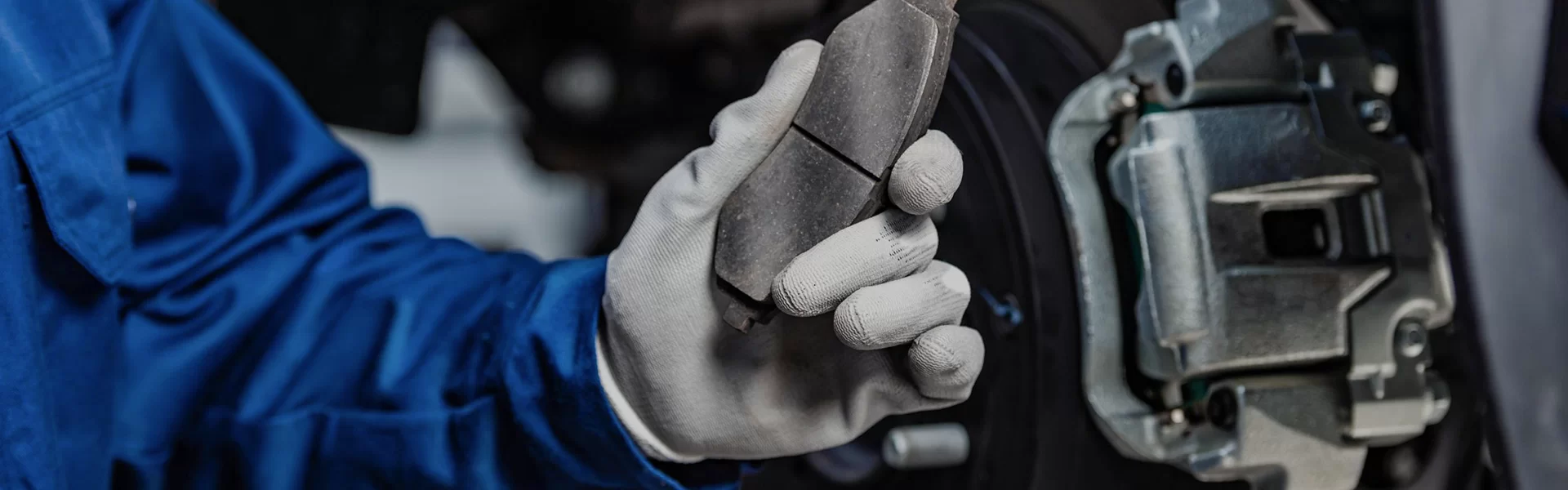
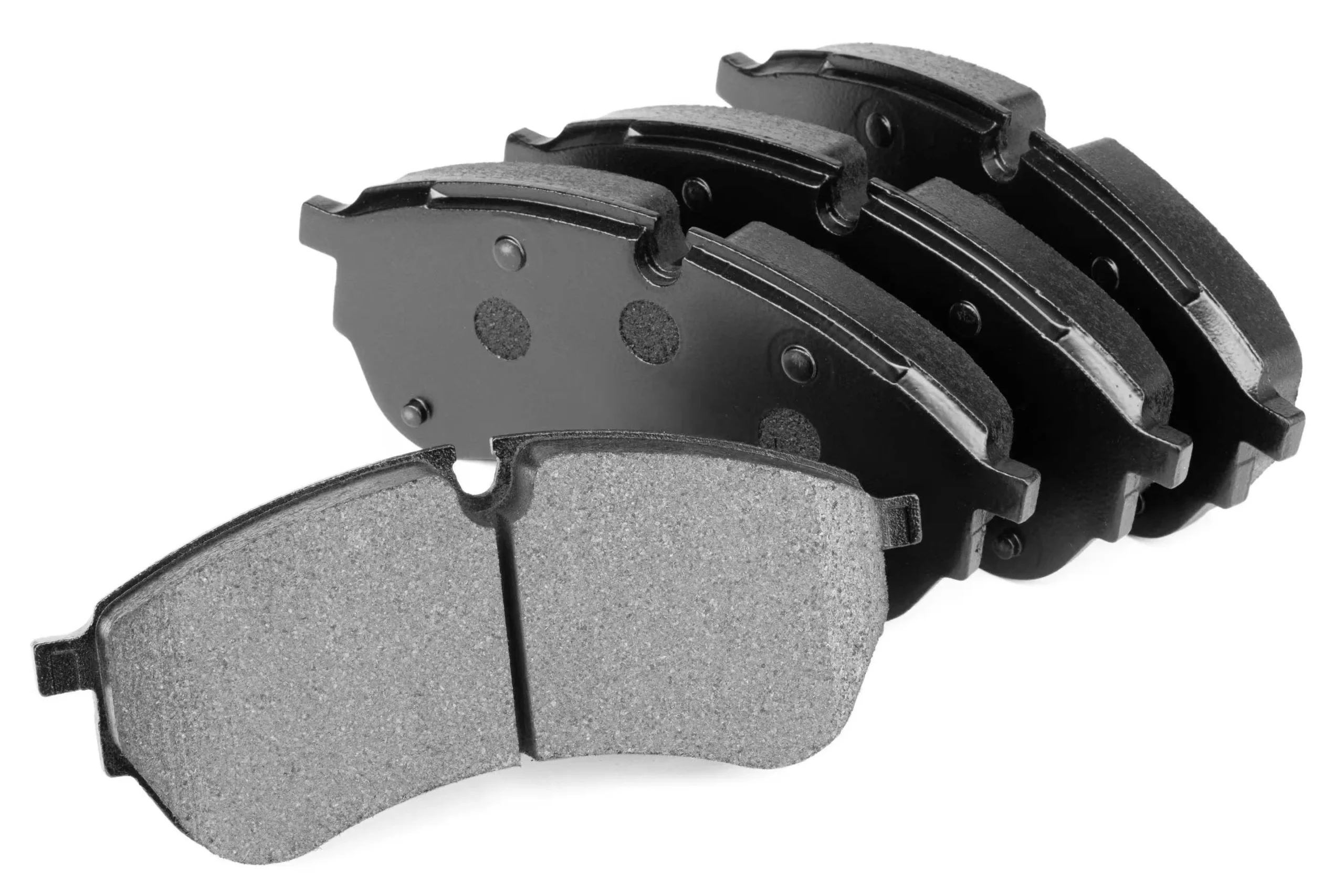
In Saudi Arabia, the automotive aftermarket faces unique environmental pressures. The combination of ambient temperatures exceeding 50°C and the presence of fine silica sand creates an aggressive abrasive environment. This accelerates the wear rate of any the brake pad, necessitating materials with higher thermal stability and superior wear resistance.
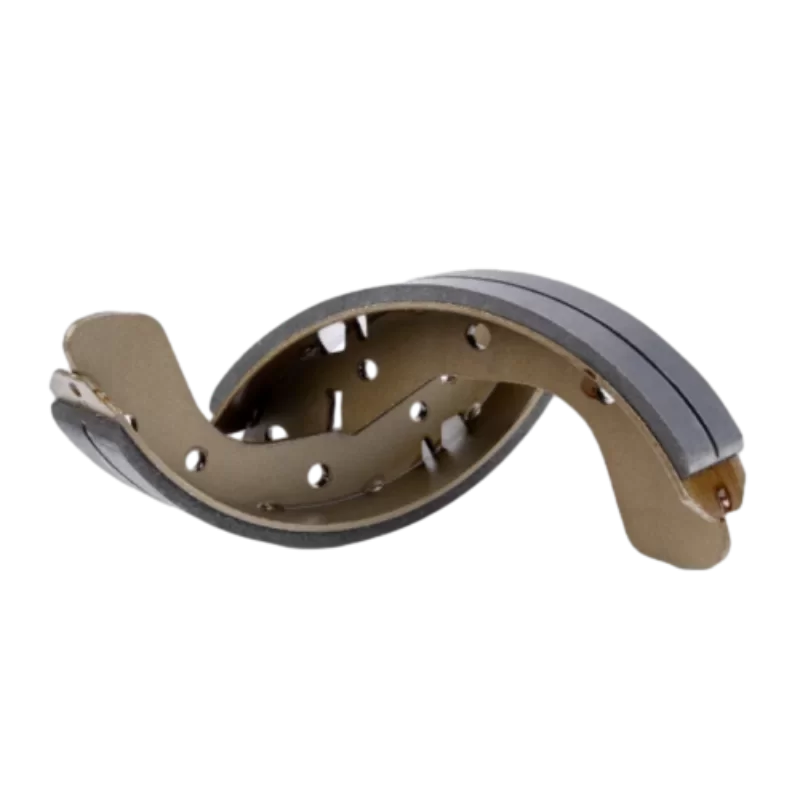
The regional demand is heavily skewed toward heavy-duty SUVs and pickup trucks, which require a robust shoe brake shoe design to handle increased payloads. The rapid urbanization of cities like Jeddah and Neom has also increased the frequency of stop-and-go traffic, putting immense pressure on braking systems and increasing the risk of brake fade.
Consequently, the Saudi market is shifting away from generic components toward precision-engineered parts. Local distributors are now prioritizing E-E-A-T compliant manufacturers who can prove their product's efficacy in high-heat scenarios, ensuring that the friction coefficients remain stable even under extreme thermal loading.


