
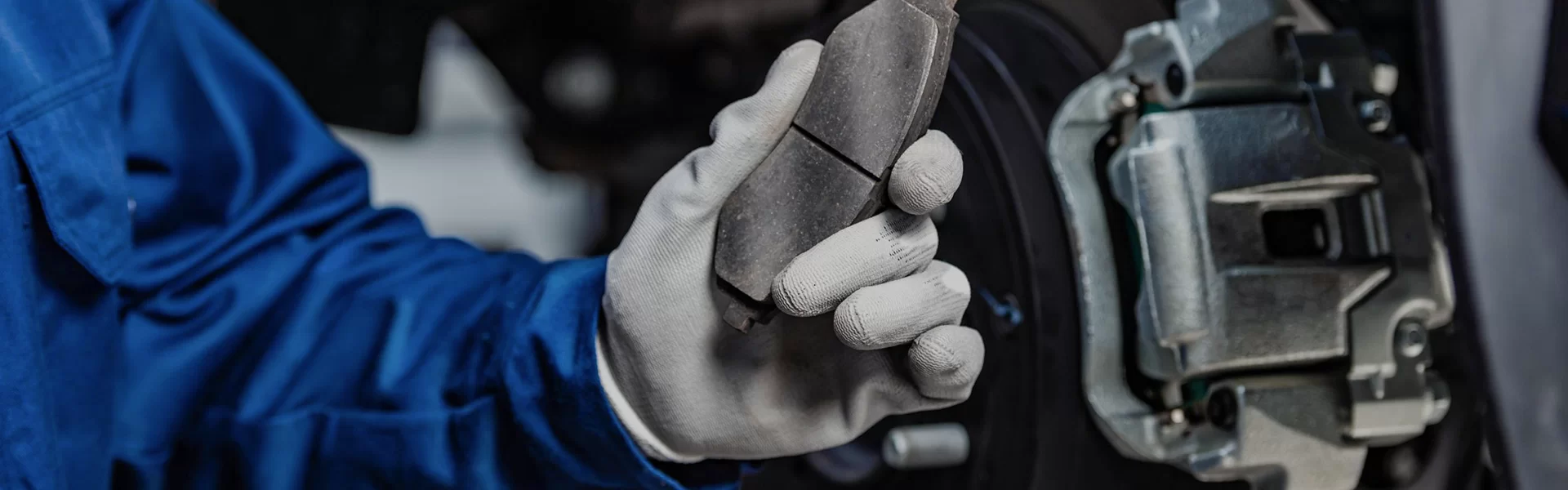
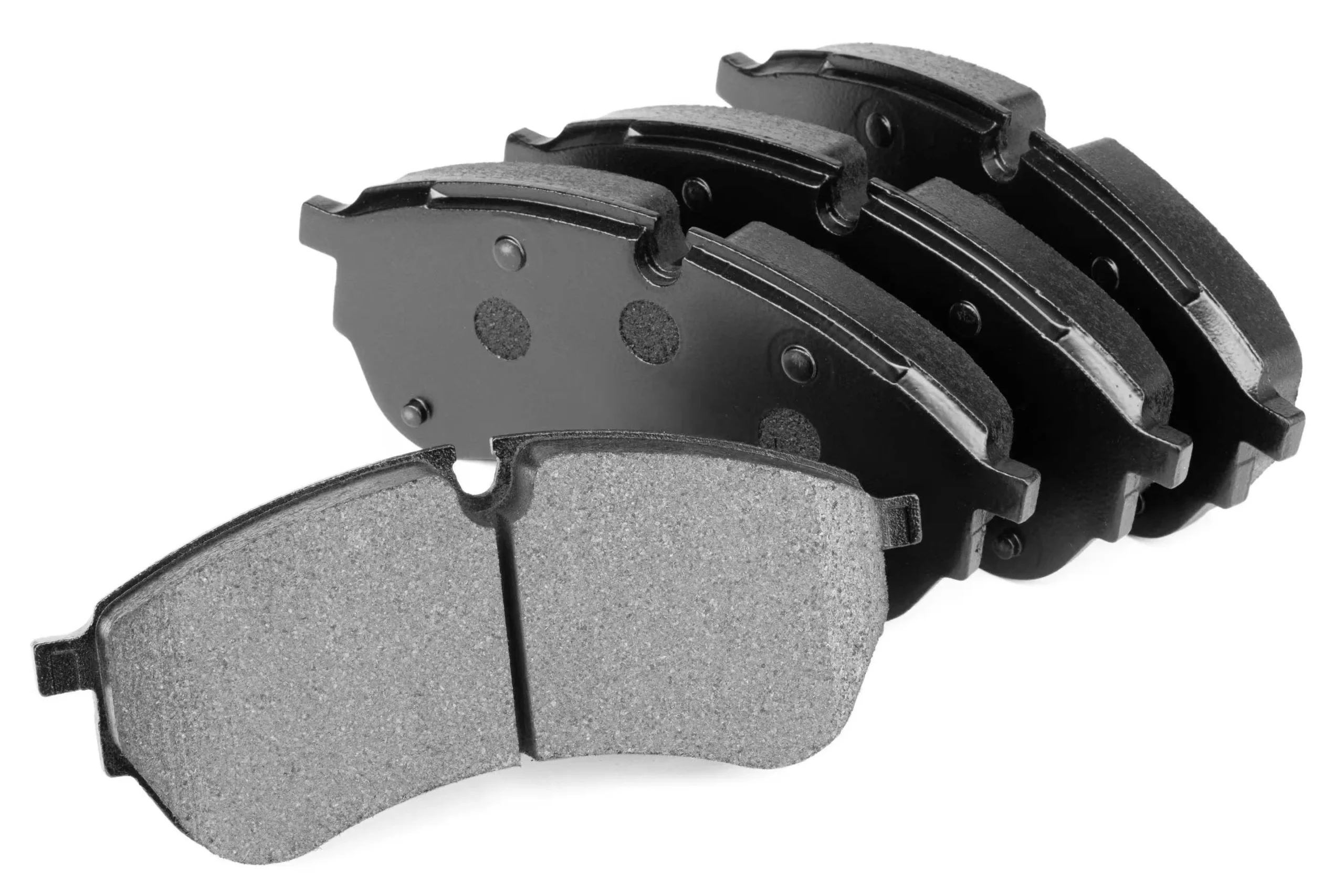
Spain's unique geography, characterized by the rugged Pyrenees and the scorching heat of the Andalusia plains, places immense thermal stress on every the brake pad. The high frequency of urban stop-and-go traffic in Madrid and Barcelona accelerates the wear of friction materials, requiring components with superior heat dissipation.
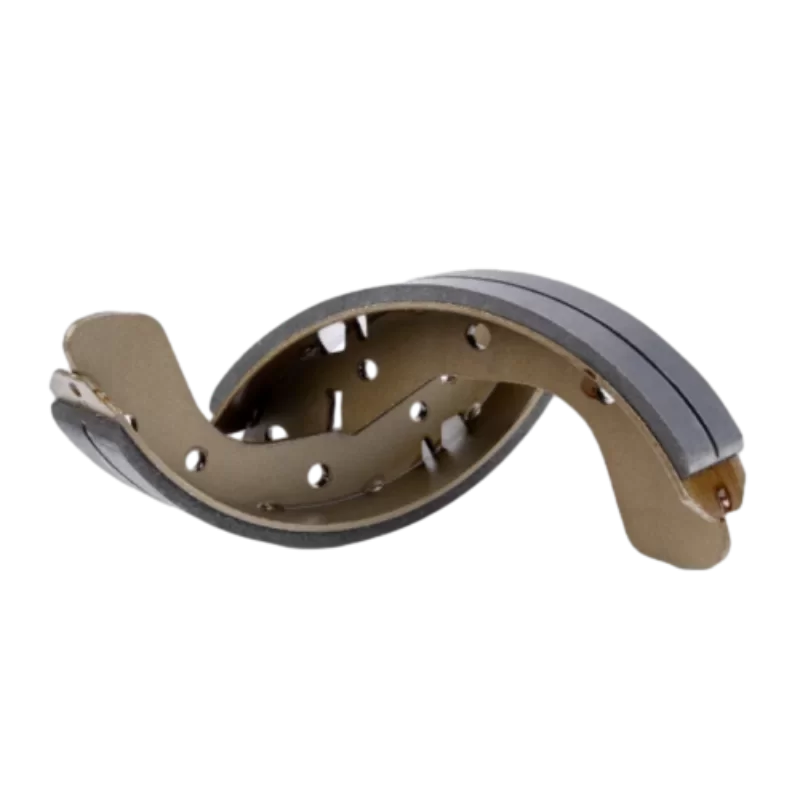
Furthermore, the Spanish automotive market is seeing a significant shift towards hybrid and electric vehicles (EVs). This transition modifies the braking dynamics, where regenerative braking reduces the frequency of mechanical friction but increases the requirement for corrosion resistance in the shoe brake shoe during periods of inactivity.
Economic pressures within the European Union have led Spanish fleet operators to prioritize "total cost of ownership." This has increased the demand for long-life brake pad shoe variants that maintain consistent friction coefficients across a wide range of operating temperatures.


