Premium brake pad set Solutions for Tanzania

Premium brake pad set Solutions for Tanzania

Engineering high-performance braking systems tailored for East Africa's challenging terrains and tropical climates.

Premium brake pad set Solutions for Tanzania

Our specialized braking components are engineered to withstand extreme thermal stress and heavy-duty usage in the Tanzanian automotive market.

Tanzania's Braking Systems Market Reality

Analyzing the operational challenges of braking components in East Africa.

In Tanzania, the automotive sector faces unique challenges due to the diverse geography—ranging from the humid coastal regions of Dar es Salaam to the rugged highlands. The frequent stop-and-go traffic in urban centers combined with unpaved rural roads accelerates the wear and tear of every the brake pad installed in commercial fleets.

Climate factors play a critical role; high humidity and seasonal torrential rains often lead to corrosion and reduced friction coefficients. Consequently, there is a surging demand for high-durability brake pads & shoes that can maintain stability under extreme temperature fluctuations without glazing.

Economically, the market is transitioning from low-cost, short-life imports to value-driven, high-performance components. Local workshops are increasingly prioritizing materials that offer longer service intervals to reduce the total cost of ownership for logistics operators moving goods between the port and the interior.

Evolution of Brake Technology in Tanzania

From basic friction materials to advanced metallurgical composites.

Market Development History

Historically, before 2010, the Tanzanian market relied heavily on organic-based friction materials. These provided a soft pedal feel but suffered from rapid degradation in high-heat environments, leading to frequent replacements of the shoe brake shoe in heavy trucks.

Between 2011 and 2018, there was a significant shift toward semi-metallic compounds. This technical iteration allowed for better heat dissipation and improved stopping distances, matching the increase in vehicle tonnage for the mining and agricultural sectors in the Lake Victoria region.

Since 2019, the introduction of low-copper and ceramic-hybrid technologies has revolutionized the industry. These modern materials reduce brake dust and resist the corrosive effects of salt-laden air in coastal cities, ensuring a safer and more sustainable braking experience.

Future Development Trends

Eco-Friendly Friction Materials

Google search trends indicate a rising interest in non-asbestos and copper-free materials as environmental regulations tighten across East Africa.

Smart Wear Monitoring

Integration of sensor-compatible pads that notify drivers of wear levels, reducing the risk of rotor damage in remote areas.

High-Thermal Stability Compounds

Development of specialized resins that prevent brake fade during long descents from the Kilimanjaro or Ngorongoro highlands.

Industry Trends & Future Outlook

Driving the future of safety and efficiency in Tanzanian transportation.

Thermal Resistance Optimization
Developing materials that maintain friction coefficients at temperatures exceeding 600°C.
Logistics Chain Digitalization
Implementing QR-code tracking for every brake pad shoe to ensure authenticity.
Heavy-Duty Fleet Specialization
Customizing friction formulas specifically for the mining trucks operating in Tanzania.
Noise & Vibration Reduction
Utilizing advanced shims and slots to eliminate brake squeal in passenger cars.

Industry Outlook

The trajectory of the Tanzanian auto-parts market is moving toward "Reliability First." As the government invests more in road infrastructure, the speed of transit increases, necessitating braking components that can handle higher kinetic energies without failure.

We anticipate a 15% annual growth in the demand for premium-grade friction materials over the next 5 years, driven by the expansion of the logistics sector and a growing middle-class preference for safer, branded automotive components.

Local Application Scenarios in Tanzania

Real-world performance across diverse Tanzanian environments.

01. Coastal Logistics in Dar es Salaam

Heavy-duty trucks transporting containers from the port face extreme humidity and salt air. Our corrosion-resistant pads prevent seizing and maintain consistent stopping power.

02. Safari Fleet Operations in Serengeti

4x4 vehicles operating on dusty, unpaved tracks require components that resist abrasive wear. Our high-density friction materials ensure longevity in sandy environments.

03. Highlands Transport in Arusha

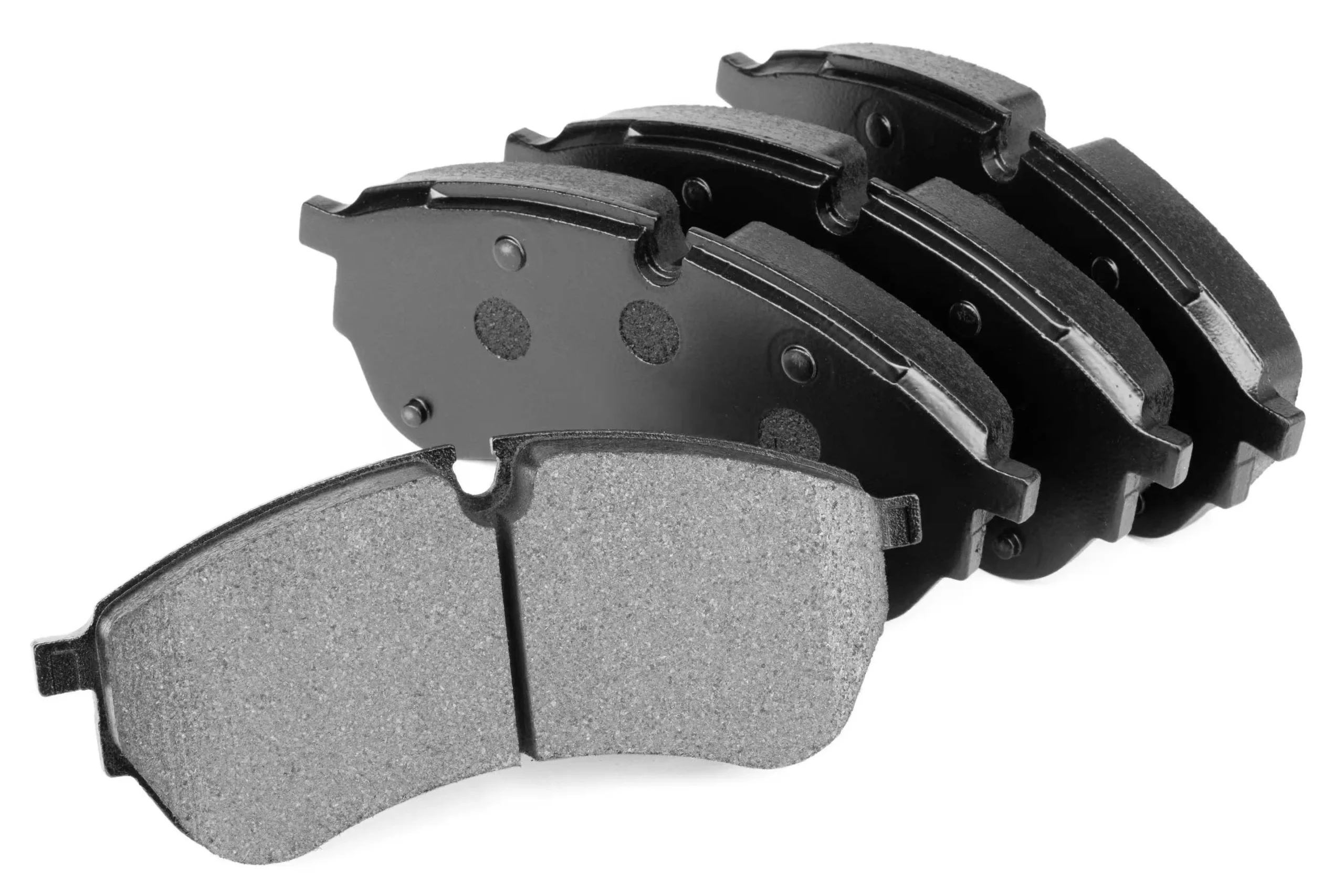
Vehicles descending steep mountain roads face intense heat build-up. Our ceramic-hybrid pads prevent brake fade and ensure safety on long descents.

04. Urban Commuting in Dodoma

Rapid stop-and-start traffic in the capital leads to frequent friction cycles. Our noise-reducing pads provide a comfortable and quiet ride for city passengers.

05. Agricultural Haulage in Mwanza

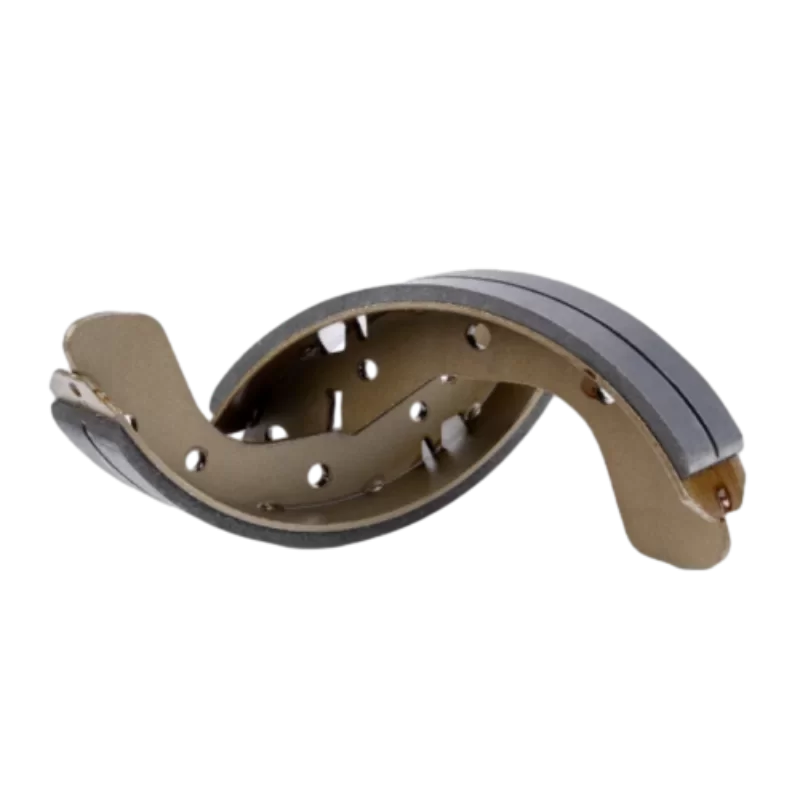
Tractors and haulers moving produce across rural terrain require high-torque braking. Our reinforced shoes provide the necessary grip for overloaded vehicles.

Brand Story

Global Development Journey of Hengshui Kaiyuan Automotive Parts Co., Ltd.

Founding Excellence

Established with a vision to solve the most critical friction failures in heavy-duty braking, focusing on raw material purity.

Technical Breakthrough

Developed a proprietary heat-treatment process that increased friction stability by 30% for international markets.

Global Expansion

Expanded our footprint into East Africa, adapting our products to withstand the specific environmental stressors of Tanzania.

Quality Certification

Achieved global ISO and safety certifications, ensuring every batch meets the strictest international safety standards.

Sustainable Future

Now leading the transition toward copper-free, eco-friendly braking solutions to protect the planet for future generations.

Complete Braking Portfolio for Tanzania

A comprehensive range of friction components designed for every vehicle type in the region.

Tanzania Braking System FAQs

Expert answers to common questions regarding brake maintenance in East Africa.

How often should I replace the brake pad set in humid coastal areas?

In coastal cities like Dar es Salaam, we recommend inspection every 5,000km due to salt-induced corrosion. Depending on usage, replacement usually occurs every 20,000-30,000km.

Why is my shoe brake shoe wearing out faster on rural roads?

Rural roads often introduce dust and grit into the braking system, which acts as an abrasive. Using high-density, reinforced shoes can significantly extend the lifespan in these conditions.

Are ceramic brake pads & shoes suitable for Tanzanian highlands?

Yes, ceramic-hybrid materials are ideal for the highlands as they offer superior heat resistance, preventing brake fade during long, steep descents.

How can I tell if the brake pad shoe is glazed?

Glazing occurs when overheating crystallizes the surface. You will notice a high-pitched squeal and a significant reduction in braking efficiency. We recommend professional resurfacing or replacement.

Can I mix different brands in one brake pad set?

No. Mixing brands can lead to uneven friction distribution, causing steering pull and premature rotor wear. Always replace pads in complete sets of the same brand.

What is the best way to maintain the brake pad in dusty environments?

Regularly cleaning the brake assemblies with compressed air and ensuring that dust shields are intact can prevent premature wear caused by debris accumulation.

Expert Braking Consultation

Optimize your fleet's safety and performance with the leading friction specialists in Tanzania.

Contact Us Now

If you are interested in our products, you can choose to leave your information here, and we will be in touch with you shortly.