
Premium Brake Pad Set Solutions for the UK Automotive Market

Premium Brake Pad Set Solutions for the UK Automotive Market

Engineering high-performance braking components tailored for United Kingdom driving conditions and strict safety standards.

Premium Brake Pad Set Solutions for the UK Automotive Market

Specializing in the precision manufacture of a complete brake pad set to ensure maximum stopping power and durability for UK drivers.

Current State of Braking Systems in the United Kingdom

Analyzing the impact of urban congestion and maritime climate on brake wear.

In the United Kingdom, the automotive aftermarket is heavily influenced by the "stop-and-go" nature of London and Manchester traffic. This constant friction accelerates the wear of brake pads & shoes, demanding materials that can withstand high thermal cycles without fading.

The damp, salty maritime climate of the UK islands often leads to premature corrosion of braking hardware. Consequently, there is a rising demand for a shoe brake shoe that incorporates anti-corrosion coatings and advanced friction materials to maintain consistency in rainy weather.

With the UK's stringent MOT testing requirements, vehicle owners are shifting toward premium the brake pad options that offer lower dust emissions and longer service intervals to reduce maintenance costs and environmental impact.

Evolution of Brake Technology in the UK

From traditional organic linings to advanced ceramic composites.

Market Development History

During the 1980s and 90s, the UK market relied heavily on asbestos-based organic materials. However, legislative shifts toward health and safety led to the rapid adoption of semi-metallic formulas to provide the necessary bite for motorway speeds.

By the mid-2000s, the introduction of Electronic Stability Control (ESC) and ABS in mainstream UK vehicles necessitated a more precise brake pad shoe that could respond instantaneously to modulated hydraulic pressure.

From 2015 to the present, the trend has shifted toward Low-Metallic and Ceramic compounds, focusing on reducing "brake squeal" and noise pollution in residential urban areas across Europe.

Future Development Trends

Copper-Free Transition

To align with environmental regulations, the UK is moving toward 100% copper-free friction materials to prevent heavy metal runoff into local water systems.

EV-Specific Friction Optimization

With the rise of Electric Vehicles (EVs) in the UK, the focus is shifting to pads that complement regenerative braking, reducing oxidation caused by infrequent mechanical use.

Smart Wear Monitoring

Integration of sensors within the brake lining to provide real-time wear data directly to the driver's dashboard, minimizing unexpected failures.

Industry Outlook and Future Forecast

Navigating the transition toward sustainable and intelligent braking solutions.

Sustainable Material Sourcing
Reducing the carbon footprint of production by utilizing recycled steel and bio-based resins in brake manufacturing.
Noise Vibration Harshness (NVH)
Implementing advanced shim technology to eliminate brake squeal, catering to the luxury vehicle market in the UK.
Precision Milling Standards
Adopting AI-driven quality control to ensure every part meets 0.01mm tolerances for high-speed stability.
Digital Supply Chain Integration
Utilizing JIT (Just-In-Time) delivery systems to reduce warehousing costs for UK distributors.

Industry Outlook

Based on Google Search trends for "eco-friendly brake pads" and "EV braking efficiency," we expect a surge in demand for low-dust, copper-free components in the UK over the next 3-5 years.

The industry will evolve from simply providing friction material to offering integrated thermal management systems that ensure safety during extreme braking on high-speed motorway networks.

Localized Application Scenarios in the UK

Optimizing braking performance for diverse British driving environments.

1. London Urban Commuting

High-friction pads designed to resist overheating during frequent stops in heavy traffic, ensuring reliable deceleration in the heart of the city.

2. Scottish Highland Terrain

Heavy-duty braking components engineered for long descents and steep gradients, preventing brake fade in rugged northern landscapes.

3. Motorway Long-Haul Transit

High-stability friction materials that maintain a consistent coefficient of friction at sustained high speeds on the M1 and M25.

4. Coastal Road Salt Exposure

Specialized anti-corrosive coatings on the backing plate to prevent rust during winter months when roads are treated with salt.

5. Electric City Fleet Operations

Low-wear pads optimized for hybrid and electric taxis, balancing regenerative braking with mechanical safety.

Brand Story

Global Development Journey of Hengshui Kaiyuan Automotive Parts Co., Ltd.

Foundational Excellence

Established with a mission to solve the critical pain point of inconsistent friction quality in the automotive parts manufacturing sector.

Technological Breakthrough

Investing in advanced metallurgy and composite research to develop noise-free and dust-reduced friction formulas.

Global Expansion

Expanding our footprint into the European market, specifically tailoring products to meet the rigorous UK safety standards.

Quality Certification

Achieving international quality certifications to ensure every single component delivered globally is a benchmark of safety.

Future Vision

Leading the transition toward carbon-neutral manufacturing and intelligent braking systems for the next generation of vehicles.

Complete Braking Product Portfolio for the UK Market

Comprehensive range of high-performance friction components for all vehicle classes.

UK Market Frequently Asked Questions

Expert answers to common queries regarding automotive braking components.

How often should I replace a brake pad set in heavy UK urban traffic?

For city driving in places like London, we recommend inspecting your brake pads every 10,000 to 15,000 miles due to increased friction from frequent stopping.

Are ceramic brake pads & shoes better for the British rainy climate?

Yes, ceramic options generally offer better resistance to corrosion and consistent performance across various temperature and moisture levels.

What is the difference between a brake pad and a shoe brake shoe?

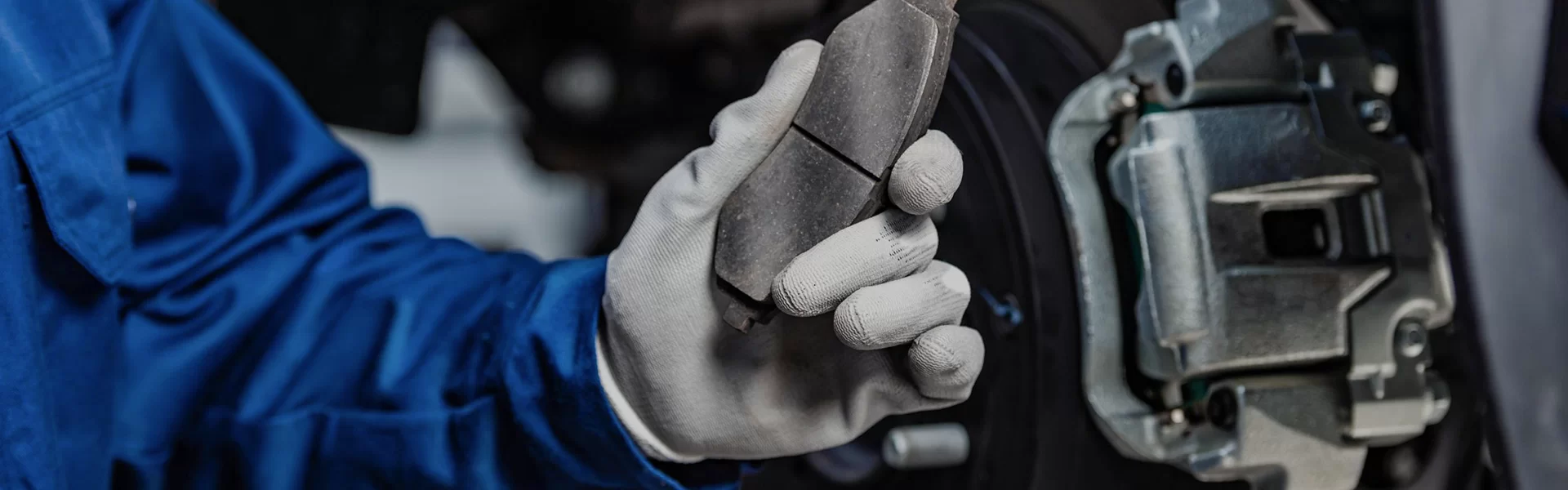
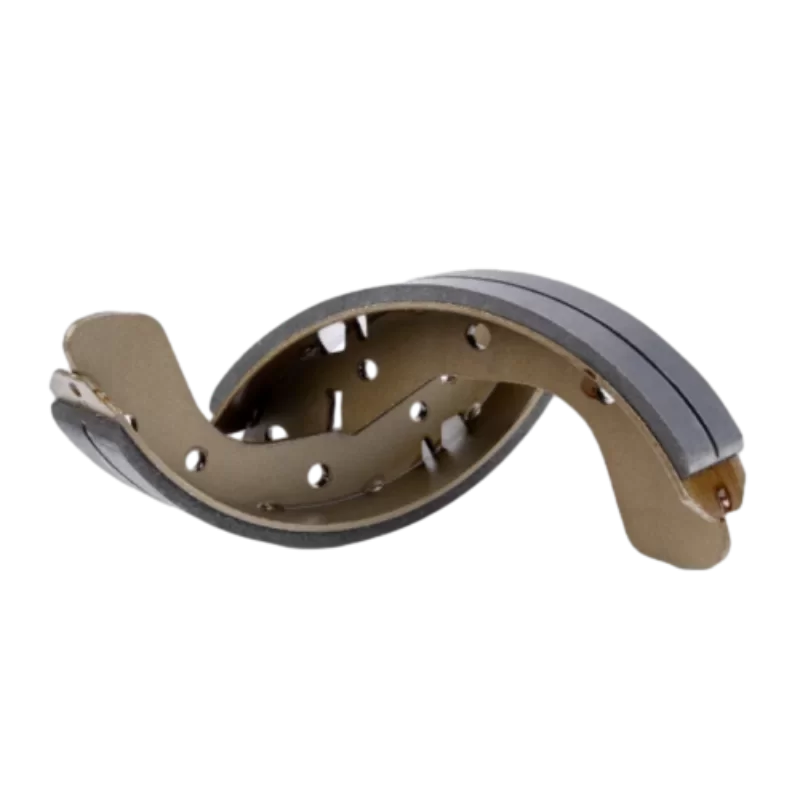
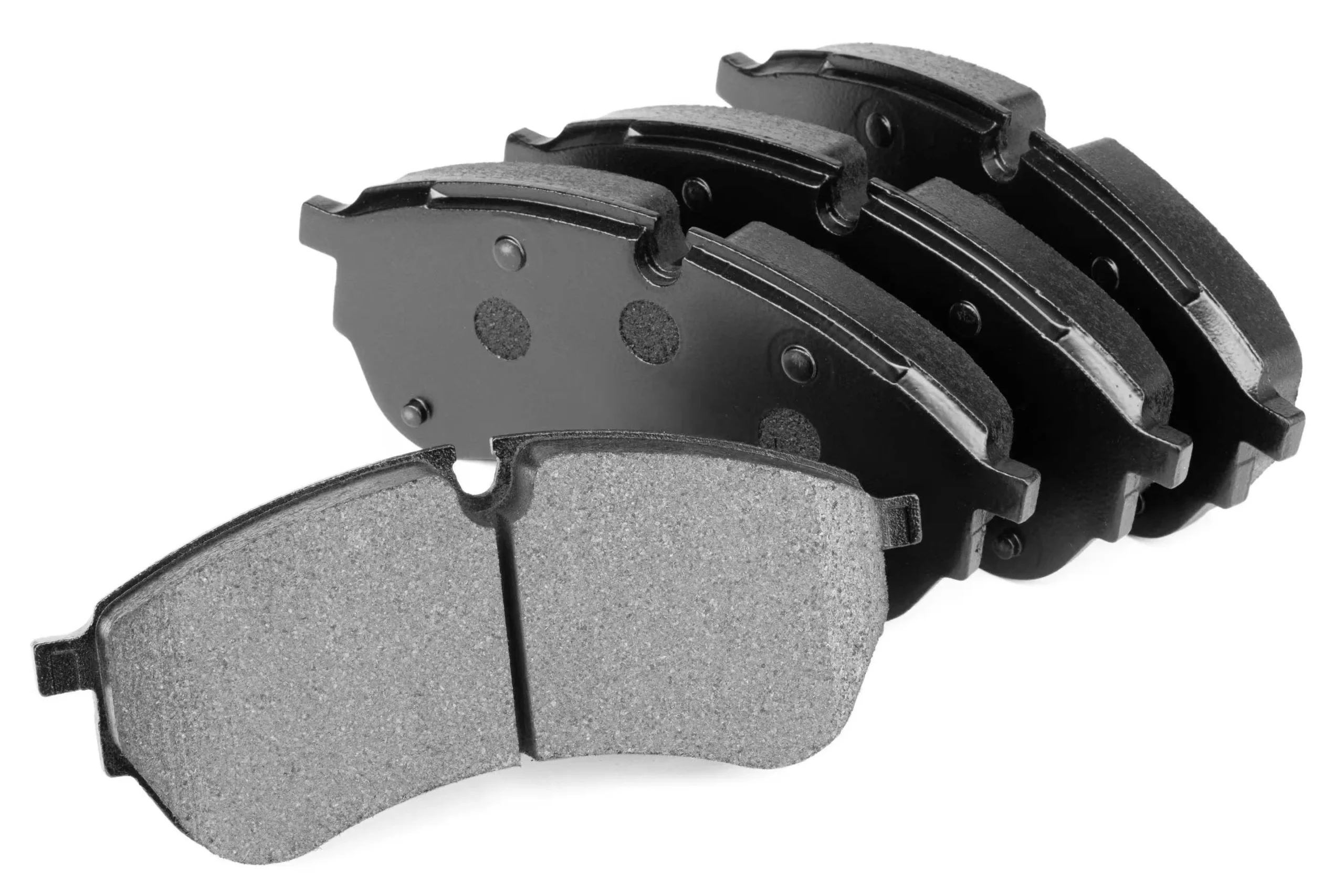
Brake pads are used in disc brake systems (typically front wheels), while shoe brake shoes are used in drum brake systems (typically rear wheels of older or smaller cars).

How can I tell if the brake pad shoe on my vehicle is worn out?

Common signs include a high-pitched squealing noise, a longer distance required to stop, or a vibration felt through the brake pedal.

Does the brake pad material affect my MOT test results?

Yes, the MOT test checks for minimum thickness and efficiency. Using high-quality, certified materials ensures your vehicle meets all legal safety requirements.

Can I mix different brands within a single brake pad set?

It is strongly discouraged. Mixing brands can lead to uneven braking force, increased noise, and potentially dangerous instability during emergency stops.

Get in Touch with Our UK Specialists

Looking for bulk supply or technical specifications for the United Kingdom market? Our engineering team is ready to assist you.

Contact Us Now

If you are interested in our products, you can choose to leave your information here, and we will be in touch with you shortly.