Premium brake pad set Solutions for Turkmenistan

Premium brake pad set Solutions for Turkmenistan

Engineered for extreme temperatures and desert terrains, ensuring maximum safety and braking efficiency across Turkmenistan's diverse road networks.

Premium brake pad set Solutions for Turkmenistan

Providing high-performance friction materials tailored for the specific automotive requirements of the Central Asian market, focusing on durability and heat resistance.

Automotive Braking Market Status in Turkmenistan

Analyzing the impact of extreme continental climates on brake component wear.

Turkmenistan's unique geography, characterized by the vast Karakum Desert, presents severe challenges for vehicle braking systems. High ambient temperatures during summer lead to rapid heat accumulation in brake pads & shoes, often resulting in brake fade and reduced stopping power for long-haul logistics.

The local market is currently seeing a transition from basic asbestos-based materials to semi-metallic and ceramic composites. This shift is driven by the need for components that can withstand fine desert sand abrasion, which typically acts as an abrasive agent, accelerating the wear of the brake pad shoe.

Economic growth in Ashgabat and other urban centers has increased the demand for high-quality imports. Local workshops are increasingly requesting a complete brake pad set that guarantees OEM-level fitment to reduce maintenance downtime for commercial fleets.

Evolution of Braking Technology in Turkmenistan

From traditional friction liners to advanced thermal-stable composites.

Market Development History

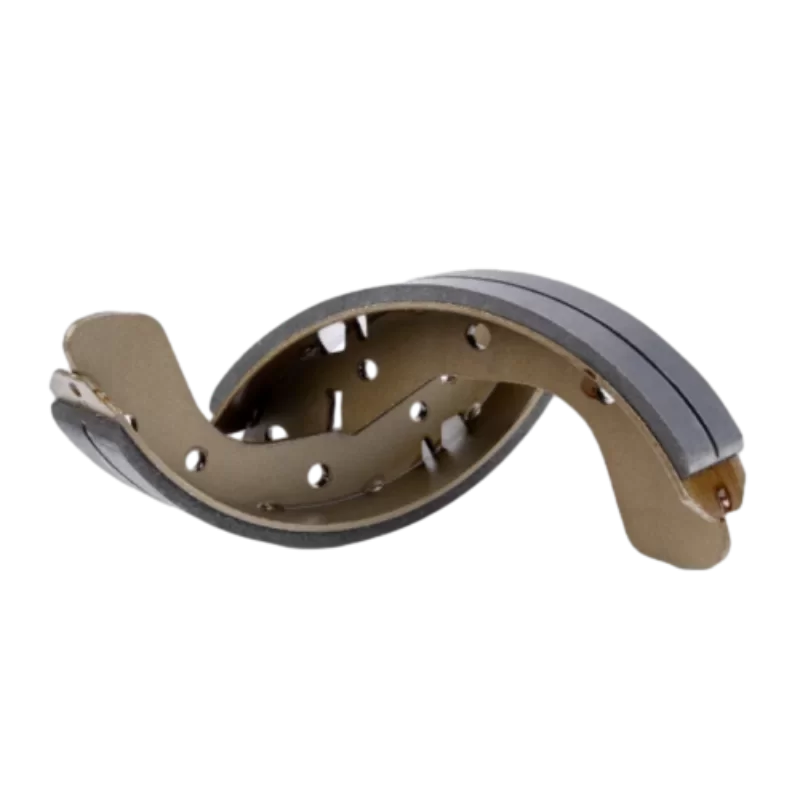
In the early 2000s, the Turkmen market relied heavily on legacy Soviet-era friction materials. These were basic shoe brake shoe designs that lacked the thermal stability required for modern high-speed highway driving across the desert plains.

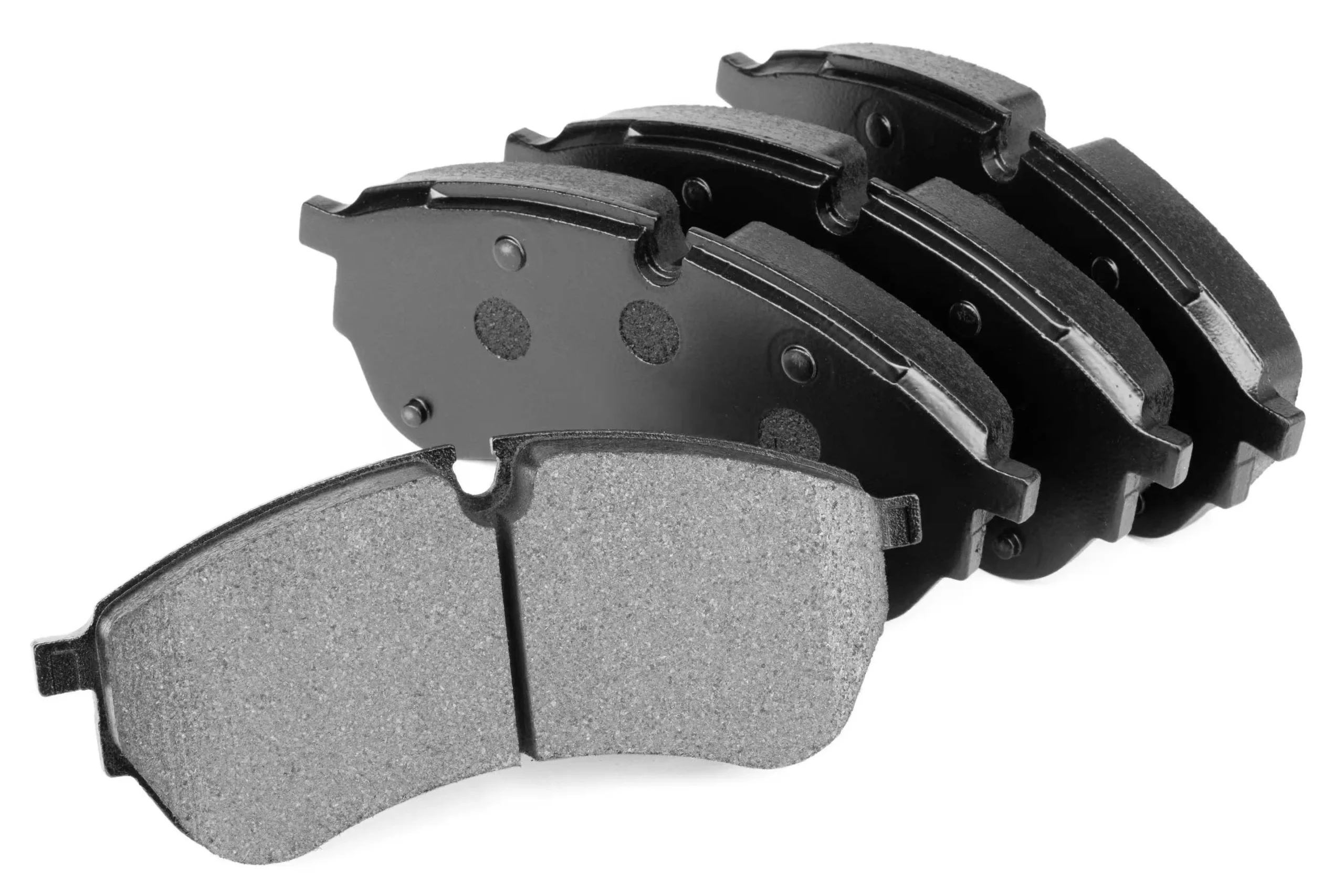
Between 2010 and 2020, there was a significant influx of Japanese and Korean vehicles, necessitating a pivot toward disc brake systems. This period saw the rise of the semi-metallic the brake pad, which offered better heat dissipation and improved longevity under heavy loads.

Since 2021, the focus has shifted toward "Low-Steel" and Ceramic formulations. These modern materials reduce dust emissions and prevent rotor scoring, which is critical in environments where airborne particulates are prevalent.

Future Development Trends

High-Thermal Conductivity Materials

Integration of carbon-fiber reinforcements to handle the extreme 40°C+ summer temperatures common in the region.

Eco-Friendly Asbestos-Free Standards

Alignment with global environmental norms, replacing all legacy liners with non-toxic, sustainable friction compounds.

Precision Digital Fitment

The use of 3D scanning for custom-fit components to ensure a 100% match for specific vehicle models used in local infrastructure projects.

Industry Trends and Future Outlook

Strategic forecasting for the automotive parts sector in Turkmenistan.

Extreme Heat Resilience
Development of friction materials with higher melting points to prevent glazing during desert transit.
Anti-Dust Coatings
Application of specialized surface treatments to repel fine sand and minimize abrasive wear.
Supply Chain Localization
Establishing regional hubs to reduce lead times for essential braking components.
Smart Wear Monitoring
Integration of wear sensors into high-end brake sets for predictive maintenance.

Industry Outlook

Google search trends indicate a rising interest in "heavy-duty braking" and "ceramic brake alternatives" within Central Asia. This suggests a market shift toward premium, long-lasting components that reduce the frequency of replacements in harsh environments.

Over the next 3-5 years, we expect the Turkmenistan market to standardize around semi-metallic blends that balance cost-efficiency with the extreme durability required for desert logistics and state-owned fleet operations.

Localized Application Scenarios in Turkmenistan

Real-world implementations of our braking solutions across the region.

1. Long-Haul Desert Logistics

Trucking fleets crossing the Karakum Desert utilize our heavy-duty brake pad set to ensure consistent stopping power during extreme heat waves, preventing overheating on long descents.

2. Urban Commuting in Ashgabat

Passenger vehicles in the capital city benefit from ceramic-based the brake pad, which reduces noise and brake dust in densely populated residential areas.

3. Oil and Gas Field Support Vehicles

Off-road support vehicles in the gas fields require reinforced brake pads & shoes to handle the combined stress of heavy loads and sandy terrain.

4. Public Transit Bus Systems

City buses operate with a reinforced shoe brake shoe system, designed for high-frequency stop-and-go cycles in urban traffic.

5. Agricultural Machinery Braking

Tractors and machinery in the Ahal region use specialized friction materials that resist corrosion from irrigation chemicals and soil moisture.

Brand Story

Global Development Journey of Hengshui Kaiyuan Automotive Parts Co., Ltd.

Foundation and Vision

Established with a mission to solve the critical pain point of premature friction wear in extreme climates through advanced material science.

Technical Breakthrough

Developed a proprietary semi-metallic formula that significantly increased thermal stability and reduced noise for commercial vehicles.

Global Market Expansion

Expanded operations into Central Asia, tailoring product lines to meet the rigorous demands of desert environments.

Quality Certification

Achieved international ISO and safety certifications, ensuring every component meets global automotive safety standards.

Future-Ready Innovation

Investing in sustainable, asbestos-free friction technology to lead the green transition in the automotive parts industry.

Comprehensive Braking Portfolio for Turkmenistan

A full range of friction solutions from economy liners to high-performance ceramic sets.

Frequently Asked Questions in Turkmenistan

Expert answers to common technical queries regarding brake maintenance.

How does the desert heat affect the lifespan of a brake pad set?

Extreme heat accelerates the oxidation of friction materials. Our sets are engineered with thermal stabilizers to prevent glazing and ensure consistent performance in 40°C+ weather.

What is the difference between a brake pad shoe and a disc pad for desert driving?

The brake pad shoe is used in drum brakes, which are often more resistant to sand ingress, whereas disc pads offer better heat dissipation for high-speed vehicles.

Are ceramic brake pads & shoes suitable for Turkmenistan's roads?

Yes, ceramic options are ideal for urban driving in Ashgabat due to their low noise and low dust, although semi-metallics are preferred for heavy-duty haulage.

How often should I replace the brake pad in a high-sand environment?

Due to the abrasive nature of desert sand, we recommend inspections every 5,000-7,000 km to check for premature edge wear and scoring.

Does the shoe brake shoe design differ for commercial trucks in Central Asia?

Our commercial designs feature wider friction surfaces and reinforced bonding to handle the higher torque requirements of heavy freight transport.

Can I mix different brands within one brake pad set?

No, mixing brands can lead to uneven braking force and steering pull. We strongly recommend replacing pads in complete sets for balanced safety.

Get Expert Braking Support

Our technical team is ready to provide customized friction solutions for your fleet in Turkmenistan.

Contact Us Now

If you are interested in our products, you can choose to leave your information here, and we will be in touch with you shortly.