Premium Braking Solutions for Peru HighPerformance brake pad set

Premium Braking Solutions for Peru: High-Performance brake pad set

Engineering safety and durability for the diverse terrains of Peru, from the Andean highlands to the coastal highways.

Premium Braking Solutions for Peru: High-Performance brake pad set

Providing top-tier friction materials designed to withstand the extreme altitude and temperature fluctuations characteristic of the Peruvian landscape.

Analyzing the Braking Component Market in Peru

Operational Challenges in South American Automotive Maintenance

In Peru, the demand for a reliable brake pad shoe is driven by an incredibly diverse geography. Vehicles operating in Lima face high humidity and saline coastal air, while those in the Andes deal with steep gradients and extreme temperature swings, causing rapid wear on friction materials.

The local market for brake pads & shoes is currently characterized by a mix of OEM replacements and low-cost imports. However, there is a growing shift toward mid-to-high-end components that can offer longer service intervals, especially for the logistics and mining sectors in the Peruvian highlands.

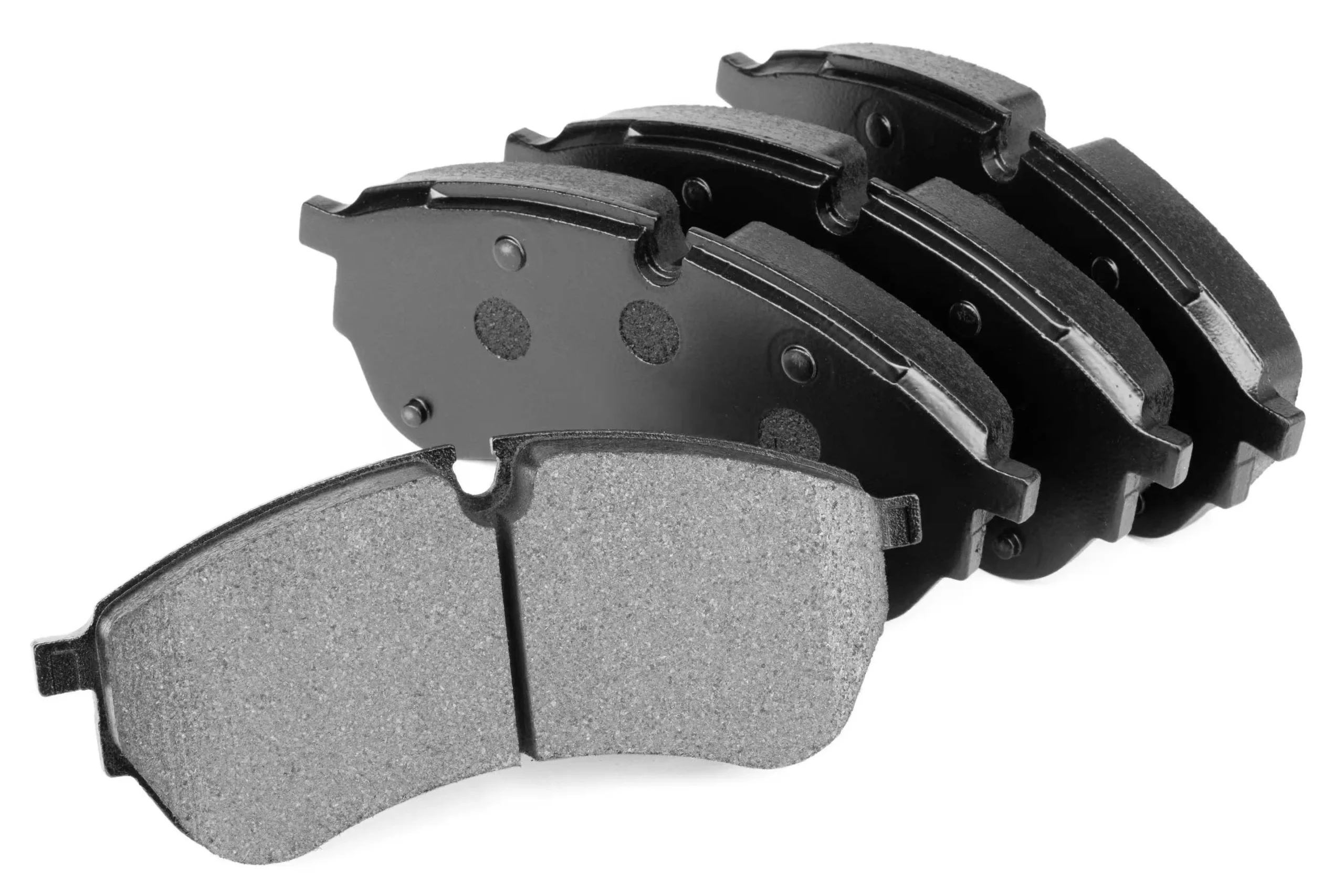
Furthermore, the increase in urban congestion in major cities has led to a higher frequency of "stop-and-go" driving. This specific pattern increases the heat load on the brake pad, requiring advanced ceramic or semi-metallic compounds to prevent glazing and brake fade.

Evolution and Trajectory of Friction Technology in Peru

From Asbestos-Based Compounds to Eco-Friendly High-Performance Materials

Market Development History

During the late 20th century, the Peruvian market relied heavily on traditional organic friction materials. These early versions of the shoe brake shoe were affordable but lacked the thermal stability required for the steep descents of the Andes.

By the 2010s, the industry transitioned toward semi-metallic compounds. This era saw an increase in the adoption of reinforced steel fibers, which significantly improved heat dissipation and durability for heavy-duty transport and commercial fleets operating across the Peruvian coast.

From 2020 onwards, the market has entered the "Eco-Performance" phase. There is now a strict movement toward copper-free and asbestos-free materials to meet evolving environmental regulations in South America while improving noise, vibration, and harshness (NVH) levels.

Future Development Trends

Low-Dust Ceramic Integration

Increased demand for ceramic compounds to reduce wheel pollution and improve longevity in urban centers like Lima and Arequipa.

Heavy-Duty Mining Specialization

Development of ultra-high-friction materials specifically for the mining trucks operating in the high-altitude regions of Peru.

Smart Wear Monitoring

Integration of sensor-compatible friction pads that allow fleet managers to track wear in real-time through telematics.

Future Trends and Strategic Outlook for Peruvian Brake Systems

Predicting the Next 3-5 Years of Technological Shift

Environmental Compliance
Rapid transition to non-asbestos and low-copper materials to align with global sustainability goals.
Hybrid-Vehicle Adaptation
Developing specialized pads for regenerative braking systems becoming common in Lima's taxi fleets.
Thermal Resistance Max
Optimization of friction coefficients at extreme temperatures to prevent fade on steep Andean slopes.
Localized Supply Chain
Reducing lead times through strategically placed distribution hubs within the Peruvian territory.

Industry Outlook

Google search trends in South America indicate a rising interest in "heavy-duty brake replacements" and "ceramic brake pads," suggesting that Peruvian consumers are becoming more quality-conscious. We expect a 15% annual growth in the demand for premium friction sets.

As Peru continues to invest in infrastructure and highway expansion, the logistics sector will require components that balance cost with extreme longevity, pushing the industry toward semi-metallic and hybrid ceramic solutions.

Localized Application Scenarios in Peru

Real-World Performance Testing Across Peru's Geographic Zones

01. Andean Mountain Logistics

Heavy-duty trucks transporting goods between Lima and Cusco utilize high-heat resistant friction materials to prevent brake fade during prolonged downhill descents.

02. Lima Urban Transit Fleets

Public transport buses in the capital require low-noise, high-durability pads to handle the intense stop-and-go traffic of the metropolitan area.

03. Coastal Mining Operations

Mining vehicles in the coastal desert regions use specialized components that resist corrosion from saline air while maintaining high stopping power.

04. Amazon Basin Rural Transport

4x4 vehicles operating in the Loreto region require rugged friction sets that can perform consistently in high humidity and muddy conditions.

05. Inter-City Passenger Coaches

Long-distance luxury buses employ premium compounds to ensure passenger safety and comfort during high-speed travel on the Pan-American Highway.

Brand Story

Global Development History of Hengshui Kaiyuan Automotive Parts Co., Ltd.

Foundation and Vision

Established with a commitment to safety, we focused on solving the core pain point of premature brake wear in demanding industrial environments.

Technological Breakthrough

Developed proprietary semi-metallic formulas that balanced friction stability with rotor longevity, setting a new standard for aftermarket parts.

Global Market Expansion

Expanded our reach into South America, tailoring our product line to meet the unique atmospheric and road conditions of the Peruvian market.

Certification and Quality

Achieved international quality certifications, ensuring every unit produced meets rigorous safety benchmarks for global distribution.

Sustainable Future

Investing in eco-friendly materials to lead the transition toward zero-asbestos braking solutions for the next generation of vehicles.

Complete Braking Product Portfolio for Peru

Tailored solutions covering every vehicle class from urban compacts to heavy-duty mining trucks.

Frequently Asked Questions in Peru

Expert answers to common braking system concerns in the Peruvian market

How often should I replace a brake pad set in the Andean region?

Due to steep terrain and high frequency of braking, we recommend inspections every 5,000 to 10,000 km for vehicles operating in the highlands to ensure safety.

What is the best brake pads & shoes material for Lima's humidity?

Ceramic or high-grade semi-metallic materials are ideal for Lima as they resist corrosion from salt air and handle urban heat cycles effectively.

Can a shoe brake shoe be used for both front and rear systems?

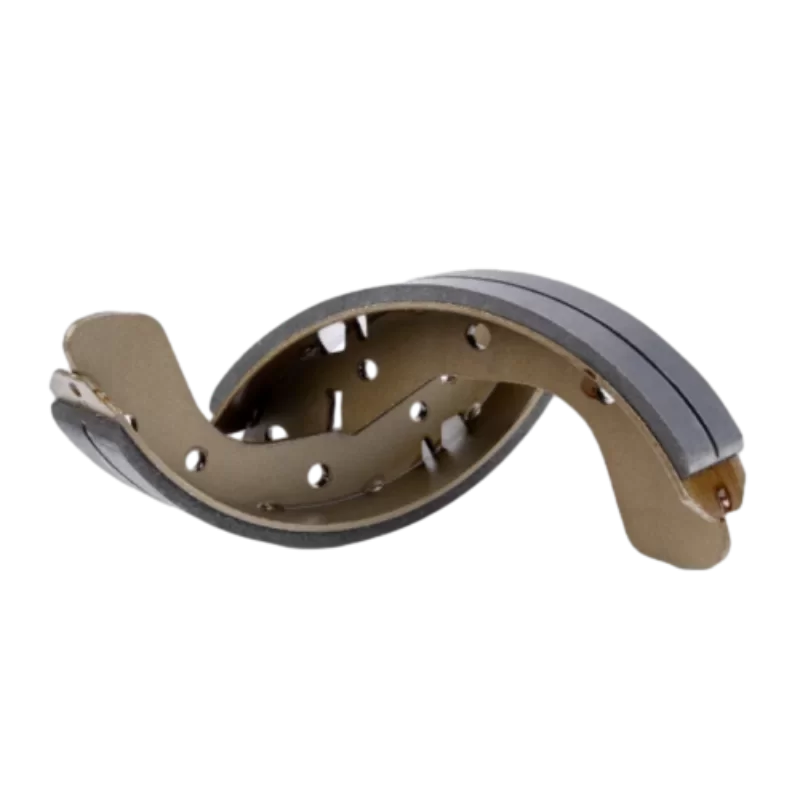
No, brake shoes are specifically designed for drum brake systems, typically found on the rear axles of many commercial vehicles in Peru.

Why is the brake pad shoe squeaking after installation?

Squeaking often occurs due to improper bedding or dust accumulation. Our premium pads include anti-noise shims to minimize this issue.

Is the brake pad compatible with heavy-duty mining trucks?

Yes, we offer reinforced heavy-duty series specifically engineered for the extreme loads and heat generated in Peruvian mining operations.

How to verify the quality of an imported brake pad set?

Check for international certifications (like ISO/TS16949), consistency in material density, and the presence of wear indicator slots.

Ready to Upgrade Your Fleet's Safety?

Partner with the leading expert in friction technology for the Peruvian market. Get a customized quote for your operations in Peru.

Contact Us Now

If you are interested in our products, you can choose to leave your information here, and we will be in touch with you shortly.