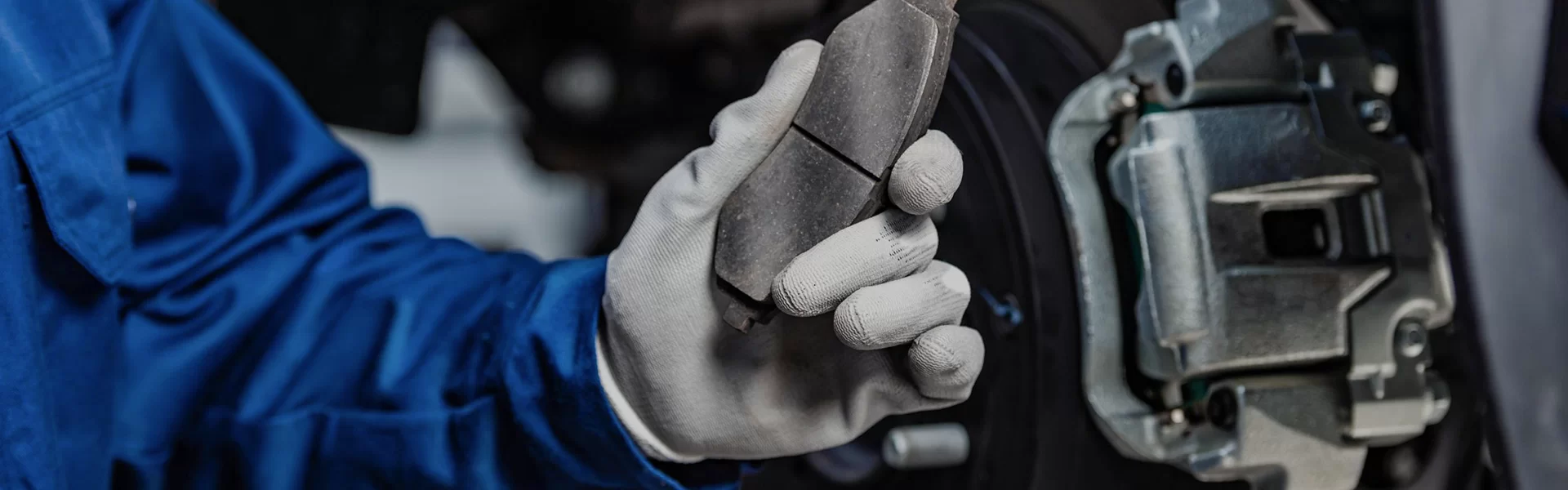
Maintaining your vehicle's stopping power is not just about convenience; it is a critical safety requirement. When you start hearing squealing sounds or feel a vibration in the pedal, it is time to investigate the price to replace front brakes. Depending on whether you need a simple pad swap or a full rotor replacement, the costs can vary significantly. In this guide, we will break down the financial aspects of brake maintenance, helping you budget effectively while ensuring your car remains safe on the road. Understanding these costs prevents surprises at the mechanic and allows you to choose the best materials for your driving style.
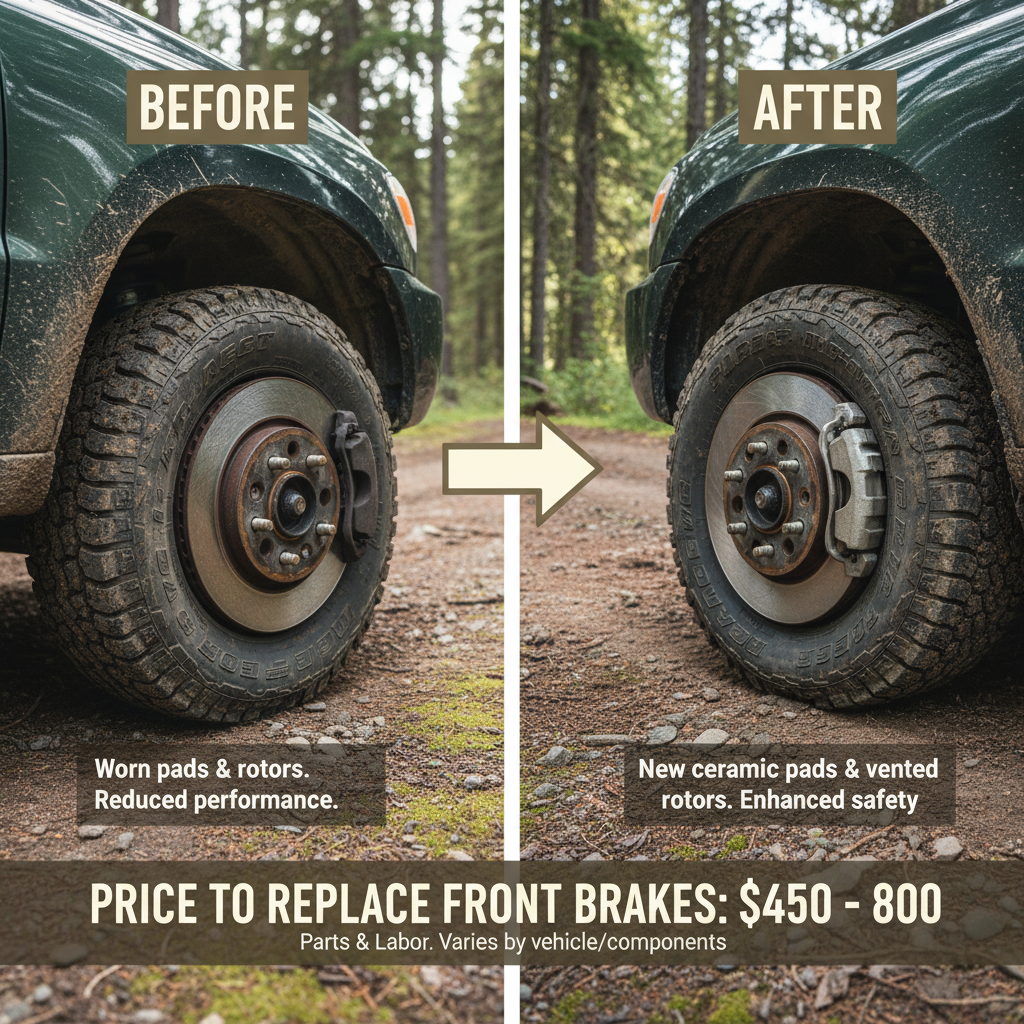
Several variables dictate the final invoice when you visit a service center. First is the type of vehicle; luxury cars and heavy-duty trucks often require more expensive, high-performance parts than compact economy cars. Second is the scope of work. Replacing only the brake pads is relatively inexpensive, but if the rotors are warped or thin, they must be replaced or resurfaced, adding to the total. Finally, labor rates vary by region and shop type. Dealerships typically charge a premium compared to independent garages. By sourcing high-quality components from KY Brake Pad, you can often reduce the overall cost without sacrificing safety.
To get a clear picture of the price to replace front brakes, it is helpful to look at the individual costs of parts and the time required for installation. Most professional technicians charge by the hour, and a standard front brake job usually takes between 1.5 to 3 hours. If you choose ceramic pads over semi-metallic ones, you may see a slight increase in part costs, but you will benefit from less dust and quieter operation. Below is a generalized estimate of the costs involved in a typical front-end brake service.
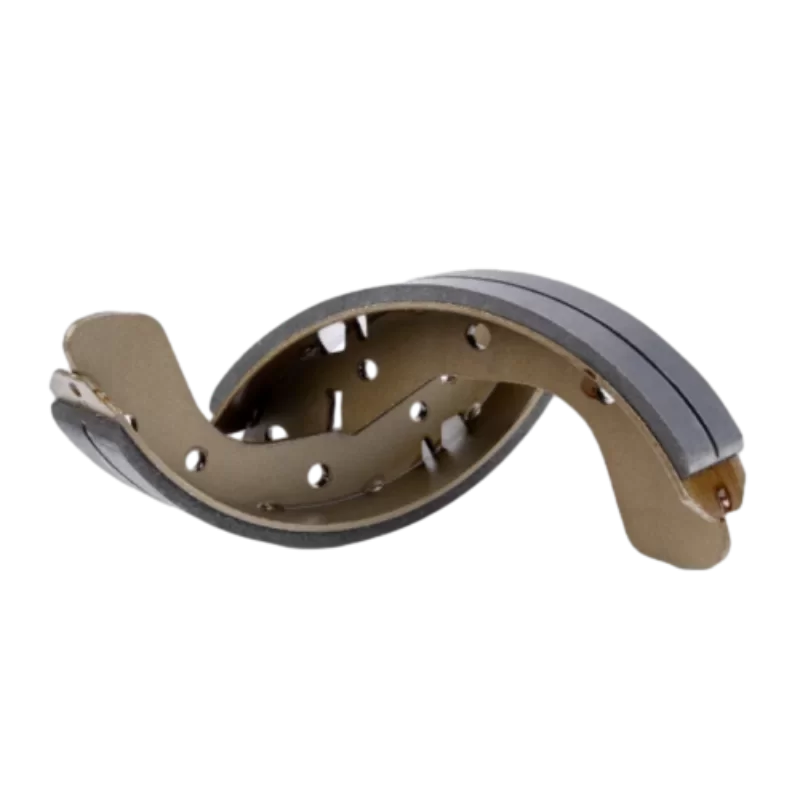
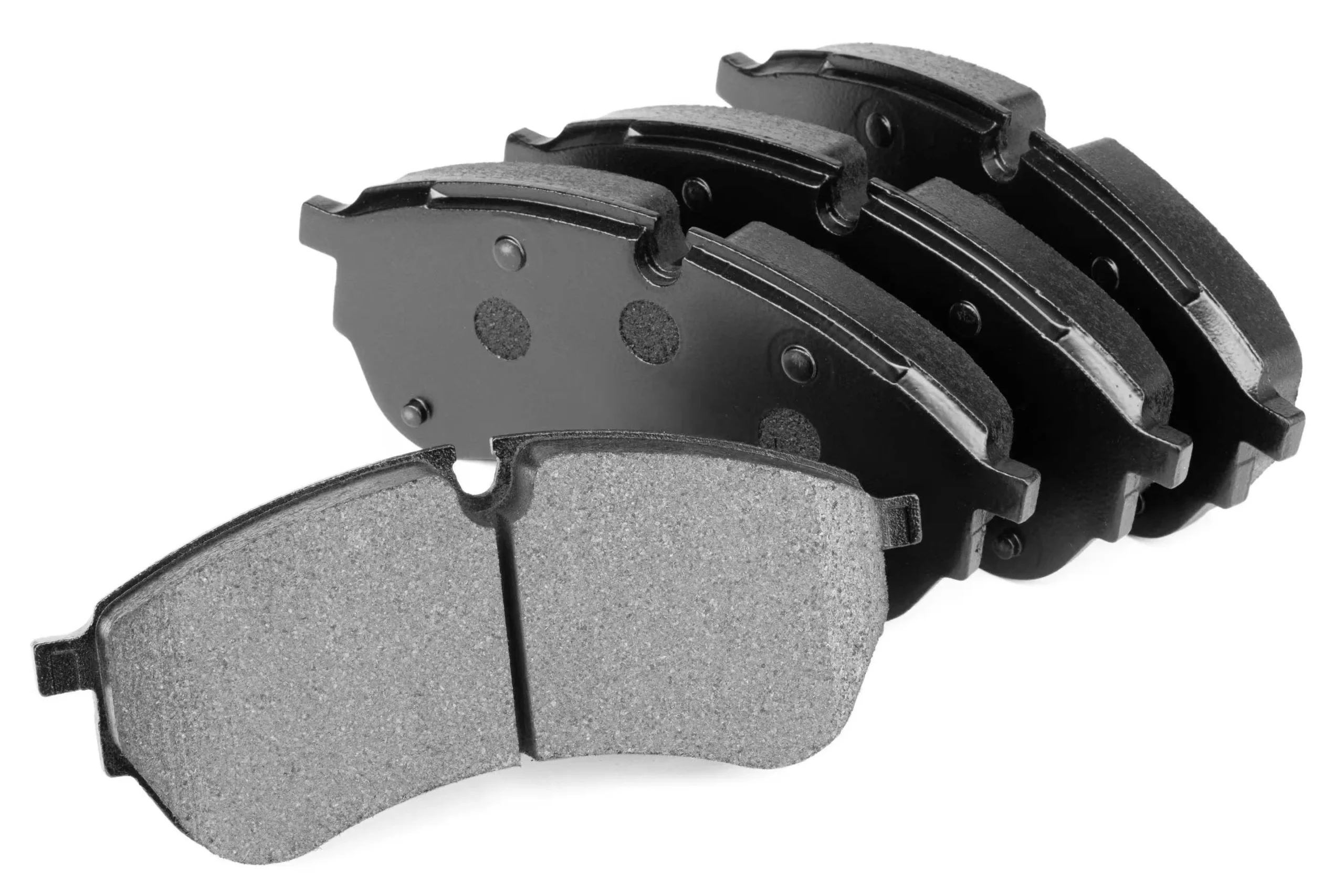
When discussing the price to replace front brakes, the material you choose plays a significant role. Organic pads are the most affordable and quietest, but they wear down quickly. Semi-metallic pads are more durable and better for heavy towing, though they can be noisier. Ceramic pads offer the best balance of longevity and comfort. Choosing the right material depends on your driving habits—whether you commute in heavy city traffic or drive on open highways. High-quality pads from KY Brake Pad are engineered to provide optimal friction and durability.
Pro Tip: Regularly inspecting your brake pads every 5,000 miles can help you identify wear early, allowing you to replace only the pads and avoid the higher cost of replacing damaged rotors.
There are several ways to lower your maintenance bills without compromising safety. First, consider shopping for parts independently. By purchasing certified brake pads from a reputable supplier like KY Brake Pad and bringing them to a local mechanic, you can avoid the high markup shops often apply to parts. Second, look for bundle deals; replacing both front and rear brakes at once often reduces the overall labor cost per axle. Lastly, maintaining your brake fluid regularly prevents caliper corrosion, which avoids the need for expensive caliper replacements in the future.
To understand why certain products cost more, it is important to look at the specifications. Premium pads utilize advanced friction formulas and heat-dissipating backing plates. These features ensure that the brakes do not "fade" during prolonged use, such as driving down a mountain. When evaluating the price to replace front brakes, always check the material composition. High-grade ceramics provide a lower noise profile and a longer lifespan, effectively lowering the "cost per mile" of your vehicle's maintenance.
When considering the price to replace front brakes, it is easy to be tempted by the cheapest option. However, brake systems are the most critical safety component of your vehicle. By choosing a balance of professional labor and high-quality parts from KY Brake Pad, you ensure that your vehicle stops reliably every time. Investing slightly more in premium materials now can save you money in the long run by extending the intervals between replacements and protecting your rotors from premature wear.
The front brakes perform the vast majority of the stopping work—typically around 60% to 80% of the total braking force. Because they handle more heat and friction, front brake pads and rotors are generally larger, more robust, and more expensive than rear components. Additionally, the front system often includes more complex caliper designs to manage the higher loads, which can increase both the part cost and the labor time required for replacement.
Yes, it is possible to replace only the pads if the rotors are still within the manufacturer's thickness specifications and are not warped. However, if the rotors have deep grooves or "lips" at the edge, installing new pads on old rotors will lead to poor contact, increased noise, and faster wear. In such cases, the price to replace front brakes will increase because the rotors must be resurfaced or replaced to ensure maximum safety and performance.
While every driver is different, most front brake pads last between 30,000 and 70,000 miles. Drivers in urban environments with frequent stop-and-go traffic will likely need replacements closer to the 30k mark, while highway drivers may reach 70k. We recommend a visual inspection every 10,000 miles. By monitoring the wear, you can plan for the price to replace front brakes ahead of time and avoid emergency repair costs.
For most daily drivers, absolutely. Ceramic pads are designed to be quieter and produce significantly less brake dust, keeping your wheels cleaner. More importantly, they operate effectively across a wider range of temperatures and generally last longer than organic pads. While the initial part cost is higher, the extended lifespan and improved driving comfort make them a more economical choice over the long term compared to cheaper alternatives.