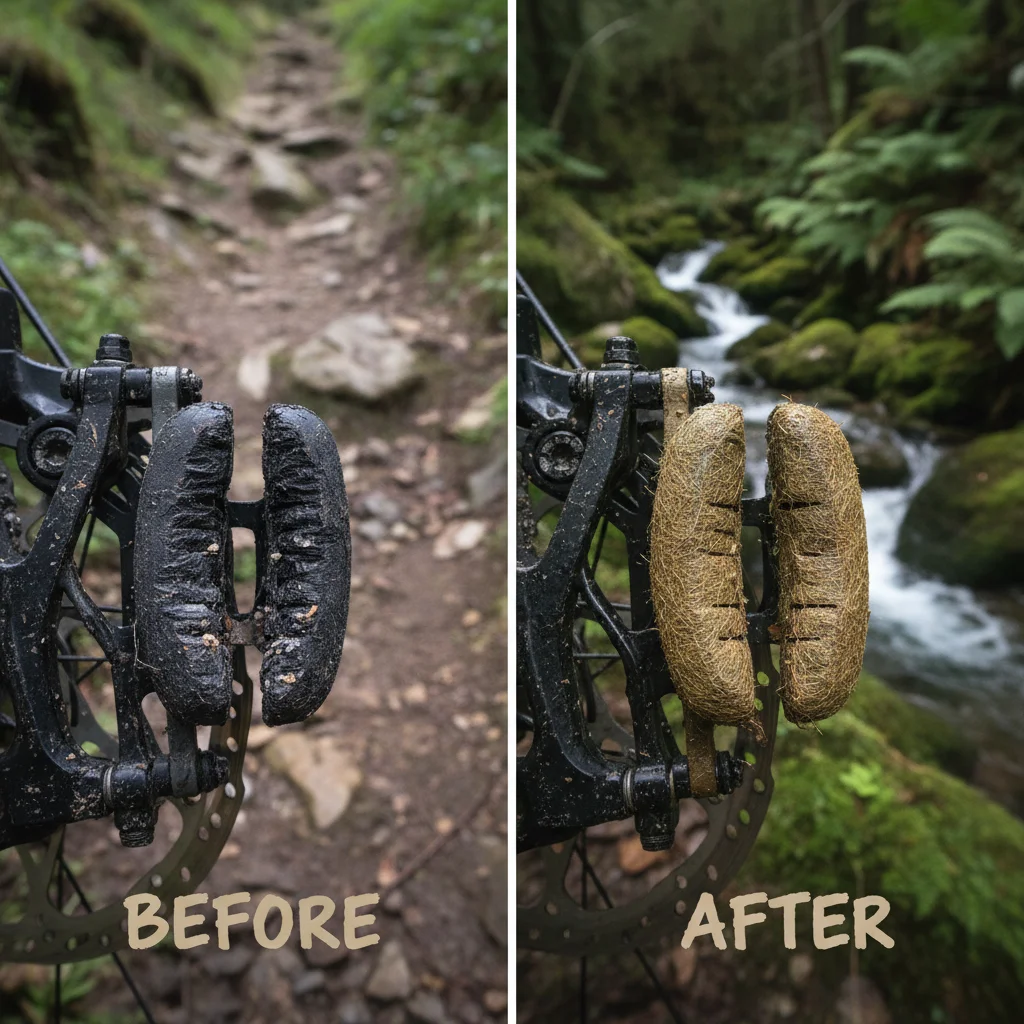
Brake shoe use is a foundational element of braking systems across a vast spectrum of vehicles and machinery, from traditional railways to modern automotive applications. Understanding the nuances of brake shoe material, design, and maintenance is crucial for ensuring operational safety, efficiency, and longevity. This knowledge extends beyond simple mechanical function, encompassing considerations of friction management, heat dissipation, and wear resistance – factors that directly impact both performance and economic viability. Proper brake shoe use is not merely a technical detail; it’s a cornerstone of reliable transportation and industrial processes globally.
The global relevance of brake shoe use is underscored by the sheer scale of transportation infrastructure and industrial activity worldwide. According to the UN, road transport accounts for approximately 79% of global freight ton-kilometers, and rail transport constitutes a significant portion of passenger and goods movement, particularly in countries like China, India, and Germany. Each of these modes relies heavily on effective braking systems. Furthermore, the ISO standards governing braking performance highlight the international emphasis on safety and reliability. The demand for high-performance, durable brake shoes consistently drives innovation in materials science and manufacturing processes.
A persistent challenge within this field is balancing cost-effectiveness with optimal braking performance and environmental sustainability. Traditional brake shoe materials can contribute to particulate matter emissions, necessitating the development of low-dust formulations and alternative friction materials. Effective brake shoe use, therefore, encompasses not only correct installation and maintenance but also a growing awareness of environmental impact and the pursuit of greener braking technologies.
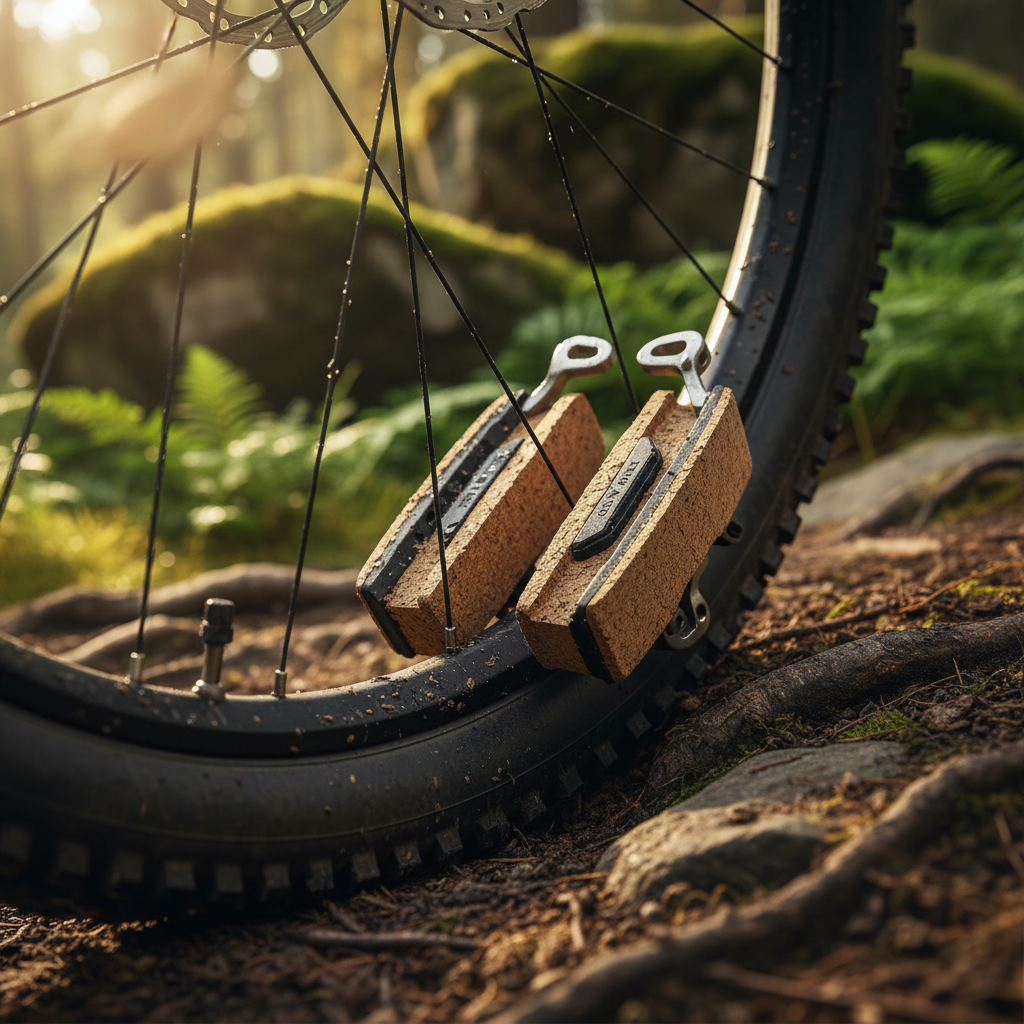
Defining Brake Shoe Use and its Significance
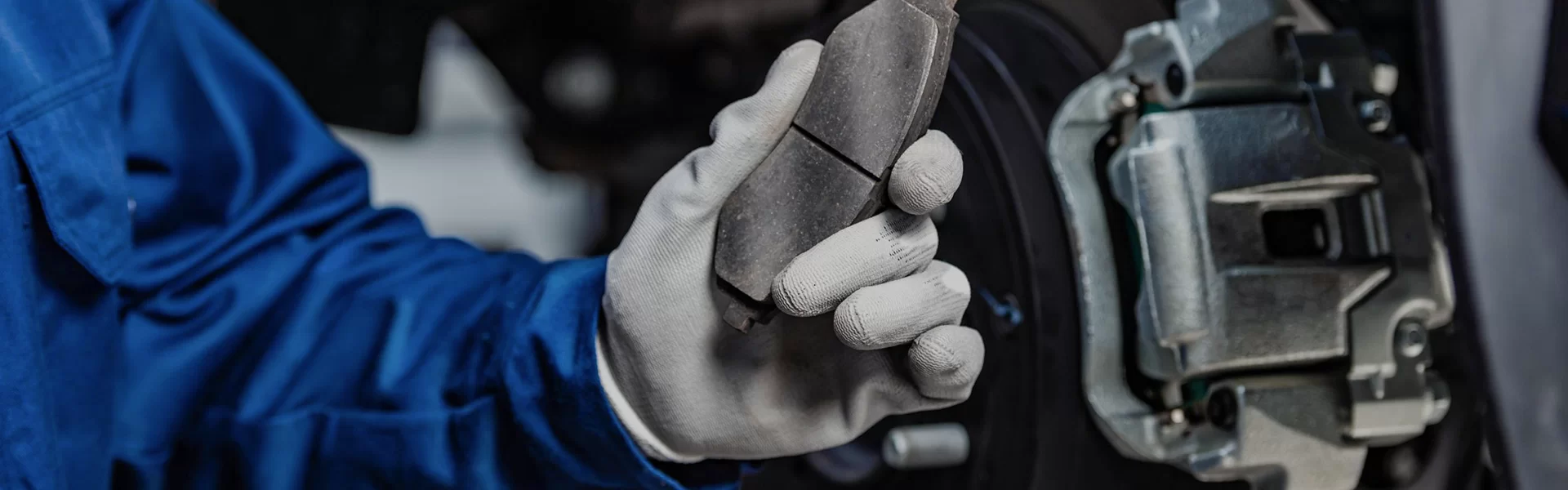
Brake shoe use, at its core, refers to the application of frictional materials – the brake shoes themselves – against a rotating drum or disc to convert kinetic energy into thermal energy, thereby slowing or stopping a vehicle or machine. This process demands precise control over friction, wear, and heat dissipation. The correct application and maintenance of brake shoes significantly impact the safety and efficiency of the braking system.
This practice is inextricably linked to modern industry and humanitarian needs. Reliable braking systems are essential for the safe operation of railways, which transport goods and people, powering economies and connecting communities. In emergency response scenarios, ensuring the functionality of braking systems in vehicles and equipment is paramount for rapid and effective disaster relief efforts. Understanding brake shoe use contributes to both logistical effectiveness and the safety of personnel involved.
The Historical Development of brake shoe use
The origins of brake shoe use can be traced back to the early days of railways in the 19th century. Initially, braking relied on simple wooden blocks pressed against the wheels, a system that proved inadequate for heavier loads and higher speeds. The introduction of cast iron brake shoes marked a significant improvement, offering greater frictional force and durability. Over time, advancements in metallurgy led to the development of composite materials, incorporating steel, bronze, and various friction modifiers.
The 20th century witnessed a continued evolution, driven by the demands of increasingly sophisticated transportation systems. The advent of asbestos-based brake shoes offered exceptional heat resistance and frictional properties, but concerns over health hazards eventually prompted the search for alternative materials. This spurred innovation in non-asbestos organic (NAO) compounds, semi-metallic formulations, and ceramic-based brake shoes, each designed to balance performance, safety, and environmental considerations.
Today, ongoing research focuses on developing even more advanced brake shoe materials, including those with self-lubricating properties and reduced noise characteristics. The pursuit of lighter-weight materials is also a key trend, contributing to improved fuel efficiency and reduced emissions. Modern brake shoe use, therefore, is the culmination of over a century of engineering refinement.
Core Components of Effective Brake Shoe Use
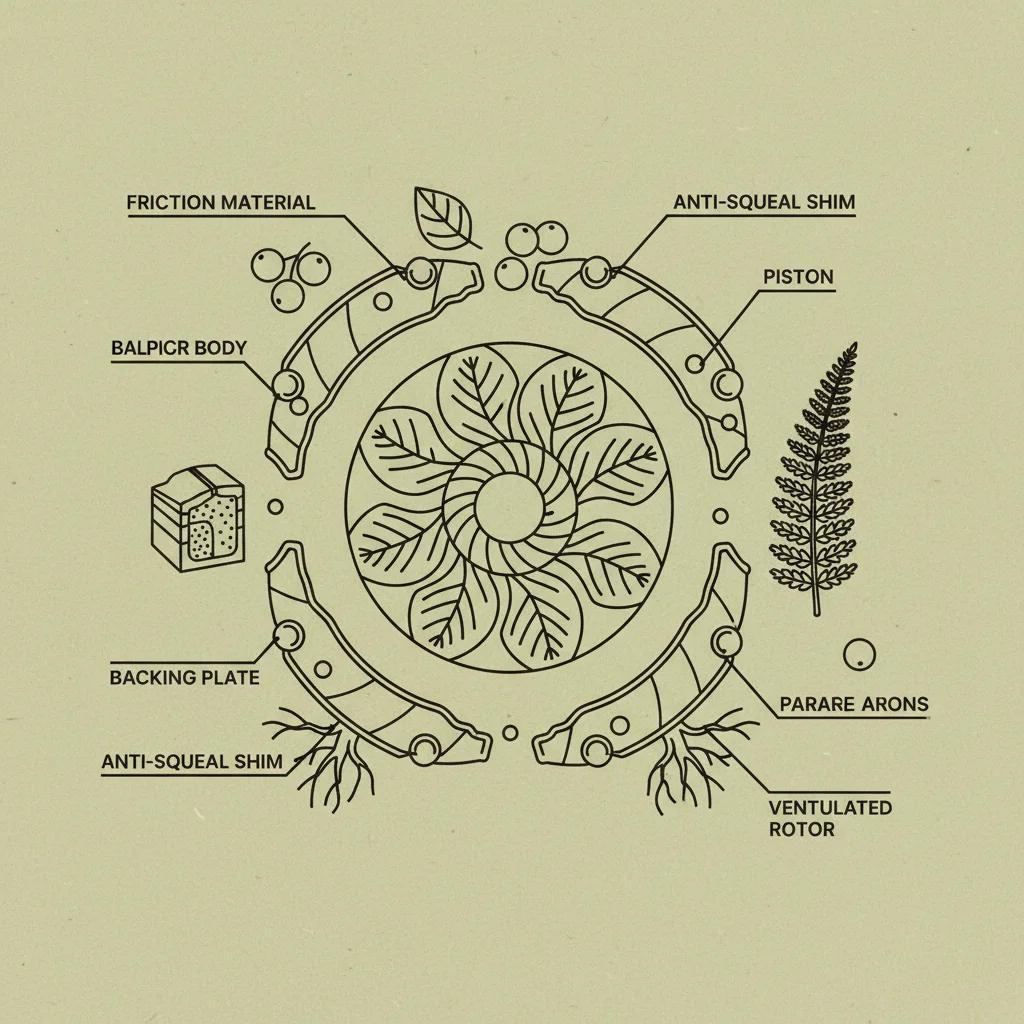
Effective brake shoe use relies on a harmonious interplay of several key components. The brake shoe material itself is paramount, determining the coefficient of friction, wear rate, and heat dissipation capabilities. The design of the brake shoe, including its shape and dimensions, influences the contact area and pressure distribution on the drum or disc. Proper installation, ensuring correct alignment and clearance, is essential for even wear and optimal performance.
Furthermore, the condition of the mating surface – the brake drum or disc – plays a critical role. Scoring, warping, or contamination of the drum/disc surface can significantly reduce braking effectiveness and accelerate brake shoe wear. Regular inspection and maintenance, including cleaning and resurfacing, are vital for maintaining peak performance. Finally, the overall braking system, encompassing hydraulics, linkages, and control mechanisms, must function correctly to ensure consistent and reliable braking action.
The interconnectedness of these components emphasizes the importance of a holistic approach to brake shoe use. Neglecting any single aspect can compromise the entire system, leading to reduced safety, increased maintenance costs, and potential mechanical failures.
Key Factors Influencing Brake Shoe Performance
Several critical factors directly influence the performance and longevity of brake shoes. Durability is paramount, as brake shoes are subjected to intense friction and heat during operation. This is influenced by the material composition and manufacturing quality. Scalability refers to the brake shoe’s ability to maintain consistent performance across varying operating conditions, such as different speeds, loads, and temperatures.
Cost-efficiency is another key consideration, balancing initial material costs with long-term maintenance and replacement expenses. Heat dissipation capabilities are vital to prevent brake fade—a reduction in braking effectiveness due to overheating. The composition of the shoe directly impacts its ability to manage thermal energy. Environmental impact, particularly dust emissions, is increasingly important, leading to the development of low-dust formulations.
Performance Metrics for Different brake shoe use Materials
Global Applications and Diverse Use Cases
Brake shoe use is ubiquitous across a multitude of industries and applications worldwide. In the railway sector, it is critical for the safe operation of freight and passenger trains, with varying material compositions tailored to specific train types and operating environments. The automotive industry relies heavily on brake shoes (or their disc brake equivalents) for both passenger vehicles and commercial trucks, adhering to stringent safety standards.
Beyond transportation, brake shoe use is prevalent in industrial machinery, such as cranes, winches, and conveyor systems, where precise and reliable braking is essential for safe and efficient operation. In mining operations, robust brake shoes are required for heavy-duty equipment operating in challenging conditions.
In remote industrial zones and developing countries, the availability of cost-effective and durable brake shoes is vital for maintaining essential infrastructure and enabling economic activity. Furthermore, specialized brake shoe applications exist in aerospace, marine, and even amusement park rides, each demanding unique performance characteristics.
Advantages and Long-Term Value Proposition
The advantages of effective brake shoe use extend far beyond simple stopping power. Reduced maintenance costs are a significant benefit, as durable brake shoes require less frequent replacement, minimizing downtime and associated expenses. Enhanced safety is paramount, ensuring reliable braking performance and preventing accidents. Improved fuel efficiency is achievable through optimized braking systems that minimize friction and energy loss.
From a sustainability perspective, the development of low-dust brake shoe formulations contributes to reduced air pollution and improved environmental health. The long-term value of investing in high-quality brake shoes is undeniable, fostering trust and reliability in transportation systems and industrial operations. This value proposition appeals to both economic and ethical considerations.
Future Trends and Emerging Innovations
The future of brake shoe use is poised for significant advancements driven by several key trends. The development of smart brake shoes incorporating sensors and data analytics will enable predictive maintenance and optimized performance. Research into new materials, such as graphene-enhanced composites, promises to deliver superior friction characteristics and heat resistance.
The integration of regenerative braking systems, particularly in electric and hybrid vehicles, is gaining traction, recovering kinetic energy and improving overall energy efficiency. Automation and robotics are streamlining the manufacturing process, leading to increased precision and reduced costs.
Sustainability remains a central focus, with ongoing efforts to develop eco-friendly brake shoe materials and reduce waste. These innovations will collectively shape the future of braking technology, enhancing safety, efficiency, and environmental responsibility.
Challenges and Solutions
Despite significant advancements, challenges remain in optimizing brake shoe use. One common issue is uneven wear, often caused by improper installation, misalignment, or contamination. Solutions include precise calibration during installation and regular inspections for damage or debris. Brake fade, particularly in high-demand applications, remains a concern. Improved heat dissipation materials and advanced cooling systems are being developed to address this issue.
Dust emissions from brake shoes continue to pose an environmental challenge. Research into low-dust formulations and alternative friction materials is crucial. Furthermore, the cost of high-performance brake shoes can be a barrier to adoption in some markets. Innovative manufacturing processes and economies of scale are needed to reduce costs without compromising quality.
Summary of Key Challenges and Corresponding Solutions in Brake Shoe Use
| Challenge |
Root Cause |
Potential Solution |
Implementation Cost (Scale 1-10) |
| Uneven Wear |
Improper Installation/Misalignment |
Precise Calibration & Regular Inspection |
3 |
| Brake Fade |
Excessive Heat Generation |
Advanced Heat Dissipation Materials |
7 |
| Dust Emissions |
Friction Material Composition |
Low-Dust Formulations/Alternative Materials |
6 |
| High Material Cost |
Specialized Materials & Manufacturing |
Economies of Scale & Innovative Processes |
5 |
| Noise Generation |
Vibration & Friction Interaction |
Damping Materials & Optimized Design |
4 |
| Corrosion |
Environmental Exposure |
Protective Coatings & Corrosion-Resistant Alloys |
6 |
FAQS
The lifespan of brake shoes varies significantly depending on driving habits, vehicle type, and environmental factors. However, under normal operating conditions, a typical set of brake shoes can last anywhere from 25,000 to 70,000 miles. Regular inspections are crucial to determine wear and tear and ensure optimal braking performance. Factors like aggressive braking, heavy loads, and dusty environments will shorten the lifespan considerably, requiring more frequent checks and potential replacement.
Several warning signs indicate that brake shoes may need replacing. These include squealing or grinding noises when braking, a spongy or soft brake pedal, pulling to one side during braking, and a noticeable decrease in braking effectiveness. Visually inspecting the brake shoes for wear—checking the thickness of the friction material—is also a critical step. If the friction material is less than 1/8 inch thick, replacement is generally recommended.
Weather conditions significantly impact brake shoe performance and longevity. Wet weather reduces friction, potentially increasing stopping distances and accelerating wear. Salt and other road de-icing agents can cause corrosion, damaging brake components. Extreme heat can lead to brake fade, diminishing braking power. Cold temperatures can make brake shoes less responsive initially. Regular cleaning and maintenance are vital to mitigate these effects.
Organic brake shoes are quieter and produce less dust, but they wear faster and are less effective in high-heat situations. Semi-metallic brake shoes offer a good balance of performance, durability, and cost, but can generate more dust and noise. Ceramic brake shoes provide excellent stopping power, minimal noise, and low dust, but are generally the most expensive option. The best choice depends on driving conditions and personal preferences.
It's highly recommended to replace brake shoes in pairs, even if only one side appears worn. Replacing only one side can create an imbalance in braking force, leading to uneven wear and potential steering issues. Replacing both shoes simultaneously ensures consistent braking performance and maintains the integrity of the braking system. This proactive approach extends the overall lifespan of the system and enhances safety.
Several maintenance steps can extend brake shoe life. Regularly inspect brake shoes for wear, ensure proper wheel alignment, and avoid aggressive braking habits. Keep the brake system clean and free of debris. Periodically lubricate moving parts. Address any unusual noises or changes in brake pedal feel promptly. Regular professional inspections can identify potential issues before they escalate into costly repairs.
Conclusion
Understanding brake shoe use is fundamental to ensuring safe and efficient operation across a wide range of vehicles and machinery. From historical advancements in materials to emerging innovations in smart braking systems, the field continues to evolve, driven by the need for improved performance, durability, and sustainability. Consistent maintenance, informed material selection, and proactive problem-solving are all crucial components of maximizing brake shoe lifespan and maintaining optimal braking effectiveness.
Looking ahead, continued research and development will focus on creating even more advanced and environmentally friendly brake shoe technologies. Embracing these innovations and adopting best practices in brake system maintenance will be essential for building a safer, more reliable, and sustainable future for transportation and industrial operations. For expert advice and quality brake shoe solutions, visit our website: kybrakepad.com