Look, the whole brake shoe industry… it’s moving fast, really fast. Everyone’s talking about composite materials now, trying to get away from the traditional cast iron. To be honest, it's not just about weight savings – though that’s a big part of it. It’s about noise reduction, too. Nobody wants a screeching train, right? And with the push for electric vehicles, braking systems are getting a whole lot more complicated, and the shoes… well, they need to keep up. I’ve been on sites where they’re experimenting with ceramic-matrix composites, trying to get that sweet spot of durability and stopping power. It's messy work, let me tell you.
I've seen so many designs fail because people overthink it. Like, they try to get too clever with the geometry, forget that it actually has to fit inside the brake drum. Have you noticed? It always comes down to the basics. Simple, robust design. That's what works. I encountered this at a brake shoe factory in Jiangsu province last time – a whole batch of shoes, beautifully engineered on paper, but completely unusable because of a tiny tolerance issue. A tiny issue!
And the materials… you really get to know them. Cast iron smells like… well, iron. A metallic tang, kind of earthy. It's heavy, solid. You can feel the weight in your hand. The newer composites are different. They’re lighter, smoother. Some of the carbon-based ones even have a slight… sweet smell, strangely enough. You gotta wear a good mask when you’re cutting them though, because the dust is nasty. Handling them feels different, too. Less forgiving, I'd say.


Anyway, I think the biggest shift we’re seeing is the demand for lower noise and dust emissions. Regulations are tightening up, and customers are complaining. Nobody wants a brake shoe that sounds like a garbage disposal. It's forcing manufacturers to invest in new materials and designs. And then there’s the whole electric vehicle thing... different braking demands, regenerative braking, and so on. It's changing everything.
The sheer volume of demand is something else, too. China and India are both building infrastructure at an insane pace. That means a lot of brake shoes. And the quality standards are improving, which is good. It's not like the old days where you could get away with anything. There's genuine pressure to build something that lasts.
Honestly, it's contamination. Dust, dirt, grease... anything that gets between the shoe and the drum will accelerate wear. Poorly maintained systems are the worst, but even new shoes can be compromised if they're not stored properly. Keep them clean and dry, that's the key. If you don't, you're looking at premature failure and a potentially dangerous situation. It's a simple thing, but people overlook it all the time.
It depends. For high-performance applications – racing, heavy-duty vehicles – absolutely. The weight savings and improved thermal stability are worth the investment. For a standard passenger car? Maybe not. You'll get better noise reduction and less dust, but the difference in stopping power isn't usually significant enough to justify the extra expense. It’s really a case-by-case situation. I’ve seen both work great, and both fail spectacularly.
Critical. Absolutely critical. If the drum is scored, warped, or otherwise damaged, it will wreak havoc on the brake shoes. You'll get uneven wear, noise, and reduced braking performance. The drum needs to be smooth and concentric. A good machinist can resurface a drum, but sometimes it’s just easier to replace it. Don't skimp on this, trust me.
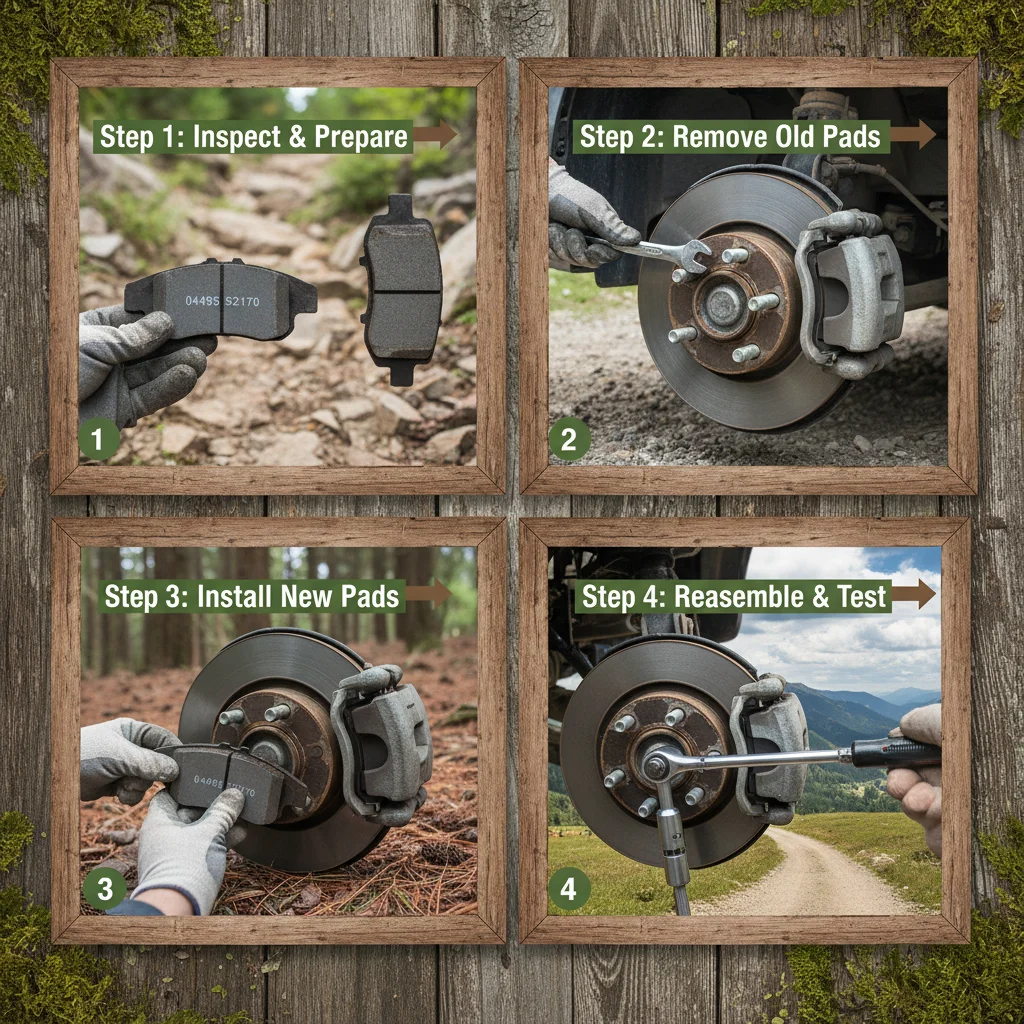
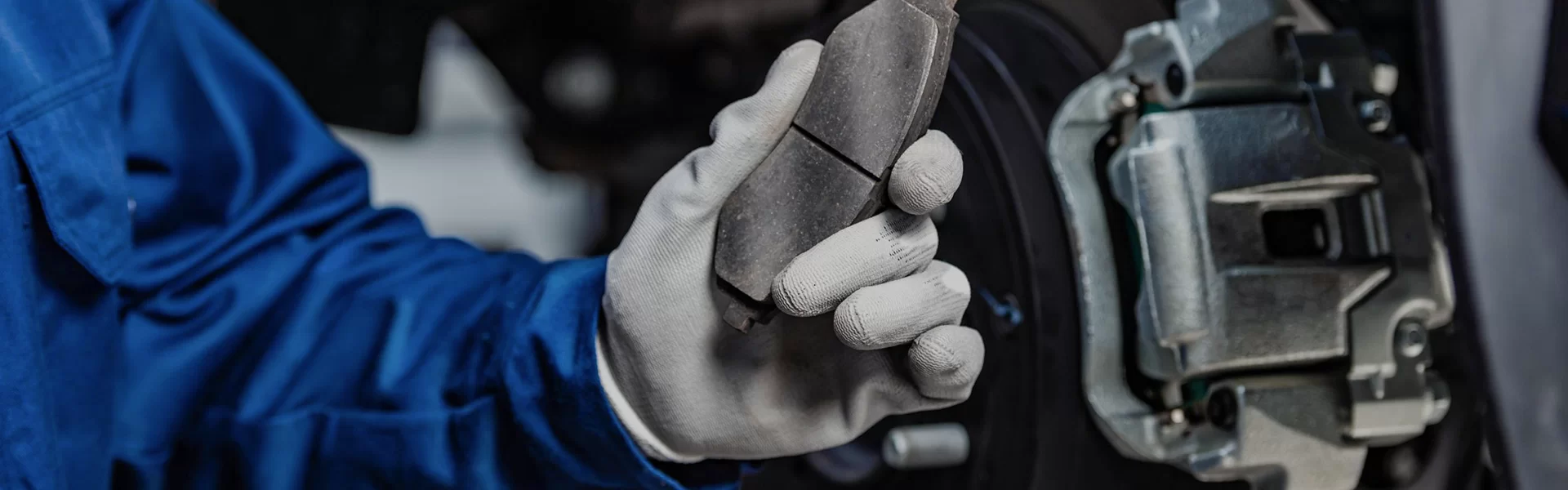
Squealing, grinding, or scraping noises are obvious signs, but sometimes it's more subtle. A spongy brake pedal, increased stopping distance, or the vehicle pulling to one side can all indicate worn brake shoes. And of course, a visual inspection is always a good idea. If you can see the metal backing plate through the friction material, it’s time for a replacement.
It used to be common practice, but it’s becoming less and less so. The quality of the bonding adhesive isn't always consistent, and there's a risk of delamination. Plus, the cost of relining can often be close to the cost of replacing them with new shoes. In my opinion, it’s usually not worth the risk, unless you have a really old or rare vehicle where getting new shoes is difficult.
The biggest thing is probably the development of self-adjusting brake shoes. They automatically compensate for wear, maintaining consistent braking performance. It’s a small thing, but it makes a big difference in terms of convenience and safety. We are also seeing more sophisticated friction materials that offer improved performance in a wider range of conditions. It's incremental improvements, really, but it all adds up.
Ultimately, brake shoes are a deceptively simple component. There's a lot of science and engineering that goes into making them work reliably and safely. From material selection to design optimization to manufacturing quality, every detail matters. The industry is evolving, with new materials and technologies constantly emerging, but the fundamental principles remain the same.
But here's the thing, all the fancy analysis, all the sophisticated testing… it all comes down to the guy on the assembly line, or the mechanic in the shop. Ultimately, whether this thing works or not, the worker will know the moment he tightens the screw. And that's what really matters. If you want to build a good brake shoe, talk to the people who install them and use them every day.