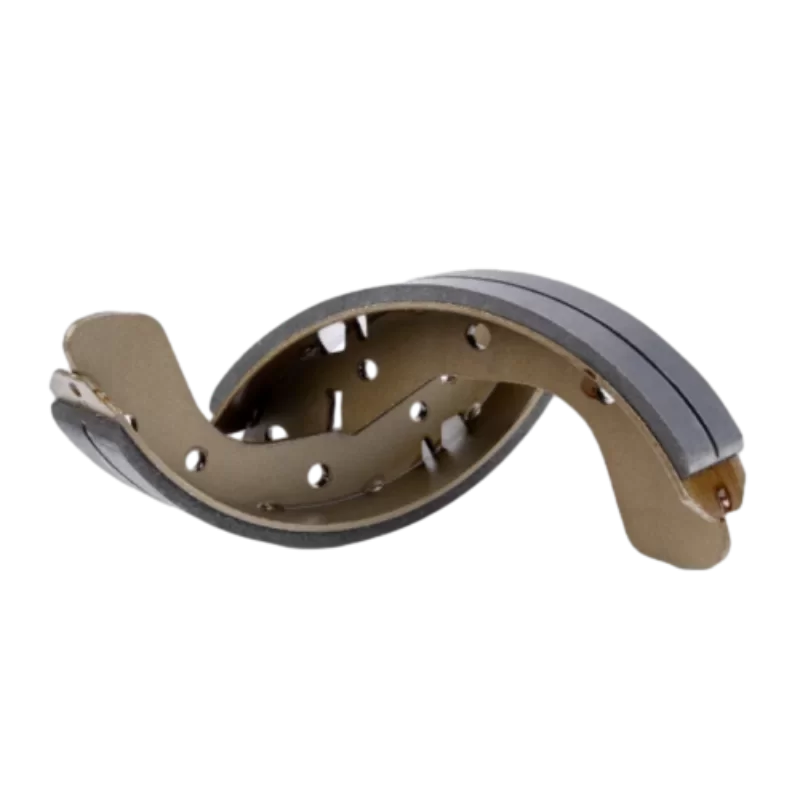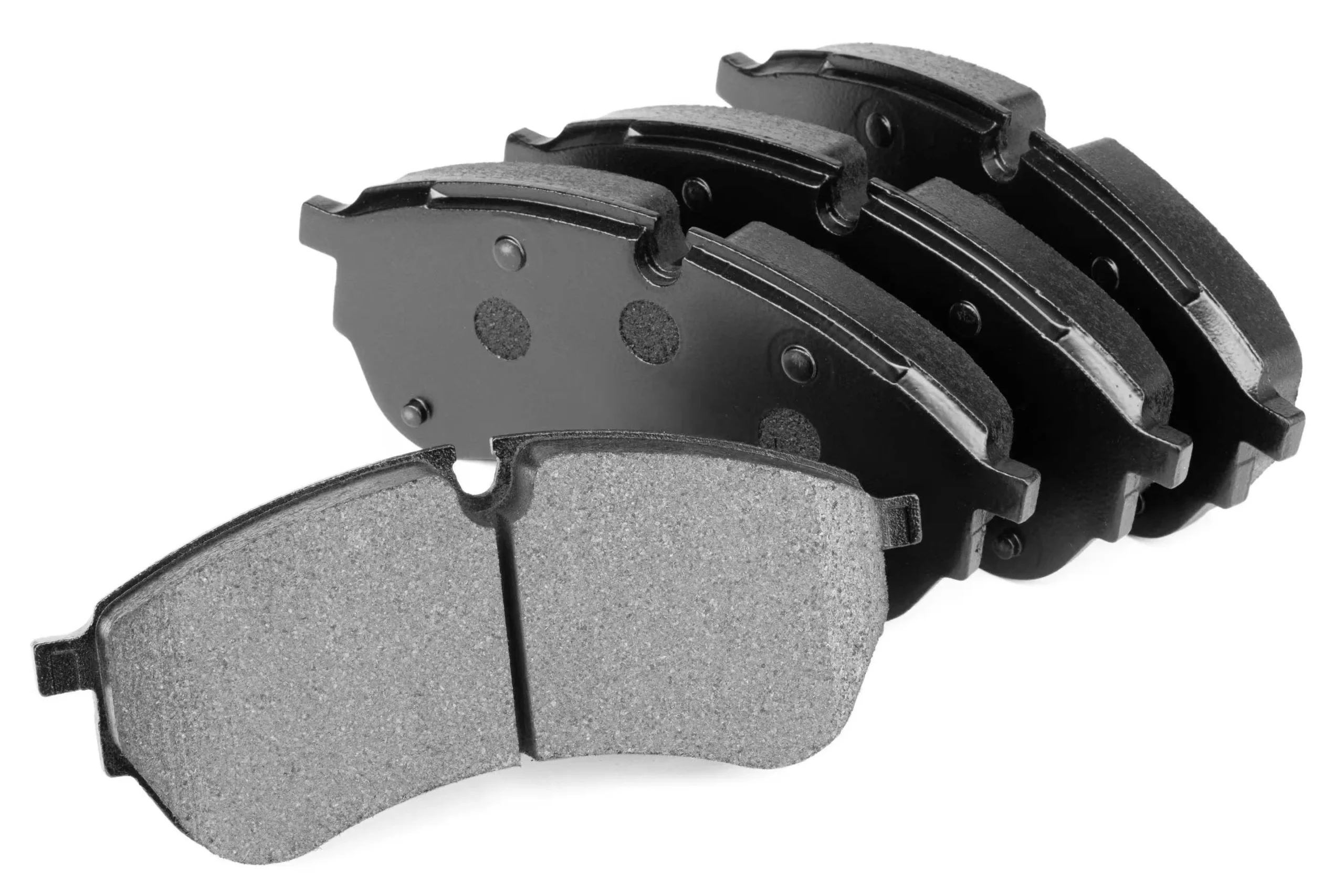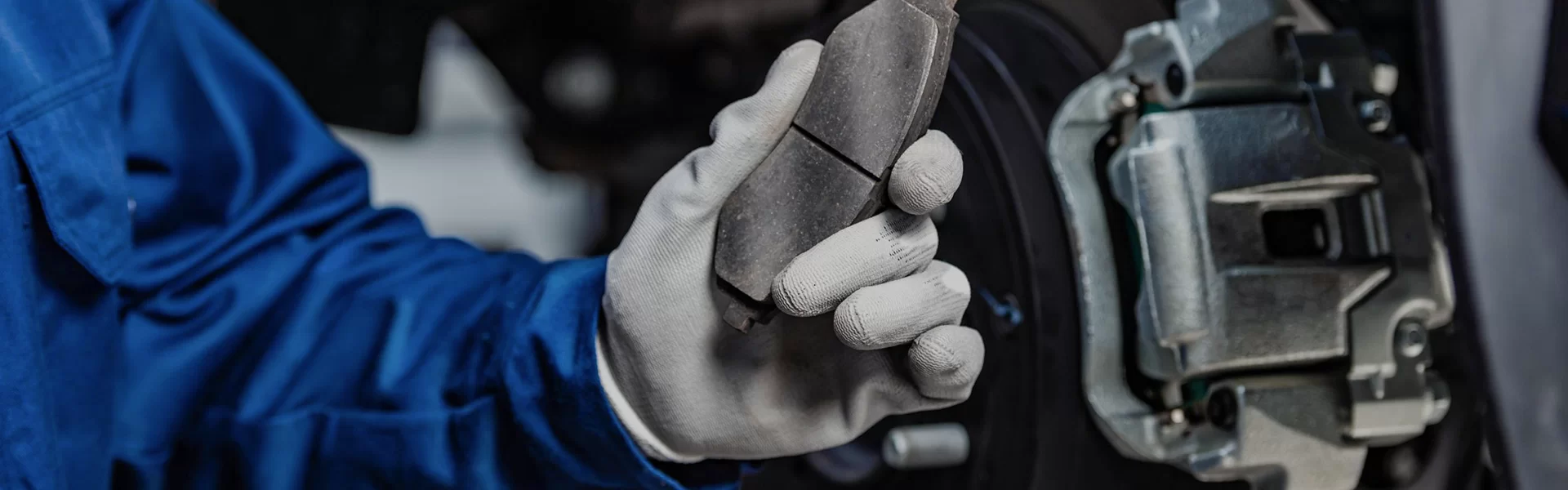
Brake linings might not sound glamorous, but they’re quite crucial when it comes to safety and performance in vehicles and machinery. Specifically, the 4515 brake lining is a standard that's been making waves across industries globally. So why exactly does this matter? Well, this component plays a pivotal role in braking efficiency, durability, and environmental compliance. If you’ve ever wondered how that heavy truck or industrial equipment manages to stop reliably under harsh conditions, chances are some form of 4515 brake lining is involved.
On a global scale, ensuring quality brake linings not only affects road safety but also ties into emission standards and sustainability goals. Understanding the specs and benefits of the 4515 designation unlocks a better appreciation of modern braking technology and why it’s often the unsung hero in transport and industrial sectors.
According to the International Organization for Standardization (ISO), brake lining standards like 4515 harmonize safety and performance metrics internationally. This helps manufacturers, logistics companies, and vehicle operators meet strict regulations and reduce accidents. To give you a perspective: The World Bank estimates that road traffic crashes cost countries up to 3% of their GDP annually. Reliable brake components, including specifically designed linings, directly influence this statistic.
What complicates matters is the varying environmental conditions worldwide — from scorching deserts to icy arctic roads. Brake linings that work perfectly in one region might fail prematurely in another unless designed for such extremes. This is where the 4515 brake lining specification comes in handy, offering a robust, globally recognized benchmark.
In simple terms, a 4515 brake lining is a type of friction material attached to brake shoes or pads that slow down or stop a vehicle or machinery by converting kinetic energy into heat. It is formulated to meet the ISO 4515 standard, which specifies performance characteristics like friction coefficient, wear resistance, and heat tolerance.
These linings are used in various applications from heavy-duty trucks, buses, and rail to industrial machinery. Their importance extends beyond just stopping power; they often influence fuel efficiency, sustainability (through lower wear particles), and even noise levels.
One of the biggest factors for brake linings is how long they last under harsh conditions. The 4515 standard requires materials that hold up against wear and abrasion. For example, truck operators in regions with mountainous roads rely heavily on durability to avoid constant maintenance or catastrophic brake failure.
Braking converts motion into heat. If the lining can’t tolerate high temperatures—say, during long downhill drives—it risks glazing, cracking, or losing friction. 4515 linings demonstrate superior heat tolerance, ensuring consistent performance.
Increasingly, brake linings need to avoid hazardous substances such as asbestos or heavy metals. 4515 linings often incorporate eco-friendly composites that meet environmental safety guidelines from agencies like the EPA.
Nobody likes squealing brakes. The 4515 linings also focus on reducing noise and vibrations through material composition and design, improving user comfort and reducing wear on other brake components.
From the manufacturer’s perspective, balancing cost with quality is key. Linings adhering to 4515 specs offer a competitive price point for reliable, tested materials, minimizing both upfront and lifecycle costs.
The beauty of the 4515 brake lining is its versatility. You'll find them in:
For example, during recent disaster relief operations in Southeast Asia, emergency vehicles equipped with quality 4515 brake linings were able to operate reliably under heavy load and difficult roads, ensuring critical supplies reached affected areas without delay.
There’s more than just technical specs at play here. The long-term benefits are equally impressive:
Frankly, it feels like investing in good brake linings is akin to investing in peace of mind. Nobody wants a brake failure, and the 4515 standard helps ensure that’s a remote risk.
Looking forward, the industry is embracing several exciting innovations:
No product is perfect. Some common hurdles with 4515 brake linings include:
Industry experts suggest:
| Specification | Details |
|---|---|
| Friction Coefficient (μ) | 0.35 - 0.45 (at 200°C) |
| Max Operating Temperature | 500°C |
| Wear Rate | ≤0.5 mm per 1000 km |
| Material Type | Non-asbestos organic (NAO) composite |
| Noise Level | ≤70 dB under standard braking |
| Environmental Compliance | Meets EPA & REACH standards |
| Vendor | Material Quality | Price Range | Special Features | Lead Time |
|---|---|---|---|---|
| Brakemaster Inc. | High-grade NAO | $$$ | Custom formulations for heavy trucks | 4-6 weeks |
| EcoFriction Ltd. | Recycled composites | $$ | Low noise technology | 3-5 weeks |
| Global Brake Systems | Standard NAO with key additives | $$ | Long shelf life, consistent quality | 2-4 weeks |
A: The 4515 standard specifies stringent performance and environmental criteria that surpass many regional or generic linings. This ensures better wear resistance, heat tolerance, and eco-friendliness, making it ideal for both heavy-duty and sensitive applications.
A: Durability varies depending on usage and conditions, but under normal operation, 4515 brake linings often last between 50,000 to 80,000 kilometers. Their design helps minimize wear even in demanding environments.
A: Yes, with electric vehicles' regenerative braking systems reducing friction usage, 4515 linings are increasingly optimized to work alongside electronic brakes, enhancing safety without excess wear.
A: Generally, yes, provided the new linings match the vehicle's brake shoe size and specifications. It’s advisable to consult with your brake supplier or mechanic to ensure compatibility.
A: Reliable suppliers usually certify their products against ISO 4515. Industrial vendors like 4515 brake lining manufacturers provide certified products along with technical support.
It might seem like a tiny piece of brake hardware, but honestly, the 4515 brake lining is a cornerstone of modern braking technology. Thanks to its durability, performance, and eco-conscious design, it addresses real-world challenges from industrial machinery to public transport. Over time, it helps keep costs down, emissions lower, and safety standards high.
Whether you’re a fleet manager, manufacturer, or vehicle enthusiast, upgrading or specifying 4515 brake linings could be a smart move worth considering. Curious? Visit 4515 brake lining for detailed product options and expert advice.
Smart braking starts with smart materials – and 4515 brake lining ticks all the right boxes. In an industry where performance, safety, and sustainability converge, it’s both reassuring and fascinating to see how such a component quietly carries the weight of the world.