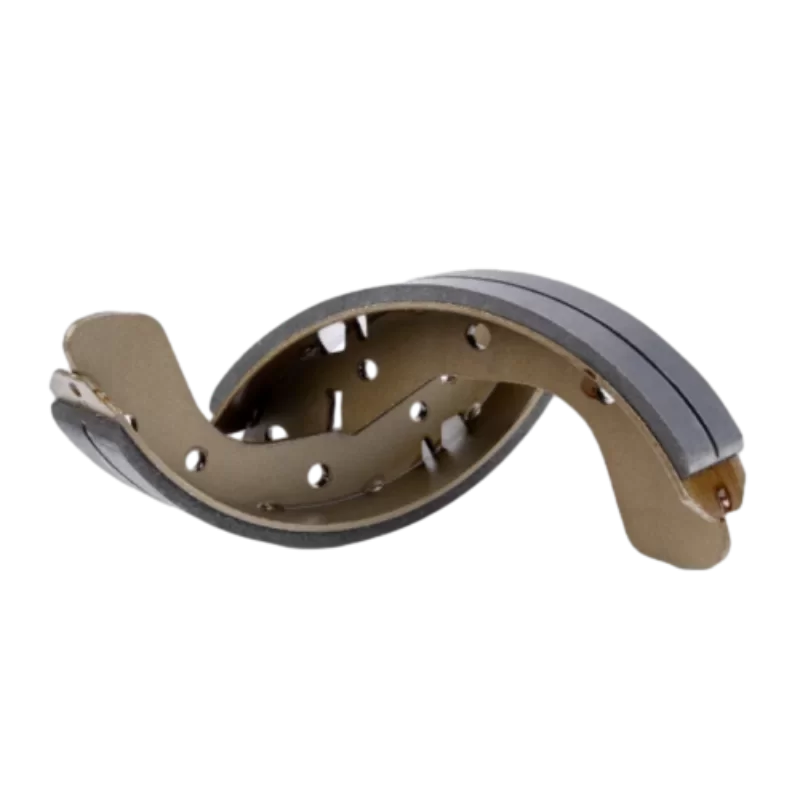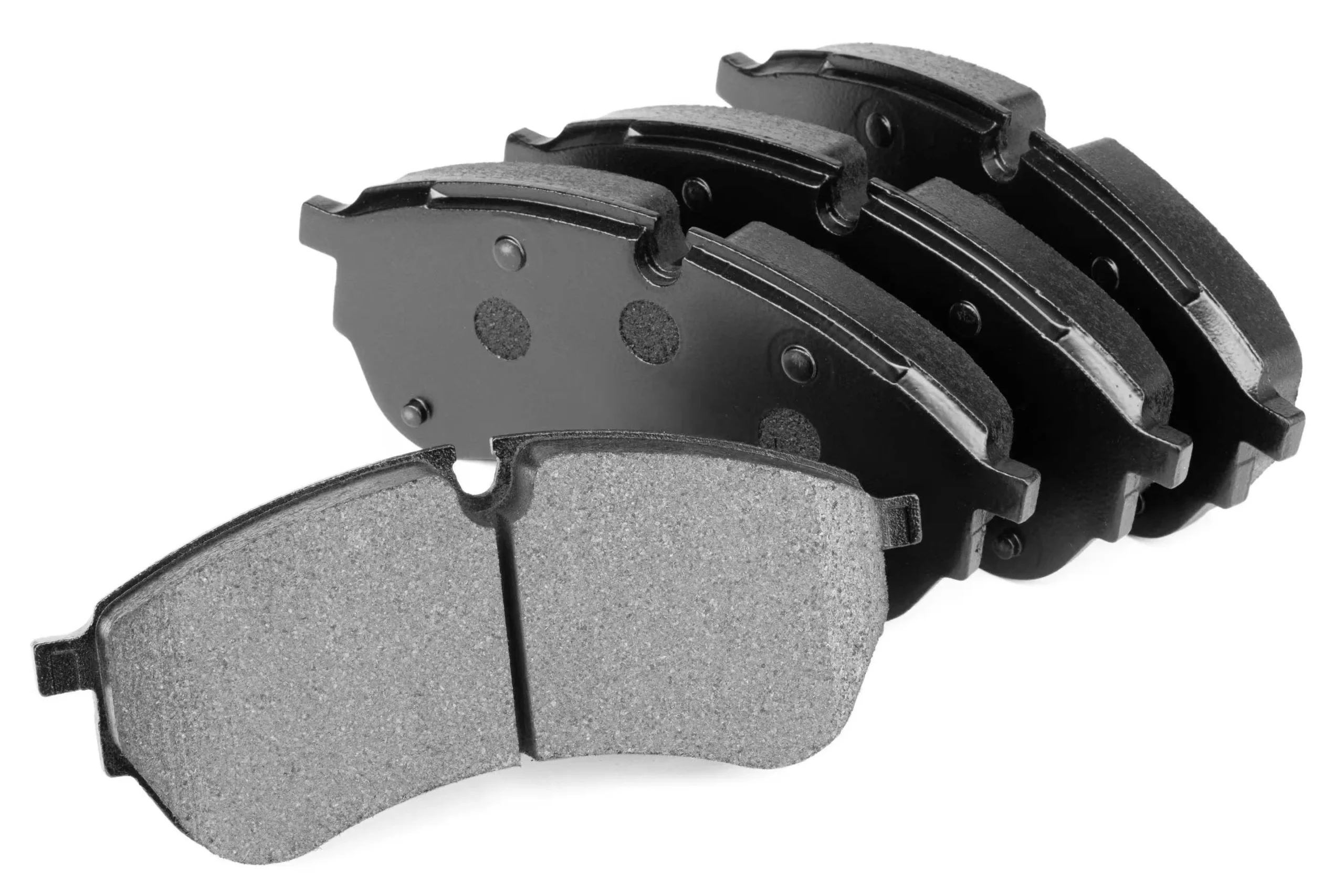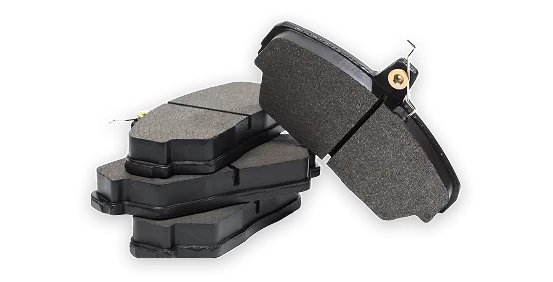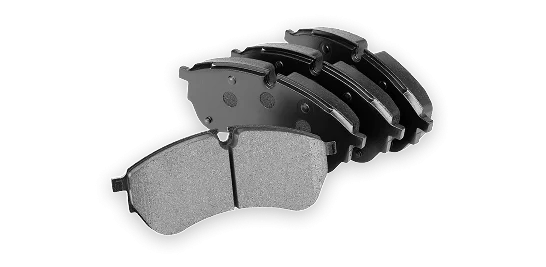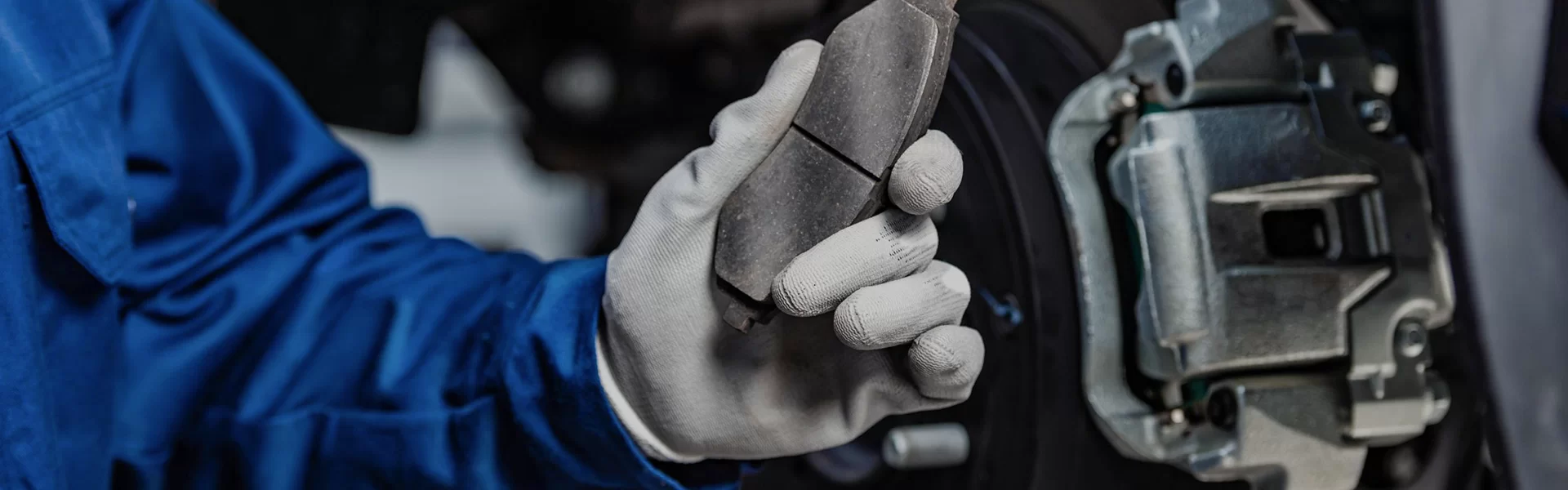
If you’re scanning the market for Brake Pads For Sale, here’s the straight talk from the shop floor and the test bench. The Wear Resistant Brake Pad from a Hebei-based manufacturer has been popping up in buyer shortlists—and for good reason. It promises superior stopping power, low noise, and long-lasting performance. Actually, many customers say it feels “OEM-tight” without the OEM price.
![[Brake Pads For Sale]](https://images.cnmqh.com/images/a10006/d1812c3e-9684-4253-9c54-001f7a692f8e1-20250814074731-scaled.webp)
Three big shifts: copper-reduced and copper-free compounds (regulatory pressure), better noise-damping shims, and materials tuned for EVs where regen braking changes pad temperature profiles. To be honest, if your pad can’t handle repeated cold-to-warm cycles without squeal, you’ll hear about it—fast.
Origin: No. 10, Zhongcheng Road, High-tech Industrial Development Zone, Gucheng County, Hengshui City, Hebei Province.
Description: High-quality brake pads delivering superior stopping power, low noise, and long-lasting performance for safe and reliable driving.
| Friction coefficient (μ) | ≈0.38–0.45 (real-world use may vary) |
| Material families | Ceramic, Low-metallic NAO, Semi-metallic (customizable) |
| Max operating temp | ≈500–600°C, fade |
| Noise level | ≤65–70 dB in typical urban cycles |
| Backing plate | Q235/Q345 steel, powder-coated; NBR/steel/graphite shim options |
| Service life | ≈30,000–60,000 km depending on duty cycle |
| Certifications | ECE R90 (select references), factory IATF 16949 |
Materials selection → precision weighing → dry mixing → hot-press molding → scorching/heat treatment → slot/chamfer → shim and adhesive bonding → powder coating → dynamometer validation (SAE J2522/ISO 26867) → shear and compressibility tests (GB 5763) → packaging.
Internal dyno samples showed μ stability within ±0.03 through fade/recovery cycles, with minimal judder. Of course, your mileage—literally—depends on rotor quality and bedding-in.
![[Brake Pads For Sale]](https://images.cnmqh.com/images/a10006/2abf9579-dbe1-4533-842c-d2b313f6a198-20250814075057.webp)
Daily commuters, ride-hailing fleets, light trucks, and, surprisingly, mountain routes where repeated braking can punish lesser compounds. For EVs and hybrids, the ceramic option plays nicely with regen-heavy use, keeping rotor glazing in check.
A 60-vehicle city taxi fleet trialed the ceramic spec for 5 months. Feedback: quieter stops and ≈12% longer pad life versus their prior import set, measured by average thickness at pull-off. Not a lab miracle—just steady wear behavior and fewer complaints in the rain, which, I guess, is what counts.
| Vendor | μ Stability | Noise | Lead Time | Customization | Certs |
|---|---|---|---|---|---|
| KY Wear Resistant Pad | ±0.03 (≈J2522 cycles) | Low, ≤70 dB | ≈25–35 days | Shim/slot/compound/branding | ECE R90, IATF 16949 |
| Generic Import A | Variable | Mixed | ≈30–45 days | Limited | Partial |
| Big Brand B | Tight | Very Low | Stock/fast | Extensive | Broad portfolio |
Choose compound (ceramic/NAO/semi-metallic), shim construction (NBR, multi-layer steel), slot/chamfer patterns, scorching level, and private-label packaging. Fleet buyers often ask for higher μ at low temp for urban stop-go—easy tweak.
Brake Pads For Sale seekers often ask about standards. Short answer: look for ECE R90 compliance on specific references, plus proof of SAE J2522 dyno data and GB 5763 shear/compressibility results. If a vendor can’t share a snippet, walk.
“Quiet out of the box after bedding.” “Dusting is moderate on semi-metallic; ceramic is cleaner.” “Packaging and shims feel premium.” Minor gripe: “Lead time stretched a week during peak season”—not unusual.
Final thought: pick the compound for your route, not your mood. Then bed them in properly and they’ll return the favor.