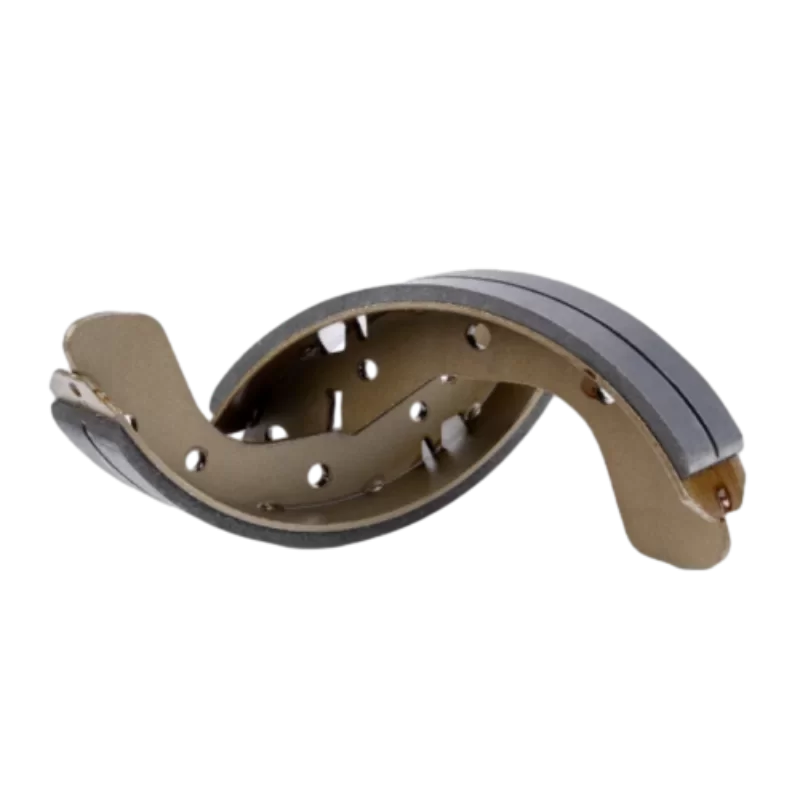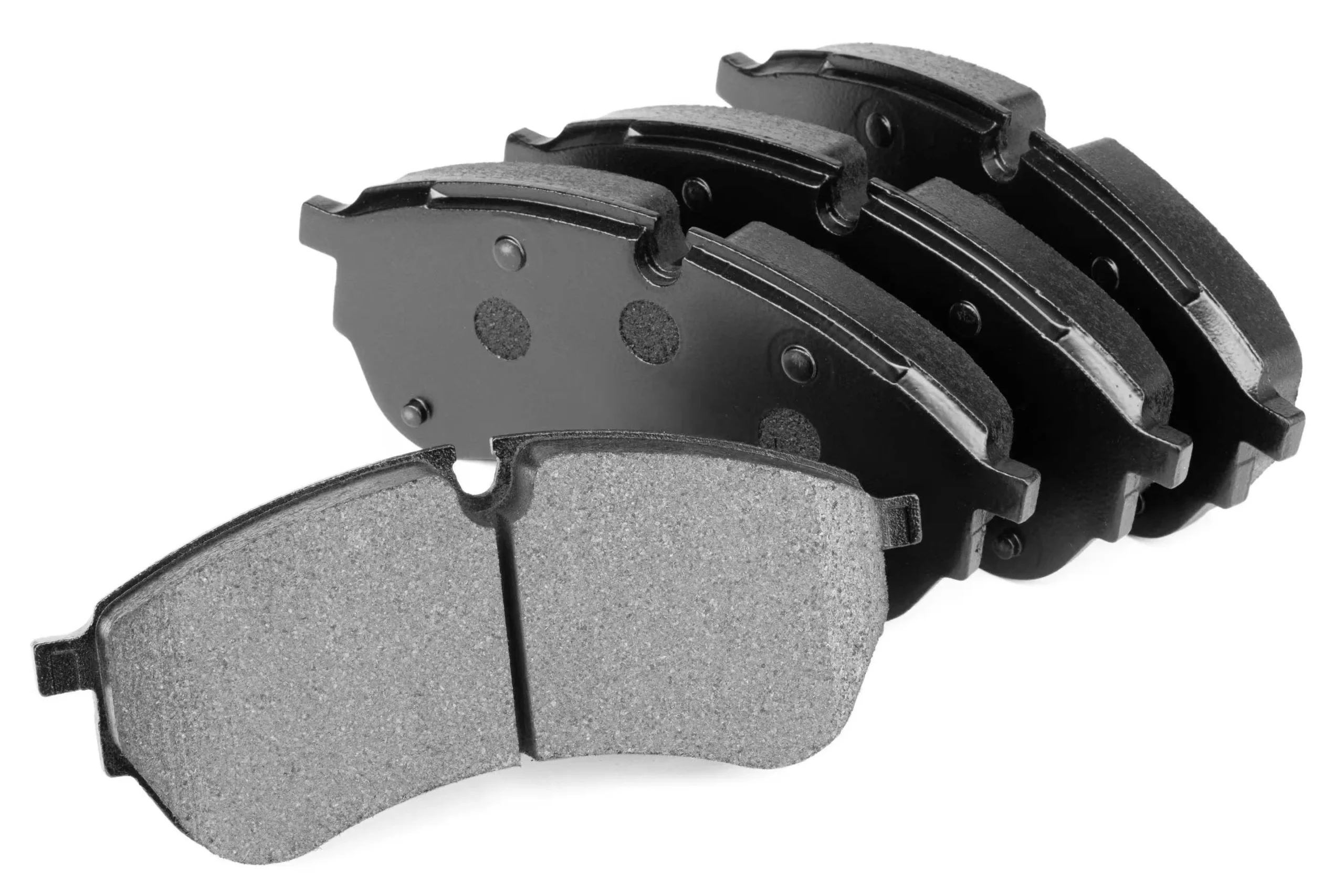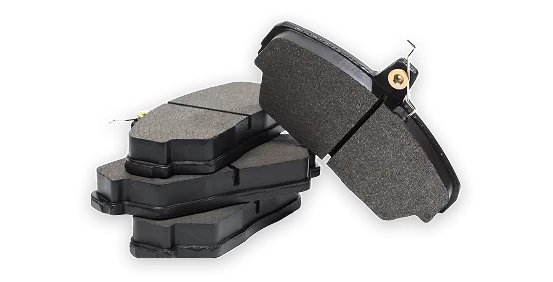
Composite brake pads have quietly become a vital component in automotive and industrial sectors worldwide. Why? Because they blend performance with environmental responsibility—addressing the global push for cleaner, safer transportation. Understanding these brake pads isn’t just for engineers; it’s for anyone curious about how technology improves daily life and protects the planet.
Brake system safety is a universal concern. According to the International Transport Forum, vehicle maintenance—including brake efficiency—significantly impacts road safety worldwide.1 Composite brake pads are engineered to offer better wear resistance and less pollutive residue compared to traditional materials. This matters because the increasing numbers of vehicles worldwide, particularly in Asia-Pacific and emerging markets, are pressuring resources and regulatory systems.
Furthermore, environmental standards from organizations such as ISO and the United Nations emphasize reducing hazardous materials in automotive parts. Composite brake pads strike a balance between durability, cost, and sustainability, helping industry players meet stringent regulations without compromising performance.
Mini takeaway: Composite brake pads are not just parts; they’re solutions enabling safer, cleaner transportation globally.
In simple terms, composite brake pads are friction materials made by mixing several ingredients—organic fibers, resins, and sometimes metallic particles—into a unified block. Unlike traditional brake pads made mostly of a single material, composites combine these components to optimize performance.
These brake pads are built to handle the kind of rigorous stress that modern vehicles face, including temperature fluctuations and heavy loading. This makes them a keystone in automotive innovation and, marginally, in humanitarian efforts where reliable transport is critical, such as disaster relief convoys and remote industrial operations.
The hybrid nature of composite brake pads means they can last longer than older asbestos-based or metallic pads. Manufacturers often tout their abrasion resistance and thermal stability, which translates to fewer replacements, less waste, and better long-term value.
Although composite brake pads might have a slightly higher upfront cost, their lifespan and lower maintenance deliver better cost-efficiency overall. For fleet operators or private owners, the economics quickly become apparent.
Composite brake pads reduce harmful dust emissions and avoid heavy metals like copper, which have been flagged for environmental toxicity. Some products even meet strict certifications like ISO 14001, signaling adherence to eco-friendly manufacturing processes.
Brake pads are tested under extreme heat generated by braking. Composite pads tend to maintain friction cohesion in hotter conditions, which reduces fade and ensures consistent braking safety.
Many drivers report that composite brake pads create less noise and vibration. It’s a small quality-of-life improvement but one notable in urban settings and long drives.
| Specification | Value |
|---|---|
| Material Composition | Organic fibers, resins, low-metal content |
| Operating Temperature Range | -40°C to 500°C |
| Coefficient of Friction | 0.35 – 0.42 |
| Dust Emission | Low (Copper-Free) |
| Average Lifespan | 40,000 – 60,000 km |
Oddly enough, you find these pads more often than you’d expect in remote industrial zones where mechanical reliability is literally life-saving.
| Vendor | Typical Cost (per set) | Eco Certification | Lifespan (km) | Noise Level |
|---|---|---|---|---|
| BrakeTech Co. | $75 - $90 | ISO 14001 | 50,000 | Low |
| GreenPads Inc. | $85 - $100 | Carb-Free Certified | 55,000 | Very Low |
| EcoBrake Solutions | $70 - $85 | EU Ecolabel | 45,000 | Low |
Composite brake pads provide a durable solution that enhances driver safety, reduces environmental footprint, and delivers economic savings. It’s not just mechanical performance—it’s also about feeling assured that what stops your vehicle also cares for the roads and communities around you. Composite brake pads often exhibit less wear on rotors, meaning fewer replacements. Over time, this translates into less waste and greater trust in the product.
Looking ahead, composite brake pads are evolving alongside electric vehicle needs and sustainability standards. Some are experimenting with bio-based resins or nano-material reinforcements to improve strength without adding weight. Automation in manufacturing is enhancing quality consistency. Additionally, lawmakers push for even stricter environmental restrictions, nudging the industry to innovate further in reducing brake dust pollution.
Newer additions include smart brake pads embedded with wear sensors, allowing real-time monitoring and predictive maintenance—kind of like the smart health trackers you wear but for your car's braking system.
Fair warning: composite brake pads aren’t perfect. Some still struggle with performance in extremely cold climates and require balancing noise reduction with braking power. Plus, customers sometimes perceive higher costs as a barrier. However, advances in material science and economies of scale are steadily lowering prices. Educational outreach (like this article!) also helps clarify the long-term cost-effectiveness and environmental benefits, which often outweigh the upfront investment.
The shift toward composite brake pads reflects a broader automotive and industrial trend toward smarter, greener material choices—ones that enhance safety, economy, and ecological responsibility. If your fleet or personal vehicle needs dependable, sustainable braking solutions, the future (and frankly, the present) lies with composites.
For detailed products and technical insights about composite brake pads, visit kybrakepad.com. Your vehicle—and the planet—will thank you.
Takeaway: Composite brake pads embody a blend of innovation, safety, and sustainability, steadily winning over the automotive world.